
How XBOX Project Helix Could Fix Xbox Series X Mistakes?
Xbox Series X hardware still has untapped potential, with machine learning and other technologies seeing limited developer adoption.
XBOX by Shinji Okazaki on Sep 15, 2026
Sony revealed the PlayStation 5 in 2020. It has 12 teraflops of computing power, an RDNA2 GPU, a Zen 2 CPU, 16GB of GDDR6 memory, and features such as a fast SSD, machine learning, and ray tracing. In 2026, the console can run most games at 60 fps, and some games have different graphics settings and ray tracing.
But doubts remain about whether developers have fully used the Xbox Series X's tools and technologies. Some technologies could still have been used more often on Xbox. Xbox Series X has several technologies that have seen limited use, and variable shading is one example. Developers used it, but they didn't fully take advantage of the technology.
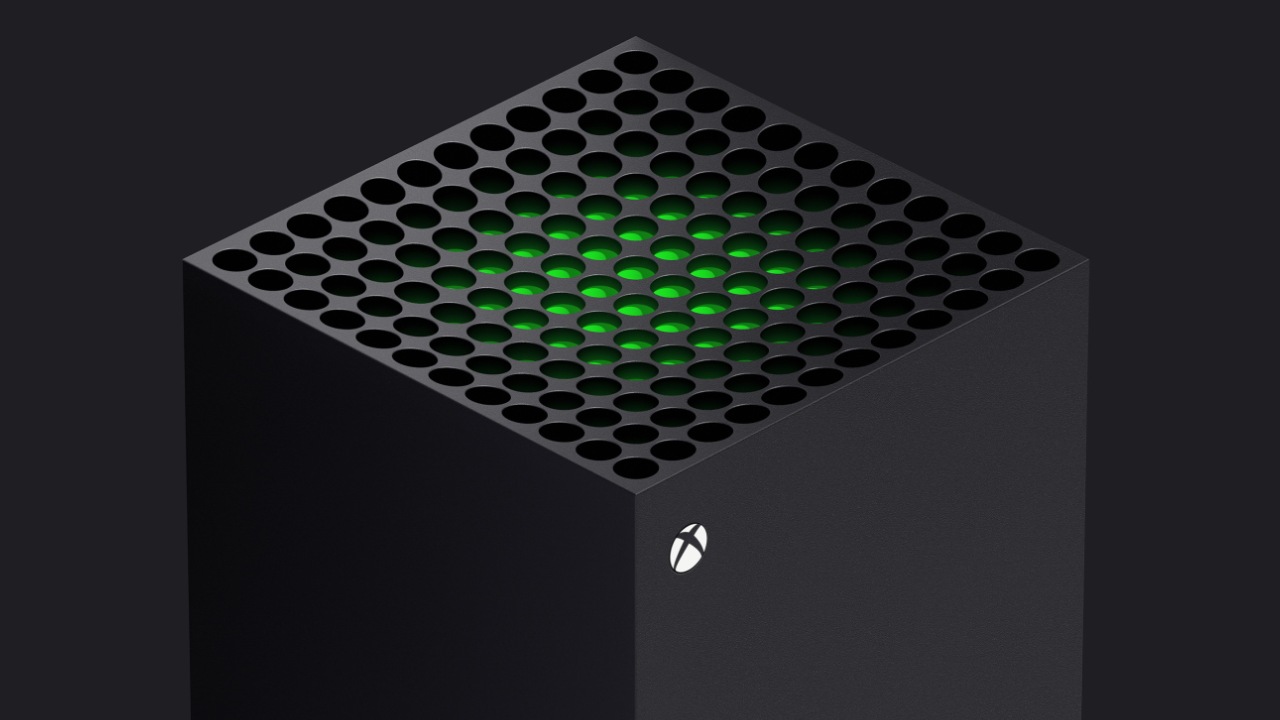
Xbox Series X Technologies Were Not Fully Utilized
When it did not work for them, support eventually stopped. Technologies like mesh shaders are also part of the next-generation geometry pipeline. The problem is that, especially at the beginning of this generation, many developers were making games for both last-generation and current-generation consoles.
Too many games were being developed across both generations. Games such as Alan Wake 2 showed what the Xbox Series X could do, leveraging next-generation technologies like ray tracing and mesh shaders. The situation was a mixture of different approaches to game development. Another issue isn't necessarily about technology or developers.
It is more about how Xbox Series X was built and its specifications. When Xbox Series X was first announced, it had more specifications on paper than PlayStation 5 in several areas. It has 52 compute units running at 1.825 GHz, which can be rounded to 1.8 GHz for discussion.
That provides compute power, but games show that the PlayStation 5's approach, using a smaller chip with fewer compute units and higher clock speeds, could be a better solution for games. PlayStation 5 has 36 compute units, which run at higher clock speeds. For compute loads, these compute units can be suited to certain tasks.
For running games, however, they need to run at high clock speeds. PlayStation 5 runs at a higher clock speed, with a difference of around 400MHz between the two consoles. Xbox Series X runs at around 1.8 GHz, while PlayStation 5 runs at around 2.2 GHz. That is a significant difference, especially given how game engines were built at the start of the generation.
Project Helix Could Avoid the Same Problem
The next generation will bring another opportunity to address this issue. XBOX Project Helix is expected to be more powerful, and leaks suggest that it will have a larger chip. The chip is rumored to be around 40% bigger, with more compute units. XBOX Project Helix is expected to have around 68 compute units, while PlayStation 6 has been rumored to have around 54 to 56 compute units.
That creates a difference of around 30% to 40% in compute units. However, that advantage could go to waste if XBOX Project Helix runs at much lower clock speeds. The clock speeds are still unknown. Rumors suggest 3.3 GHz for consoles, but the PlayStation 6 is still expected to run at slightly higher clock speeds.
If the difference is not large, around 100 MHz to 150 MHz, it should not make a major difference. The concern would be a difference of 400 MHz or 500 MHz, because the extra compute power would matter less in many games. That has happened before, and it could happen again. The next-generation Xbox needs to be not only more powerful but also run at high clock speeds on both the GPU and CPU.
Microsoft may have an opportunity to change that with XBOX Project Helix.
The PC hybrid approach could help because the chips and technologies will be used on both Xbox and PC. That creates a bigger user base. Developers would have more incentive to use these technologies because more users could benefit.
Instead of developing a feature for Xbox alone, developers could potentially use the same technology across XBOX and PC. More users and more gamers on both platforms could benefit from those technologies. That could help Microsoft avoid some of the problems seen with Xbox Series X.
A system with more compute units, higher clock speeds, and technologies developers actually use would make better use of the hardware. The next-generation Xbox will need fast CPUs, GPU performance, and technologies developers have a reason to support. Project Helix is expected to be around the corner, so the next generation will need to reflect the lessons from the Xbox Series X.
Editor, NoobFeed
Latest Articles
No Data.