
Fable Returns With a Massive Living World and Player Choices That Truly Matter
A fully open Albian introduces a reactive world where exploration, freedom, and player decisions shape every experience.
News by Nami Tanaka on Jan 27, 2026
People are talking a lot about the new Fable game in 2026 because it has buildings that you can buy, a complex morality system, and powerful life-simulation components. Not only is the game being relaunched, but it is also being completely redesigned. The new environment will react, remember, and evolve based on what players do. The size, techniques, and aims all lead to a dramatic transformation in how this fictional world works.
The new Fable takes us back to the time of the Abbasids in a way we've never seen before. There is still a fairy-tale feel, British humor, and a world shaped by choices, but everything is now part of a much deeper, more alive framework. Albion is now a truly open world for the first time. Starting from the beginning, we can get to a lot of the map and make our own way by leaving the main story whenever we want.
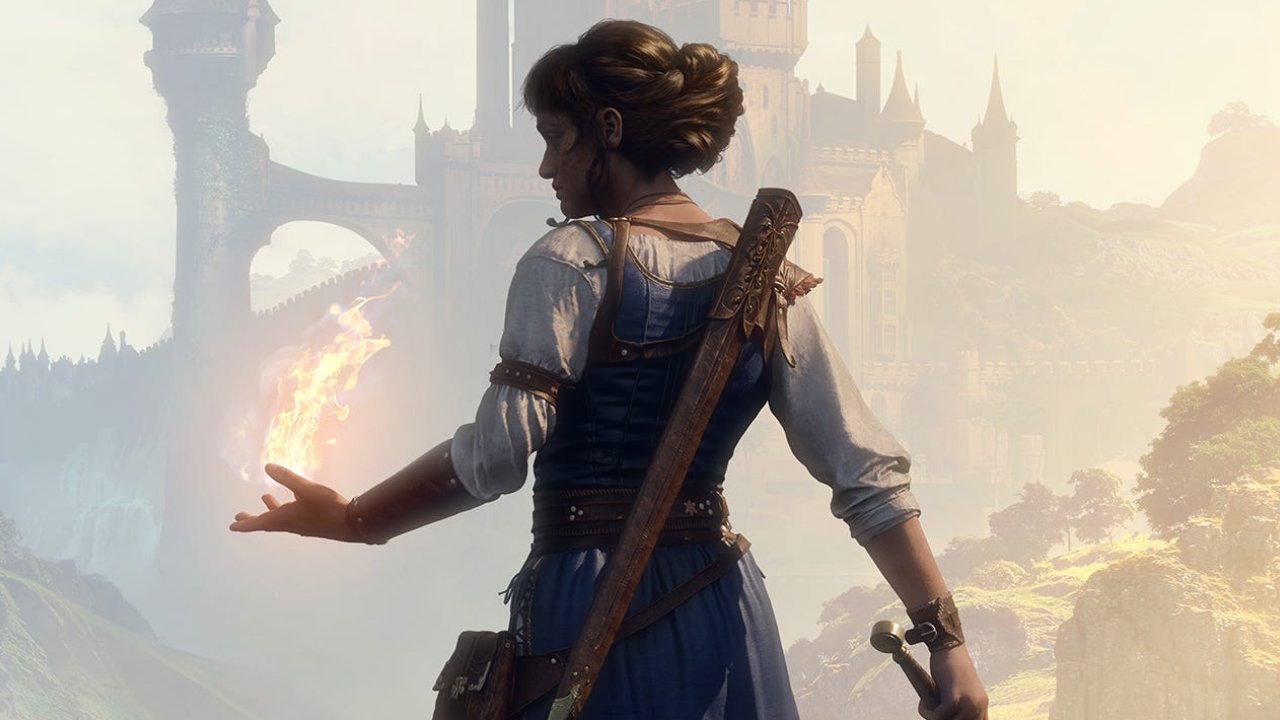
It was never just to make the world bigger. It was planned that the world works and makes sense, and it responds to what you do. Every deed is part of a living structure and doesn't happen by itself. The NPC organization, called the "living population," is one of the most important ones. There are more than 1,000 NPCs in the game, and none of them are just there to look nice.
This design choice made it harder to grow in a certain way.
Every NPC has a daily practice. They get up, go to work, do things in their free time, come home, and sleep. We can follow one NPC from morning to night and see their whole life... if you want. This relates to one of the series' most famous features: you can enter and buy every building. Everyone can get into every house, shop, and business. You can buy it, go inside, and even live there.
Every NPC needs a bed if they all sleep. For more than 1,000 characters, that meant there had to be houses, rooms, and places to sleep. There is more to the world than just how it looks. It is meant to work as a live system. This structure is a direct link to the morality system, which is much more complex than just choosing between good and bad.
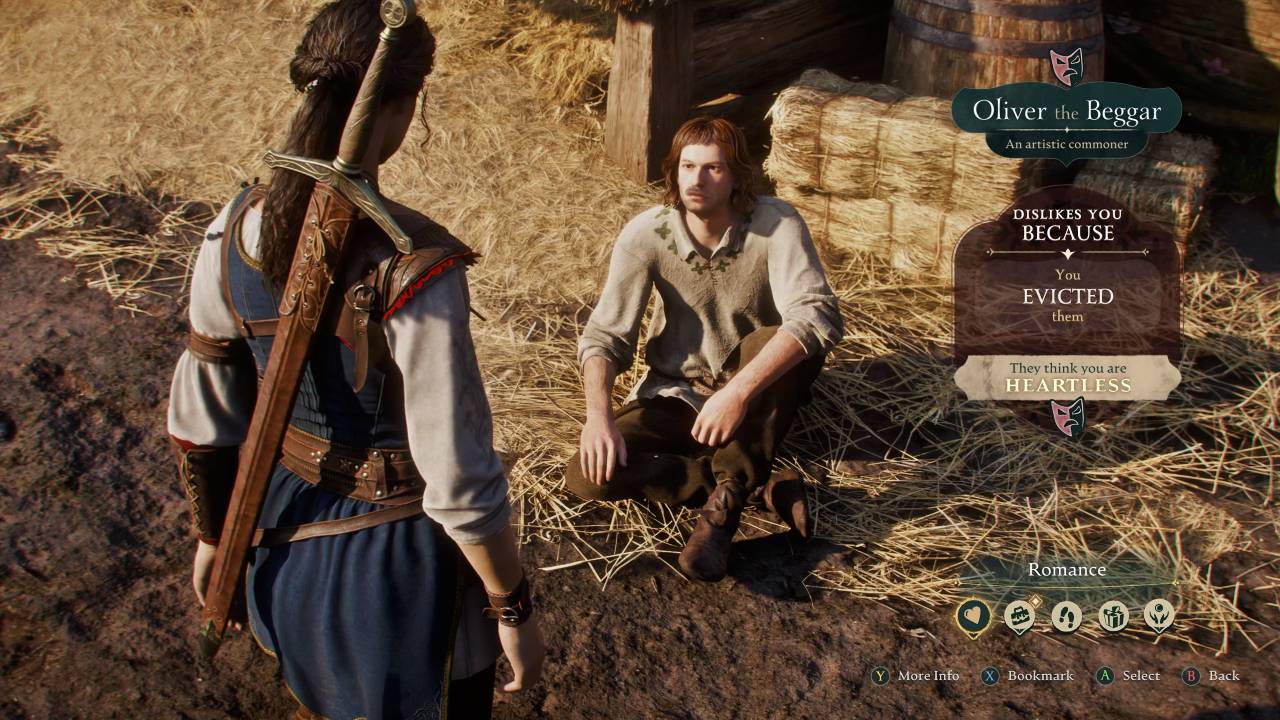
That's not all that NPCs use to judge you; they also use what they see and hear. When you talk to someone, fire them, hire them, or mess up their life, the word gets around in Albian. Having land and running a business are two areas where this is especially clear. We do more than just buy homes. We can buy stores and businesses, run them, and hire staff, or we can be cruel owners who kick people out of their homes.
Every choice you make changes where you are and how people treat you. There is even more to the live simulation. In this world, people can date, get married, have kids, and even get separated. There is depth to these connections. Who an NPC is, what they expect, and how they see the world affect how they interact with you. Not everyone loves or hates you the same way.
This shows how deep the system goes with one case.
When you choose to kill or save a character, the game doesn't stop right away. If you kill an NPC, their body may stay in the world for the rest of the game, changing the mood and the way NPCs nearby act. The tone stays silly and funny, with lots of British wit, but the effects are darker and last longer. It feels like we're walking through a fairy tale, and each step has an effect that lasts.
Combat feels like an old-school action RPG while still staying true to its roots. You are free to switch between swords, long weapons, and magic at any time. We don't have to stick to one style. A big part of the design is the ability to switch between sword and magic, or magic and bow, in the middle of a fight. Battles are designed to be hard against both lone enemies and big groups, so you have to be careful where you stand and use your abilities in smart ways.
Heavy and light strikes, combos, and finishing animations make battles fun to look at and easy to play. Threats like Hobbs, Bolverines, Hollow Folk, and Trolls are brought back by enemy variety. New enemies, like fire-breathing giant cockatrices, make the game more dangerous. They can turn normal fights into close-quarters boss fights.
At the start of the game, you are the first hero of a new generation in an Albian world that hasn't had any heroes in a long time. The story takes place in Brier Hill, a quiet town. When a mysterious figure turns people into stone, it sets in motion a journey that changes everything. This structure draws on elements from both traditional "hero-rise" stories and more contemporary "depth" stories.
What kind of person will you be? A hero, a ruler, or something in between?
You're not just keeping a threat away. You get to choose what kind of world Albian turns into. What you do completely changes the answer. It's easier than ever to change how your character looks. We no longer have to use letters that are already set. Faces, skin tones, hairstyles, tattoos, scars, and clothes can all be changed to make your hero unique.
Clothing isn't just for looks. What you wear shapes who you are and how other people see you. The open world has expanded geography. We can visit beautiful hills, foggy swamps, dense forests, dark coastal towns, and many other unique places. Bowerstone, the famous city, is back with well-known sites like Fairfax Castle, the old clock tower, and the Heroes Guild.
Areas with more darkness, like Bloodstone, are very important. This windy port city shows the rougher side of Albian. It is full of fighting gangs and a dangerous cult of shadows. What is decided here can quickly change the company's tone and image. Each area is made to be a reactive place. In some cities, a choice can turn into a myth; in others, it can be a reality. People know who you are and talk about you, which changes relationships, tasks, and trade.
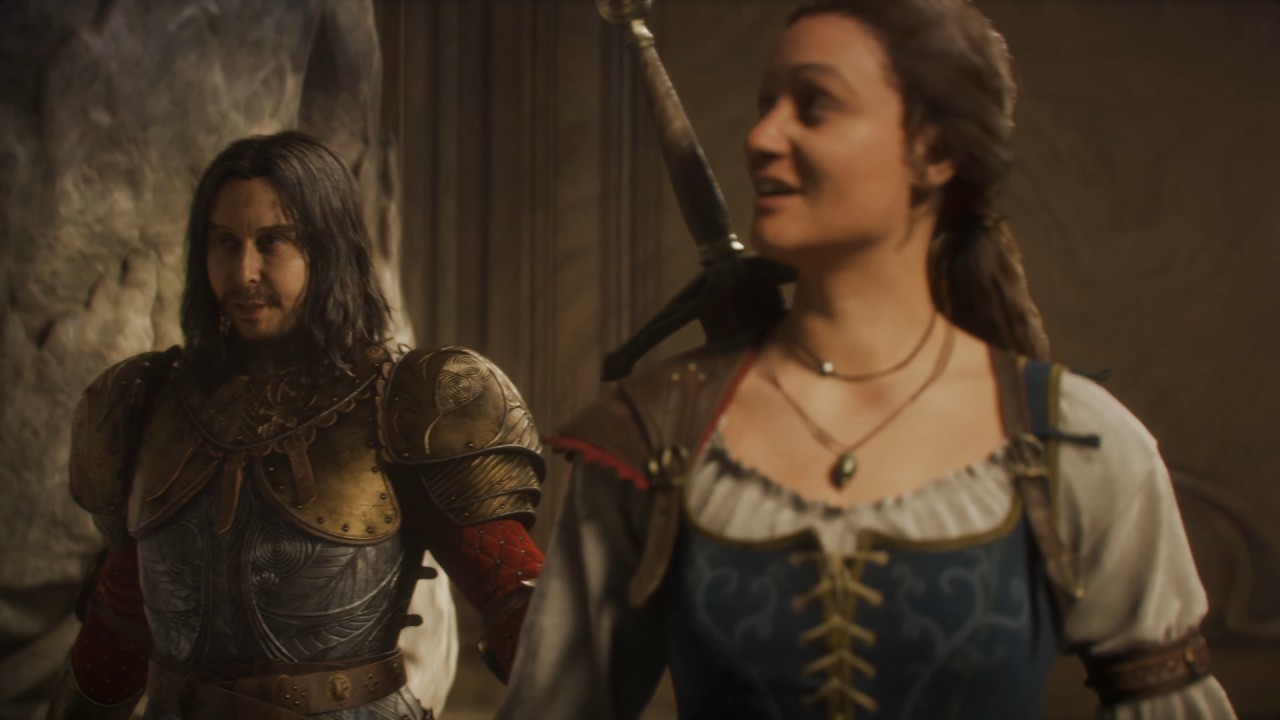
This web-like structure explains why the world is called 'important' rather than just 'big.' The story, NPCs, morals, economy, and combat all work together as a single ecosystem. Long-term goals are evident in the project itself. After years of working on games in a different genre, the company decided to start from scratch and make a whole new game. They did this by putting together new teams and hiring experienced RPG developers.
The main idea is easy to understand. This isn't supposed to be a copy of something that happened before. Respect for tradition and modern standards is taken into account. There is still British humor, absurd moments, and fairy tales, but the method is much deeper. The goal is to release the game in the fall of 2026 on Xbox Series X, Series S, PC, and PlayStation 5. It will be available to many people.
All in all, this version of Fable doesn't just feel nostalgic; it feels like a genuine throwback. The game aims to stand out from other RPGs by featuring over 1,000 living NPCs, a fully explorable, purchasable world, a deep morality system, and robust life simulation features. Each NPC has a story, each choice leaves a mark, and Albian really responds. If this promise of a living world comes true, Fable might not only be back but also become a new standard for RPGs today.
Moderator, NoobFeed
Related News
No Data.