
Did Final Fantasy Miss a Generation? Why Square Enix is Racing Back to Nintendo
How skipping the Switch era may have cost the franchise its connection with younger players, and why things are changing now.
News by Mahi Araf on Feb 16, 2026
For a long time, you may have noticed something strange if you follow Final Fantasy closely. Even though it is one of gaming’s most famous franchises, it has slowly become less visible to younger players, especially in Japan.
During the Nintendo Switch era, when that system dominated both Japan and much of the world, Square Enix chose not to place a major, brand-new mainline Final Fantasy game on it. At the time, this decision may have seemed strategic. Looking back now, it feels like a major missed opportunity.
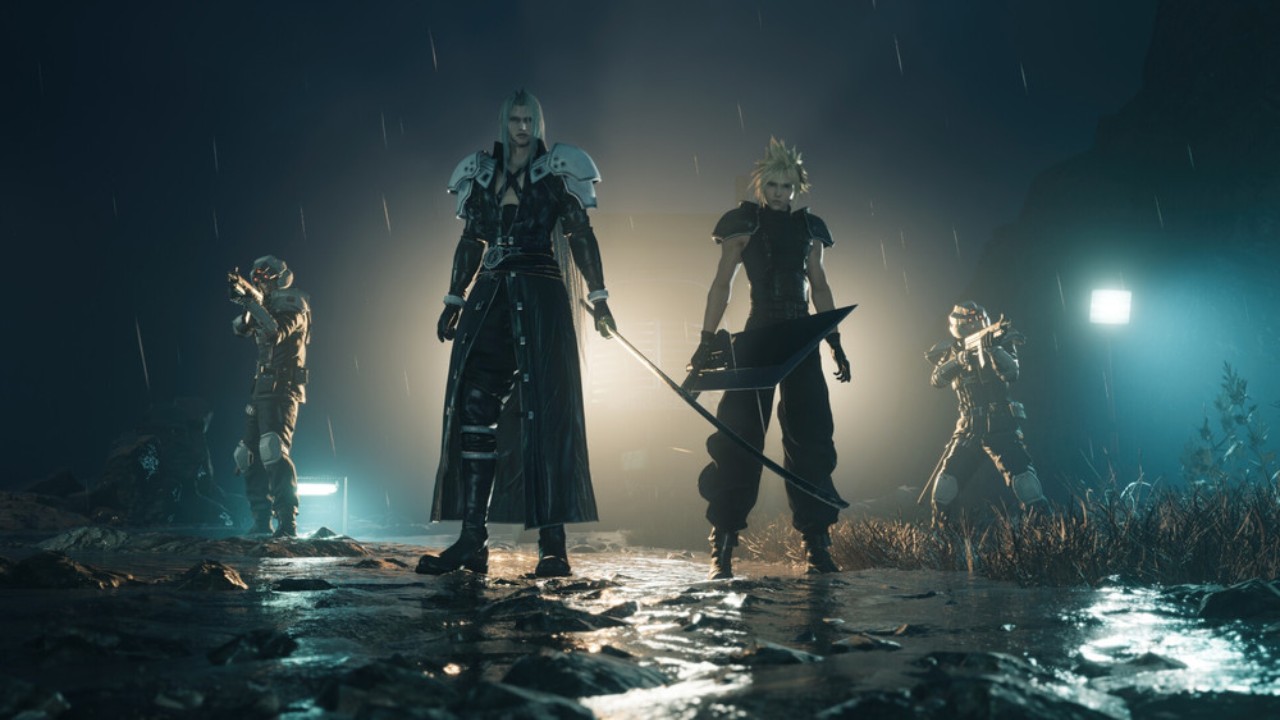
If you think about it, the Switch was everywhere. Kids, teenagers, adults, casual players, everybody and their mothers had one. It became the default gaming system for an entire generation. Yet, during those eight years, Final Fantasy mostly stayed away.
Instead, Square Enix focused on PlayStation-first releases like Final Fantasy XVI and Final Fantasy VII Rebirth. While these games were praised and respected, they were tied to platforms that many young players in Japan were no longer buying.
For a long time, this idea existed mainly as speculation. You could look at the situation and wonder if it would hurt the franchise in the future. You could compare sales numbers and notice that they were not growing the way they once had. Recently, however, interviews and research have started to support these concerns.
In one interview series, children in Japan were asked which games and franchises they preferred. When Final Fantasy and Dragon Quest were mentioned, many of them responded with Pokémon instead.
Some even admitted that they had never played either Final Fantasy or Dragon Quest. For franchises that once defined Japanese role-playing games, this was a worrying sign.
This situation has two main causes. First, modern game development takes much longer than it used to. Large-scale RPGs can take five or more years to complete. During that time, younger players grow up without seeing new entries. Second, when new games finally release, they are often not available on the systems that younger audiences actually own.
For years, Nintendo’s platforms dominated Japan. The 3DS came first, followed by the Switch. During this period, Pokémon remained consistent in releasing major titles on these systems. Final Fantasy, meanwhile, was largely absent. Because Pokémon was always accessible so that new players could easily join in without feeling left out.
The difference is not limited to games alone. Pokémon exists across television, cards, merchandise, and countless collaborations. It maintains a constant presence in everyday life. Even if you are not actively playing, you are constantly reminded that it exists. Final Fantasy does not have the same level of exposure, which makes it easier for younger audiences to lose interest.
This pattern did not begin with the Switch.
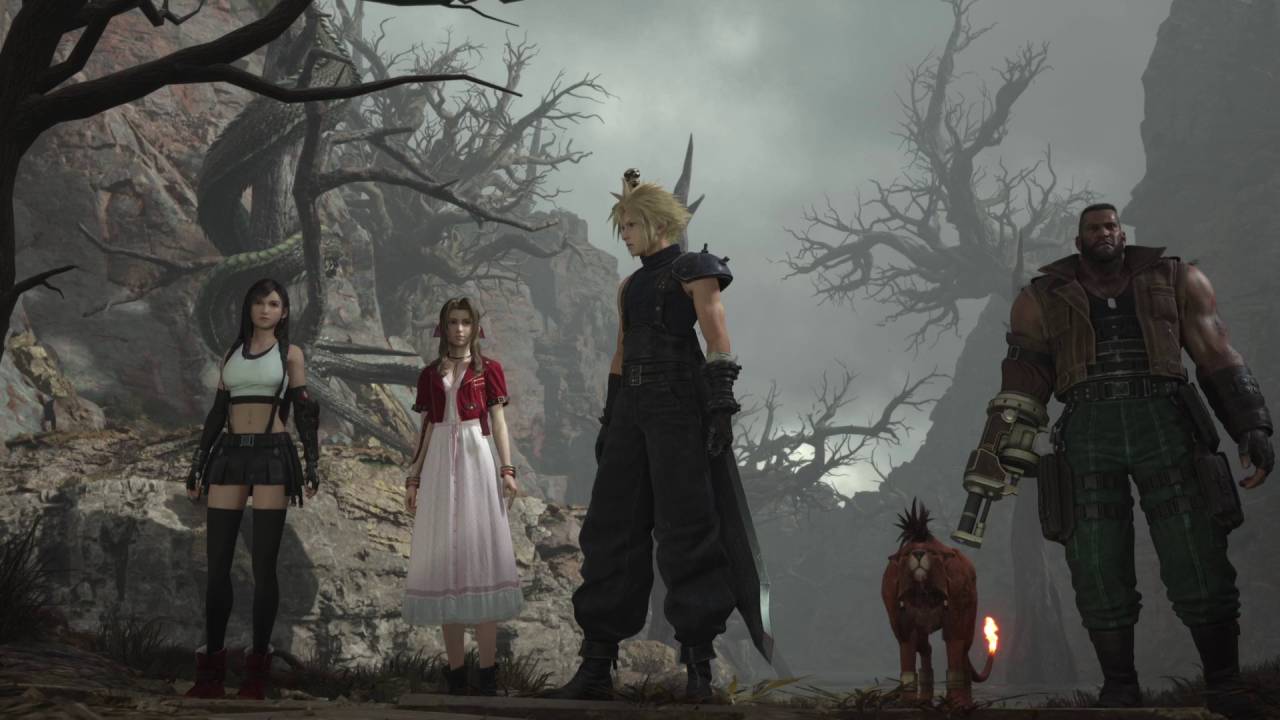
Even during the 3DS era, Square Enix rarely treated Nintendo platforms as central to Final Fantasy’s future. While smaller titles and spin-offs appeared, major mainline-style experiences were usually reserved for other systems. When Sony’s handheld devices faded away, Square Enix lost another pathway to younger players.
At the same time, PlayStation’s popularity in Japan began to decline.
Fewer families purchased the system, and fewer children grew up using it. Without that early exposure, many young players never formed a connection with PlayStation-focused franchises. This situation created a generation that felt disconnected from Final Fantasy.
Square Enix has finally begun addressing this problem. The company has shifted toward a stronger multiplatform strategy. Instead of prioritizing one system, they are now aiming to release major titles across all platforms. This approach allows the franchise to reach players wherever they are.
Recent developments from Square Enix reflect this change. Enhanced versions and ports have been on newer Nintendo hardware, and more are planned. Future mainline titles are increasingly expected to launch on multiple systems rather than remaining exclusive for long periods.
This shift is not accidental. Square Enix understands that it needs to rebuild its relationship with younger players. It wants Final Fantasy to return to childhood gaming experiences, rather than something discovered much later.
In earlier generations, this connection happened naturally with Square Enix games.
Many players started with the early Final Fantasy games on Nintendo systems. Those titles were often their first experiences with role-playing games. As they grew older, they moved on to later entries. The franchise matured alongside its audience.
Today, Pokémon fills that role. Children begin playing at a young age, some take breaks, many return, and new players constantly replace older ones. Because the games remain accessible on popular platforms like the Switch and Switch 2, the cycle continues without interruption.
By staying on the 3DS and the Switch, Pokémon was able to capture players from childhood through adulthood. Regular releases strengthened Pokémon's loyalty and familiarity. Over time, this created lifelong fans, not that they had any shortage of them to begin with.
For many years, Final Fantasy stepped away from that ecosystem. Now, Square Enix is working to return.
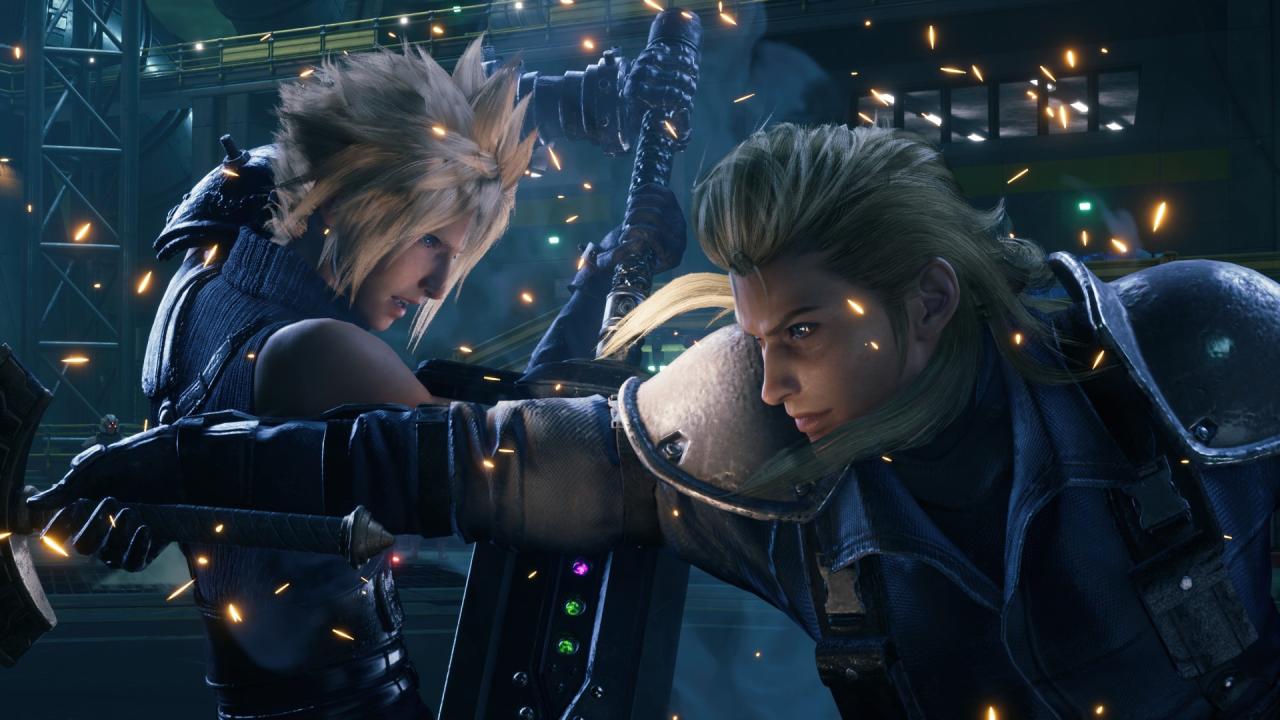
This renewed focus is evident in how the company approaches Nintendo platforms, announcements, and release schedules. These systems are no longer treated as secondary options. They are becoming an essential part of the company’s long-term strategy.
At its core, this change is about maintaining relevance. Even legendary franchises can fade if they fail to connect with new generations. Relying only on fans who grew up playing it is not enough. Without new players, any audience will eventually shrink.
Pokémon avoided this problem by constantly welcoming younger audiences. Final Fantasy did not. However, the situation is not irreversible. By embracing multiplatform development, especially with an emphasis on Nintendo systems, Square Enix has an opportunity to reconnect with younger players. If this effort succeeds, Final Fantasy may once again become a series that people grow up with and carry into adulthood.
Senior Editor, NoobFeed
Related News
No Data.