
NVIDIA GeForce RTX 5090 Price Rumors Explained Amid GPU Supply and Memory Shortages
GPU pricing rumors intensify as AI demand, memory shortages, and supply chain speculation collide across 2026 hardware markets.
News by Nahe Yan on Jan 06, 2026
$5,000 for an RTX 5090, pricing on AMD and NVIDIA GPUs rising, speculation that NVIDIA is cutting production of key SKUs by 30% to 40%, and DDR5 memory costs rising significantly. People are saying that all of this is because of AI demand. The actual question is how much of this material is true and how much is being blown out of proportion. There are real worries, but there is also a lot of guesswork that needs to be separated from facts.
A well-known analyst noted that many recent claims were based on guesses posted on foreign forums or on AI-generated estimates published by news sites without verification. They were then presented as coming from "industry sources," which made them seem more credible. As AI-generated content grows rapidly, false information spreads more easily, leading people to fear GPU prices.
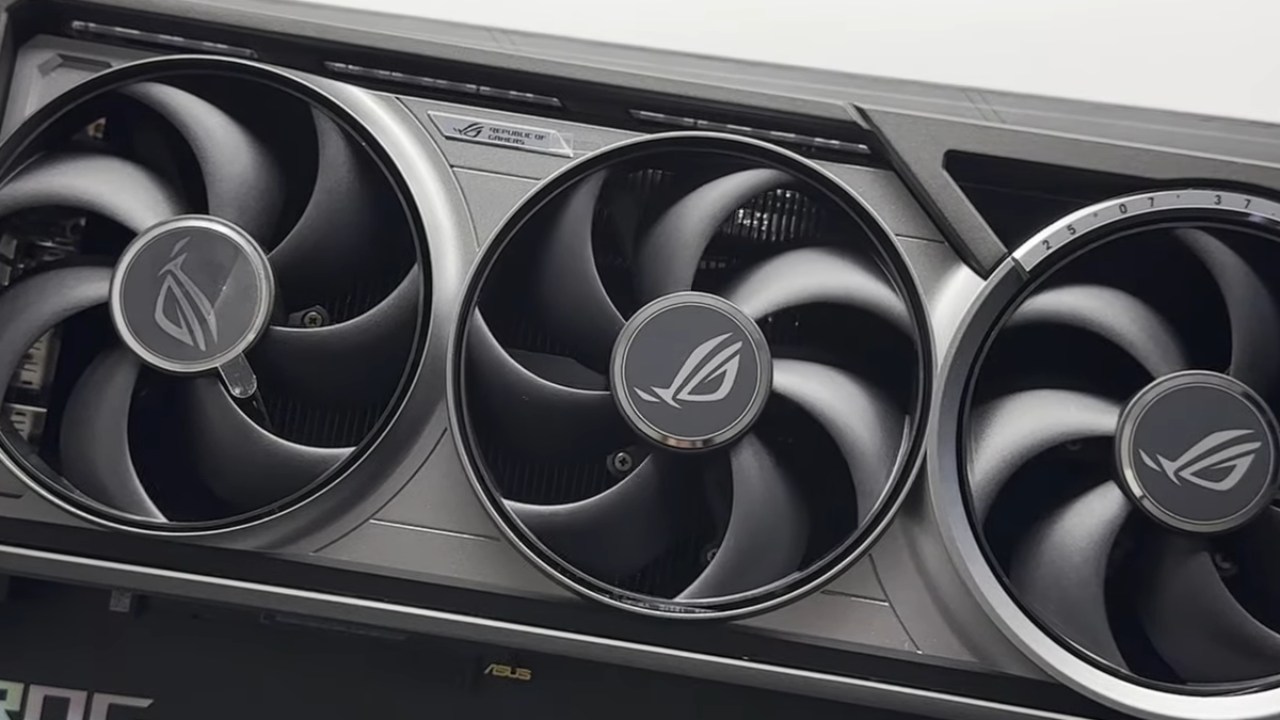
Another well-known leaker said there is significant pressure on prices, but also said the $5,000 figure has stretched too far to be sustained by the existing evidence. That difference is important since it suggests that the information is exaggerated rather than confirmed.
Reports from late last year suggested NVIDIA might have to cut production by 40% in 2026 due to memory shortages.
RTX 5070Ti and RTX 5060 Ti 16GB were two of the most popular models that these claims were about. NVIDIA didn't officially confirm these rumors, but it did say publicly that TSMC, packaging, memory vendors, and partners all had strong supply chain planning. That answer didn't confirm or deny the reports. Still, it did suggest that steps were already being taken to lessen the damage.
Other sources said that NVIDIA was trying to keep prices down. At the same time, some board members who partnered with a few supply options were more inclined to enhance profits. Some manufacturers also confirmed that some products will cost more, but didn't say anything further.
Some reports said that RTX 5090 and RTX 5080 cards were sold out, suggesting strong demand. In real life, this usually meant Founders Edition cards. Even though those models are usually closer to MSRP and in hot demand, partner cards were nonetheless available for more money.
RTX 5060 Ti and RTX 5070, which are mid-range GPUs, saw only a slight price increase and no major shortages. Price-tracking data showed trends were mostly consistent. Several models were even cheaper than when they first came out, when they were harder to get.
After some changes to the MSRP, AMD prices have stayed within the predicted ranges. Current listings show consistency rather than a rapid rise, suggesting that stories based on panic don't entirely align with retail statistics.
Large system integrators still sell systems with RTX 5090 GPUs. Even while prebuilt systems are pricey, their availability shows that GPUs are still coming to market. In the past, when supplies were low, prebuilt systems were one of the most reliable ways to get high-end graphics cards. Some people used to buy prebuilt computers and use the GPU for something else. If shortages get worse, this method might come back.
This includes next-gen GPUs and consoles that will come out in the future. Products already on the market can change their prices. Still, gear that hasn't been released yet might need to be redesigned, have its launch pushed back, or have its pricing strategy adjusted to be competitive.
If you need a graphics card right now, this is a good time to buy because they are available and not too expensive. Prices might go down, but they might also go up or become harder to find. There is no need to update right away if your current GPU, such as an RTX 4090, RTX 4080 Ti, or RX 7900 XT, still meets your performance needs.
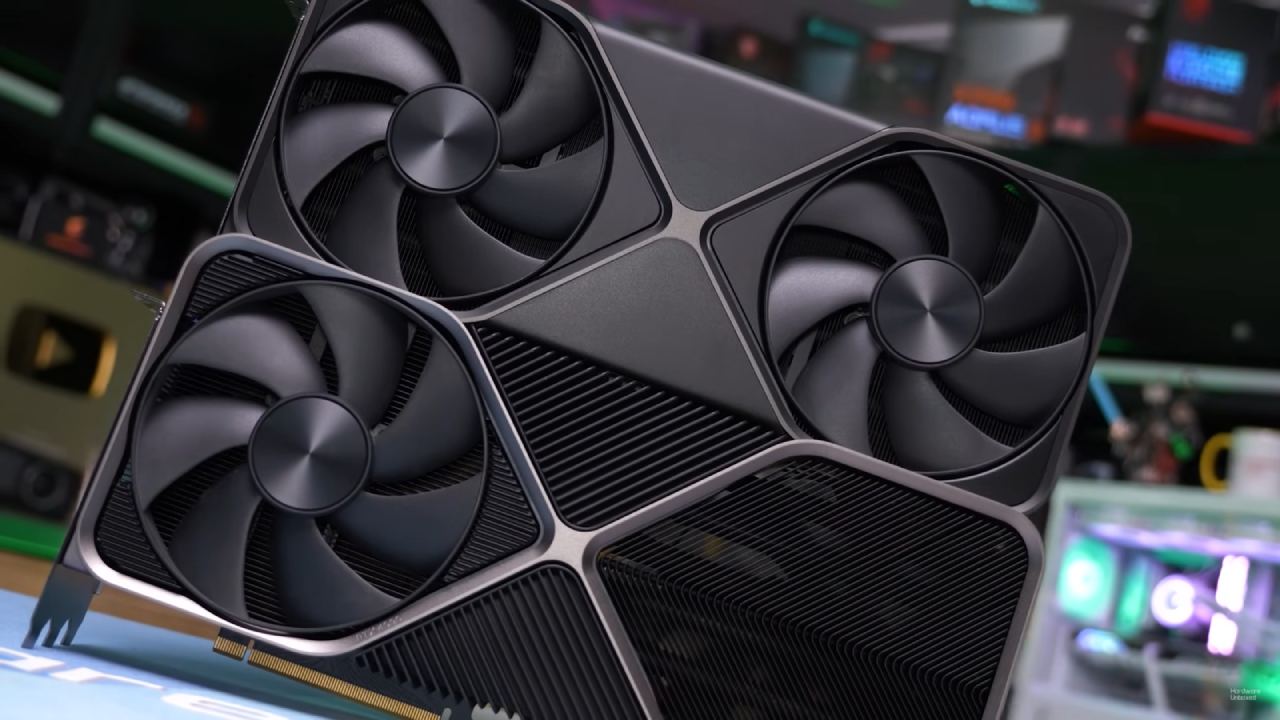
At this point, memory prices are more important than the GPUs themselves.
Prices for DDR5 have risen sharply due to demand from data centers,
AI workloads, and broader system upgrades. GPUs can handle some price rises, but system-level goods like consoles are much more susceptible to changes in memory prices.
The bigger worry is about the future, such as the RTX 60-series GPUs, the next generation of AMD cards, and the direction DDR5 prices are headed. Right now, mid-range GPUs are not causing any major problems.
It's understandable to be worried about rising costs and limited supply. Still, there is no evidence to support allegations of $5,000 RTX 5090 prices as a regular occurrence. Premium models may cost a lot when there aren't many of them, but for now, most people can still get them.
The situation is still evolving, and the price of memory will likely have a significant impact on hardware costs going forward. Right now, you need to be careful, but you shouldn't panic.
Editor, NoobFeed
Related News
No Data.