
God of War Sequel Leak Sparks Debate Over Gaming’s Growing Spoiler Culture
From Cory Barlog’s reaction to The Last of Us Part II fallout, you’re seeing how early leaks are reshaping how major PlayStation games are received before release.
News by Mahi Araf on May 18, 2026
Leaks in gaming have become so common that you almost expect major announcements to be spoiled before developers are ready. It’s gotten to a point where you’re seeing plot details, character reveals, and even entire project breakdowns surface online long before official announcements.
It used to feel like this kind of thing was more controlled. You probably remember a time when movie hype, especially around Marvel and Star Wars, felt more structured. But over time, that shifted into something messier. Instead of surprises landing in theaters or trailers, details started slipping out early. And now, that same pattern has fully taken over the gaming industry too.
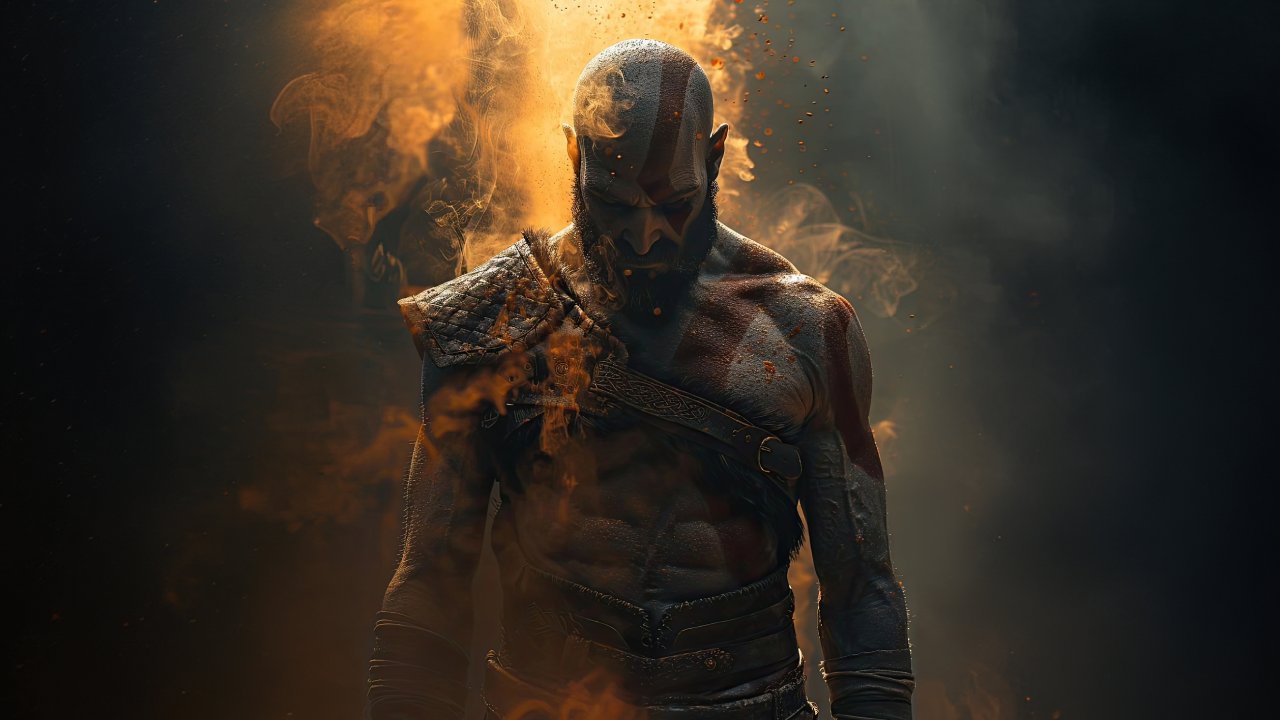
What you’re seeing today is almost a strange ecosystem built around leaks. Some accounts grow entirely off sharing insider information, and in some cases, it even starts to feel like companies are indirectly benefiting from it. The hype builds early, discussion spreads fast, and the “official” reveal almost feels secondary. For a while, it even seemed like there was an unspoken tolerance for it, as long as it kept attention on upcoming projects.
But that balance has clearly broken down.
Right now, Sony is at the center of that frustration. The latest example involves the next God of War project. You’re not getting official details yet, but leaks have already painted a picture of what it might be. According to circulating information, the game could be led by Cory Barlog and may not be a traditional mainline sequel. Instead, it’s being described more like a sub-series within the God of War universe.
The rumored setup puts you in control of Faye, set before the events of God of War 2018. The combat is said to lean into a faster, more Devil May Cry-style system, and the journey reportedly takes you through multiple mythologies. None of this has been officially confirmed, but the details have spread widely enough that they’re already shaping expectations.
A well-known leaker, Nate the Hate, has been tied to sharing these details, and that’s where a lot of the tension is coming from. Cory Barlog is not happy about the situation at all, according to rumors online. It’s not hard to understand why. If you’ve been working on a project for years and are close to revealing it properly, having the core idea leaked early takes away a lot of control over how it’s introduced.
You also see how this spills into the broader conversation online.
People start reacting to leaks as if they’re confirmed facts, and discussions take off before developers even get a chance to present their vision. In one instance shared online, Barlog even responded to a comment referencing leakers by saying he “totally supports that,” which shows how charged the situation has become.
At the same time, you’re also seeing pushback against how far things have gone. There’s frustration with leakers, but also concern about overreaction. Calls to punish or target individuals behind leaks are something many people don’t agree with, and there’s a sense that things can go too far in the other direction just as easily.
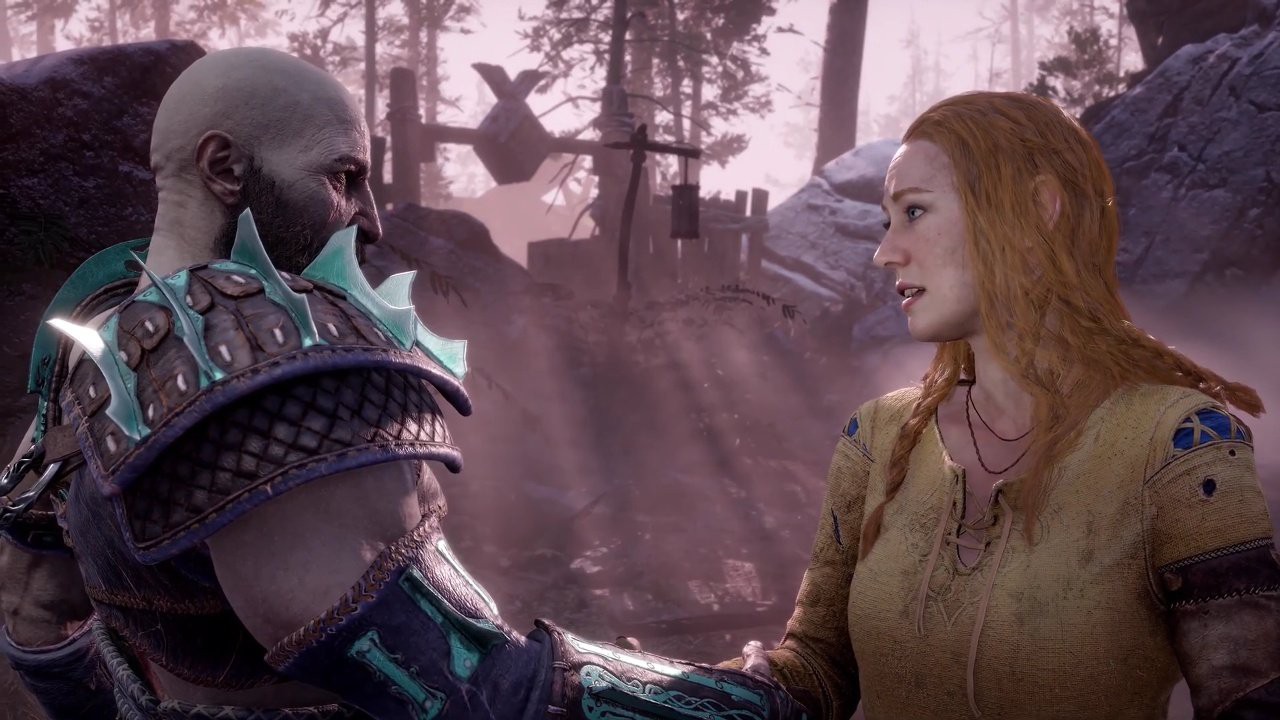
Still, the bigger issue Sony seems to be facing is internal control. When major projects are leaking this frequently, it raises questions about how information is being handled inside studios. If you’re working at a place like Sony Santa Monica, for example, there’s not much obvious incentive to leak something yourself, especially when announcements are already close.
There’s also a more human angle to it. Working on a game for years means you’re living with something you can’t freely talk about. Even casual conversations can become risky, because mentioning the wrong detail can spiral into unintended spoilers or professional consequences.
That’s part of why developers often stay quiet even when they’re around friends or former colleagues.
There’s a story that highlights this kind of mindset. Someone who had worked at Rockstar reportedly made it clear they didn’t want to discuss anything related to leaks at all. Not because they were being secretive for fun, but because even small comments could create problems. That kind of discipline is what studios rely on to keep major projects under wraps, especially for something as large as Grand Theft Auto 6.
But despite that, leaks still happen. And when they do, they don’t just influence hype cycles; they shape how games are received before launch. The Last of Us Part II is a common example often cited. Before release, large portions of the story and cutscenes leaked online. That included major plot points, not just vague hints. By the time the game launched, many people had already formed opinions based on incomplete or out-of-context information.
Even beyond the leaks, there’s also criticism about how the game was marketed. You were led to believe certain characters, like Joel, would play a larger role throughout the story, when that wasn’t really the case. That combination of marketing expectations and early leaks created a situation where reactions were already split before most players even started the game.
Since then, leaks have only become more widespread across the industry. And now, it feels like studios rarely get the chance to fully control the narrative around their releases. When information gets out, it goes viral and tends to shape early impressions, whether true or not.
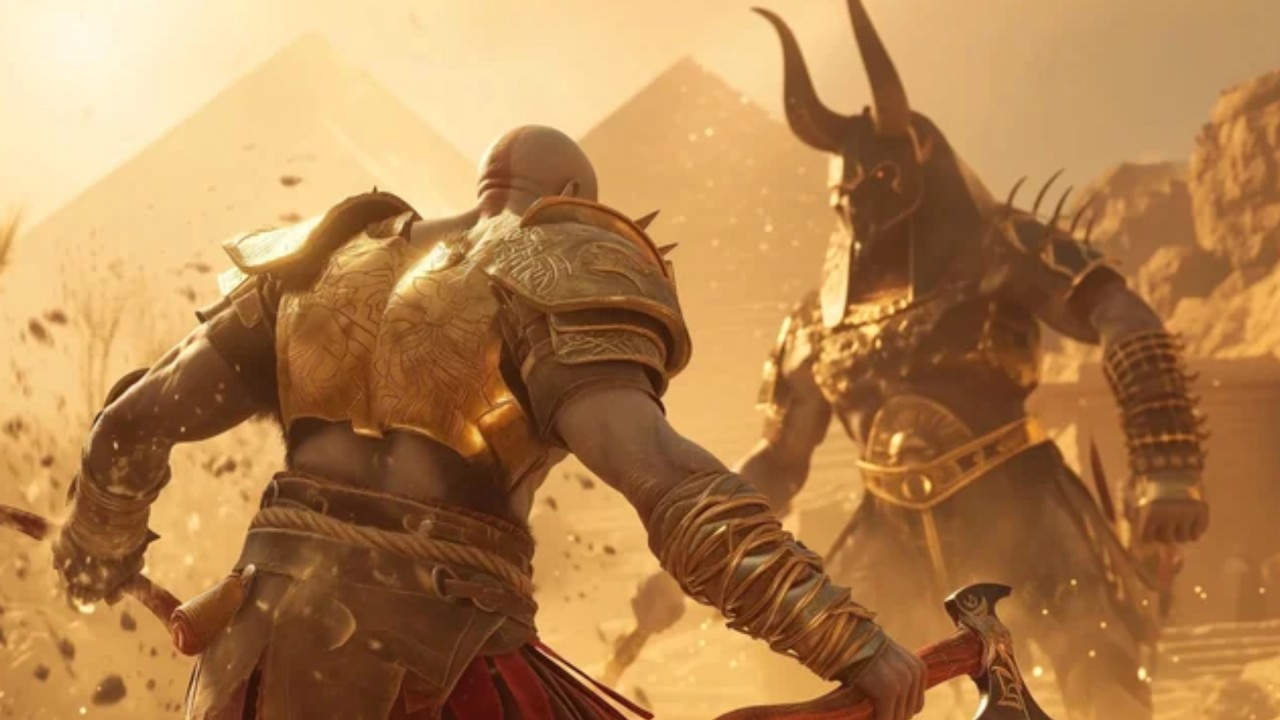
Despite all these challenges, there is still optimism surrounding Sony’s upcoming projects.
Even with the frustration around leaks, fans still expect the next God of War entry to be strong, especially given Cory Barlog’s track record. You’ve likely seen how well-received God of War 2018 was, and Ragnarök also had a strong reception, even if online debates about its story continue.
At the same time, Sony’s recent lineup hasn’t been perfect commercially. Some first-party releases haven’t performed as strongly as expected, which adds more pressure on upcoming titles to deliver. Outside of Sony, there’s also ongoing frustration in gaming discourse more generally.
Sometimes, smaller or shorter games can spark heated online debates in which the responses seem to have very little to do with the actual experience of playing the game. That’s just part of the current environment where people discuss, analyze, and argue about everything in real time.
In the end, what you’re seeing is a mix of frustration and inevitability. Leaks are not going away anytime soon, and companies like Sony have to deal with a situation that is already so entrenched in gaming culture. Whether it's future God of War news or past scandals like The Last of Us Part II, the effects of leaks still linger to this day and continue to shape how games are discussed long before they’re officially in your hands.
Senior Editor, NoobFeed
Related News
No Data.