
Halo Fans Revive Golden Era as Official Multiplayer Waits Far Off
From restored Combat Evolved cutscenes and a Wii port to Project Orion's physics-driven multiplayer, the community is showing why the series still has plenty to offer.
News by Adeela Tas on Sep 12, 2026
The Halo community is keeping the franchise busy with several fan projects that show just how much interest remains in the classic games. While the next official multiplayer experience could still be a few years away, fans are already building their own alternatives.
You have restored Combat Evolved cutscenes, the original game running on Nintendo Wii hardware, and a new multiplayer project focused on the physics and customization that made older Halo games so memorable. Also worth mentioning: there's fresh news on how much Halo Infinite actually earned in its first year, and people are starting to worry about what Nvidia's newest AI tech might mean for game development down the road.
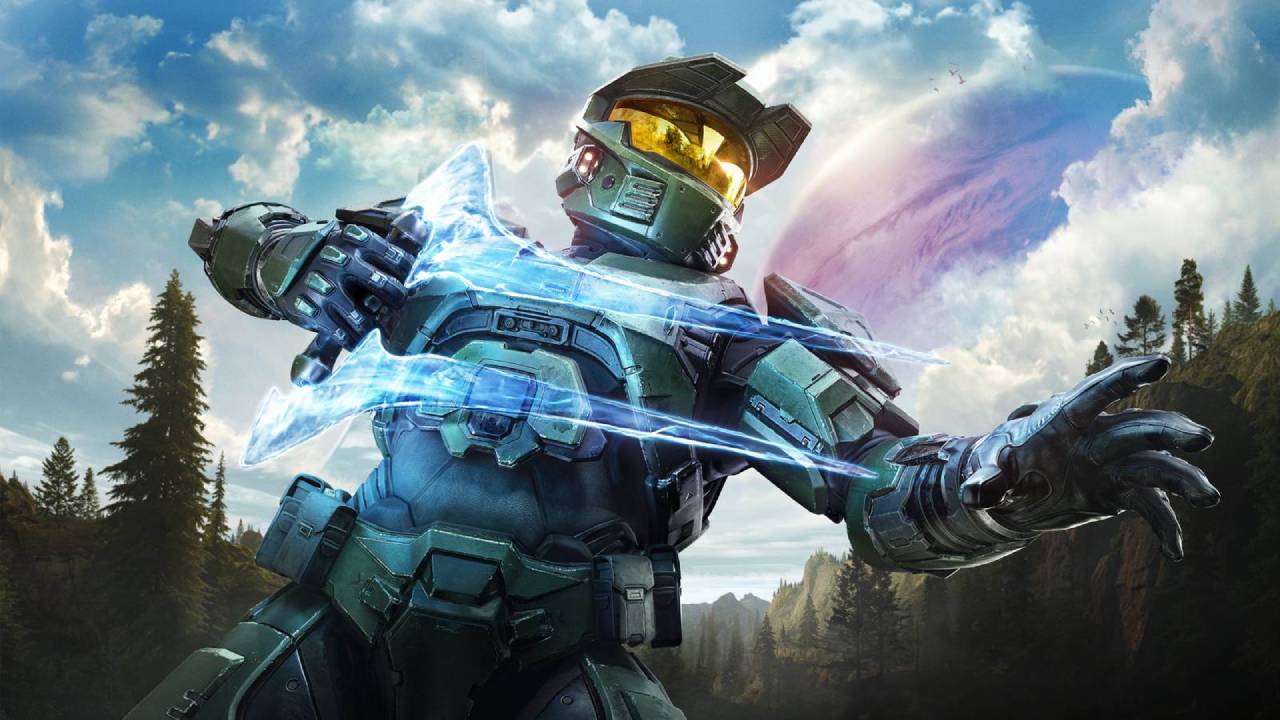
None of these developments gives you a confirmed look at the franchise's official future.
They do, however, show that the community is still very invested in what Halo can be. A LinkedIn post from a developer who spent eight years at Microsoft has provided an interesting figure connected to Halo Infinite. The developer described leading cross-functional production for tools and technology that support development and live multiplayer content, including coordinating between engineering and content teams.
The post said the ecosystem reached 200,000 concurrent players at its peak, though the game reportedly exceeded that figure during its Steam launch. More notably, it included an estimated $300 million to $500 million in gross revenue during the first year.
That is a huge amount, but it does not necessarily mean Halo Infinite was immediately profitable. The game reportedly spent around six years in development, with estimates placing its development cost somewhere around $600 million to $800 million on the higher end. Those figures are not confirmed financial results, so treat them as estimates rather than official numbers.
You also have to account for years of post-launch support. Halo Infinite continued receiving development and updates for another two to three years, while major layoffs happened around two or three years into its life cycle. There's also been talk that the game eventually turned a profit by the end of its lifecycle. That said, Microsoft hasn't publicly broken down the full costs and earnings involved.
This whole situation also puts a spotlight on monetization across Microsoft's bigger franchises.
Forza, Gears of War, and Halo are among them. Halo Infinite, in particular, took a lot of heat for its early microtransactions and customization setup, with plenty of players feeling like too much of the experience revolved around spending money. That makes Gears of War: E-Day's approach interesting.
With most unlockables reportedly earned through gameplay, it represents the kind of player-first customization that Halo fans may want to see in the next multiplayer game. The hope is that future Halo customization gives you plenty to unlock simply by playing instead of constantly pushing purchases.
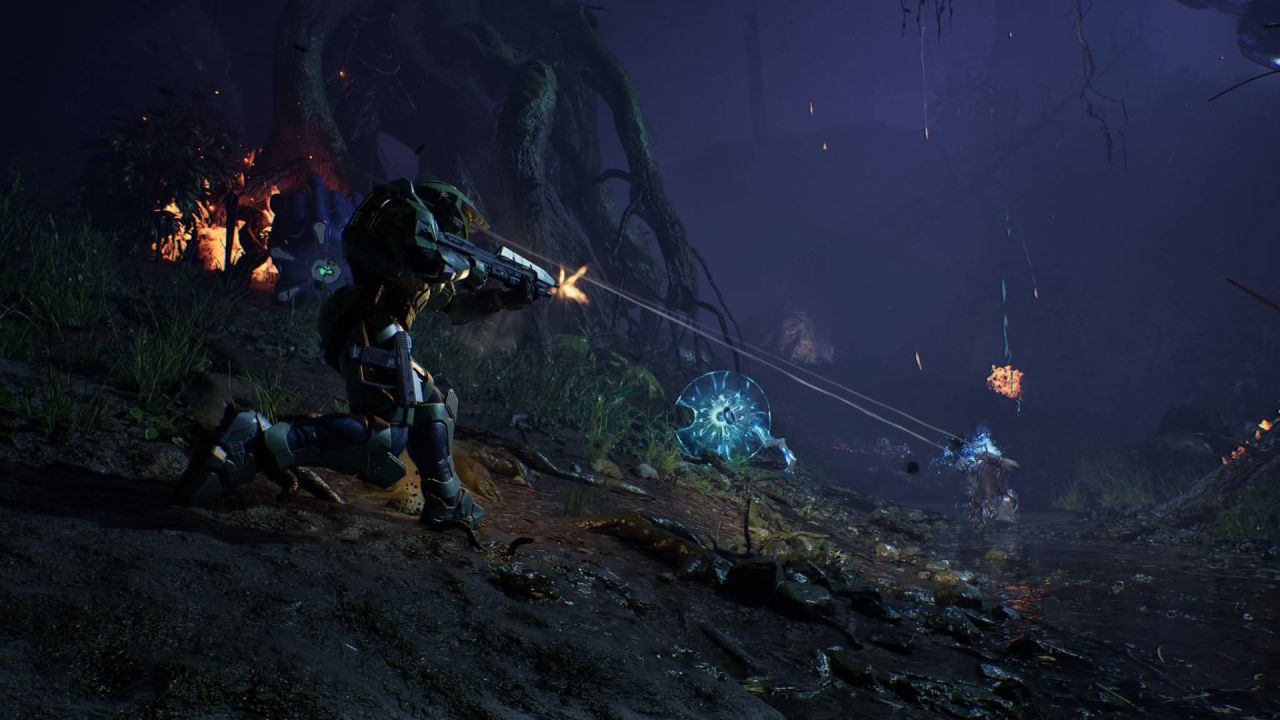
As for the next official multiplayer release, expectations point to roughly two to three years away. An announcement at a future Halo Fest 2026 has been suggested, but no date is confirmed. A launch within 18 months would be earlier than expected, while waiting longer would give the developers more time to build the experience properly.
While that future remains unclear, fans are already working on the older games. One notable project involves restoring cutscenes from Halo: Combat Evolved. The fan project focuses on bringing back some of the original presentation after the Halo: Combat Evolved Anniversary used video-based cutscenes. That change matters because the original game allowed more interaction around cinematic moments.
You could move vehicles into strange positions and create unexpected situations, which became part of Halo's campaign identity.
The remake's cutscenes also created a file-size problem because they were not compressed particularly well. They made up a significant part of the download, leading fans to create mods that reduced their size shortly after release. A team is currently restoring a handful of standout scenes.
Two stand out: the opening of Assault on the Control Room, and the bridge sequence from Halo's second mission. The first is arguably the campaign's most memorable moment. The second does something quieter but just as important; it's where players first really feel the ring's alien design and unsettling atmosphere.
The bridge scene is particularly useful because it gives you an important visual introduction to the world. It is your first time underground, and the energy bridge helps communicate that you are exploring an unfamiliar alien structure. Removing a scene like that changes how the campaign establishes its atmosphere.
Another fan project is pushing the original game in a completely different direction by getting it running on the Nintendo Wii. The project has required significant optimization and compression, but footage has already shown sections such as Assault on the Control Room running with relatively stable performance. The Silent Cartographer has also been demonstrated.
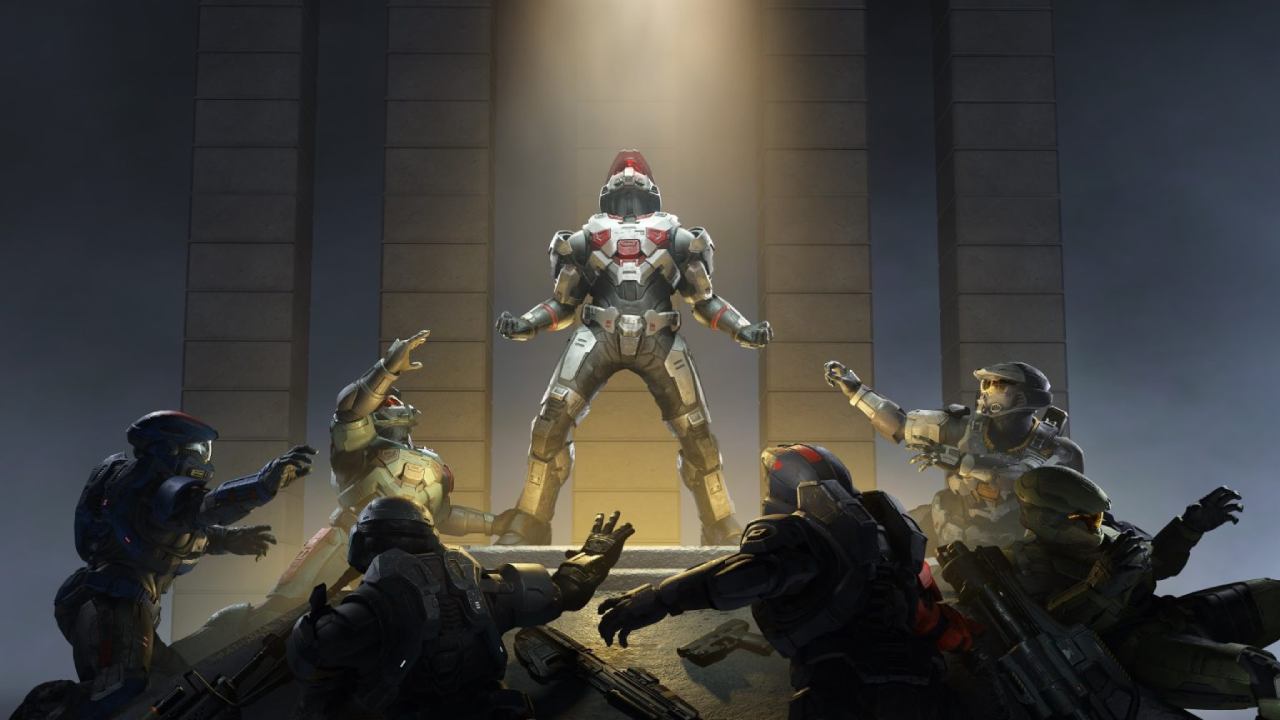
The biggest compromises involve compressed textures and other technical adjustments required to make the game work on older hardware.
Another challenge is adapting aiming to the Wii Remote and Nunchuk, since the original game was built around a traditional controller. The community is also looking at AI, although this development has produced a much more cautious reaction. Nvidia's DLSS 5 has been used to alter Halo 3 and Halo: Reach cutscenes, producing an extremely AI-generated appearance.
The footage is deliberately pushed to an extreme, so it may not represent what a major developer would actually ship. Still, it raises a broader concern about AI becoming increasingly involved in game development. Using AI as a development tool is one thing. Replacing artists or using the technology to take shortcuts is another.
For a franchise like Halo, where visual design, animation, and cinematic presentation are key parts of the experience, concern about maintaining quality is understandable. Finally, Project Orion is giving fans another reason to pay attention. Master Cheeto is developing the fan-made multiplayer project and focuses heavily on the physics associated with classic Halo.
One person is working on Project Orion and currently spends about a day a week on it, yet the planned feature list is surprisingly ambitious. The project aims to recreate Halo 3-style physics, including throwable fusion coils, water that reacts to players and bullets, and melee interactions designed around the older games' movement.
It will also support split-screen multiplayer on PC, something that has become uncommon in modern releases.
Customization is another big piece of the puzzle, with an in-depth system in the works that'll give players plenty of ways to make their characters and gear feel like their own. That emphasis is especially notable because Halo Infinite's original customization system became one of its most criticized features.
Players weren't happy with how customization got tangled up with monetization, and some fans started jokingly calling the free battle pass the "Moochers of Reach." Halo Infinite's numbers also remind us that player counts alone don't tell you much about a live-service game's health. A big launch can pull in huge crowds, sure.
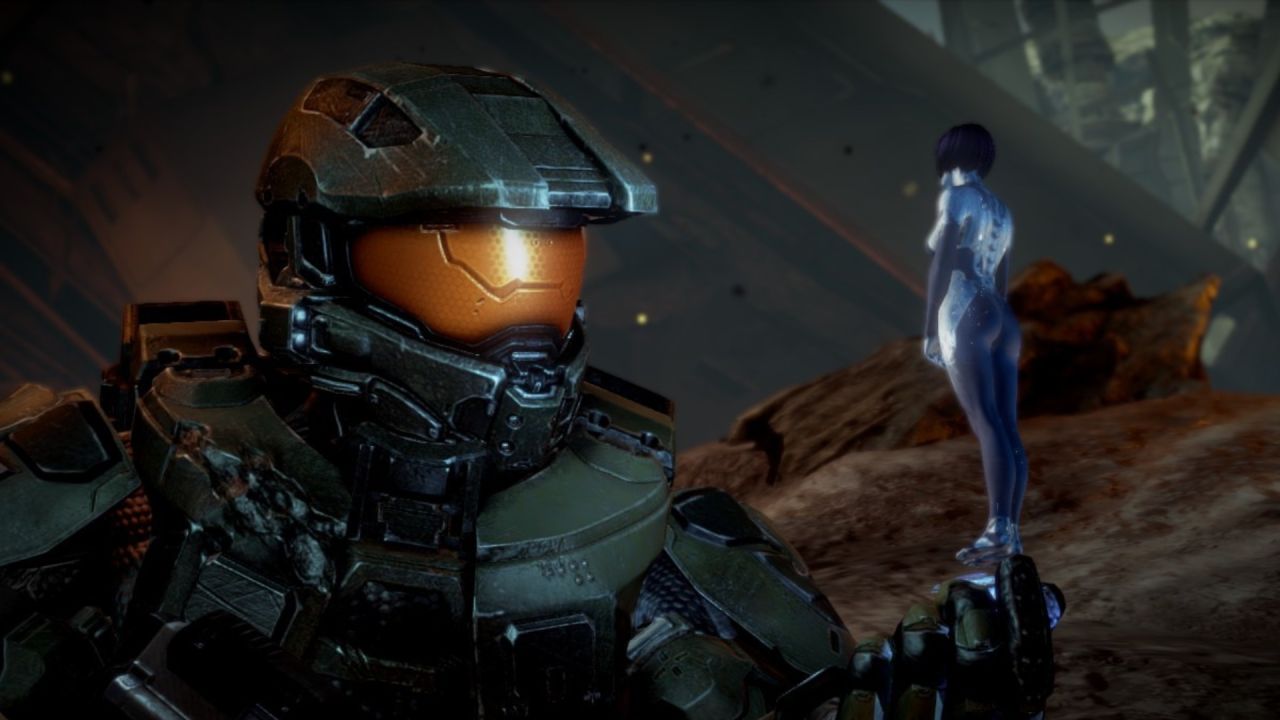
But keeping those people around is a different challenge entirely; it takes years of updates, new content, real support, and, honestly, a reason to keep coming back. So that first-year revenue figure everyone talks about? It's really just one piece of a much bigger puzzle. And for Halo Infinite specifically, that early monetization backlash ended up coloring how players felt about everything else in the game too.
Even when the core gameplay was praised, the surrounding systems could overshadow it. A future multiplayer release can therefore learn from those problems instead of repeating them. That is also why the community projects matter. A fan restoring Combat Evolved scenes focuses on preservation, while Project Orion focuses on recreating a multiplayer style many players feel has gradually disappeared.
The Wii project takes the same spirit into technical experimentation.
For Halo Infinite, customization eventually improved, but the initial reaction showed how quickly players notice when systems appear designed around monetization first. The next official Halo multiplayer release can avoid that problem by making earning cosmetics, experimenting with physics, and simply playing with friends meaningful parts of the experience.
The project is currently targeting mid-to-late 2027 at the latest, although that is not a confirmed launch date. The developers are also taking their time to get it right instead of rushing things out the door, which makes sense given how ambitious this project has become. Nobody really knows when the next mainline Halo game will actually show up. Until then, though, projects like this keep that old-school formula alive for fans who miss it.
Editor, NoobFeed
Related News
No Data.