

Halo's Future After XBOX's Recent Studio Cuts
A closer look at why the biggest name in the company's lineup keeps falling short of its own legacy.
News by Adsey on Jul 03, 2026
With everything currently going on at XBOX, one thing keeps coming up in every conversation: Halo. And honestly, that makes sense, because it sits right in the middle of this entire mess. You're looking at one of the biggest gaming franchises ever made, and yet it keeps missing the mark it should be hitting.
Whether or not you personally connect with every entry, you can't deny that where the series currently stands doesn't match where it should be. So is any of this recent round of studio cuts secretly about pumping more resources into the franchise? It's starting to look that way, and depending on how you see it, that could be read as either a smart move or a pretty ugly one.
.jpg)
Journalist Jez Corden weighed in on the situation.
He addressed the rumor mill that had been swirling around Obsidian. According to him, there's no active plan to shut Halo Studios down, but the company is reportedly scrutinizing how the franchise is being managed at every level, and some of the recent budget cuts appear tied directly to repairing its foundation.
This lines up with something the company said just days before the wave of closures started making headlines, that overall spending wouldn't shrink, it would just get redirected elsewhere. You can believe that claim or not, and you've probably heard similar promises before.
But there's likely some truth buried in there. That doesn't mean you have to be okay with studios like Compulsion or Ninja Theory getting caught in the crossfire; none of that sits right, and there's been plenty of coverage already making that clear.
Still, if a studio is being funded and then gets shut down, that money doesn't just vanish into a vault somewhere. It probably gets pushed elsewhere, likely toward reinforcing whichever franchises are considered core pillars, Halo, Gears, and Forza, along with a couple of Bethesda properties like Fallout and Elder Scrolls.
Outside of that shortlist, the rest of the portfolio just doesn't seem to get the same level of priority.
So when a handful of studios get closed down, it's not hard to connect the dots that funding is likely getting rerouted toward strengthening this particular franchise. This brand owns one of the most valuable pieces of intellectual property in gaming.
The kind of other companies would go to shady lengths just to get their hands on, and yet you'd barely know it from how things have performed lately. Think back to when it actually felt like a system-seller. Picture yourself in a middle school lunchroom, sitting with two lifelong friends who insisted you needed an XBOX for one reason only: Halo.
.jpg)
That was the entire pitch, alongside party chat and everything else that came with it. Eventually, you might've ended up on PlayStation instead, as plenty of people did, but you still played through it and understood exactly why it mattered so much.
Now, try picturing that same conversation happening between kids today. It's hard to imagine a modern middle schooler debating this franchise versus Uncharted, mostly because Uncharted barely exists as a conversation anymore, either.
The entire landscape has shifted, but that doesn't mean the franchise has lost its potential to be massive again.
It's just not living up to what it should be. You're less than a month away from the Halo 1 remake, and that alone is a big deal. The next mainline entry will be a big deal too. Infinite was treated as a big deal when it launched. But it's worth asking honestly whether any of these moments hit as hard as they should have.
The remake is exciting, sure, but it's still just one game holding up an entire franchise's reputation. There's also the management side of things, and honestly, it hasn't been handled particularly well over the years. Halo Infinite wasn't a bad game by any stretch.
It was arguably better than the fifth mainline entry, even if the fourth still holds a special place for a lot of longtime fans. But being decent wasn't enough to give it the spark it desperately needed. Infinite was supposed to function as a live-service hub for everything going forward, and that plan completely fell apart.
Maybe that was for the best in hindsight, but the larger point stands: the planning collapsed, 343 cycled through version after version, and the franchise never really found a solid footing again. It's been years since Infinite released, and only now is a remake finally arriving as a follow-up.
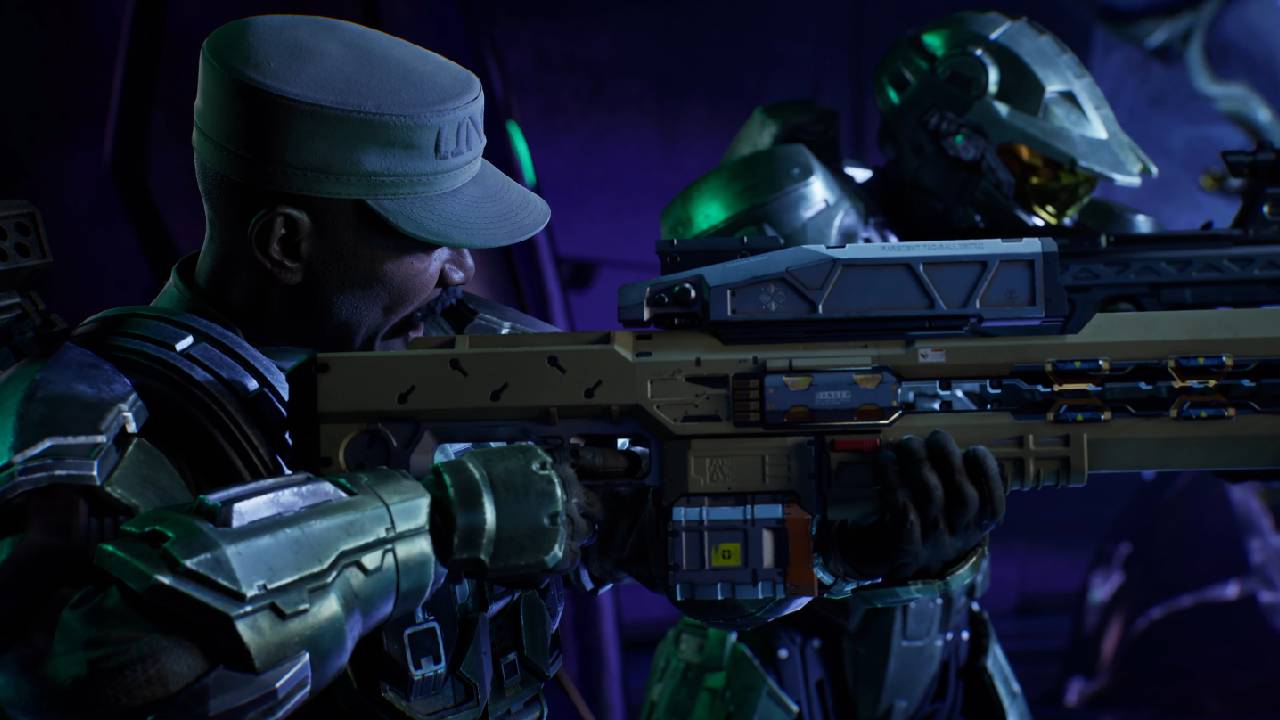
That's a step forward, sure, but Infinite still didn't accomplish what it set out to do.
Before that, the fifth entry missed its mark too, and you could even argue the fourth fell short of expectations in its own way. At this point, you're looking at over a decade of Halo failing to reach its full potential. So when you hear about a new mainline game, a possible MMO, or some battle-royale spin-off supposedly in development, it's fair to wonder how many people are genuinely confident any of it turns things around.
None of this means anyone wants people losing their jobs over it, and nobody's saying Double Fine needed to be sacrificed to fix these problems. Smarter decision-making from the start could've avoided a lot of this. There were more productive paths available, and these systemic issues could've been caught far earlier.
This isn't even a new problem, either; it stretches back further than just the current console generation. The decline has been building for a long time, which is wild considering it used to be a genuine system-seller fifteen or twenty years ago. It arguably still has that potential, but right now, it isn't reaching it.
There's still time to turn things around. Comeback stories happen all the time in this industry, and second chances are real. But this franchise has already had several opportunities to bounce back, and each one has come up short so far.
So simply saying the company plans to invest more in Halo, Gears, or Fallout doesn't mean much on its own.
Each of those franchises is dealing with its own version of the same core issue, and just throwing extra funding at the problem isn't a real fix. If XBOX genuinely wants these sacrifices to mean something, and to be clear, shutting down any of these studios in the first place feels like the wrong move, then the systemic issues actually need to be addressed.
Handing teams a few extra tens of millions of dollars a month, funded by shuttered studios, isn't a solution by itself. The root problem needs fixing, and part of that root problem is simply how slowly these games get released. Halo, Gears, Fallout, and Elder Scrolls all share the exact same issue: over the last decade, none of them have released content anywhere near fast enough. That pace needs to pick up significantly.
Doing that requires real long-term planning and structure, along with a clear vision that actually gets followed through on. Look at what Cory Barlog reportedly did with God of War; there was a defined, multi-year vision mapped out years in advance, and the team stuck with it.
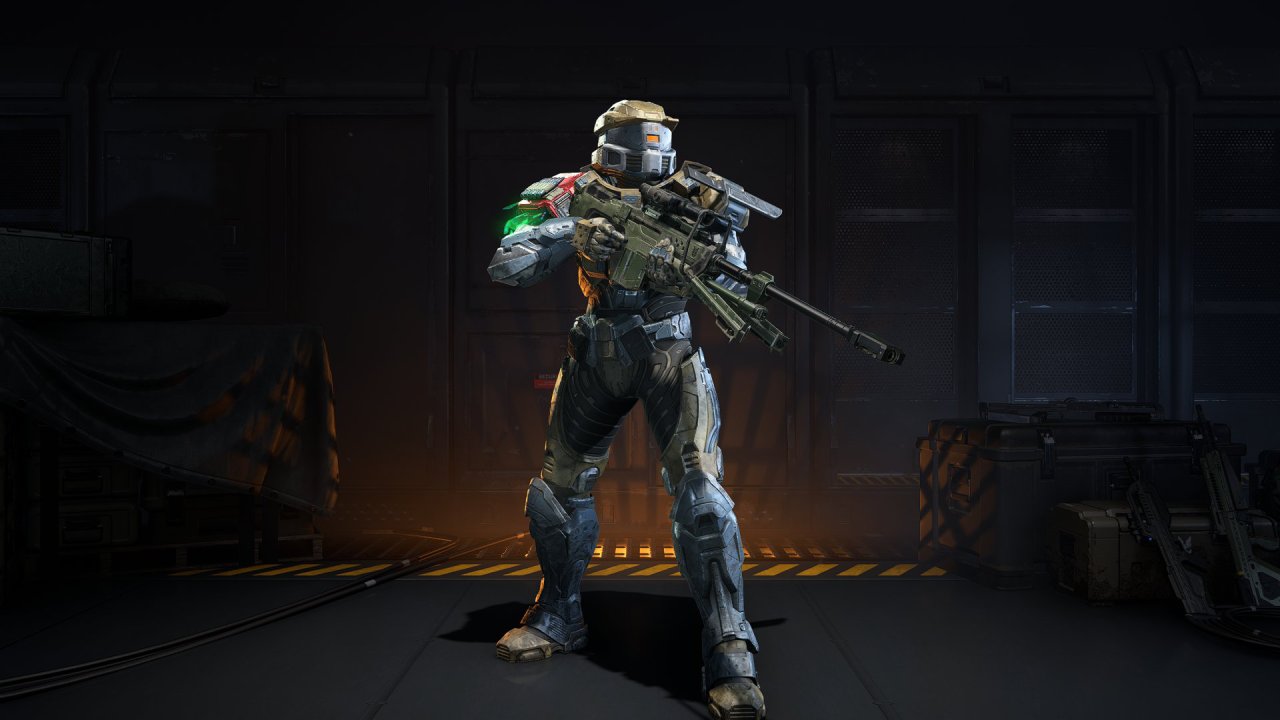
That's the kind of commitment these franchises need going forward. Gears likely just needs faster releases to get back on track. Fallout and Elder Scrolls need the same thing. And this particular franchise specifically needs to return to its roots and figure out what actually makes a good entry feel like a good entry, then deliver on that more consistently than it currently does.
Even the television series couldn't escape this pattern.
Every third or fourth episode across both seasons hinted at real potential, but as a whole, the show fell flat. That's the frustrating part; there's every advantage available here. It could dominate as a game franchise, expand into film, and succeed on television. Instead, even the TV adaptation completely fell apart.
So at the end of the day, nobody's asking for Tim Schafer or the future of Costume Quest to be sacrificed in the name of fixing this mess. It's genuinely unclear what shutting down a studio like that has to do with saving Halo in the first place, but for the company, it apparently factored into the decision somehow. Either way, it's time for the systemic issues to actually get sorted out.
Editor, NoobFeed
Related News
No Data.