
Hollow Knight: Silksong Getting a Bad Press for NO Good Reason
The surprise launch by Team Cherry has angered other studios, rekindling old arguments about fairness, timing, and pricing in gaming.
News by Nusrat Choity on Sep 17, 2025
Hollow Knight: Silksong is the reason the gaming world is buzzing again. The long-awaited sequel from Team Cherry has not only gotten the attention of millions of fans, but it has also caused a stir in the game development industry. What was supposed to be an excellent moment for indie gaming has instead caused more problems between studios.
Some are upset about the game's price and the fact that it came out so suddenly. Sources say that studios had already expressed worries about Silksong's low price of $20. Some people thought it was disruptive that Team Cherry chose to keep their flagship sequel affordable in an age when many big releases cost more than $70.
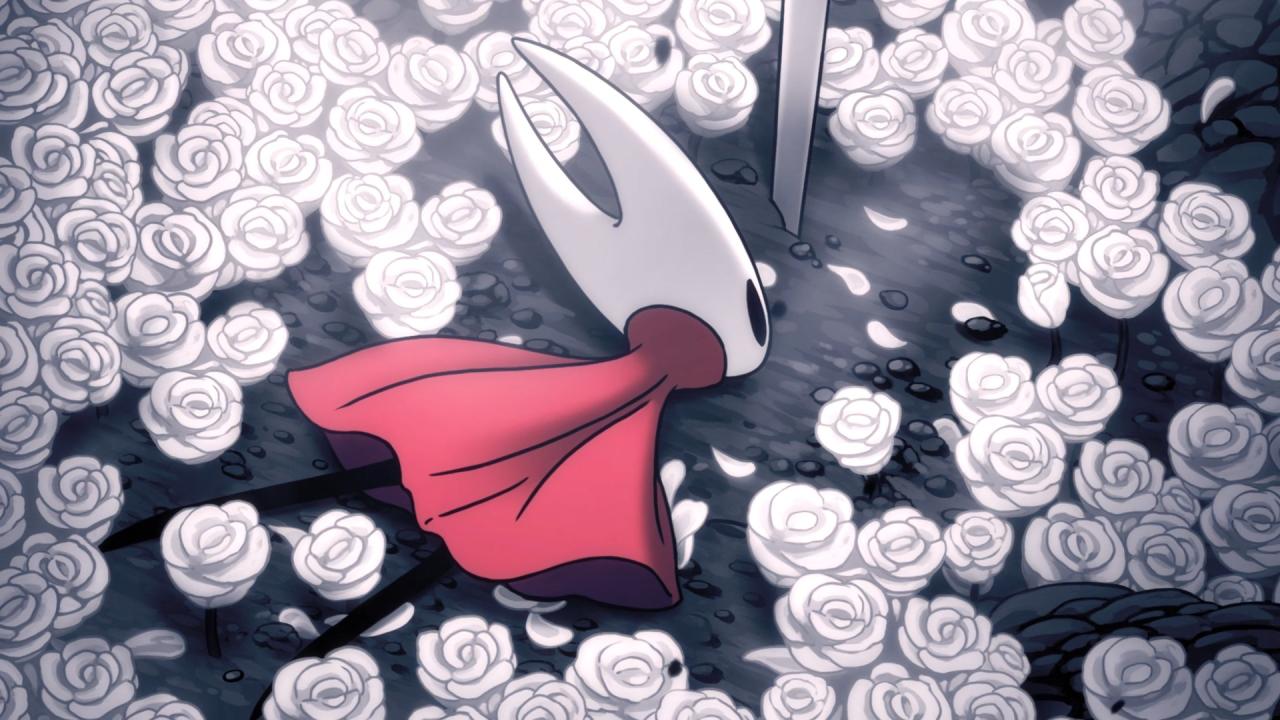
Developers said that making things cheaper could make their more expensive projects look less appealing. Fans liked Team Cherry's approach because it was suitable for customers, but people in the industry who make a lot of money off of high prices weren't happy about it.
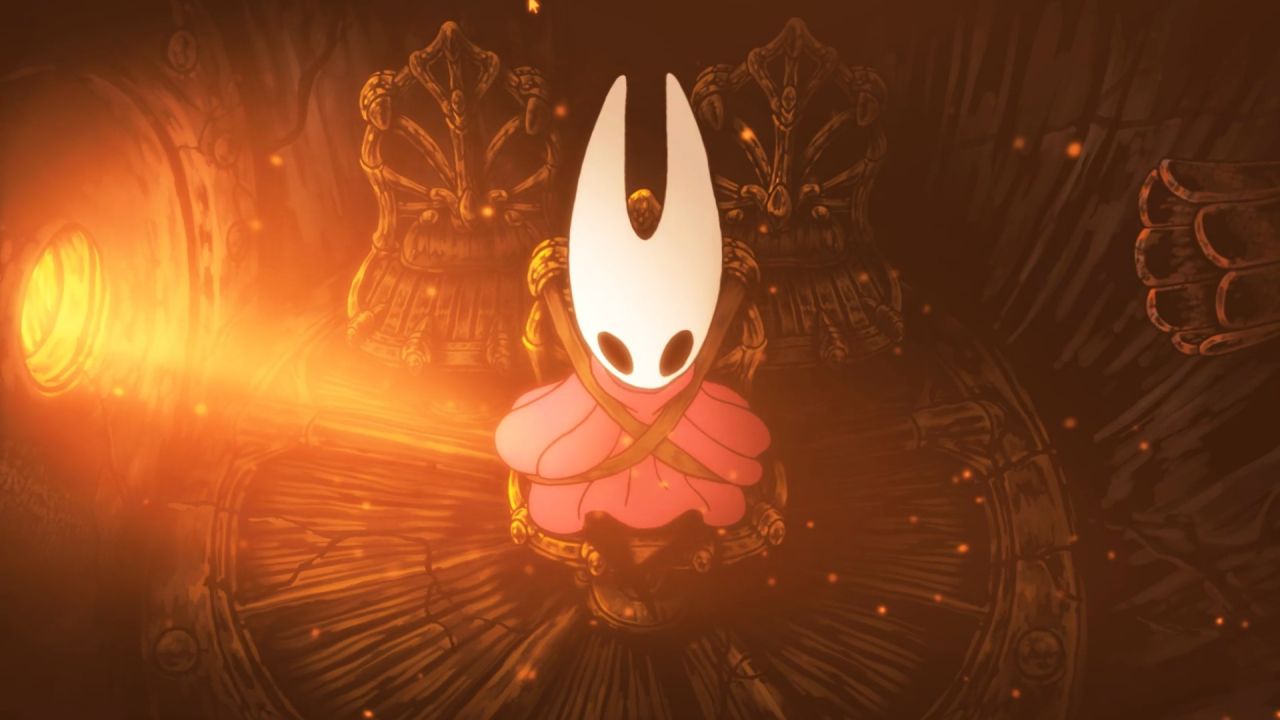
There is now more controversy about how Silksong got into the market. The game came out as a surprise shadow drop, which skips the long promotional build-ups and puts a highly anticipated title right in players' hands. Fans were overjoyed, but competing companies, some of whom were getting ready to release their own games, were shocked .
A number of developers are said to have rushed to change their release dates to avoid competing with the huge anticipation around Silksong. Some even put off their games entirely. The creative director was one of the most vocal opponents of Hell Is Us. They branded Silksong the "GTA 6 of indie" and stated the shadow drop was "a little callous".
He said that Team Cherry's move took attention away from lesser games, like his own, which came out on the same day. He said that the sudden release of such a highly anticipated sequel made it hard for their game to get noticed in the crowded release window.
However, the timeline reveals that things are more complex. There had been hints about when Silksong would come out for months, and several leaks and confirmations pointed to a 2025 release. Developers planning their own releases found it more difficult to decide on a release date because September was always a possibility.
According to some industry insiders, teams should have anticipated this and adjusted their plans accordingly. According to the theory, studios were still in charge of their own launch strategies even though Silksong's shadow drop caused issues.
According to reports, Hell Is Us members talked about delaying their release to avoid direct competition. The squad chose to remain with the original date in the end because they believed their game could handle the storm. Sadly, this bet may not have been worth it. Hell Is Us was released with minimal fanfare and had mediocre reviews, with an average score of 77. It was hard for a new IP to stand out when it was competing against big names in the business like Silksong.
Since then, people have compared it to other shadow launches that did not go as well. Oblivion Remastered was dropped earlier this year, the same week as Expedition 33, another game that people were really looking forward to. Even though the two games were similar, they both did very well, with Expedition 33 selling over 4.4 million copies.
Industry experts say that the main difference was how people reacted to the two games. Expedition 33 was very well received, but Hell Is Us didn't get the same level of excitement. The comparison shows that even though shadow drops can be bad for business, strong games with a lot of momentum can still do well.
The argument emphasizes that the gaming industry has more serious problems. On one side are developers like Team Cherry, who value surprise, innovation, and making things easy to get to. Some studios, on the other hand, still use traditional pricing and careful promotion.
When these views clash, problems arise—not due to one being right and the other wrong, but because the stakes are so high in the competitive market. As things calm down, there are still questions about how studios should deal with these kinds of disruptive launches.
Should developers make their schedules more flexible to deal with unexpected competition? Should the gaming industry change its rules to accept that surprise releases are now a regular part of the business? Or should developers have an unspoken rule not to outshine each other?
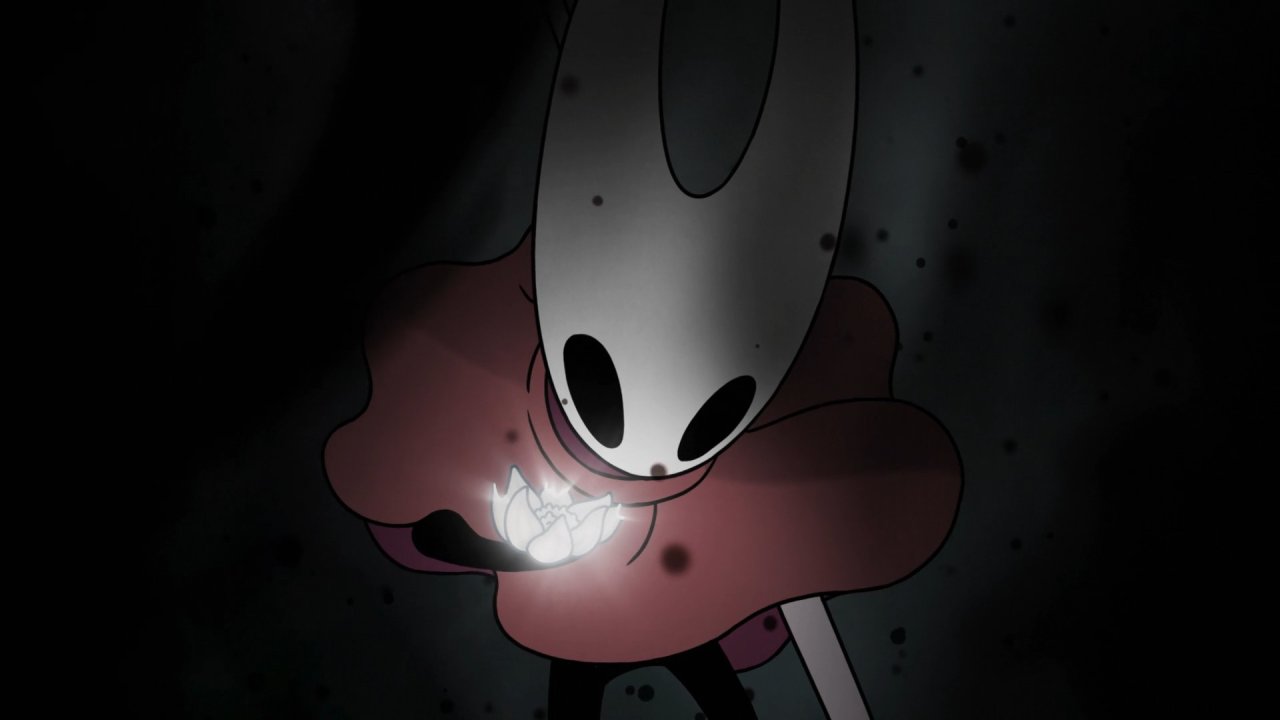
Hollow Knight: Silksong has once again shown that it can shake up the business. The game is breaking the rules, prompting other companies to rethink their game release strategies, whether it's by offering a low entry price or implementing a shadow drop strategy.
The real question now is whether other studios will learn to deal with the new situation or keep blaming others when they get caught off guard.
Will studios be ready for the next significant shadow drop, which will almost certainly happen, or will history repeat itself?
Contributor, NoobFeed
Related News
No Data.