
Naughty Dog's Intergalactic Faces Creative Fatigue Over 6-Year Cycle
Six years into development, Naughty Dog's sci-fi shooter may already feel outdated by the time it finally releases.
News by Mymunah Tasnim on Aug 21, 2026
You've probably heard whispers about Naughty Dog's next big swing, and honestly, the news isn't great. What was once hyped as a massive release now doesn't even have a solid date attached to it. Word going around is that production has been rocky, with a chunk of resources reportedly pulled away to work on The Last of Us Online instead of pushing this new project forward.
A former Naughty Dog developer is now speaking out, and the picture he's painting isn't pretty. According to him, by the time this game actually hits shelves, it's going to feel like it showed up half a decade too late. You've probably already seen the mixed reactions online too.
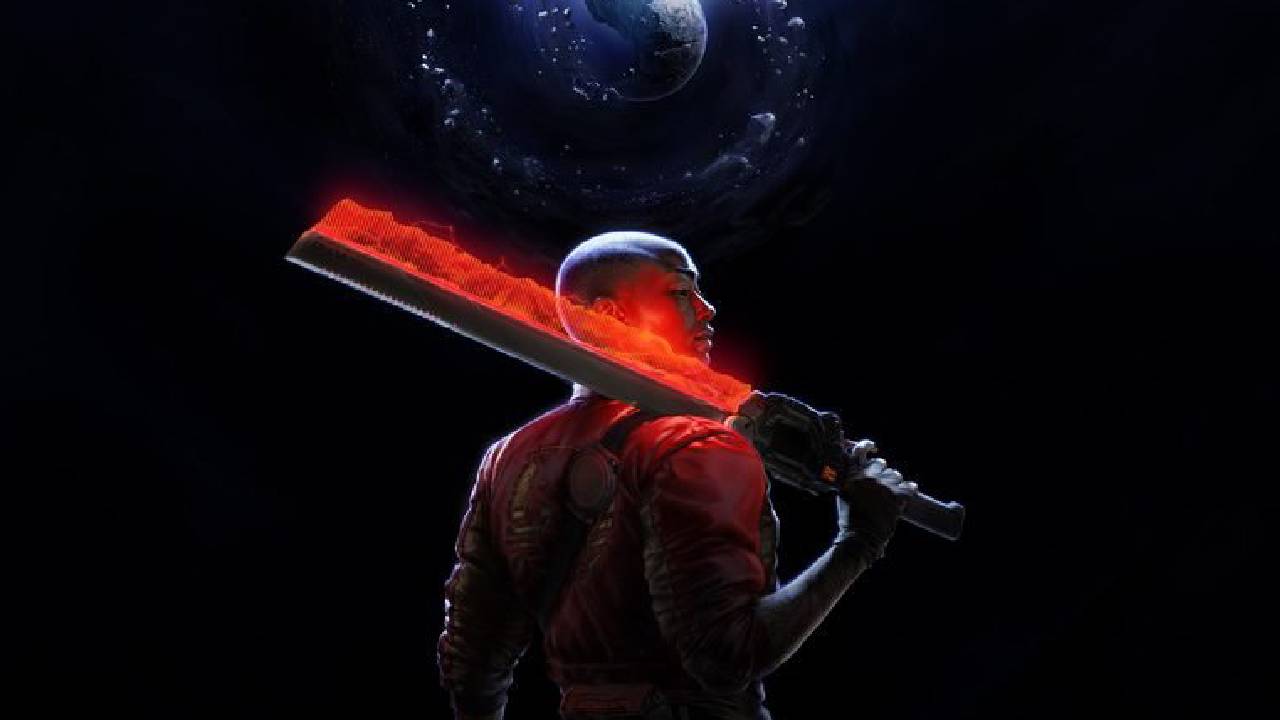
Naughty Dog's shaky reputation makes new project skepticism worse, not better.
Between the backlash Naughty Dog took after The Last of Us Part II and the lukewarm response to early looks at this new title, you can tell the goodwill isn't exactly overflowing right now. People are picking apart everything they've glimpsed so far, and it's not doing the studio any favors.
The entire gaming industry is going through something weird right now. Studios are trying to make cheaper games while simultaneously cutting staff left and right. Even Bethesda, which reportedly never laid off workers before, started doing so once Microsoft took over and folded it into the corporate structure. It's becoming the norm rather than the exception.
You have to understand why this keeps happening. Games have gotten absurdly expensive to produce, and development cycles are stretching out to five, sometimes ten years for major titles. By the time these things finally launch, a lot of the excitement has already evaporated.
So studios end up either canceling projects outright or rushing out something unfinished because they feel pressure to ship anything at all, especially after pouring hundreds of millions of dollars and armies of staff into production. Budgets ballooning past two or three hundred million dollars aren't rare anymore.
Ballooning budgets aren't new; Final Fantasy XIII faced the same backlash.
You might remember something similar happening with Final Fantasy XIII decades back. When that game got announced, Square teased an entire lineup alongside it, including spinoffs that would eventually become separate entries.
Fans were furious because, back then, announcements usually meant a release within a year, not several years of radio silence. When it finally dropped, a lot of people felt it didn't live up to the wait. One of those spinoffs eventually got rebranded entirely because so much time passed that it made sense to slot it into a whole new console generation instead.

That pattern keeps repeating across the industry now. Games take too long and cost too much, which is exactly why studios keep trimming their workforce. It's not random cruelty; it's damage control. Executives know that throwing more money at a project doesn't guarantee it'll sell.
Titles such as Palworld and Vampire Survivors have demonstrated that even games with smaller budgets are capable of exceeding expectations, while other titles that are huge cost-wise might fail. As for Naughty Dog specifically, the last thing they actually put out was a remastered version of The Last of Us Part II back in 2024.
A former designer now warns Naughty Dog against repeating that same mistake.
To one former designer who worked on both The Last of Us and Uncharted, that gap is a warning sign. He's since moved into consulting work and is urging his old employer to avoid dragging out the next release the way past projects have dragged.
The sci-fi adventure in question has apparently been in development for six years already, with no confirmed release window in sight. There's a real possibility it won't land until the next PlayStation generation. According to this insider, the studio's current release pace just isn't sustainable long-term.
You might wonder why layoffs keep hitting so hard across the industry. Consider a Canadian studio that reportedly got shut down after spending five years working on a game with barely anything to show for it, despite employing around a hundred people the entire time.
That's five years of salaries with essentially nothing shipped, and companies simply can't keep absorbing costs like that until a product finally generates revenue. Looking forward, expect studios to lean toward producing more titles, faster and leaner, because dropping three hundred million dollars on a single game doesn't guarantee a billion-dollar return.
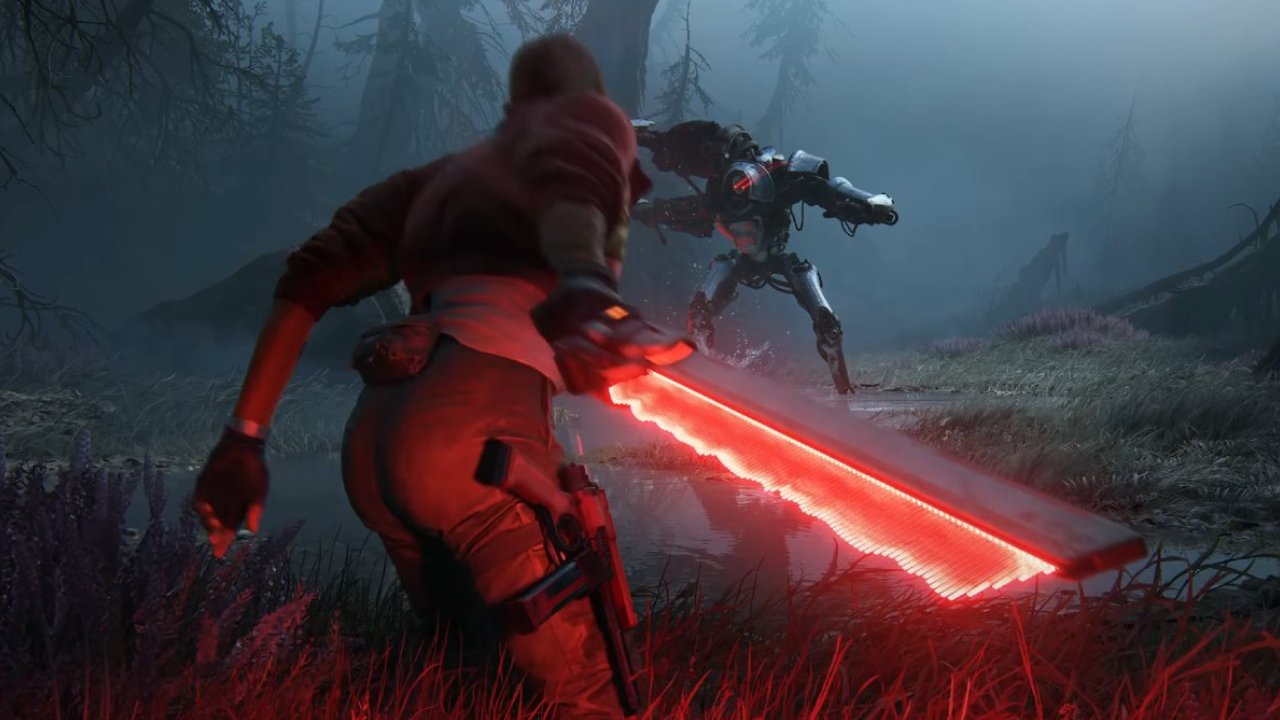
Even insiders doubt this development pace can survive another release cycle.
Grand Theft Auto VI might be the rare exception to that rule, but it's not the norm. Think back to how Final Fantasy used to operate. Square used to release entries roughly every couple of years, with smaller teams and more modest scope, yet the games still held up.
Now these projects have become so massive they resemble full-blown films, sometimes taking longer to finish than it takes Hollywood to produce big-budget blockbuster movies. A lot of modern releases end up feeling more like interactive cinema than actual games.
According to the insider, Naughty Dog is one of the key names that historically helps sell PlayStation consoles, yet this current console generation hasn't seen a single original IP from them, aside from remasters tied to The Last of Us.
His theory is that the extended development cycle mirrors what happened with The Last of Us Part II, where an otherwise tight narrative got stretched across bloated, overstuffed gameplay systems. He suspects trimming could genuinely help the final product.
Beyond pacing, the game's setting and combat mark a real departure.
There's also concern about the shift in setting. Naughty Dog built its reputation on grounded, earthbound environments, whether that's rugged American landscapes or vibrant island backdrops. Jumping into an interstellar setting is a significant departure.
On top of that, the combat style reportedly leans more brutal and aggressive than the studio's usual approach, which typically favors strategy over savagery. It's a notable shift for a team known for more calculated action sequences, even if their mascot has always looked a little unhinged in his own right.
.jpg)
You can also draw a comparison to Starfield's rocky reception, since space-themed titles have had a rough track record lately. It raises questions about why studios keep chasing that genre despite repeated stumbles. Even years after the first Uncharted launched back in 2007, Naughty Dog was cranking out sequels and spinoffs annually. Even then, the insider recalls the studio struggling to nail down satisfying melee combat.
He describes it as an enormous investment of time and resources just to get brawling mechanics right. Now entering its seventh year in the oven, this upcoming release has become something of a symbol for a much wider industry problem: sluggish, drawn-out production timelines that seem to be everywhere lately.
Naughty Dog isn't alone; delays like this plague the whole industry.
Grand Theft Auto VI is famously years behind where fans expected it. Fable got pushed back to 2027 despite being announced back in 2020. Even a remake of Max Payne 1 and 2, not an entirely new game, has been in the works for four years with no clear end in sight.
Trimming seven-year development cycles down to five should be realistic. After all, nailing down a clear creative direction early on shouldn't be this difficult. Without that focus, teams risk falling into chaos from staff turnover, shifting technology, and the frustrating cycle of restarting work that's already been done.
Add in studio closures and publishers tightening their budgets, and it's easy to see why so many projects stall out regardless of good intentions. It helps to look at older examples for perspective. The Golden Axe animated series is finally arriving, and that franchise originally came from a team of roughly two dozen people, yet it made serious money for Sega back in the day.
Compare that to today's bloated productions, and it's clear a leaner approach can still work. Independent developers prove this constantly, releasing successful games on shoestring budgets that may not break a billion dollars but end up far more sustainable and profitable relative to their cost.
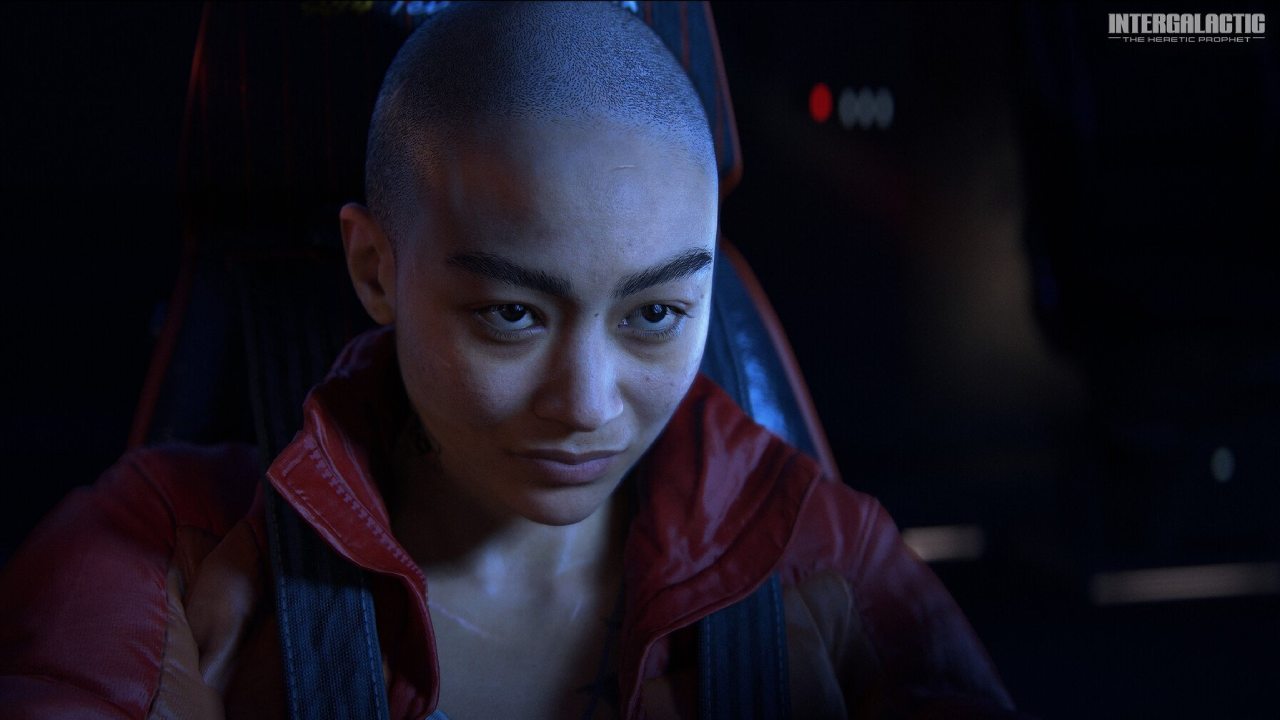
Smaller teams keep proving leaner development can still be genuinely profitable.
That mindset needs to spread across gaming, comics, and film alike, because dumping two or three hundred million dollars into a single project once a decade just isn't sustainable, and momentum gets lost in the process. Ideally, Square would return to releasing new Final Fantasy entries every couple of years instead of leaning on remakes or dragging out numbered sequels.
Kingdom Hearts III famously took about a decade to arrive, proof that these projects can absolutely move faster. With smaller teams and a willingness to embrace modern tools, including AI-assisted development, studios could realistically ship games quicker and cheaper, keep more people employed, and take creative risks without betting the entire company on one release.
Editor, NoobFeed
Related News
No Data.