
Nintendo Switch 2's Game Key Cards Are a Total Disaster
Why developers and fans still choose boxed copies over Nintendo's game key cards.
News by Zahra Morshed on Aug 31, 2025
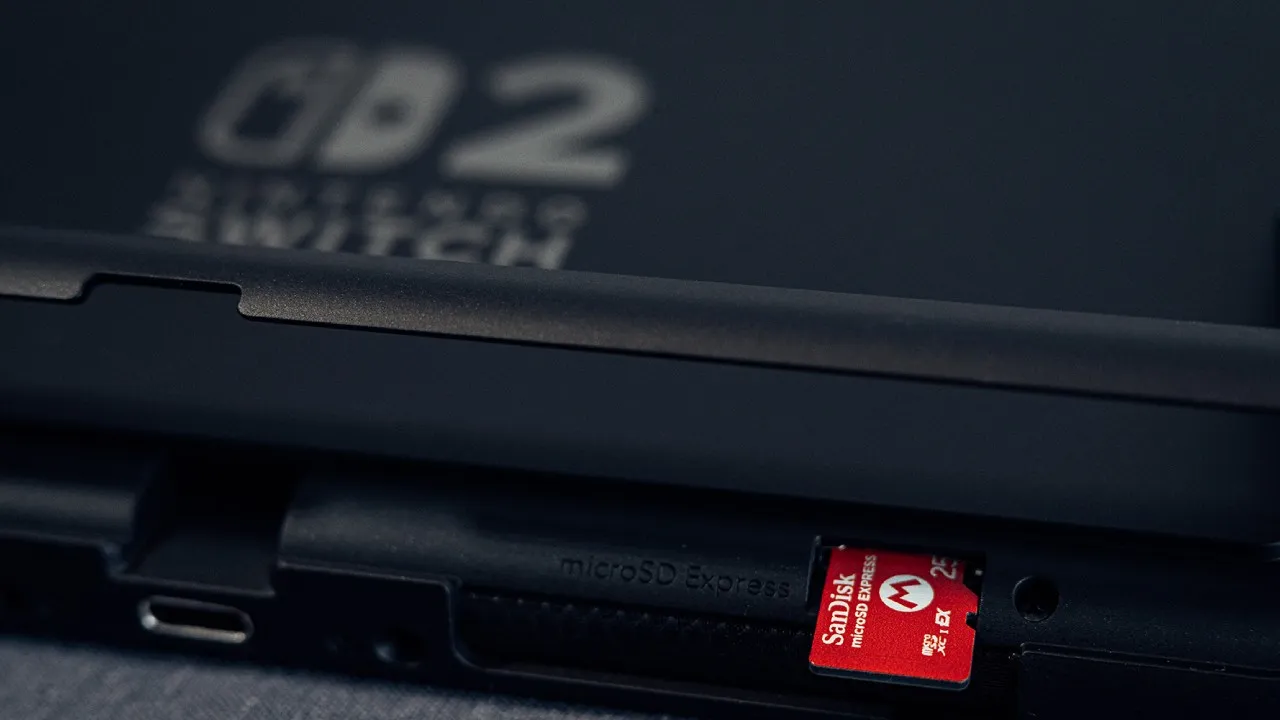
Nintendo has always done things its own way. Their innovations have shaped generations of players, but their method of distribution in the age of the Nintendo Switch 2 has caused more confusion than joy. At the heart of this argument is the strange experiment of game key cards.
These cards were supposed to combine physical ownership with digital ease of use, but they have left both developers and customers wondering where they fit in the environment. The problem is not hard to solve. Nintendo's fans have been attached to physical media for a long time, unlike its rivals.
Japan is the best place to see this because collectors and regular players still treat a boxed game as a valuable item, rather than just a means to get the game. This devotion to hard copies has remained unchanged, even as digital stores have taken over other areas. But Nintendo went ahead with game key cards anyway, thinking that fans would like a middle ground. As expected, the result has not been impressive.
Reports say that a number of third-party studios are still unhappy with how these cards work, citing slow sales and unfulfilled promises. One thing, though, stands out from the sadness. Cyberpunk 2077, developed by CD Projekt Red and released in a physical version for the Nintendo Switch, has become one of the most popular third-party games on the system.
A striking trend was shown by the numbers announced in June: almost 75% of its sales came from boxed copies. This shows again that Nintendo fans prefer physical products they can own and show off. This success can't just be a chance. The quality of the game is important, but the strength of its real presence speaks to customers who value lasting things over digital codes that expire quickly.
It brings out a simple truth: physical media is more than memories for this group of people. It shows that you own something, protects you from the risk of digital licensing, and keeps a custom alive in a market that loves rituals.
When considering how long Nintendo had to prepare, the mistake becomes even harder to understand. There were eight years between the release of the first Switch and the release of its successor. This was plenty of time to improve tactics for third-party support.
Instead, the company has put its partners in a difficult position, between two unpleasant options. Developers can either pay more for a 64 GB cartridge, which cuts into their profits, or they can settle for the less popular game key card, which they know will make people pause. Neither way feels like a sure way to move forward.
Nintendo has been in this situation before. First-party games remain unbeatable and set the standard for design and creativity in the industry. It has always been challenging for companies outside the ecosystem to invest in it.
.jpg)
With hardware that can now compete with its rivals, the Switch 2 could get more third-party backing than ever before. However, the distribution model might introduce extra friction, which could hinder progress just when the system should be taking control.
What remains unanswered is whether Nintendo will change its mind. The story is already being told by the sales numbers. Developers are quickly learning that Switch players still want boxed versions, but key cards are having a harder time finding customers. The market has spoken, and it wants real things over quick fixes.
For Nintendo, the answer is not in the numbers, but in what they want to do. Was this a mistaken assumption about how people would act, or was it a planned move toward a format that would connect the digital and real futures? It will depend on how developers use the system over the next few months and whether the Switch 2 can avoid making the same mistakes. One clear thing is that the crowd made up their mind and stuck to it.
Contributor, NoobFeed
Related News
No Data.