
PS6 Handheld Leak Reveals 8-Thread CPU Target and New Power Saver Strategy
Sony’s aggressive Power Saver Mode push reveals long-term plans for a lower-power PS6 handheld ecosystem.
News by Mitsuba Miyu on Dec 20, 2025
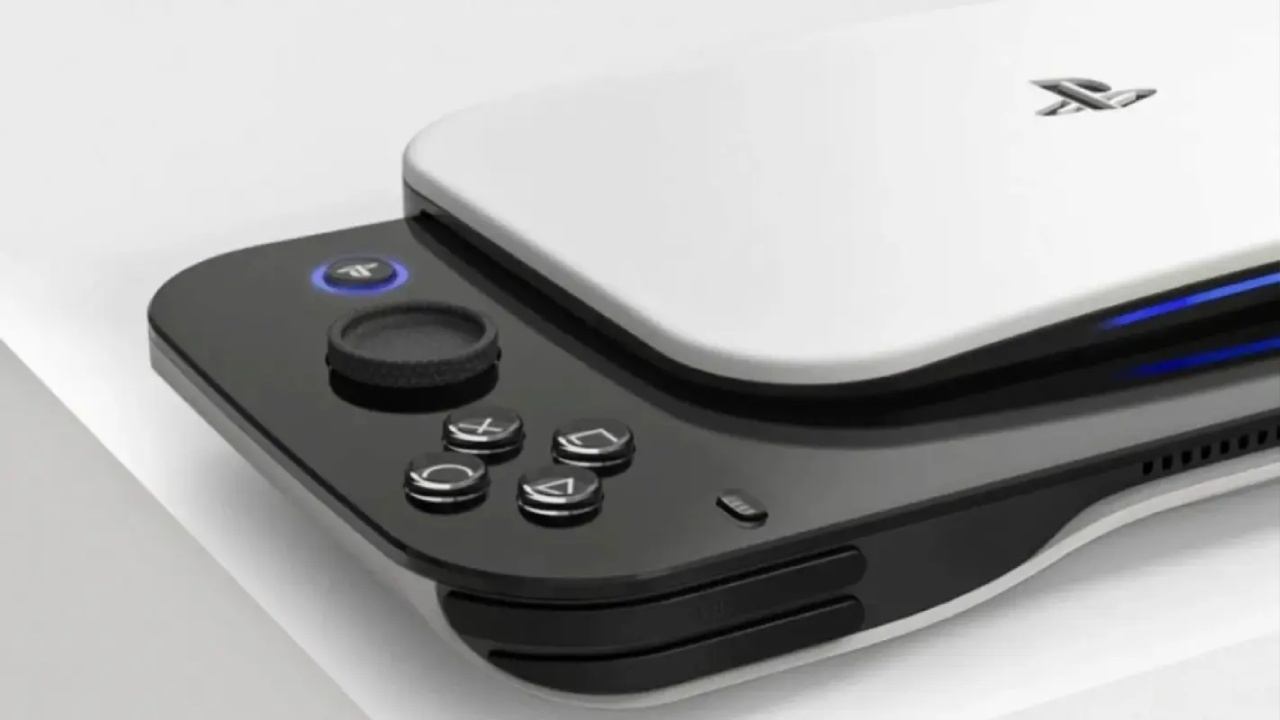
Recent changes on the developer side make it very likely that Sony is preparing to release a small PlayStation that works with the PS6. Several backend changes, updates to the SDK, and new documentation indicate a device designed to use less power, offer flexible CPU configurations, and remain compatible with older versions over the long term.
All of these actions indicate that Sony wants developers to think about speed, threading, and scalability differently. This feature is known internally as "low power" or "low energy mode." Improvements to the PS5 Pro are not available to all users.
.jpg)
Developers have been quietly but strongly encouraged by Sony to support what is officially called "Power Saver Mode."
Still, Sony has updated every PS5 SDK version from 1.0 through 12.0 to handle this mode. Pro support never got that much work, which shows how important Power Saver Mode has become. Developers of games from the PS5's launch period didn't have to update the PS5 Pro's SDKs unless they wanted to add new features.
On the other hand, support for Power Saver Mode is being seen as required. Developers who either ignore the mode or implement it poorly by just cutting frame rates in half have allegedly made Sony angry.
It's clear what is expected: keep frame rates high when you can and make things work at lower resolutions and with less power, rather than making 30fps-style compromises. The Razor CPU app is an example of an internal tool that Sony has updated. It now includes guides focused on reducing CPU usage and thread count.
Developers are being told to ensure their games run on fewer threads. One example of documentation that makes this clear says that apps should be able to run on at least eight threads. One internal document clearly states that new ways of working may be allowed in the future and that apps may run on devices with different CPU configurations.
Going forward, developers shouldn't expect a set thread count, as Sony has told them directly. They should get ready for new CPU architectures. This strongly suggests that upcoming devices, like a handheld, will not have the same 16-thread setup as the PS5.
All signs point to early work on the infrastructure for a PS6 mobile.
It looks like Sony is using Power Saver Mode as a hidden agenda to make sure that new software works with old hardware and that performance can be scaled up even before new hardware is announced. Behind the scenes, this mode is changing into an operating model with lower resolution, fewer cores, and slower clock speeds. This will enable brand-new devices to use this mode.
We understand why Sony won't take no for an answer. The company probably wants the handheld to be one of its next big platforms. It might even sell more than a mid-generation Pro system. By having developers adjust now, Sony ensures that new gear launches with many compatible games right away.
The PS5 Pro was made to improve games that are already out with minimal developer work. Higher IPC, better design, and faster clocks let many games run 20% to 30% faster by default, even without patches. Dynamic resolution and frame rate systems make the experience even smoother by adjusting instantly.
The mobile, on the other hand, is more complex. If a game is well-optimized, it could perform better than expected even with lower power limits. This is especially true for new AI features, which are better at tracking rays.
If you don't do the right optimizations, speed could drop significantly. That's why Sony is putting so much work into SDK-level regulation and helping developers understand how to do it. In the future, we think the handheld will have a lot in common with the PS6 home system in terms of I/O. The operating system will probably work on Zen6 low-power cores with a PCIe Gen5 SSD.
The storage on this PS5 might not be as custom as the one in the original design. It might use more standard options instead. You should also look forward to storage choices that can be expanded. There's a good chance an SD Express card slot will be included, making it easy to add more space for PS4-era games or games that don't need really fast storage.
It's not clear if the internal SSD is soldered, in the 2230 form factor, or user-upgradable. Still, it seems unlikely that the whole thing is flexible. All of these updates seem to prove, rather than just suggest, something.
Sony is changing its development environment to support hardware that isn't yet available to the public.
It's clear that the PS6 mobile is real and already has an impact on how games are made now. As more changes on the server come to light, the picture will get even clearer. Right now, the evidence strongly indicates that Sony is working on a versatile, energy-saving handheld system that will work with the PS6 home console as one of its next big parts.
Editor, NoobFeed
Related News
No Data.