
Record Sales, Massive Layoffs: Battlefield 6’s Success Still Wasn’t Enough for EA
Even after breaking records, selling millions, and topping charts, developers behind Battlefield 6 are still facing layoffs—a reminder of how fragile job security can be in the modern games industry.
News by Mahi Araf on Mar 11, 2026
When you look at the numbers surrounding Battlefield 6, it’s hard to imagine the story ending with layoffs. From the outside, everything about the game screams success. The launch numbers were huge, the player counts were massive, and the revenue it generated easily reached into the billions. Yet despite all that, EA has reportedly cut staff across several studios that helped bring the game to life. If anything, the situation highlights a harsh reality about the modern games industry: even delivering a hit doesn’t guarantee stability for the people who made it.
Battlefield 6 launched to an incredible level of attention, and the early player statistics reflected that excitement. On Steam alone, the game hit an all-time peak of roughly 747,000 concurrent players. Those are numbers that most games never even come close to. Even months after launch, the title continues to attract tens of thousands of active players on the platform, indicating that the community remains highly engaged. For a live service multiplayer shooter, that kind of retention is important because it keeps the ecosystem alive and ensures that matches stay populated.
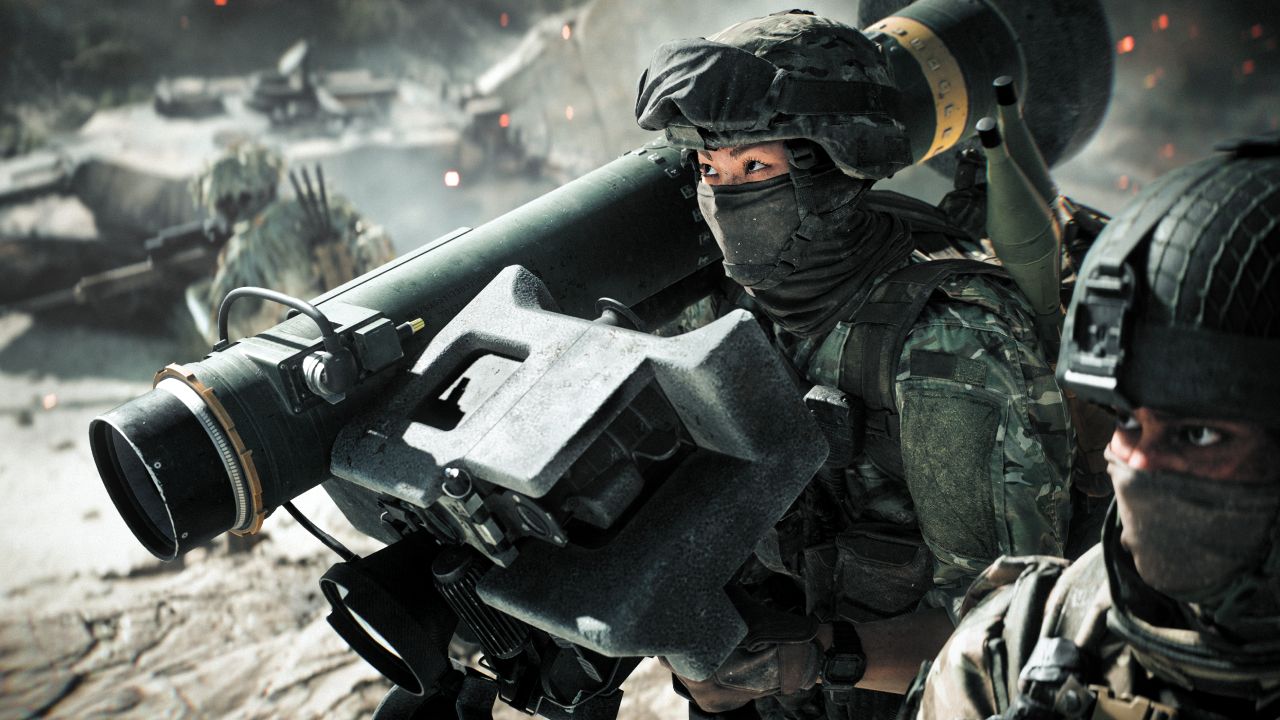
Sales numbers tell an even bigger story. Within just three days of release, Battlefield 6 had already sold around seven million copies. That made it the franchise's biggest launch in history. Then the momentum kept going. Within two months, the total climbed to roughly 20 million units sold. Considering the game launched at a premium $70 price point, revenue from base-game purchases alone quickly reached staggering levels.
If you take that 20 million sales estimate and multiply it by the $70 price tag, you’re looking at something close to $1.4 billion in revenue.
Also, things like different prices in different parts of the country, sales, or possible future sales are not even considered. It also doesn't take into account that Battlefield 6 is a live service game, which is even more important. This means that it has more ways to make money, like microtransactions, cosmetic purchases, and other ways to spend money in the game. When you take those things into account, the game's total revenue is probably higher than that first estimate.
By most definitions, Battlefield 6 is exactly what publishers hope for when they release a major AAA title. It sold extremely well, attracted a large audience, and generated substantial income. The success didn’t stop there either. By the time 2025 wrapped up, Battlefield 6 ended the year as the best-selling game of the entire year. That achievement is especially notable because it managed to outsell Call of Duty, something that almost never happens. For years, Call of Duty has dominated the annual charts, so seeing another shooter surpass it is rare.
Of course, not everything about Battlefield 6 has been perfect.
After the game came out, people in the community started to have mixed opinions about it. It started out with a "mostly positive" rating on Steam, but it later dropped to "mixed," with about 65% of reviews being positive. A lot of that anger came from updates that players thought made things worse instead of better.
Some patches reportedly broke certain gameplay systems, while other changes sparked criticism for including things like AI-generated content. Balance adjustments also caused frustration among players who felt that certain gameplay tweaks disrupted the experience they had originally enjoyed.
When these issues accumulate over time, they can shift the tone of community discussions quickly. What started as excitement can slowly turn into criticism if players feel that updates are moving the game in the wrong direction. Even with those complaints in mind, the broader picture doesn’t really change. DICE with Battlefield 6 still delivered one of the franchise's biggest commercial successes. That’s what makes the next part of the story so surprising.
Internal sources say that EA has laid off workers at several studios that work on the Battlefield franchise. The teams that will be affected are those that work at Criterion, DICE, Ripple Effect, and Motive Studio. All four of these groups helped make Battlefield 6, which led to the game's development and eventual release.
EA has described the layoffs as part of a broader “realignment” across the Battlefield organization.
The company says the goal is to better align teams with what matters most to the community moving forward. Importantly, the studios themselves are not being shut down, and Battlefield remains a major priority for the company. Still, the cuts are expected to affect multiple teams across several offices.
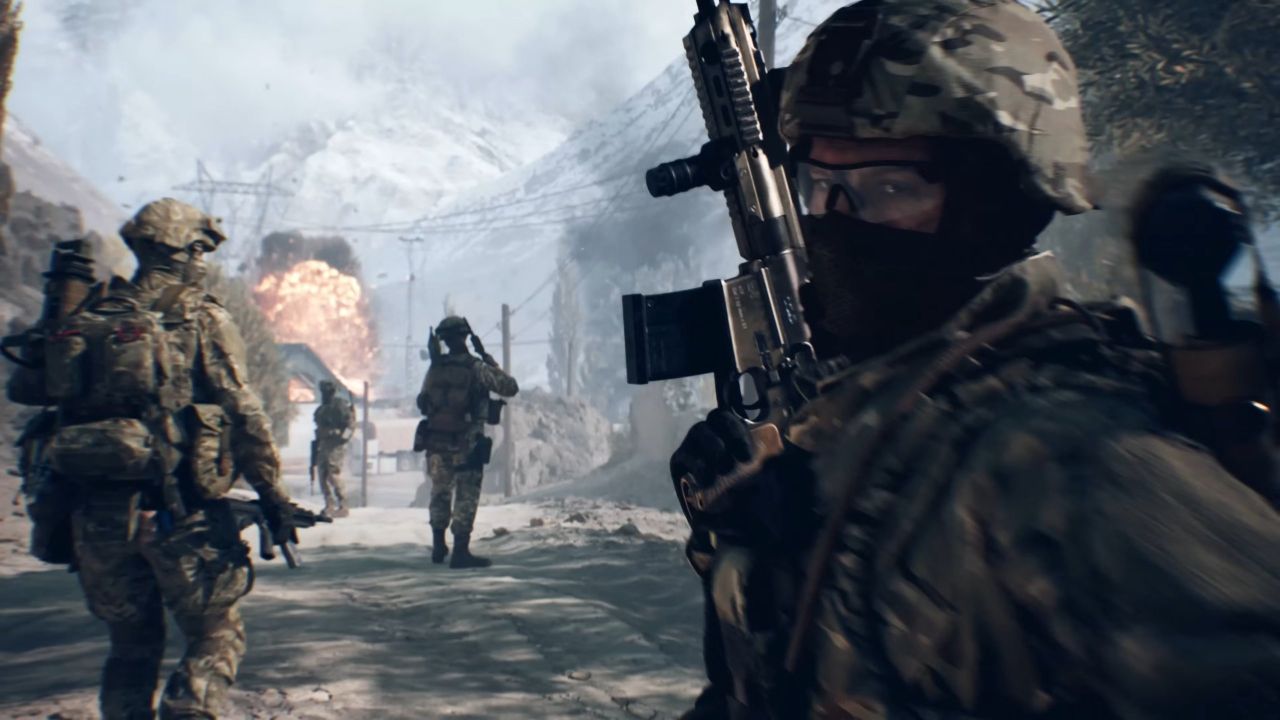
In an official statement provided to reporters, an EA spokesperson explained that the company has made “select changes” within its Battlefield organization to focus on the areas most important to players. The statement also emphasized that the publisher plans to continue investing in the franchise while using feedback and insights from Battlefield Labs to guide the series going forward.
Even with that explanation, the situation feels difficult to reconcile with the scale of Battlefield 6’s success. When you see a game break franchise records, sell millions of copies, generate enormous revenue, and even top yearly sales charts, you would normally assume that the development teams behind it would be in a strong position. Instead, the layoffs suggest that commercial success doesn’t necessarily translate into job security.
Losing experienced developers can also have long-term effects that go beyond the present moment. When teams work together for years, they learn a lot about their tools, how they work, and the design choices that go into making their games. When those teams are split up, they can lose that shared knowledge very quickly. It may take some time for new developers to fill those roles, but it will take time to rebuild that level of familiarity and coordination.
Some people have pointed to other businesses as examples of approaches EA could have chosen.
For example, people often praise Nintendo for prioritizing long-term team stability and institutional knowledge in its development studios. The idea behind that way of thinking is simple: when you keep experienced teams together and help them over time, they get better at making games that are always good.
In contrast, frequent restructuring and layoffs can create instability that affects both morale and productivity. Developers who see colleagues lose their jobs after working on a successful project may start to question their own long-term prospects in the industry. For many people, that uncertainty can make it difficult to stay motivated or even remain in the field at all.
The reaction online has been intense. On social media, many players and industry observers expressed frustration with the situation. Some pointed out that the gaming industry is now the largest entertainment sector in the world, surpassing both film and music in overall revenue. Yet despite that financial strength, the people responsible for building the games often face layoffs even after successful releases.
Some people put the problem in much simpler terms: in today's gaming industry, the outcome sometimes feels the same, no matter the results. If a game doesn't do well, people can lose their jobs. But the Battlefield 6 situation shows that even a big hit doesn't always keep developers safe.
Expectations set by executives and investors are often one of the most important underlying factors.
In big companies, a product's success isn't always just about how much money it makes. Instead, it is compared to internal goals that may be much harder to achieve. Even if the game sold millions of copies, leadership may still be disappointed with the project's outcome if it didn't meet those specific benchmarks.
That dynamic has appeared in the industry many times before. There have been cases where titles sell several million units—numbers that would normally be considered impressive—only for publishers to later describe the results as underwhelming because they didn’t meet projected goals.
Battlefield 6 may have run into a similar situation. Earlier reports suggested that EA had extremely high expectations for the game’s long-term performance. At one point, there were discussions about the possibility of reaching as many as 100 million players, a figure far beyond the series’ previous records. When expectations are set that high, even massive success can look smaller by comparison.
.jpg)
For developers, that environment can create a difficult reality. You might spend years working on a project, help deliver one of the most successful games of the year, and still find yourself affected by restructuring once the corporate evaluation begins.
The situation also raises broader questions about the future of large-scale game development. AAA projects are becoming more expensive, more complex, and more dependent on massive player bases to justify their budgets. As those expectations grow, the pressure placed on development teams increases as well.
Players often talk about new content, balance changes, and game updates.
But there are people whose jobs depend on the results of these projects behind every patch and expansion. When layoffs happen, even after the best releases, it's clear that stability isn't very strong. And in a year when Battlefield 6 set records, made billions of dollars, and even beat one of the biggest gaming franchises of all time, that message from EA is impossible to ignore.
Senior Editor, NoobFeed
Related News
No Data.