
Valve's Steam Controller Launch, Scalping, and Changes to the New Reservation System
How a 300-person company shook up hardware launches, fought resellers, and changed how you might buy your next Steam device.
News by Adeela Tas on May 08, 2026
You’ve probably noticed something a bit unusual happening with Valve lately, and this past week really made it stand out in a big way. It almost feels like, from the outside, the company still acts like a small indie studio trying to break into the industry, even though everything they’re doing says otherwise.
What you’re actually looking at is a company that has grown into one of the biggest players in gaming without always behaving like one. The reason for that isn’t flashy marketing or constant hardware drops, but the way they’ve built their ecosystem.
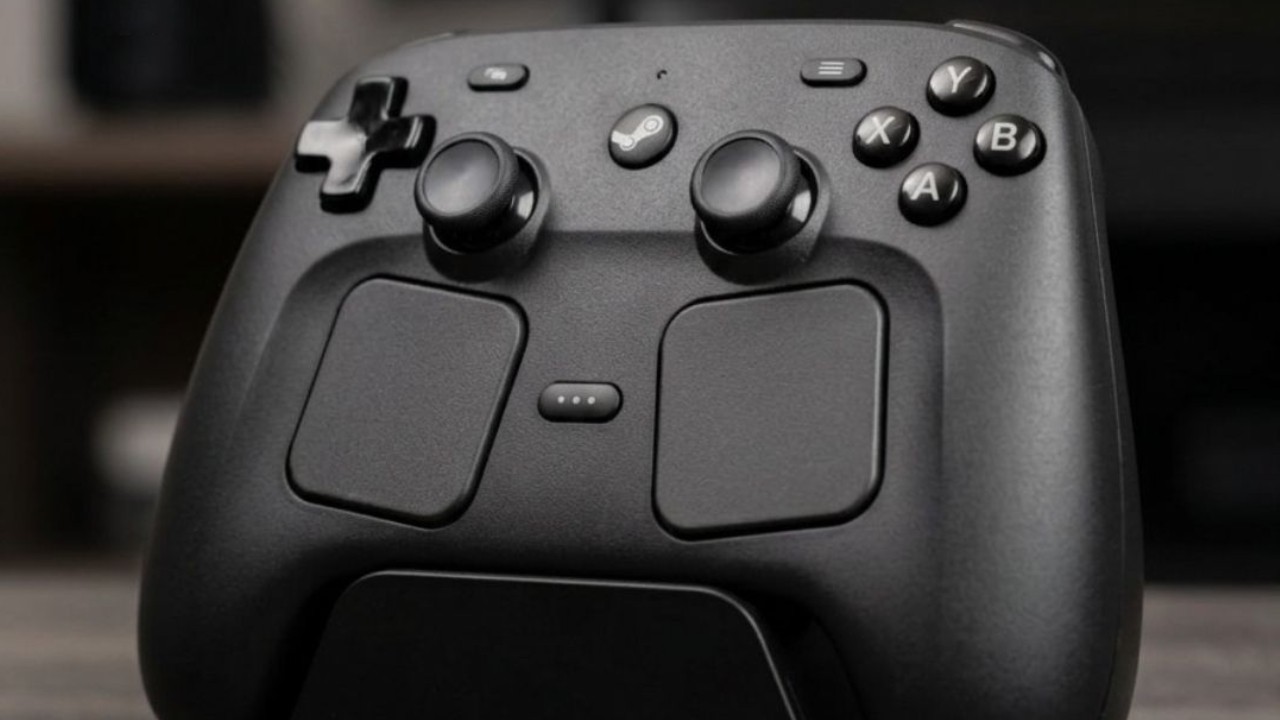
You’re interacting with a storefront that prioritizes user experience over aggressive monetization, and at the same time, you’re now seeing them step deeper into hardware with devices like the Steam Deck, Steam Controller, Steam Link, and more coming down the line.
Valve’s hardware ecosystem is by design, but the Steam Controller launch showed how quickly demand and scalping can disrupt product launches.
You might have picked up something like the Steam Controller in the past, or used a Steam Deck, or even had one of those older Steam Links lying around. If you’re like a lot of people watching this space, you’ve probably noticed how Valve tends to build hardware that feels experimental but still very intentional. It’s not just about selling you a device, it’s about making sure it ties back into their ecosystem.
But things started feeling different when the newest Steam Controller launched. That’s where things got messy, and where you probably started seeing how fragile these launches can actually be when demand hits harder than expected.
When the Steam Controller went live on May 4th, you saw something that’s become pretty common across gaming hardware launches, but still frustrating every single time. Orders didn’t just go fast, they disappeared almost immediately. You had people struggling with payment systems, servers getting overwhelmed, and entire waves of buyers unable to even complete checkout.
On top of that, you had resellers and bots flooding the system, which immediately pushed the conversation toward scalping. If you were trying to get one at launch, it wasn’t just about clicking fast. It came down to timing, luck, and whether the system actually let you through before everything sold out.
And then the secondary market kicked in almost instantly. You saw listings pop up on sites like eBay where the Steam Controller was being resold at 2, 3, or even 4 times the original price.
A device that originally sat around the $100 mark suddenly showed up at $300 or more, and that’s where things start getting frustrating if you’re just trying to buy something at retail. It’s not a new problem in gaming or tech, but it keeps showing up in different forms: sneakers, Pokémon cards, graphics cards, and now gaming hardware again.
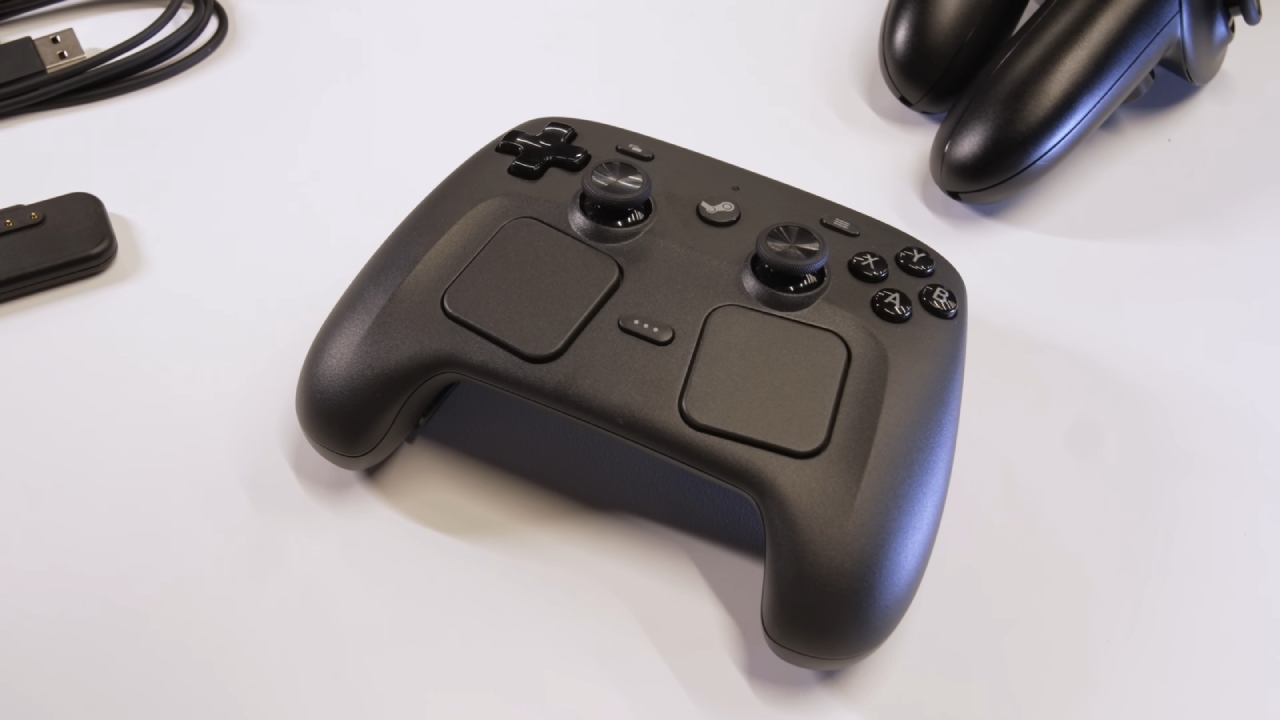
Limited supply fuels resale, but Valve's large shipments signal a shift to large-scale hardware rollout.
And if you’re someone actually trying to get the product for yourself, the experience changes completely. Instead of thinking about what the hardware can do, you’re stuck watching listings inflate while stock disappears. That’s where Valve’s situation gets interesting, because instead of letting it sit, they moved quickly.
Around the same time, reports began circulating that Valve was shipping massive amounts of hardware globally. You’re talking about shipments measured in tons, totaling over 100 tons across different batches from overseas manufacturing and logistics routes. That kind of scale tells you something important; this isn’t a small experimental product rollout anymore. This is industrial-level production.
A large portion of those shipments could be Steam Deck stock, but they also line up with expectations for newer hardware like the Steam Machine and continued Controller production. Some reports suggested shipments included tens of tons arriving within days of each other, which could translate into tens of thousands of units depending on what exactly was inside each batch.
If those shipments are mostly Steam Machines, you’re potentially looking at launch quantities in the tens of thousands range, which sounds big but is still tight for global demand. If they’re mixed with Steam Deck stock, then it paints a different picture, one focused more on maintaining existing demand rather than prepping for a full new hardware wave.
Either way, you’re watching Valve actively scale logistics in a way that suggests something bigger is coming.
But the real turning point wasn’t just supply; it was how Valve reacted to the chaos of the Steam Controller launch. After the initial sellout, they moved toward a reservation system. Instead of letting the storefront get hammered again by bots and fast purchases, they introduced a queue system where you reserve your spot rather than compete in real time for stock.
Once your reservation is locked in, you’re placed in a line, and when stock becomes available again, orders are processed in that order. That alone changes the entire experience. You’re no longer fighting a digital stampede at launch. Instead, you’re waiting in a structured system where availability is managed more fairly.
Valve also added restrictions that directly target scalping behavior. You’re limited to one unit per account, and you need to have an established Steam purchase history before you can even reserve. That means brand-new accounts created purely to scoop up stock don’t get through the system as easily.
Once you’re offered the purchase, you also get a limited window, about 72 hours, to complete the transaction before it moves on. On top of that, rollouts are region-based, meaning you’re not dealing with a single global drop that crashes everything at once. Instead, inventory gets distributed across regions like the US, Canada, UK, EU, and Australia in phases.
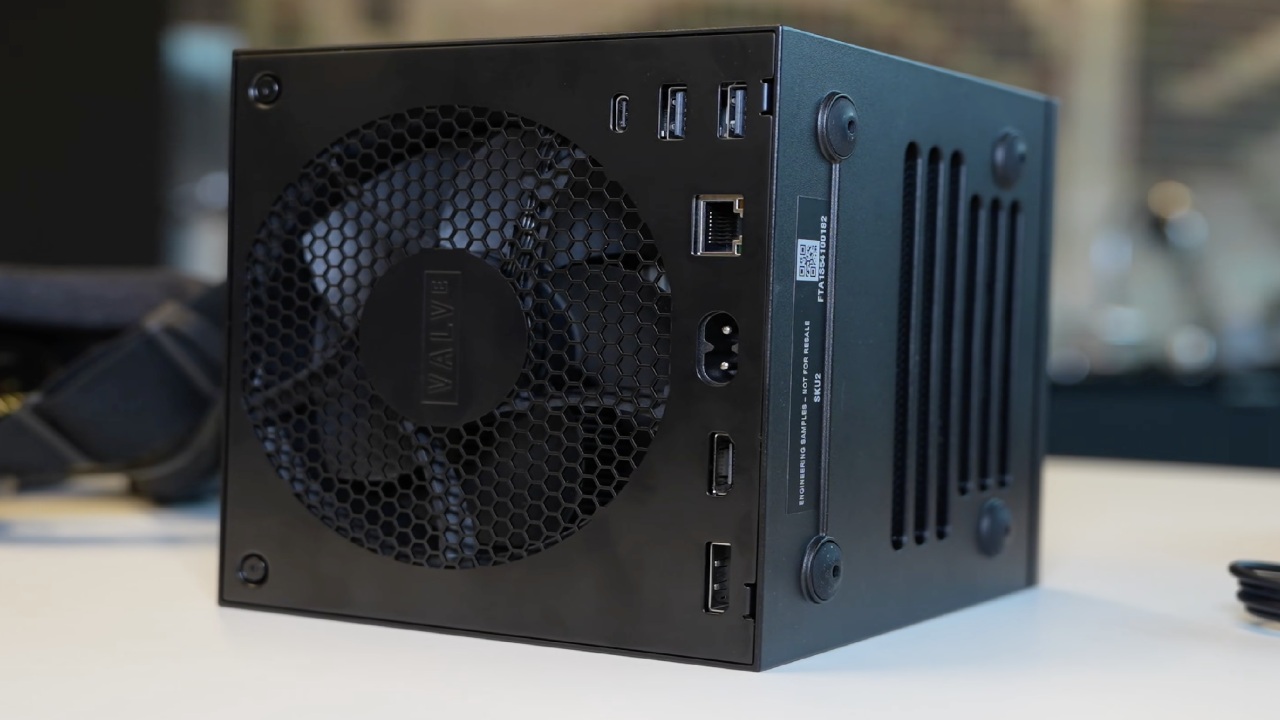
The structured queue system reduces scalping pressure by shifting hardware launches to an ecosystem-driven, account-based access model.
It also quietly addresses one of the biggest issues with modern hardware launches: artificial scarcity created by instant sellouts. When everything disappears in minutes, resale markets thrive. When systems slow things down and distribute access, that resale pressure weakens.
You also start seeing how Valve’s strategy ties into their broader ecosystem. They’ve built a platform where hardware isn’t separate from software. Your account history matters. Your usage matters. Even your buying behavior ties into what you’re allowed to access.
That’s a very different approach compared to traditional console manufacturers or PC hardware companies, where launches are often first-come, first-served with minimal filtering.
And while you’re seeing improvements, you’re also seeing the limits. Even with shipment scale and reservation systems, scalping doesn’t disappear entirely. It just becomes harder. That’s something Valve seems to be aware of, which is why they’re layering multiple restrictions rather than relying on a single fix.
Valve’s hardware rollout was reshaped by quick fixes and a reservation system.
Within just a few days of the Steam Controller launch, Valve had already announced the reservation system and updated policies and had started rolling out fixes. From your point of view, that turnaround is unusually fast for a company of this size, especially in hardware.
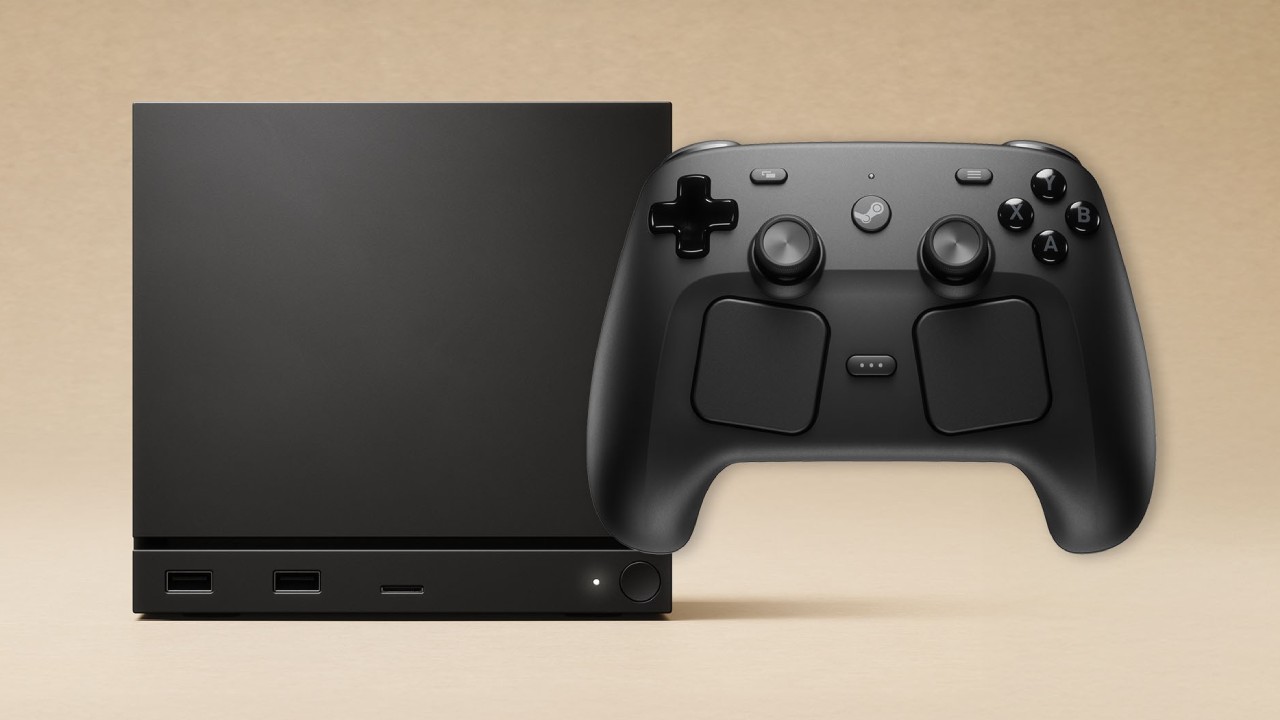
At the same time, discussions around the upcoming Steam Machine started heating up again. Pricing speculation puts it in the $700 to $800 range, though that could shift depending on hardware configuration and market conditions. If resale markets get involved, you could easily see inflated prices far beyond that range, which is why there’s already advice floating around suggesting that if prices climb too high, building a custom PC with SteamOS might be the smarter option.
That comparison is important because it highlights what Valve is actually trying to do. You’re not just being sold hardware, you’re being sold an entry point into an ecosystem that could replace traditional console-style ownership models. But that only works if people can actually get the hardware at reasonable prices.
The reaction from the community has been mixed but mostly focused on one thing: relief that something is being done at all. You’re seeing people appreciate the reservation system, especially after the initial chaos, because it reduces the feeling of being locked out by bots or resellers.
A move to controlled hardware releases, but longer-term worries about scalability and leadership persist.
You’re comparing this to broader industry behavior, where restocks and fixes can take weeks or months, while here you’re seeing structural changes within days. Still, there’s an underlying concern that sticks around. You’re dealing with a company that is relatively small in workforce size compared to its influence, and that raises questions about what happens in the long term as leadership and priorities evolve.
For now, though, what you’re seeing is a shift in how high-demand gaming hardware is being handled. Instead of pure chaos at launch, you’re moving toward controlled access, account-based eligibility, and staged releases.
And if Valve applies this same system to future hardware like the Steam Machine and other upcoming devices, it could reshape how you experience these launches entirely—less rushing, less scrambling, and a lot less exposure to inflated resale markets.
In the end, what this past week really showed you is that hardware demand in gaming isn’t slowing down. If anything, it’s getting more intense. But the way it’s managed might finally be changing in a way that favors actual buyers rather than resellers sitting in the middle.
Editor, NoobFeed
Related News
No Data.