
Birushana: Winds of Fate Review
Nintendo Switch
After the war ends – love, closure, and alternate paths in a fan-driven epilogue to the Genpei Saga.
Reviewed by Asura Kagawa on May 27, 2026
Birushana: Winds of Fate is a very special follow-up. However, it is a fan extension of Birushana: Rising Flower of Genpei. The game is developed by Otomate and Design Factory and published by Idea Factory International, and it tells the narrative of Shanao, a protagonist inspired by the historical figure Minamoto no Yoshitsune, who is raised as a man so she can protect her tribe and maintain her identity.
Rather than starting a brand new story as a true sequel would, Birushana: Winds of Fate assumes that the players already know the Genpei War from the original game. The experience is more structured like an “after-story collection,” with new romance routes for characters introduced only briefly in the main plot, as well as epilogues for existing romance routes.
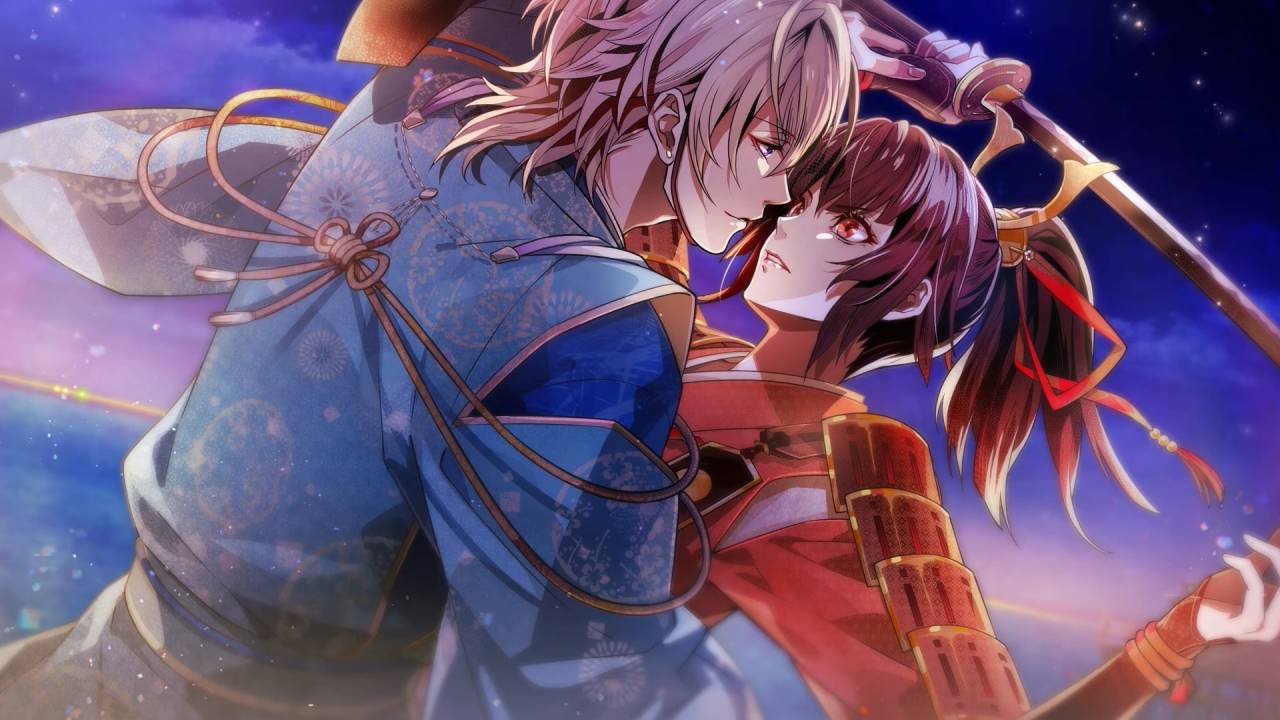
It's evident from how the game was developed that it was never meant to be a gateway for newbies.
Instead, it was supposed to be a continuation for the fans who wished to spend more time with the characters. It has a weird double identity: part continuation, part growth, part fan-service anthology. While this may seem limiting for new players, returning fans are treated to a more relaxed setting following the war, when romance and closure take precedence over battling and survival.
The story is split into two parts. The first one is about the characters in the first game who fell in love and returned, such as Benkei, Shungen, Noritsune, Tomomori, and Yoritomo. These stories are epilogues that reveal what happens after the 'best endings' of the original routes. These epilogues are usually only a few chapters long and are largely just dynamic visual novel segments that don't allow you to select your path.
They spoke in whispers of what Shanao would be like and her chosen mate after the conflict. These pathways do not include great conflicts or shifting political loyalties. They are about family life, resolving emotional problems, and building relationships. This kind of writing is gentler, more meditative, more personal.
But they are consistent and authentic to the original characters, and can only hide so much. They don't introduce any major new conflicts or major alterations to the tale. Some characters, like Tomomori and Yoritomo, really have satisfying endings, and the writing shines for them. Some feel shorter and less compelling because they focus too much on repetition and not enough on plot growth.
The second part of Birushana: Winds of Fate is where things get harder. All minor characters before, now full-on romantic leads: Shigehira, Tadanobu, Tsugunobu, and Takatsuna. These methods aren't endings; they're entirely new stories set in the same world. They’re sort of like fresh “what-if” scenarios.
Many players consider this to be the best writing in Birushana: Winds of Fate. These paths actually feature character development, emotional intensity, and timing, unlike the epilogues. Shigehira's path is especially interesting because it features an exceedingly deep and well-written relationship that even beats some of the original cast's storylines.
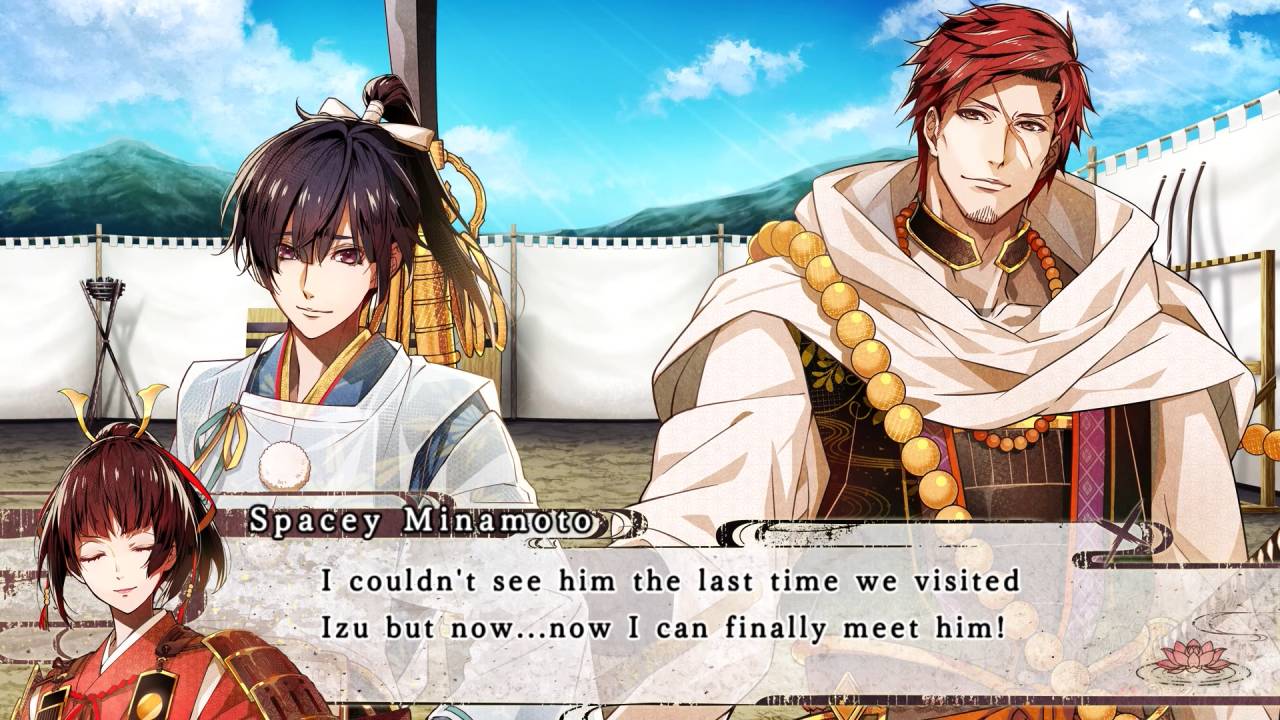
Not all lines are of the same quality, however. Takatsuna's path is often described as erratic or slightly out of character. Tadanobu and Tsugunobu have good storylines.
But these new approaches feel more complete than the recurring epilogues, even though they are part of the same product.
One of the best things about both kinds of stories is how they treat Shanao. She is still the same woman we saw at the beginning of the book: strong, disciplined, and sane. She never changes her personality or becomes too flawless, even when things are peaceful or romantic, which helps keep the storyline constant between the original game and this update.
Birushana: Winds of Fate is a visual novel with simple gameplay that is easy for anyone to learn. The game is structured so players can jump into specific routes without having to replay the entire linear plot. Go to the main menu and choose an epilogue or a new romance route right now. This gives it more of a narrative library than a conventional way of telling stories.
The layout is rather standard for Idea Factory visual novels. Features include autoplay, skip functions, backlog reading, and a diagram system to help players track their progress along a route. The "skip to next choice" button is a very handy feature - it improves the pace much better while playing back segments.
One more is a relationship gauge approach. Depending on your chat response, you receive visual feedback, such as flower animations, indicating that you chose the correct answer and increasing your attachment levels. This is how the flowchart shows the player's position relative to the good/bad conclusion.
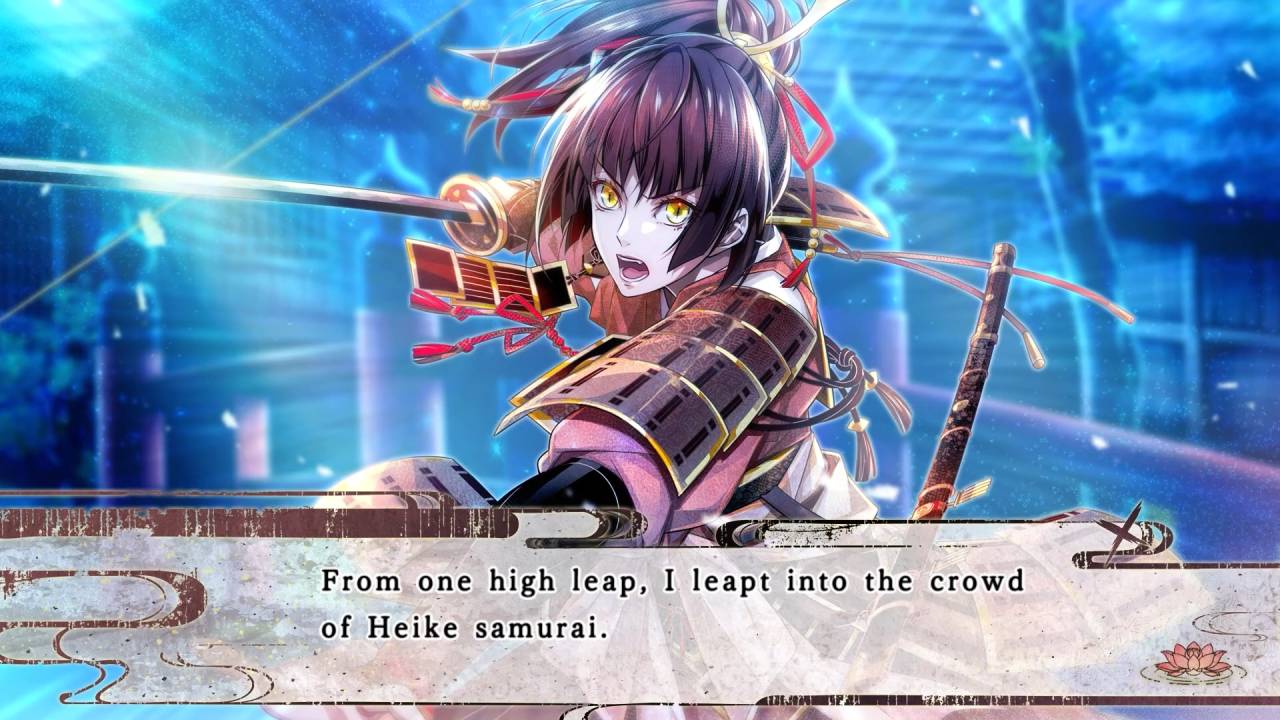
It makes it easy to know where you’re going, but it still gives the illusion of a plot where you may make decisions. There is no fighting mechanism or conventional game loop in the action sense. Instead, development is only based on stories.” But the way the courses are put up, you feel like you’re 'advanced' by cerebral progress, not technical skill.”
There is no leveling up, grinding XP, or building up stats like in role-playing games. Instead, growth is based solely on tale choices and affection results. This makes it incredibly easy to get to the experience, but also makes it very inactive.
This is not a game with a lot of depth, but if you’re like character-driven storylines, you’ll find the game’s clarity and structure appealing.
Birushana: Winds of Fate lacks a battle system, puzzles, and any method to grind XP. Rather, the game is wholly built around affection-based development and storylines that can go in many directions.
There is a way for partnerships that is the most reminiscent of “mechanical gameplay.” Choosing the appropriate dialogue options will make you care more about specific characters and change the route's ending. Progress bars and a flowchart system showing whether things are going well or poorly are clearly demonstrated.
This implies that the game does not include the standard loss conditions found in RPGs or strategy games. When you lose, you don’t receive game-over screens or lose resources or anything. Instead, the “consequences” are tale aspects that lead to varied emotional outcomes or different endings. This makes Birushana: Winds of Fate easier to pick up, but also means replays are less entertaining. Once a player learns how the compassion system works, it's easy to guess how to proceed. But this is on purpose; the idea is to convey a story, not to force you.
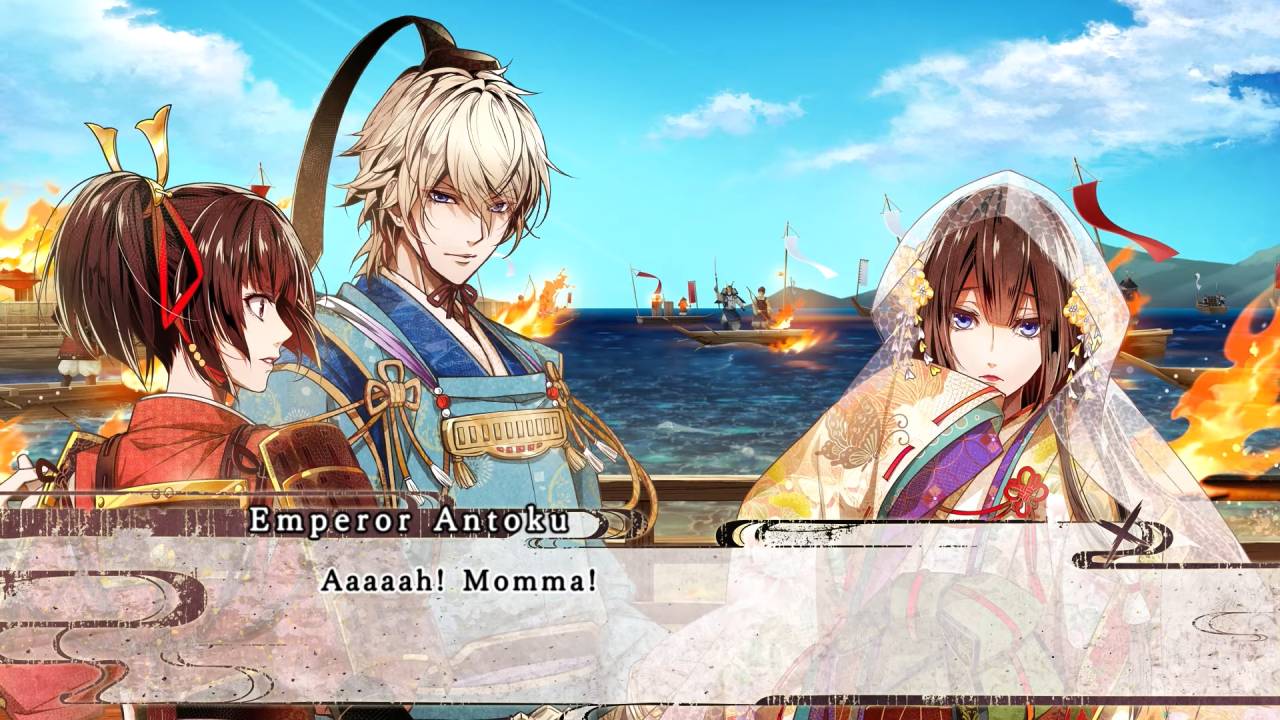
The graphics are standard in Birushana: Winds of Fate. The CG art is one of the better parts of the experience; the character designs are detailed and expressive. The artwork complements the emotional or loving tone of a lot of the scenes.
Clear improvement in the quality and variety of the CG, especially on the new routes. The scenes with Shigehira, Tadanobu, Tsugunobu, and Takatsuna are often more intriguing to watch and feel than the end. But the quality is not precisely the same in all files. A few of the sprites look a bit less detailed or incorrect, perhaps because they're using files from the original game that weren't as significant or were reused.
Still, the graphic presentation overall is good. Costumes and backdrop art support the historical atmosphere and keep you in the universe that was inspired by the Genpei War. Not much animation, as expected for the genre, primarily just mouth moves and minor effects.
One of the things everyone enjoys most about the game is the soundtrack.
It does effectively capture the emotional tone of romance and historical drama. Whether it's a quiet ending or a more emotional scene of passage, the music always enhances the mood without getting in the way of the tale. The voice acting is in Japanese, with certain actors from the original game reprising their roles. The performances are all superb.
The voice actors deliver emotionally believable performances that enhance the intensity of even the quietest situations. It's expected with how excellent this squad is, but it's still nice to see. The sound design is otherwise rather simple, but effective. It doesn’t strive to hijack the experience; instead, it bolsters the visual novel's structure, ensuring engagement is maintained even during long reading sessions.
Birushana: Winds of Fate is more of a fan CD than a game on its own. It’s there to pick up the emotional and romantic travels begun in Birushana: Rising Flower of Genpei. It’s got endings for the lovers who came back, and fleshed-out new directions for characters who didn’t matter before. One of the best things about it is the variety of writing it contains.
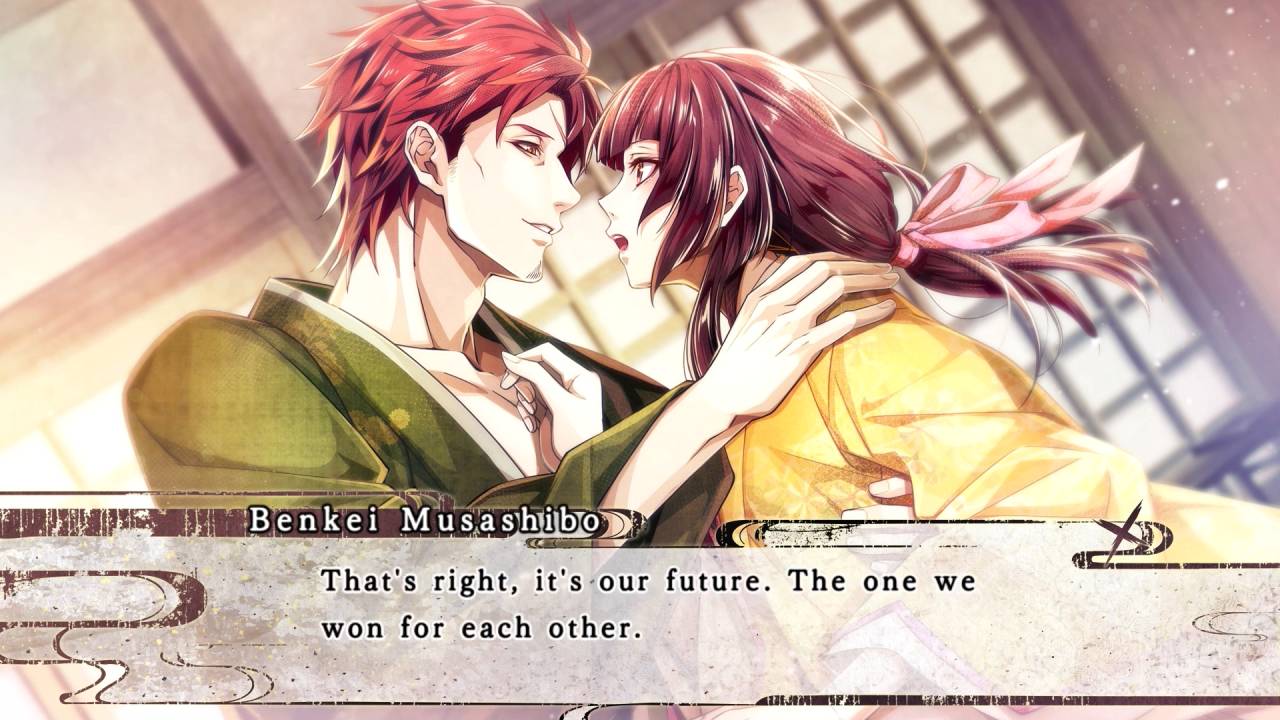
The epilogues will make longtime fans happy, but the new techniques often offer a stronger sense of story structure and greater emotional depth. Shigehira's path is the greatest, although the others aren't always consistent; they bring something vital to the world. But it’s also evident what the game can’t achieve.
The gameplay isn’t deep enough; there are no battles or progression mechanisms, and there is no clear method for new players to get started. If you have no knowledge of the original game, most of the emotional weight is removed.
Ultimately, Birushana: Winds of Fate is a product designed for a very specific group of people. For readers who have read it, it’s a fun addition to a story that they love.” It's not finished, and newcomers have a hard time getting the full picture. It’s only beneficial for folks who have previously made the initial journey.
Staff Writer, NoobFeed
Verdict
Birushana: Winds of Fate is a satisfying but niche fan disc that offers strong romance routes and closure for returning players, yet it lacks depth, accessibility, and gameplay systems for newcomers or broader visual novel audiences.
73
Related News
No Data.