
Destiny 2: The Edge of Fate Review
PC
Bungie's latest expansion struggles to combine innovation and repetition, leaving fans with a lot to desire.
Reviewed by Mahi Araf on Jul 22, 2025
Destiny 2 has weathered a treacherous yet rewarding journey, from the rocky beginnings of vanilla Destiny 2 to the momentous highs of Forsaken and the masterful execution of The Witch Queen. A change in tone, mechanics, and storyline has left its mark on each expansion.
Where Forsaken revitalized the emotional stakes of the universe and brought back challenging endgame content, Shadowkeep veered into horror, and Beyond Light overhauled gameplay with the introduction of the Stasis subclass.
In contrast to its predecessors, The Edge of Fate, engineered to mark the dawn of a new saga in the vast universe of Destiny 2, arrives with far less fanfare and far more fatigue than excitement, eliciting a lukewarm reception from critics and players alike and soliciting questions that Bungie will find difficult to answer.
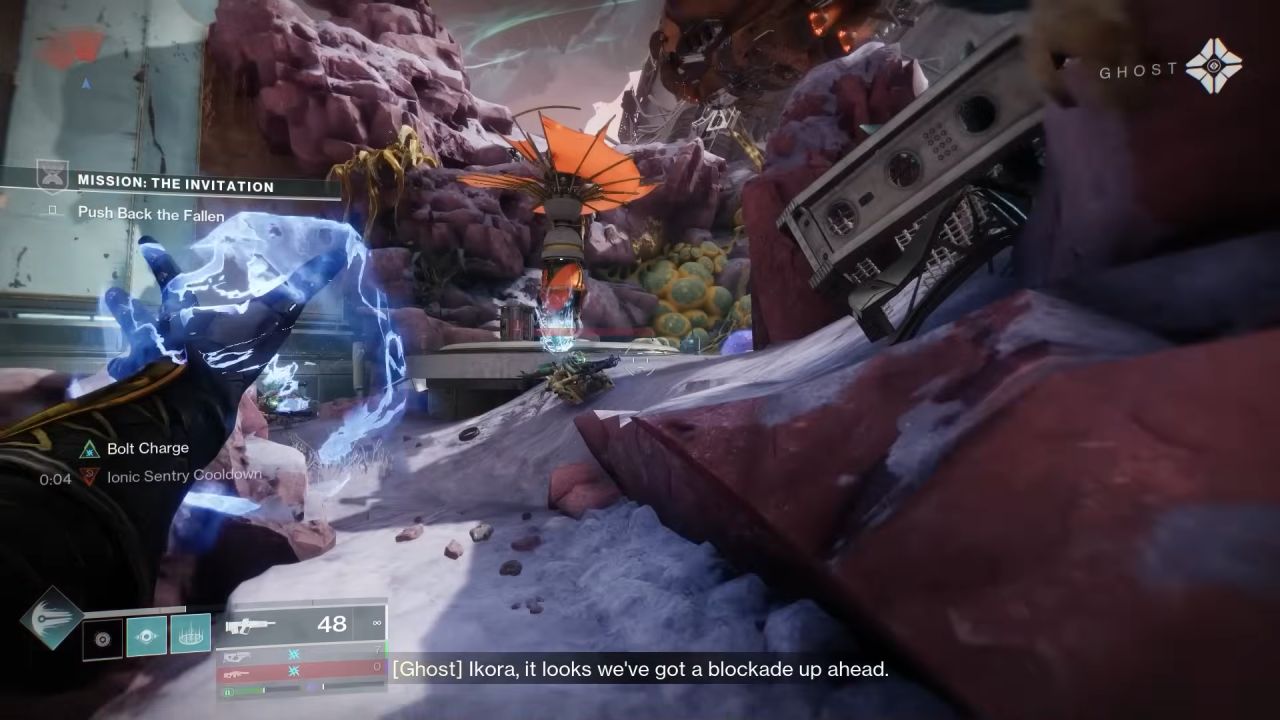
It's evident that Bungie tried to remodel Destiny's formula again, and The Edge of Fate attempts this via a puzzle-focused approach and a revamped grind, which at times tends to get overbearing. The campaign places you on Kepler, the new planet designed for engaging and dynamic gameplay, but fails to pertain to a fulfilling narrative due to the monotony of the puzzle bonanza Bungie has introduced.
Two key abilities you can retrieve on Kepler—Matterspark and Mattermorph—are introduced. These powers are used to solve puzzles, trigger events, and traverse certain sections to accomplish the campaign, but what results is a campaign loop that overstays its welcome.
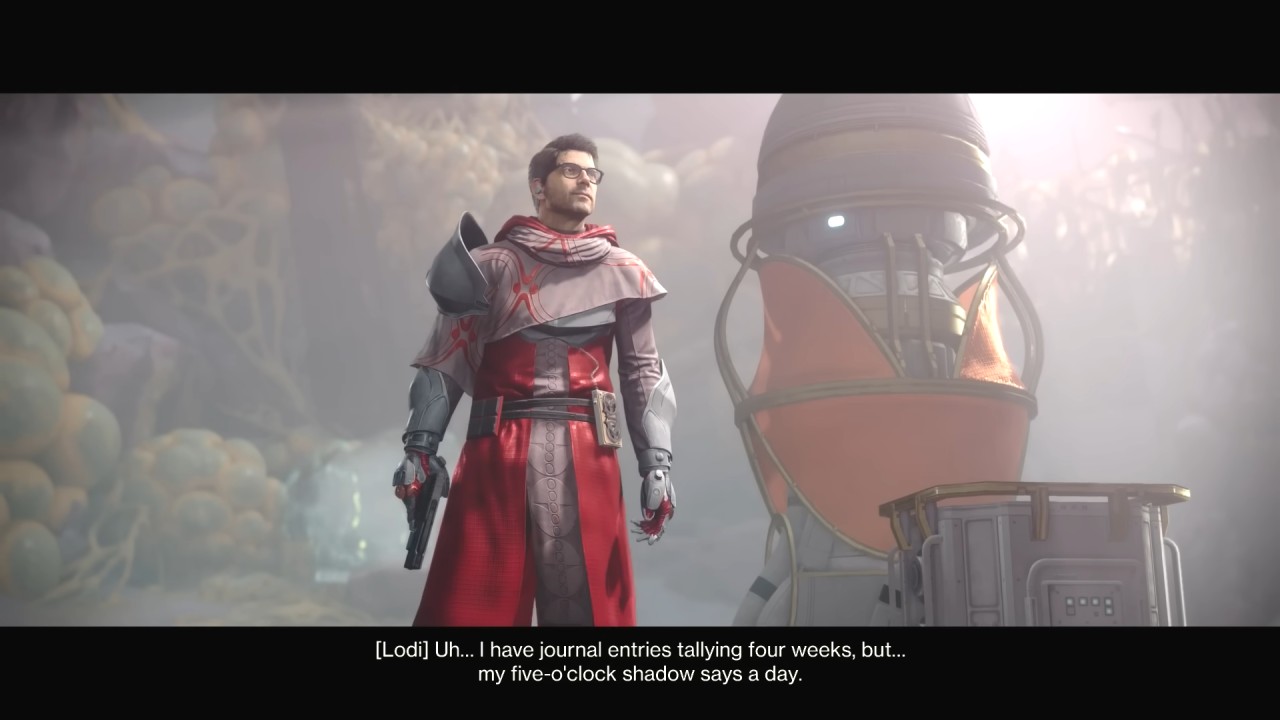
Instead of creative variation, the missions rely on the same repetitive mechanic of puzzles repeated across multiple levels. The repetition becomes so intrusive that it overrides the narrative pacing, drawing attention away from what should be emotionally significant moments between the characters, for instance, Lodi, Ikora, and Orin.
For players familiar with Destiny 2's signature mission variety—think the stealthy mission in Beyond Light or the Savathûn mind games in The Witch Queen—this feels like a major step back. Even Lightfall, as criticized as it was for its chaotic narrative, at least delivered tightly designed, action-driven missions that didn't rely on you pushing orbs through cannons every 10 minutes.
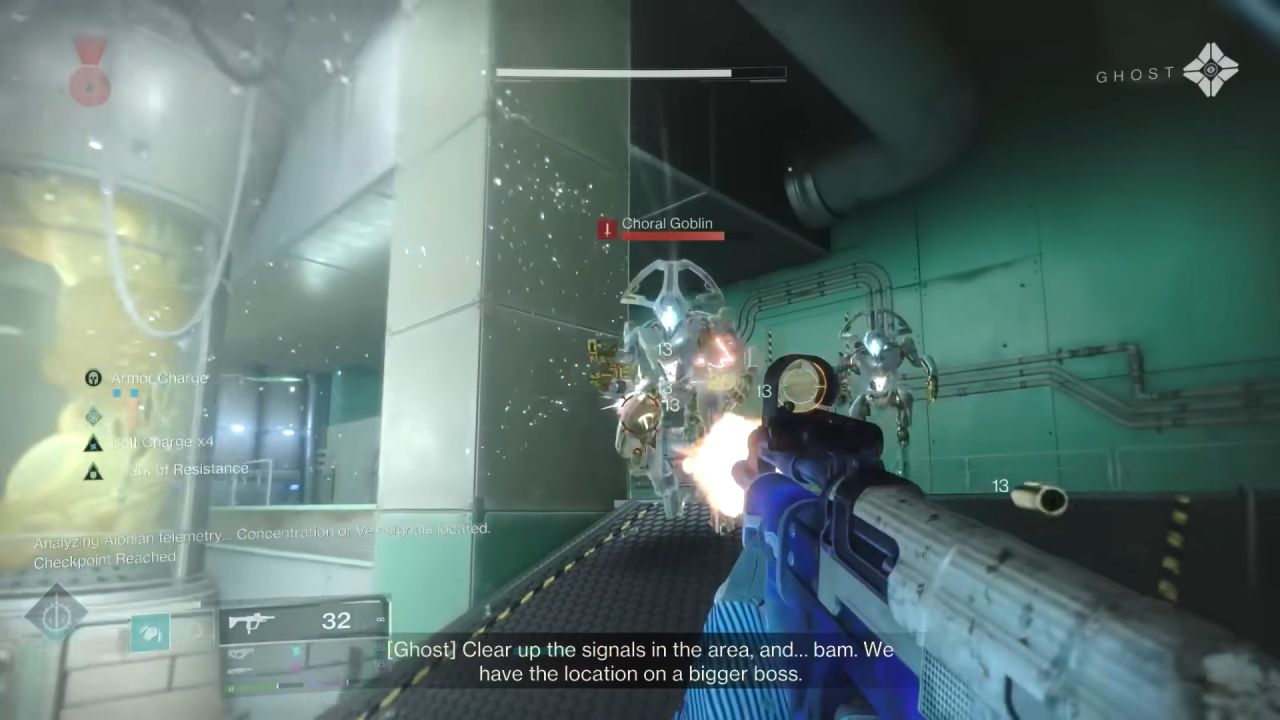
Overall, the structure of the campaign feels like an aberration in contrast to what we associate with the Destiny franchise, which provides for a stale experience when it comes to gameplay. The Edge of Fate reintroduces a Leviathan-style layout when it comes to combat, giving you the option to choose between three starting encounters. While this holistic approach feels refreshing, it quickly turns into exhaustion due to its overwhelming nature.
The raid's damage checks are among the most punishing in the game's history, forcing you to rely on extreme strategies like having several Thundercrash Titans spamming the Thunderlord or grapple-spamming Hunters. Even with top-tier weapons and buffs and debuffs, damage phases often barely dent boss health bars.
Many teams are reporting the need for eight or nine phases just to reach the final stand, and the sense of progress is so slow and sluggish that even experienced players are left feeling defeated. Making matters worse, damage numbers seem misaligned with previous contest modes, containing a minus 25 power delta—underscoring this raid's in-game mechanics may be unintentionally harsher than expected, leaving fans frustrated, especially after a long-awaited release for The Edge of Fate.
Beyond difficulty, technical issues have seriously hampered the experience. Rally flags frequently fail to restore abilities. A game-breaking sprint bug slows you down to walking pace mid-encounter, hence further intensifying the already unattainable difficulty standards set by Bungie. Mission momentum is constantly disrupted by the need to go to Orbit and reset to get rid of the bugs.
New exotics like the overpowered scout rifle with anti-barrier capabilities are fun, but these moments of enjoyment are rare in the game. The addition of the grappler mechanic is a notable highlight—it allows you to swing across maps, speeding up exploration in a way that finally makes Destiny's platforming sections feel fluid and empowering. It's one of the few mechanics that feels both innovative and enjoyable, in an otherwise lackluster game.
Bungie's goal to deliver a challenging grind is obvious. The decision to reset every Guardian to power level 10, introducing a new cap at 400, initially seemed like a strong move meant to streamline progression. It is reminiscent of the early days of Destiny 1, when power progression felt valuable and hard-earned.
The new, advanced Portal system allowed you to target specific loot types, reducing RNG and giving rise to power climbs. For a few short days, it worked as planned. Then, in an unprecedented move, Bungie swiftly disabled the Encore mission, which had become the go-to method for efficient grinding. This sudden shift created an imbalance—those who happened to grind hard in the first two days now sit hundreds of power levels above more casual or working players, entailing dissatisfaction.
It wouldn't be the first time Bungie made backfiring decisions mid-season, but the timing here couldn't be worse, just prior to the raid race. In contrast, expansions like The Witch Queen or even Forsaken managed to balance difficulty and grind by providing consistent avenues for progression and room for development without these kinds of disruptive setbacks.
The shift in design philosophy is bold, but its rollout lacks player consideration, inciting annoyance amongst an already dwindling player base, with numbers from Steam showing the latest expansion didn't even reach the 100,000 benchmark.
Visually, The Edge of Fate is beautiful, like we know Destiny 2 can produce. Bungie solidifies its reputation as one of the leading studios that can develop immersive sci-fi environments. Kepler is haunting, alien, and dystopian. Audio-wise, there's no room to complain, and we wish we could have said that about the game as a whole. While the campaign falters in its pacing and gameplay, the storytelling redeems it somewhat.
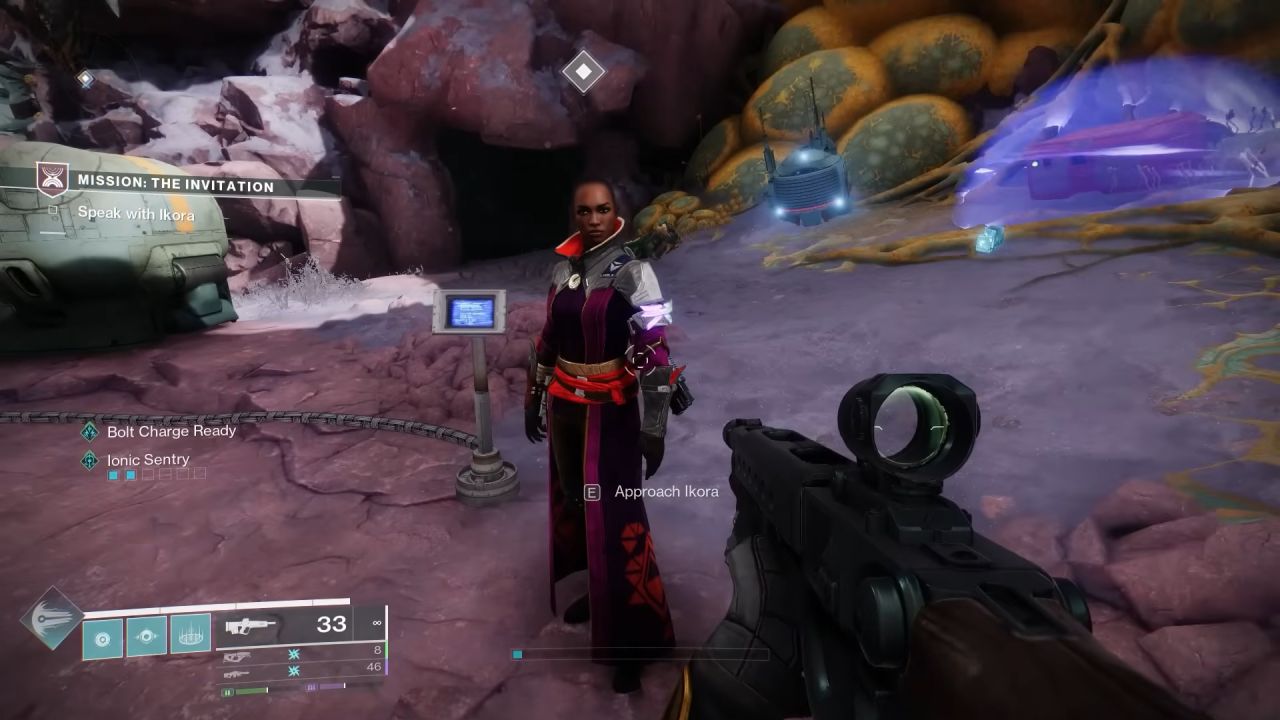
Lodi's reaction to being thrust into the far future, the deepening of Ikora Rey's backstory, and the return of grounded, human storytelling are all highlights. It's rare for Destiny's characters—outside of Cayde-6 or Mara Sov—to feel fully realized, and this expansion finally gives Ikora the narrative depth she's long needed, consolidating her as a mainstay in the Destiny 2 universe.
Destiny 2: The Edge of Fate feels like a test of patience rather than skill. While the narrative and world-building are receiving their plaudits, the gameplay mechanics, bugs, and design missteps, on the other hand, are hindering what could have been one of Destiny 2's most ambitious expansions to date.
Despite its many shortcomings, there's no denying Bungie has laid the groundwork for future success, but at the moment, the vision seems vague. The expansions Ashes and Iron and Renegades are already generating buzz, particularly the latter with its rumored lightsaber-style weapon system. The Edge of Fate may not be Destiny's triumphant return to glory, but it does feel like a building block for an upwards trajectory.
Senior Editor, NoobFeed
Verdict
A stunning setting and a solid story can't save The Edge of Fate from its repetitive gameplay and grind imbalance. A flawed foundation with promise, but this certainly is not among Bungie's best works.
65
Related News
No Data.