
EA Sports UFC 6 Review
PlayStation 5 Pro
A deeper, smarter fighting system held back by recycled systems, familiar modes, and uneven progression.
Reviewed by Mahi Araf on Jun 13, 2026
EA Sports UFC 6 arrives after a fairly long gap, and you can feel that expectation hanging over it from the moment you step into the octagon. It's the kind of release that comes after a previous entry did well enough to reset expectations for the franchise, especially after UFC 5 refined the formula and kept the series in a strong place.
With three years of development time behind it, you're naturally expecting something that feels like a proper evolution rather than just another refinement pass. You're stepping into a series that has always sought to balance simulation and accessibility. Over the years, EA's UFC games have swung between feeling like technical fighting simulators and more arcade-leaning brawlers, and UFC 6 continues to sit somewhere in the middle.
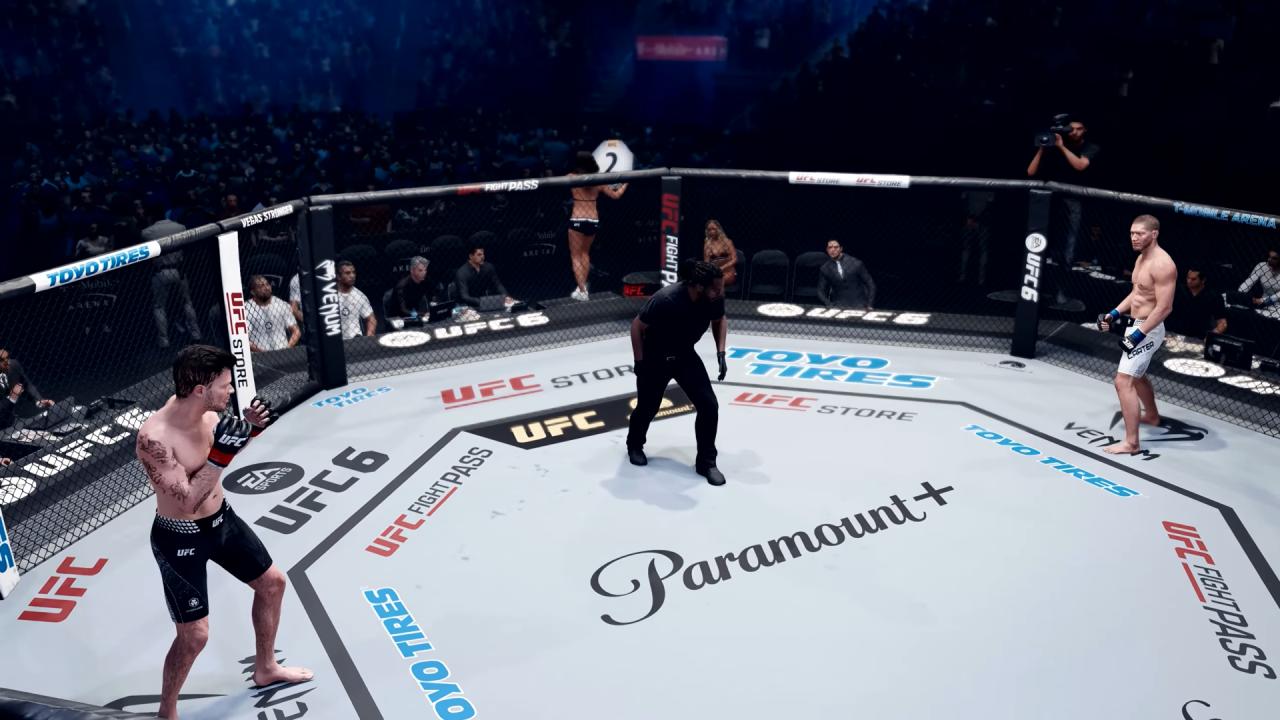
It clearly wants you to feel like every punch matters, every movement has weight, and every decision inside the cage reflects real fight IQ rather than button-mashing instincts. At the same time, you can tell that this entry is built on the foundation of UFC 5 rather than replacing it.
That creates an immediate tension in how you experience it. On one hand, you're seeing refinements that genuinely improve how fights feel moment to moment. On the other, you're constantly reminded of systems, menus, and animations that feel carried over almost directly, without much reinvention.
That combination defines UFC 6 more than anything else. It's not a reboot or a dramatic leap forward. It's more like a recalibrated version of what came before, with a few standout systems pushing it forward and a few long-standing issues still following closely behind.
When you look at the overall structure of EA Sports UFC 6, you're getting a package that tries to cover every angle of MMA life. You've got the standard career mode experience, multiple offline-focused modes, online competitive play, and additional showcase-style content like legacy and Hall of Legends content.
The intention is clear: give you a reason to stay engaged whether you care about competitive play or just want to build a fighter over time.
Career mode is still the central pillar. You start by creating a fighter or selecting an existing one, and you're immediately dropped into the UFC ecosystem. The creation system will feel extremely familiar if you played UFC 5.
You're still choosing between standard archetypes like kickboxer, boxer, wrestler, MMA, and jiu-jitsu, along with preset perks that define your style. If you were expecting a major overhaul in customization depth, you're not getting it here.
Visually and structurally, fighter creation still leans heavily on older assets. Hairstyles, tattoos, and general customization options feel like they've been carried over, which makes the experience feel a bit stagnant in that area. Body types show slight variation, but nothing that fundamentally changes how you build your fighter.
Where things do improve slightly is in the way you shape your fighting identity after creation. Once you're inside the system, you start to notice more flexibility in how your strikes behave. You're able to select different versions of the same strike, like fast jabs, heavy jabs, or more balanced variations.
On top of that, you can change the animation "skin" of strikes, which gives you more visual and stylistic control over how your fighter moves.
This is where EA Sports UFC 6 starts to feel more modern. It doesn't just ask you what move you want to use; it lets you shape how that move looks and feels. That adds a layer of replayability to career mode, especially if you like experimenting with different fighting styles and pacing.
Outside of career mode, you're also getting a range of offline and hybrid experiences like prologue content, Hall of Legends, practice tools, and quick fight modes. The Hall of Legends mode, in particular, offers a museum-like experience where you revisit iconic moments in MMA history.
You step into classic fights and take control of legendary fighters in recreated scenarios. It's not something that changes the core loop, but it adds variety when you want something different from standard progression.
There's also legacy-focused content in the onboarding.
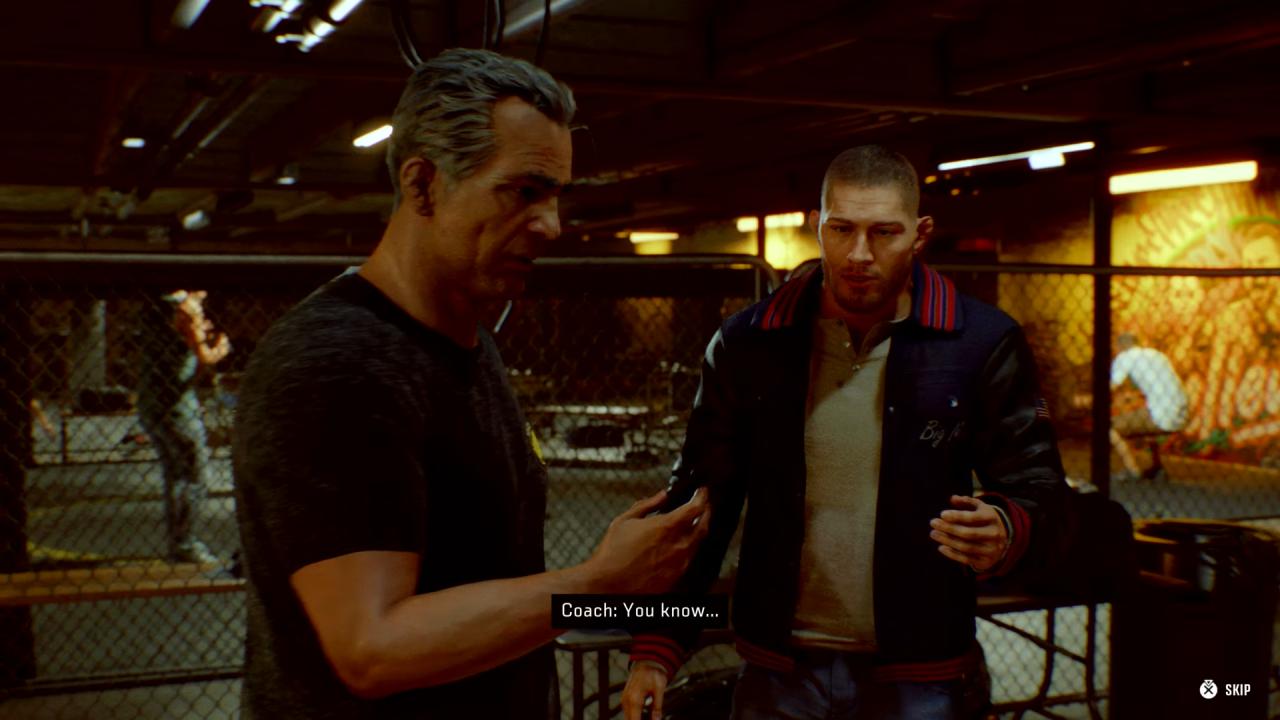
You have a structured narrative path with a created fighter, going through cinematic moments and fights that slowly introduce you to the systems. Characters like coaches and rivals make the experience more story-driven than past entries, even if the storytelling itself is still pretty straightforward.
Career progression also involves social systems, training camps, and popularity management. You're always weighing performance against hype, sponsorships, and fan engagement. It creates the illusion of a living career path, even if the underlying choices often come down to selecting from menu options rather than deeply branching decisions.
Gameplay in EA Sports UFC 6 is where the biggest changes become obvious. The second you enter into a fight, the pacing feels immediately different from UFC 5. The striking is much more refined. Hits feel more weighty and impactful. There's a stronger sense of physicality in every exchange, and you can feel when you land clean shots in a way that wasn't always as consistent in previous entries.
A major shift comes from how the game handles timing and positioning.
UFC 6 makes you think more about choices than just relying on repetitive pressure tactics and predictable slip-and-counter loops. You get punished hard if you spam aggressive trades or use predictable movement patterns. This makes you think more about spacing, timing, and when to actually commit to an attack.
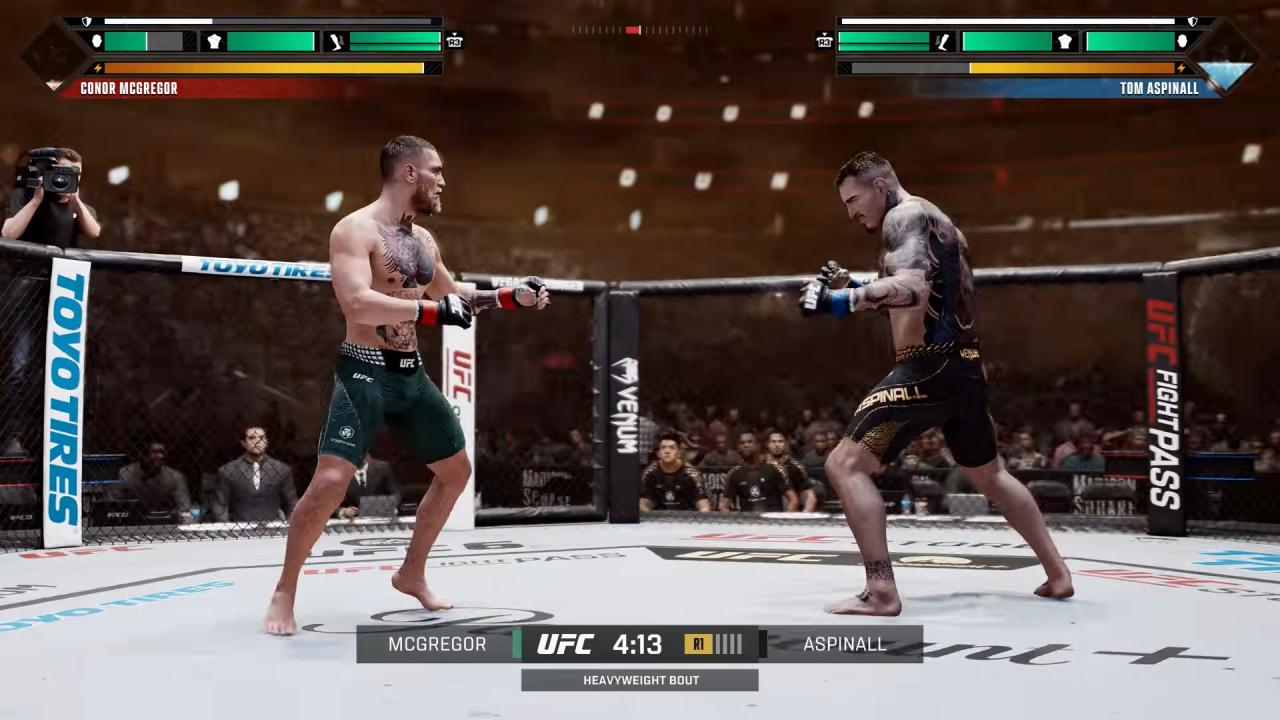
This is a major change as it shifts the overall flow of fights. "You're not just throwing combinations anymore; you're controlling distance and reading your opponent a little more. It creates a slower, more deliberate pace where mistakes are more costly and correct reads are more rewarding.
The other big gameplay system is the flow state mechanic. Each fighter has benefits that add up to a flow meter based on specific actions. When you do well at something, like hitting counters or certain kinds of strikes, you build momentum towards a flow state.
When used, it grants you a short-lived power capable of changing the course of a fight.
This system gives fighters identities, making you want to play in ways that match their real-world styles. If you're using a pressure-heavy striker, you're rewarded for staying aggressive in controlled bursts. If you're using a technical fighter, you're encouraged to rely on precision and timing. It creates a sense of personality within each matchup.
However, it also introduces a layer of restriction. You often find yourself sticking to specific actions just to maintain flow, rather than adapting freely to whatever your opponent is doing. That can make fights feel slightly scripted if you focus too much on optimizing the system rather than reacting naturally.
Outside of striking, grappling remains largely familiar. If you played UFC 5, you'll immediately recognize the pacing and structure. It still leans toward a slower, more deliberate exchange system that can feel stiff at times. While it functions well enough, it doesn't evolve in the same way that striking does, creating an imbalance between the two core systems.
Stamina management also plays a noticeable role.
The stamina bar drains quickly in certain situations, disrupting the natural rhythm of exchanges. Instead of long back-and-forth sequences, you're often forced to pause or reset more frequently than you might expect.
Combat in EA Sports UFC 6 is both its strongest feature and one of its most divisive elements. On the positive side, the striking system feels more responsive and grounded than before. You get clearer feedback from hits, better visual damage representation, and more believable knockdowns. When you land clean, it feels significant.
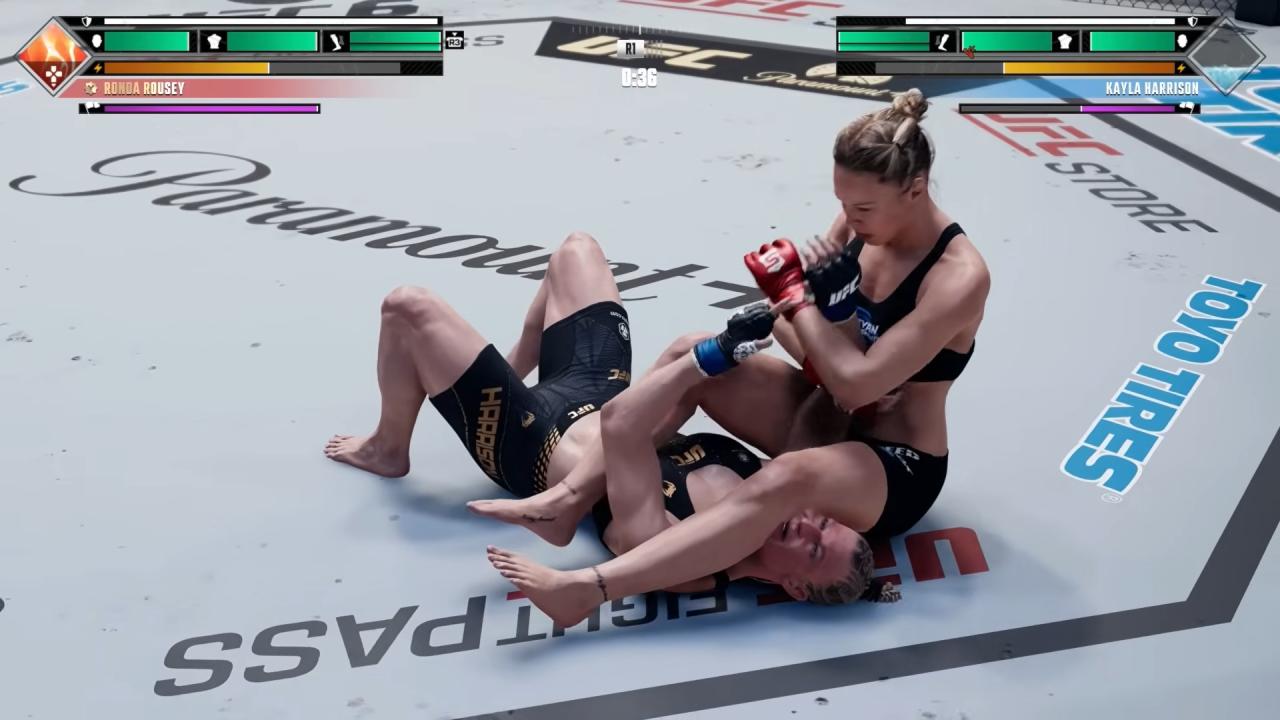
At the same time, some systems around combat don't always align perfectly with the pace the game is trying to create. The flow state mechanic is interesting but sometimes feels like it pushes you towards specific playstyles, rather than full adaptability. The grappling is also a bit undercooked compared to the striking, which makes some parts of the combat loop a little less exciting.
Progression is very much tied to use-based upgrades.
The more you use a particular move, the better it becomes. You also upgrade attributes such as power, accuracy, and durability with skill points. Perks are a huge factor in how your fighter will evolve long-term, especially since flow-based bonuses are baked into them.
The training systems are still based on known structures such as sparring sessions or weekly planning. You have a limited number of points to spend on activities, and managing this is part of your progression strategy. But simulating training can lead to lower rewards or higher risk, sometimes making you want to not skip boring sessions.
Hype systems, social media interactions, sponsorships, and event participation are also part of career progression. These systems introduce variety, but many still amount to menu-based choices rather than real interactive moments. That can make long-term progression feel mechanical despite its layered presentation.
Visually, EA Sports UFC 6 maintains a solid presentation standard. Fighter models are generally detailed, and the fight presentation captures the broadcast feel of actual UFC events. Lighting. Commentary. Replay systems. They all contribute to the atmosphere.
But there are still contradictions. Some fighters don't really look like their real-life counterparts, and some body proportions feel a little bit off. The HUD can also feel a little crowded during the fight, which detracts from the focus on the action itself.
Menus and interface design outside the octagon are clean and modern, but not perfect. Visual glitches and technical bugs are everywhere in training and fights, like camera obstructions, animation problems, and random crashes.
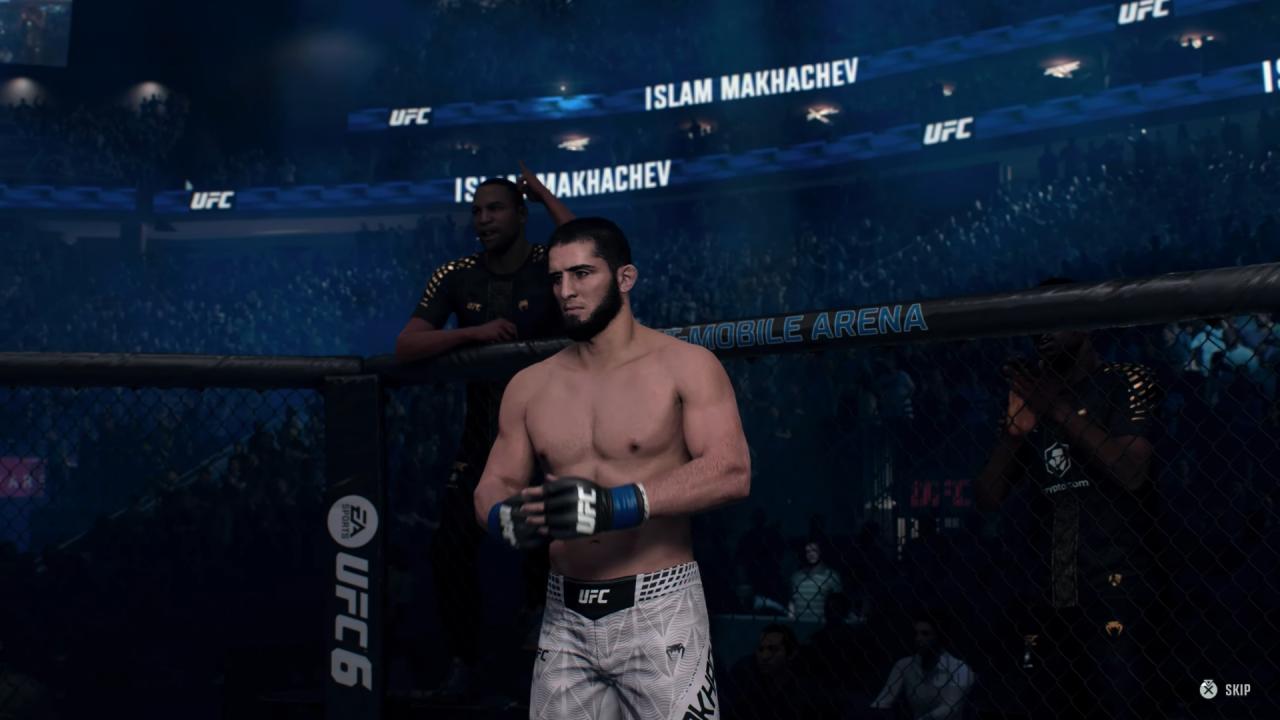
These moments pull you out of the experience and suggest some of the modes might not have been fully polished.
The sound design is functional and recognizable. The impact sounds when you strike carry weight, and the commentary helps maintain the atmosphere, though it does get repetitive after a while. Entrance audio and crowd reactions help build tension, especially in major fights.
EA Sports UFC 6 is a game that clearly improves the moment-to-moment fighting experience, especially in striking and tactical engagement. Still, it doesn't fully escape the limitations of its previous entry. You're getting a more intelligent, more deliberate combat system wrapped in familiar modes, recycled elements, and uneven progression systems. It succeeds most when you're actively fighting. Outside the cage, it still feels like it's catching up.
Senior Editor, NoobFeed
Verdict
EA Sports UFC 6 refines the fight but doesn't fully reinvent the experience, delivering strong combat wrapped in familiar systems that still need evolution.
78
Related News
No Data.