
How to Choose a Graphics Card in 2026 Without Overpaying?
Choosing between NVIDIA, AMD, and Intel graphics cards in 2026 depends on VRAM, pricing, and CPU pairing rather than raw speed.
Hardware by Naheyan Tahmin on Jul 29, 2026
When it comes to graphics cards, there's more to it than just picking the fastest one on a benchmark chart. With pricing, VRAM capacity, driver support, and CPU pairing, anything can make a graphics card upgrade worthwhile or unworthy depending on what you're buying, and there's no point in overlooking any of these.
NVIDIA, AMD, and Intel are each targeting different areas, and users should consider which gaming, monitor, and budget they fall into when choosing a card. NVIDIA is still the top option in the present market. RTX 50 series adds the Blackwell architecture, with most models getting powerful ray tracing capabilities and GDDR7 memory.
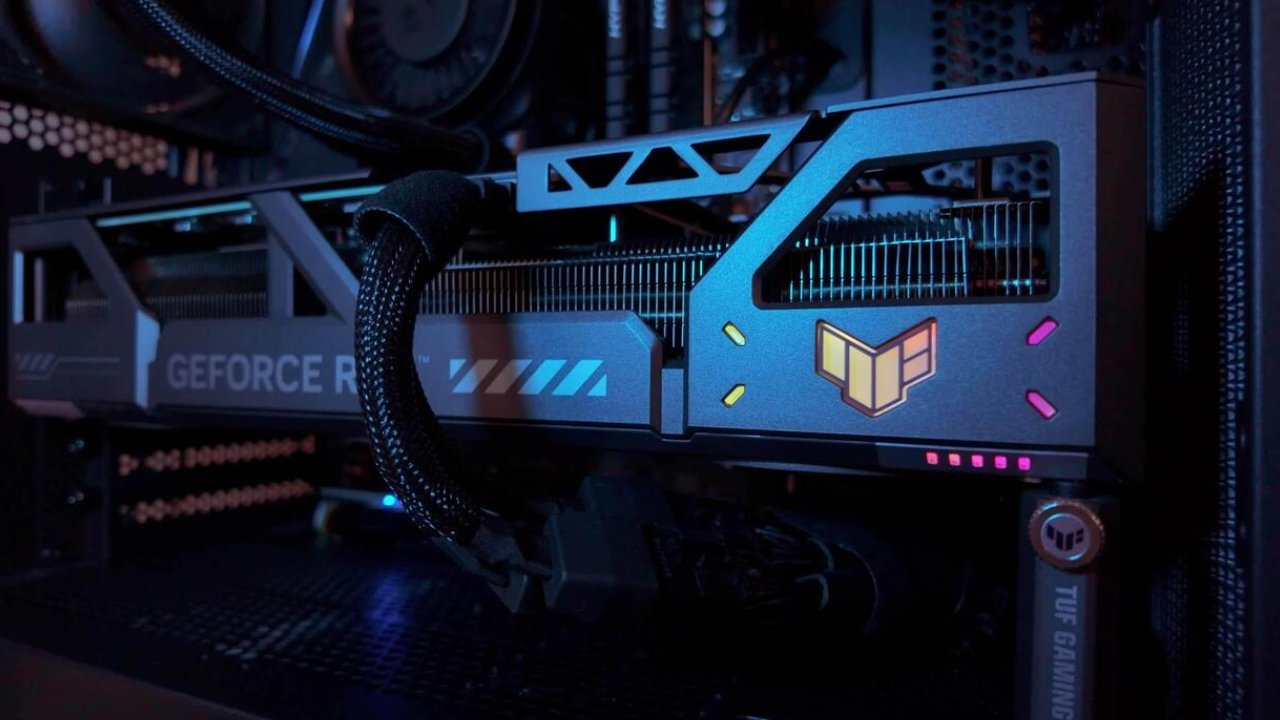
NVIDIA's Situation in 2026
DLSS4.5 introduces the new feature of generating multiple frames dynamically; NVIDIA says that 6x frame generation can boost up to 35% 4K frame rates in path-traced games with the RTX 50 cards. Weak native performance is not a mitigating factor for frame generation, however. It can affect the number that is displayed in an FPS counter, but latency is still another factor, and for competitive gaming, native FPS is the key.
NVIDIA's feature set remains the most robust of any vendor, especially for movies, and will keep that lead in ray tracing. We think the only time NVIDIA might qualify as a premium option is when it remains priced reasonably, but that's the sticking point. High-end RTX 50 cards such as RTX 5070, RTX 5070 Ti, RTX 5080, and RTX 5090 are experiencing higher prices and low stock levels, according to recent GPU price tracking. Too expensive and too fast - can be the wrong upgrade.
Why AMD Changes the VRAM Conversation?
AMD rebalances the value equation with the RX 9060 XT 16GB, offering more memory to mainstream gamers without the need to upgrade into a higher price tier. AMD says the card has 32 compute units and a 3130MHz boost clock, and uses a single 8-pin connector. NVIDIA's RTX 4060 chips are directly involved in this.
RTX 4060 was priced at $299 with 8GB of GDDR6 memory, and the RTX 4060 Ti was available in 8GB and 16GB GDDR6 memory with different price points. Eight gigabytes of VRAM is not a problem if you play 1080P esports games or lighter. The worry is how many buyers will buy a GPU only to be limited by their lower texture settings.
Newer AAA games require more memory for higher texture settings, ray tracing, mods, and 1440p gaming, and memory testing has always resulted in stutter, texture pop-in, and huge performance struggles when memory is insufficient. That's a reason why the 16GB RX 7600 XT is a strong mid-range player.
AMD isn't always the most innovative in terms of ray tracing, but often it's more worthwhile to invest in more VRAM for a reasonable price. The caveat is that reports suggest AMD may hike the price of the GPU+VRAM bundle to board partners by approximately 10%, but as yet there's no official confirmation from AMD.
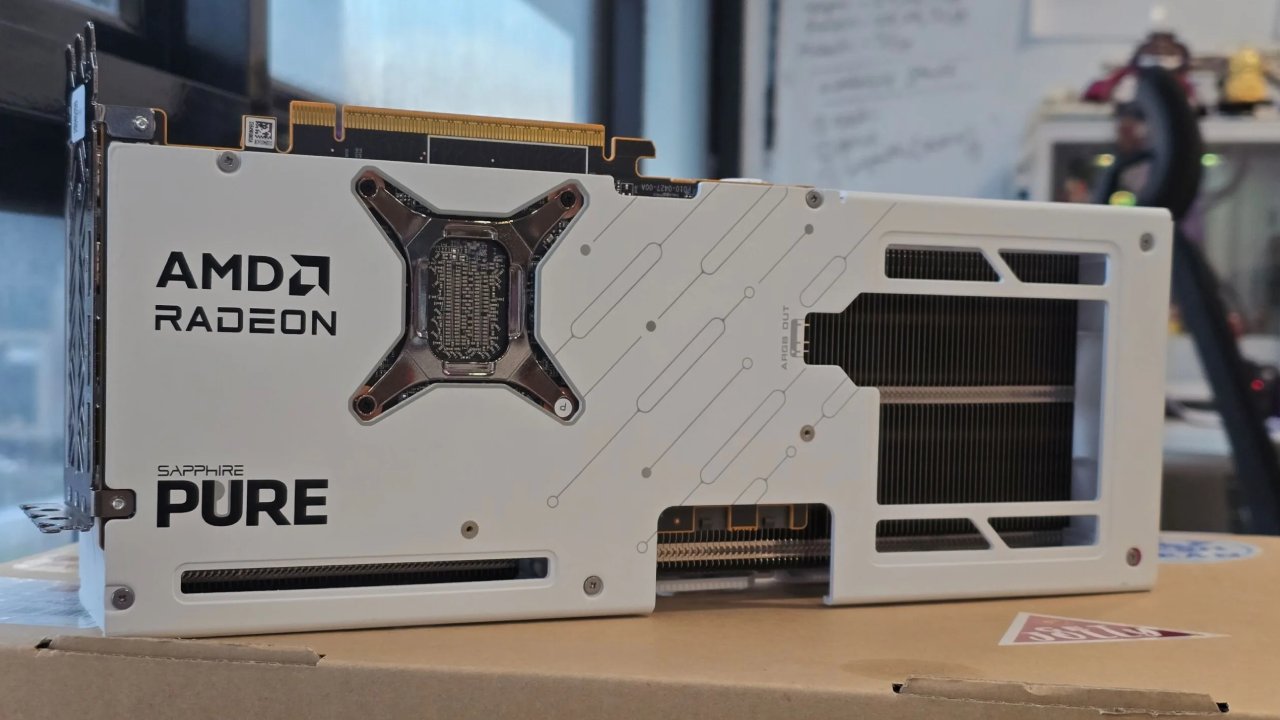
Intel Arc Fits into the Market
Intel Arc A580 is not a high-end graphics card, but with 12GB of VRAM, positioning for a 1440p display, XeSS upscaling, and better driver support, it's one of the more interesting options on the market for budget graphics. The package is complemented with upscaling, frame generation, and low-latency capabilities, all of which are part of XeSS 2.
The trade-off is that Intel still relies on drivers, game levels, and CPU usage. B580 may deliver less performance with older mid-range chips than with comparable AMD chips, which means performance is less likely to be evident in benchmark charts of systems with older Ryzen5 or Core i5 chips. For some systems, Intel Arc can be a good value, but not the most secure plug-and-play option.
While it is usually regarded as the limiting factor, you can find a game that actually requires the CPU more than the GPU at 1080p high refresh. Esports, simulation games, and open-world titles are all examples of games that often require a CPU over a GPU. The reason for this is that the additional cache will further benefit the GPU by feeding it more efficiently, hence why Ryzen X3D chips are stronger for this purpose.
Intel Arc graphics cards present strong budget value but remain dependent on drivers.
Intel's Core Ultra 200S Plus family adds memory support; Intel has also pushed up the prices for some newer CPU variants. If you're playing games at 1440p or 4K with high graphics settings, make sure you prioritize getting more powerful graphics cards. When running at 1080p resolution, with competitive settings, and experiencing frame rate inconsistencies, the performance is more likely to be limited by the CPU.
NVIDIA is the clear winner for high-end ray tracing, AI performance, and creative applications, if price is a consideration. When it comes to gaming value, VRAM capacity, and impressive 1440p graphics, AMD is the safer bet, especially in 16GB models. If money is tight, Intel Arc could be a good choice as long as your chip isn't too old and your games work well with it.
There shouldn't be just one best name in 2026. The buyer who doesn't pay too much for the wrong upgrade is the one who deserves it. There are three questions you should ask before buying a graphics card: how much VRAM the games you're interested in need, how powerful the CPU is, and whether the price is reasonable for the performance.
Editor, NoobFeed
Gaming Hardware Updates
No Data.