
FREERIDE Review
PC
A surreal ride through choice, identity, and frustration.
Reviewed by Wasbir Sadat on Feb 10, 2026
FREERIDE is an experimental narrative RPG developed by Flightyfelon Games Inc., a company that clearly wants to combine story with player psychology. The company didn't want to make a typical role-playing system with leveling, combat builds, and inventory management. Instead, they focused on story and player behavior that were driven by choices. FREERIDE is both a story-based journey and a personality test.
This unique mix of elements makes it stand out from other role-playing games. The idea is easy but big: keep track of everything the player does and, at the end of the game, show that information back to them as a personality profile. Even though it's not a sequel, it feels like a bold move into a place between interactive fiction and experimental indie RPG design.
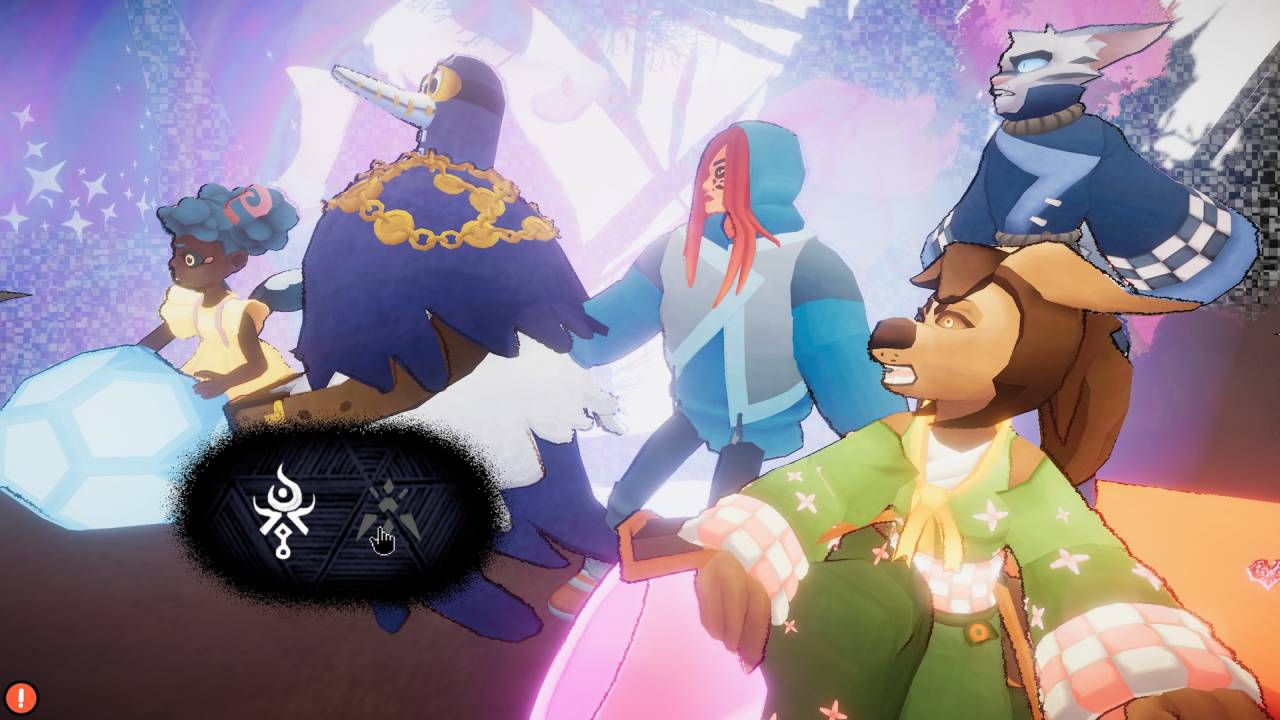
It's clear from the start of FREERIDE that mood, symbolism, and character interaction are more important than mechanical depth. As a result, the game feels creative and unique, even though it has trouble putting all of its ideas together.
FREERIDE starts quietly at a train stop by itself. Our character, Proto, gets on the Fate Train 001 and is quickly pulled into the Spirit World, which is like the afterlife and is where ghosts stay to finish up unfinished business. Princess Lepida, the train conductor, quickly introduces the world before disappearing for no apparent reason, leaving Proto to take over as conductor almost right away.
This quick change sets the tone for the story. FREERIDE doesn't take much time to explain itself. Instead, it throws players into a strange journey with weird settings, events that mean something, and a lot of strange spirit characters. The Spirit World is shown to be unstable and slowly falling apart, which makes Proto's surprising duty feel more urgent.
A lot of the story is about helping spirits deal with their own problems while navigating multiple routes and choices that can't be changed. The game often stresses how important choices are, and players can't always go back and change their minds without starting over. This style makes it easier to play again and again, but the first time through can feel confusing or unfinished.
The personality-test framing device is run by The Seer, a mysterious observer who looks at how players act between acts. Every little thing you do, like exploring, giving things as gifts, ignoring people, or interacting with things, adds up to your personality. The idea behind the system is interesting, but sometimes it feels more like a theme than an important story driver.
FREERIDE's writing works best when it comes to the small moments between characters rather than the big story. Simple but charming writing makes characters like Albion, the poetry bird, and other strange beings stick with you. The bigger story, on the other hand, jumps around too quickly between events, though, making it hard to get a feel for the world or what's at stake.
By the end, the emotional effect is still there, but it's not the same everywhere. Even if the story is messy or rushed, the trip can still be meaningful.
.jpg)
The main ways to play FREERIDE are to explore, talk to other people, and use telekinesis to connect with your surroundings. As you move through stylized areas of the Spirit World, you talk to characters, pick up items, and sometimes have to choose between different ways that lead to different places.
One important mechanic is giving people things as gifts to change their relationships, but the feedback system is meant to be vague. A lot of the time, the game doesn't explain what the symbols mean, so players don't know how their choices affect the game's results. The structure stays the same throughout the whole journey.
It doesn't have any of the typical RPG development systems, like skill trees or leveling up. Instead, FREERIDE is all about playing it over and over to find different endings, paths, and personality results. A single game takes about three to four hours, so you can try new things on different runs.
Keeping track of your personality is an intriguing concept, but the gameplay does not evolve significantly over the course of the game, which might make it feel like you are playing the same thing over and over again. You can connect with FREERIDE mostly through the use of telekinesis. Lifting things, moving objects along a route, and throwing items are all options for players.
Through the use of this ability, one can connect with the surrounding environment, solve easy puzzles, present gifts, and engage in combat. Combat only happens sometimes and includes throwing things near enemies. This should keep fighting in line with the game's main mechanic, at least in theory. But when you use it, it often feels strange and vague. The camera views, how well objects are targeted, and how responsive the controls are can make encounters frustrating instead of fun.
Additionally, there are brief pauses in the gameplay, such as rhythm-based passages, which are surprisingly enjoyable despite the fact that they are not utilized very frequently. Rather than focusing on problem-solving, the majority of puzzles are straightforward and emphasize participation. Touch is more important than strategy when it comes to the telekinesis feature, and players don't have to deal with a lot of challenges.
.jpg)
It is a clever idea, and it fits with the funny tone of the game, especially when you use it to move things around in the world.
Telekinesis is a creative idea. In addition to enhancing the enjoyment of playing around, it lends support to the concept of personality tracking. But execution isn't always constant. The controls aren't always responsive, and the camera's limits make it hard to be precise when throwing. Combat, in particular, seems pointless and immature, as if it were only added to make things more interesting.
The method for giving gifts has the same problems. The game has an interesting theme, but it's not very clear or gives players useful feedback, which makes it hard for them to understand what happens when they do something. These developers have good ideas, but they aren't always put together well. FREERIDE doesn't have standard XP systems, leveling up, or improving your stats. The story drives development, which is tied to player choices, branching paths, and the ability to play the game again and again.
The personality test system, which keeps track of how you play across playthroughs, is the most similar thing to advancement. Instead of getting better mechanically, players learn more about the story and world by playing it over and over again. This backs up the idea that FREERIDE is less about growth through numbers and more about reflection and finding.
One of the best things about FREERIDE is how it looks. The sketchy, bright art style gives the Spirit World a dreamlike feel that makes me think of hand-drawn animation.
Even when the writing isn't great, the characters are creative and easy to remember. One thing that stands out is environmental planning. Each area has its own unique and creative feel, with things that beg to be interacted with. The presentation has personality thanks to the subtle movie framing and stylized outlines. In spite of the fact that there are a few frame drops and rough edges in the environment, the visual direction is consistently appealing and expressive.
There is also a wonderful aspect to the music. A strong sense of its own personality is conveyed to each location through the use of bright, lively melodies and gloomy soundscapes. It is possible for music to assist in carrying the emotional weight of a story when it is progressing too slowly.
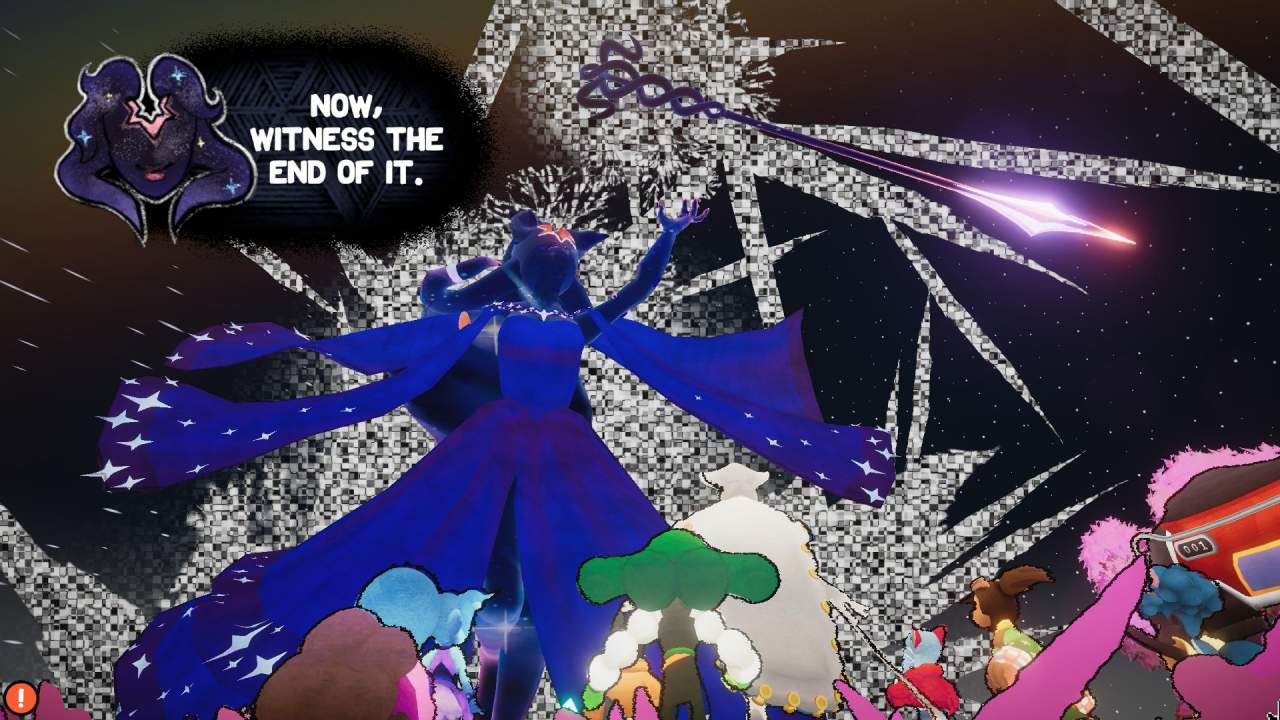
The sound design is just as good, with unique conversation sounds, UI sounds, and background noises that fit in well with the visuals. The audio and art direction work together to give FREERIDE its best sense of unity. It is a clever attempt at a story-based role-playing game, but it is not very good.
Despite the fact that the story and the gameplay mechanics do not often work well together, it stands out due to its personality test concept, its funny art direction, and its distinctive soundtrack. Character moments that are relatively brief, graphics that are imaginative, and topics that are ambitious are the game's strongest points.
It has the potential to be fantastic; yet, the mechanics are not well-explained, the controls for the telekinesis are unstable, and the story advances too quickly. It seems as though the principles behind FREERIDE are more important than the actual gameplay itself in this game. It is possible that it is still worthwhile to continue if you enjoy experimental writing and story design that is centered on the concept of replay value.
Contributor, NoobFeed
Verdict
FREERIDE delivers charm, creativity, and an intriguing personality-test concept, but uneven storytelling, clunky telekinesis mechanics, and unclear gameplay mechanics hold it back from becoming a truly memorable narrative RPG experience.
80
Related News
No Data.