
Jump Space Review
PC
Early Access
When Space Survival Turns Into Total Chaos
Reviewed by Maisie Scott on Sep 23, 2025
It's getting harder and harder for new cooperative shooters and roguelikes to stand out in a market that is already full of them. These games often feature corridor shooting, predictable waves of enemies, and upgrades that feel more like chores than progress. That's why many people thought Jump Space was just another short-lived early-access experiment when it first came out.
However, just a few days after the Steam demo was released, the game had already been downloaded over half a million times and added to wishlists more than a million times. This sudden rise in interest wasn't just hype; it showed that Jump Space was doing something truly unique.
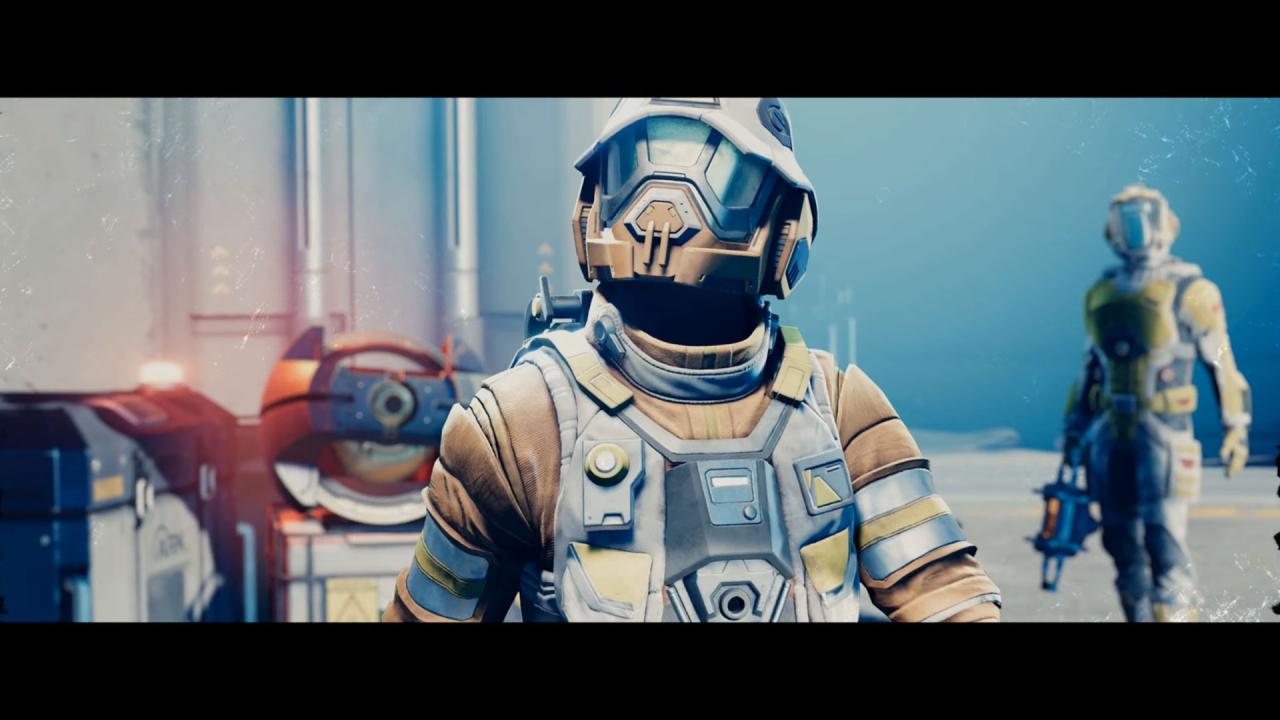
Jump Space doesn't just keep you on the ground or in a spaceship cockpit; it asks, "Why not both?"
This game features a variety of elements, including first-person shooting, roguelike progression, cooperative ship management, and space combat.
Every session is a mix of strategy and slapstick, and things that go wrong in real life often mess up the careful planning that was done ahead of time. There are fires, drones swarm the hull, shields fail in the middle of a battle, and sometimes your whole crew is left floating helplessly in zero gravity while your ship burns behind you. But these are the times that make Jump Space so memorable.
The game originates from a small studio that aspires to achieve big things. Their goal was dangerous yet straightforward: to create a game that performs well when things don't go as planned. Jump Space has already set the stage for one of the most exciting and chaotic cooperative experiences in years, even though early access is just the first step.
Jump Space is primarily about the gameplay, but the story provides a strong foundation for the chaos that unfolds. The story takes place in a galaxy torn apart by a mysterious virus that has turned machines against humanity. The infection has taken over fleets of warships, and drones that used to be reliable are now deadly killers. Experimental jump-capable ships are humanity's last hope. These ships can jump between sectors to look for the virus's source.
You start the game as an Atran survivor, one of the few people left after your colony fell apart. Iris, an AI core that can't be corrupted, is introduced in the first missions. As you fix up your first ship, the Catamaran, Iris becomes both your guide and your lifeline. From there, the journey is made up of missions that take you deeper into enemy territory, with the Hangar as your base.
The Hangar is more than just a menu screen; it's a busy social hub where you can talk to NPC survivors, improve your ship, and meet other players. Vendors sell parts for boats, engineers offer upgrades, and bulletin boards show missions.
.jpg)
The plot begins to take shape at this point. You'll hear people talking, get side tasks relating to viruses, and meet interesting survivors who make the usually dark cosmos more interesting. The plot doesn't have a lot of movie-like features, but it does a good job of making you feel that you need to act quickly, that survival is dangerous, and that every step into the unknown may be your last.
Jump Space is a cooperative first-person shooter for up to four players, based on missions.
But your ship isn't just a weapon like in most shooters; it's the main character. Your crew picks a path across the galaxy map to start a mission. Do you choose the safer route, collecting resources and fixing broken things? Or do you take the risk of a dangerous jump into enemy-controlled areas for better rewards?
This branching path makes each run feel like a roguelike game. If you succeed, you get salvage, resources, and artefacts. If you fail, you have to start over and learn from your mistakes. Every choice sends out ripples that affect the balance between greed and survival.
Managing a ship is surprisingly complicated. A grid-based inventory system is necessary to set up a reactor that powers items such as shields, weapons, and engines. Putting together the parts of a reactor is like solving a puzzle: you have to find the right balance between defence and offence.
The crew must constantly switch these systems around during battle, directing power to where it is needed most. If you don't pay attention to one area for too long, your ship will quickly go out of control. Jump Space loves chaos, and that's what it gets.
The game keeps throwing unexpected disasters at you, like fires that spread across decks, hull breaches that suck crewmates into space, boarding parties that storm your corridors, and sudden malfunctions that make you have to make emergency repairs. Anyone can take the pilot's seat, man the turrets, weld a hole, or run outside with a jetpack to repair a hole on the outside.
There are no set roles. This freedom lets people improvise brilliantly and fail spectacularly. The best part? Both results are equally fun.
There are two main types of combat: ship-to-ship battles and firefights on foot. When you're flying, battles feel heavy and tense. You have to dodge enemy fighters that are flying around you in circles, and bigger corvettes or frigates make you do so.
Asteroid showers, radiation storms, and collapsing debris fields are among the environmental dangers that make each encounter unique. It's not just about aiming when you're piloting; it's about staying alive. If you don't steer your ship well, it can show off its weak spots, making it hard for your teammates to make quick repairs.
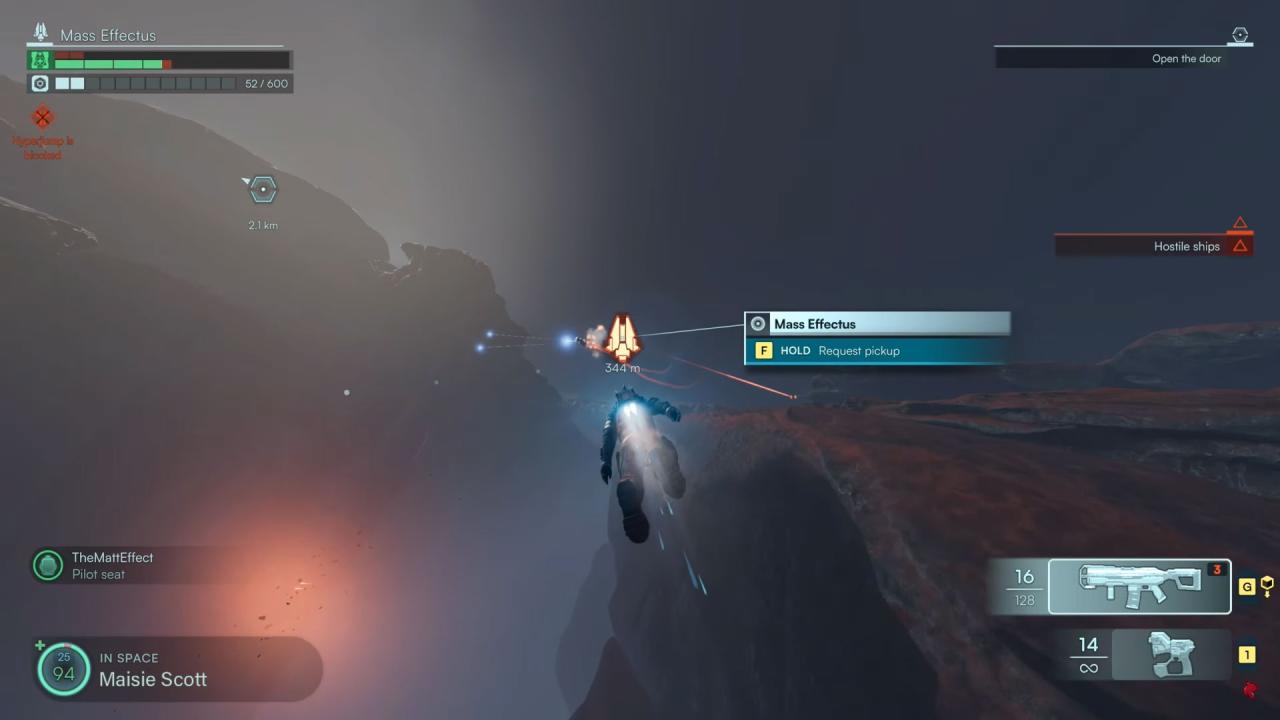
Fighting on foot is just as important. In boarding missions, you go into enemy ships and abandoned stations to fight corrupted machines in tight spaces. Movement is highly dynamic due to the use of jetpacks, grappling hooks, and double jumps. Fights in zero gravity are exhilarating.
Picture yourself tumbling head over heels through open space, shooting at drones while trying to get your bearings before crashing into the side of your own ship. It's a mess, hard to follow, and totally exciting.
What makes Jump Space more than just a shooting game is how its systems work like puzzles. Managing the reactor grid becomes a mini-game of efficiency. When you have to fix broken modules, you often have to think quickly and solve problems under pressure. Even in battle, it feels like a puzzle: when to retreat, when to board, when to use all your weapons, and when to give up. This combination of action and problem-solving makes every mission interesting.
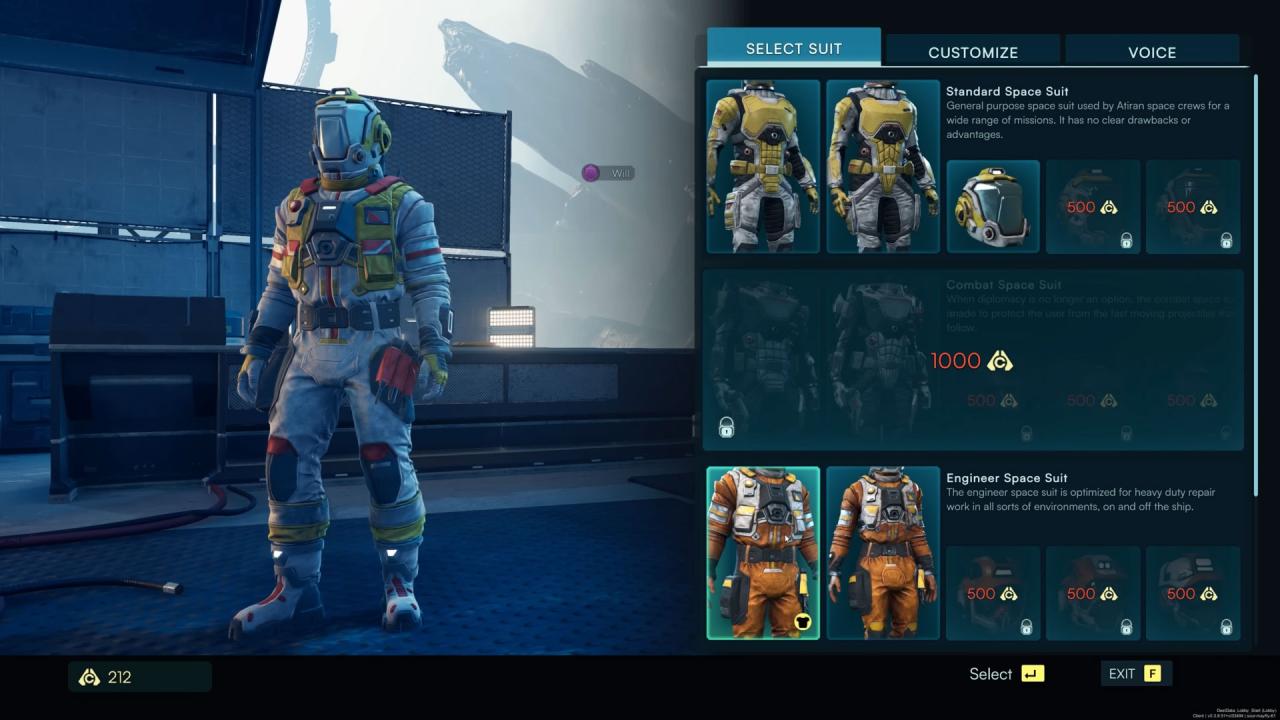
The Hangar is where you work between missions. You can use salvage to improve your ship, get new gear, and even add cosmetic touches to your boat here. Ship progression is the most important thing for long-term replayability. At first, you'll get by with weak shields and basic thrusters, but as you play, you'll unlock better turrets, engines, and systems that make future runs easier to survive.
Artefacts make progression less predictable. Some are silly, like doing more damage in melee while holding a slice of pizza. Some things significantly change the way the game is played, such as weapons that heal teammates instead of harming enemies. You can't rely on one strategy for too long because these modifiers make each run feel different and random.
People who play alone don't get left behind. AI companions, known as buddybots, are currently being developed.
They will eventually take the place of missing crew members. They can fix holes in the hull, man the turrets, and bring you back to life in an emergency. They won't be as spontaneous as human players, but they'll make sure that solo play is still possible.
Leap Space may still be in early access, but its graphics are already impressive. The art direction stresses both the size and the mood. The environments in space are amazing. Icy moons sparkle in the pale light, asteroid fields twist into chaotic mazes, and abandoned stations loom like haunted husks. Lighting is essential, and explosions and energy blasts cut through the darkness of space in a very cool way.
Inside ships, every corner comes to life with detail. The Hangar looks lived-in and messy, with tools, posters, and makeshift decorations all over the place. Ships aren't clean; they're messy playgrounds where you can see the human touch everywhere. This style fits the tone of the game perfectly: survival may be hard, but people find ways to laugh and be creative.
The performance does drop during the most chaotic battles, especially on mid-range PCs, but the scale of the action on screen makes it seem like a fair trade-off. There is already potential for truly stunning visuals, and future improvements will further enhance the show.
In chaotic shooters, sound design is often overlooked, but Jump Space excels in this area. The hum of the reactor creates an engrossing soundscape, the alarms that sound when the hull cracks, and the deep thrum of turrets firing. When you hear the crackling of fire spreading, the hiss of oxygen leaking, or the warning klaxons going off, you know something is amiss.
The music changes with the action. When you're exploring, calm ambient music plays, but when battles break out, pounding beats take over, making your heart race in time with the chaos on screen. It's a soundtrack that doesn't just accompany the game; it enhances it.
Jump Space is a game where you never know what will happen.
It doesn't want you to win easily or lose without having fun. It does better with stories that come from chaos. Your crew might have perfectly coordinated repairs and won a hard-fought battle. Or maybe you all forgot to man the turrets and were killed in seconds. Regardless, the experience will stay with you.
It has some problems. There are still bugs, fighting in zero gravity can be confusing, and the game needs more variety in missions to remain enjoyable to play repeatedly. Jump Space already feels very polished for a game that is still in early access. It combines FPS, roguelike, and space sim elements without compromising its own identity, creating a unique cooperative experience that is both fresh and endlessly enjoyable.
Editor, NoobFeed
Verdict
Jump Space is one of the most exciting and promising co-op games in years. It tells stories that will make you laugh with your friends long after you log off. If early access is just the start, the full release could become a classic that defines the
70
Related News
No Data.