
Kiln Review
Xbox Series X|S
A strange new take on competitive crafting.
Reviewed by Wasbir Sadat on Apr 29, 2026
Kiln is one of those rare multiplayer projects that is both easy to understand right away and a little hard to sum up in one sentence. As usual for studios like Double Fine, the game was made with clear artistic fingerprints and released on multiple platforms, including Xbox and even PS5 Pro builds. The game is an online-only, team-based brawler with a unique idea: using pottery as weapons.
At first look, the pitch almost sounds like a joke: players carve clay pots, put spirits inside them, and then fight in arenas where the goal isn't just to beat other players, but also to "quench" their kiln with water-based attacks. The idea behind the game is silly, but it has a surprisingly well-organized competition system that combines creation, strategy, and random physics-based battles.

The fact that the game can be both a creative sandbox and a fast-paced multiplayer area has a big impact on how it feels.
Players are split into two teams of four for each match. Coordination and sharing of parts are just as important as mechanical skill. The idea is simple but effective: find water spread out on the map, get it to the other team's kiln to put out the fire, and do so while avoiding enemy fire and changing terrain.
The match is won by the first team to successfully douse the enemy kiln at least twice. What makes this idea more than just an objective mode, though, is how much your custom-made pot affects your performance. There is no denying that Kiln stands out for its distinctive approach to character creation.
Players do not select a hero from a list; rather, they use a virtual pottery wheel to sculpt their opponent from raw clay. This is not only a layer for modification; rather, it is the game's entire core. The way you form your pot affects everything from its speed and sturdiness to how it attacks and how much water it can effectively contain.
First, players choose a base size (small, medium, or large). Then they polish the shape into one of several standard shapes, such as bowls, bottles, plates, flowers, or more abstract forms. Each combo changes how the game is played in its own way. While smaller pots are lighter and easier to move, they are also more fragile.
On the other hand, larger pots are slower but can hold a lot more water and take bigger hits. Shapes also give items special powers. For example, a flat plate could ricochet like a projectile, and a bottle could explode upon impact, causing significant damage over a large area. This makes sure that no two players feel the same in battle, even before they change how they look.
After shaping, players can add glazes, handles, stickers, and other visual flourishes to their products to make them look even better.
These parts are only there for looks, but they add a lot to the game's fun. The creative art on show includes everything from simple mugs to strange experimental designs with big eyes, sculptures that look like crabs, and jagged abstract shapes. Because of this, the battlefield is already full of personality before any moves are made.
.jpg)
Kiln is not a story-driven game in the usual sense, but it does set its matches in a broad themed framework that gives the chaos some order. The players are essentially ghosts who live in handmade boats and compete in ritualized fire-and-water battles. The kiln is both the physical and symbolic center of the room; it stands for heat, creation, and ruin all at the same time.
Between games, players gather in "The Wedge" to chat, look at designs, shape ceramics, or relax and react. Slip offers cosmetics and customizable items as a shopkeeper. This emphasizes that the game is more than competition. This hub gives fast-paced games a sense of identity and allows players to contemplate their creations and try new things without feeling pressured.
The core gameplay loop centers on three main actions: collecting water on the map, traversing enemy areas, and attacking or defending the kiln with teammates. Movement feels physical and weighty, based on your pot’s size and shape, so large pots are slow but effective at carrying water and absorbing hits, while smaller pots are nimble attackers. This interplay of mechanics shapes the team's approach in each match.
Usually, matches happen in stages. At the start of the game, players rush to find water sources that are spread out across the map. As teams fight in the middle of the game or along choke spots, it turns into a chaotic skirmish. In the late game, time and teamwork are crucial as you push toward the enemy kiln.
The ability to respawn also makes the game feel smarter.
When a player is beaten, they reappear above their team's kiln. Skilled players can even use this to their advantage to attack from above. The way the map is made (narrow hallways, secret paths, and terrain that favors different pot shapes) makes strategy even more important. In Kiln, fighting isn't so much about standard attack combos as it is about how the environment affects you and how momentum works based on physics.
Depending on the force and angle of contact, pots can hit each other, crack, break, and bounce back. Water is both a resource and a weapon, so players have to carefully balance attack and mobility. How the pot shape influences its fighting is fascinating. Some forms make your pot bounce like a bullet, while others focus on stability and water storage.
Some skills help you control huge groupings by slowing them down or exploding enemy formations. If you use tornado-like abilities and area effects together, they can completely change the course of a fight, often by grouping enemies together or messing up defensive formations.
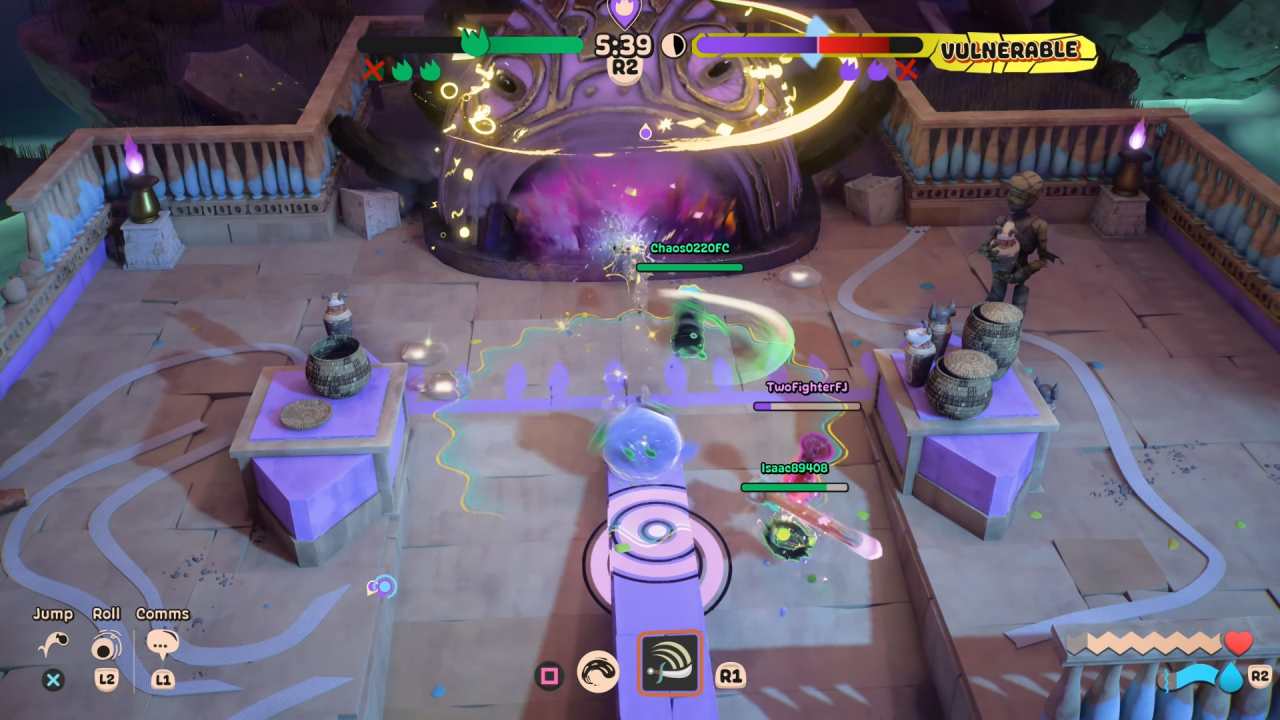
But playing by yourself isn't usually enough—success depends a lot on how well the team works together, and roles tend to form automatically based on how the pot is made. The bad thing is that the battle can be hard to see at times, especially during big fights where many abilities overlap.
When you're in the middle of a combat, it might be hard for new players to figure out what's going on, especially if the game doesn't include decent tutorials or means to chat to other players.
Kiln's evolution isn't very deep, but it's very important for expression.
Players earn experience points by playing matches, completing goals, helping others, and hurting the kiln. As you level up, you can receive new glazes, stickers, decorative elements, and effects for your pots. It's vital to remember that expansion doesn't significantly affect the balance of competition.
Instead, it gives players more opportunities to be creative, which makes them want to improve their visual personality rather than just grind for power gains. This keeps conflicts talent-dependent while still offering folks something for their time. Some people don't like it because there aren't any better progression schemes.
There isn't a sophisticated ranking ladder or a large tree of character enhancements, so players who want to compete for a long time would prefer more obvious goals. Kiln has a lovely, stylized design that highlights its clay roots. The pots are quite expressive and over-the-top, and the settings are meant to be apparent rather than overly real.
It's easy to identify crucial spots like water sources, spawn points, and kiln locations on the maps because they are colored and easy to read. On the other hand, technical performance seems to change from build to build, especially on high-end hardware, where standards are higher. Sometimes frame dips and other optimization issues can cause combat to stop, especially during action scenes with many effects on screen.
The physics and response in this game aren't perfect, but that doesn't mean it's not fun. The music design makes the game more entertaining. When you hit ceramic, it makes fantastic cracks and clinks. When you contact water, it makes a distinct splashing sound that helps players keep track of how the battle is going.
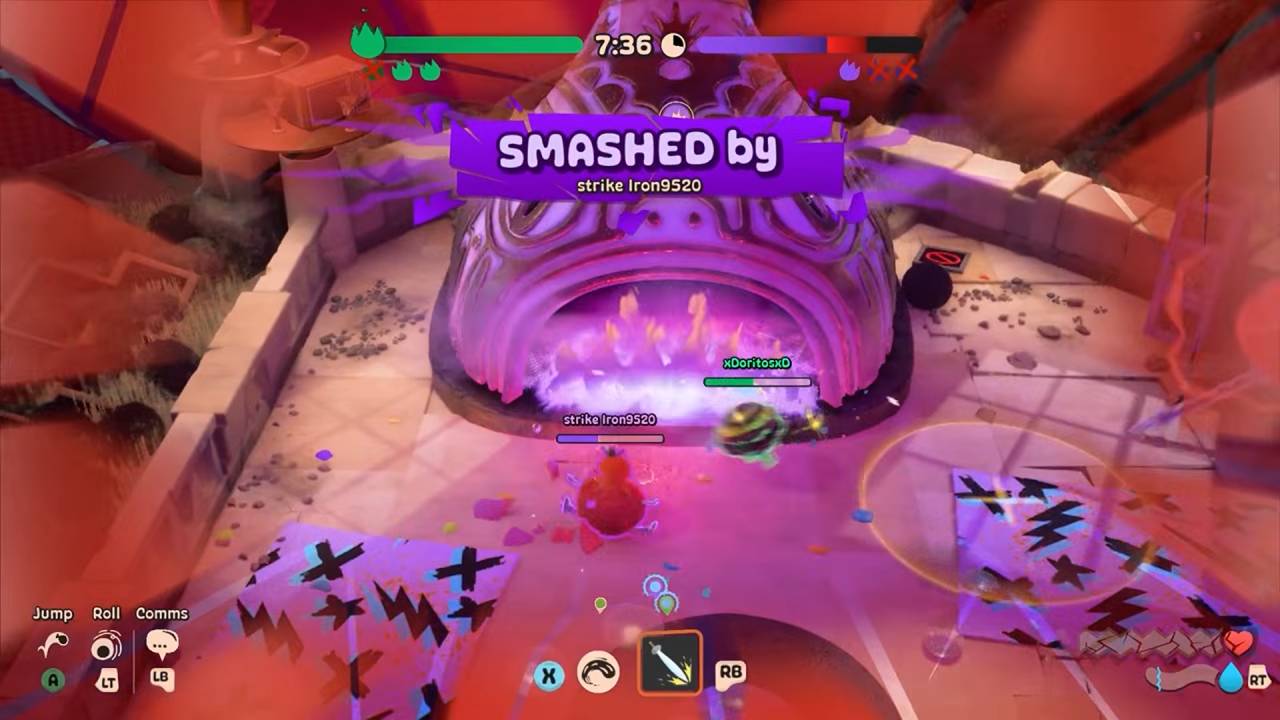
The game has incredible energy, and the sound effects during skill use are over-the-top.
The music has a lot of happy, light tones that contrast with the intensity of the matches, keeping the mood fun rather than tense. Audio feedback is a useful tool for improving reading, especially when there is a lot of visual clutter, like during big team fights. Kiln is a very creative multiplayer experiment that combines team strategy, crafting, and physics-based fighting in a way that works surprisingly well together.
Its best feature, without a doubt, is its pottery system, which turns character creation into a creative part of the game rather than just something nice to look at. The game's gameplay, both random and well-planned, emphasizes teamwork and placement over mechanical competence. It doesn't have many game types initially, which might make it boring, and technological issues can make it hard to play.
Finally, Kiln has a great premise that could be improved with additional support. It works best when you play with pals for short periods of time and have a lot of fun. It might be hard to keep people interested in it for a long time without updates, but it does offer something unique: a competitive game that feels truly creative, expressive, and clearly different from anything else in its genre.
Contributor, NoobFeed
Verdict
Kiln is a creative, chaotic multiplayer experiment with standout pottery-based mechanics and strong team gameplay, but limited content and rough edges hold it back from long-term depth.
72
Related News
No Data.