
Ghost of Yōtei Review
PlayStation 5 Pro
A storm of blood, wind, and revenge in feudal Japan.
Reviewed by Nusrat Choity on Oct 03, 2025
People have always recognized that Sucker Punch Productions can seamlessly blend stylish gameplay with cinematic storytelling. People naturally had high hopes for any sequel after the success of Ghost of Tsushima in 2020. Ghost of Yōtei is the sequel, and it builds on what made Tsushima so popular while also taking some risks, some of which are brave and some of which are controversial.
Tsushima was a love letter to samurai movies, with its beautiful, Kurosawa-inspired visuals and huge, open world. Yōtei is sharper. It's darker, more violent, more experimental, and more likely to surprise you.
.jpg)
The game takes place in Ezo, a rugged and stormy land scarred by violence, clan rivalries, and legends that refuse to die. Atsu is the main character. She is a warrior who wants revenge on the "Yōtei Six," the brutal killers who killed her family.
Ghost of Yōtei asks a simple question: how far will revenge take you, and what do you become along the way?
The prologue of the game quickly sets the mood. Atsu saw her family killed by the Yōtei Six, led by the cruel Lord Seaitto, when she was a child. Her father kills her parents, her brother disappears, and she is left hanging from a tree by her father's sword.
The village is on fire, the snow turns to ash, and Atsu is left to die. But she doesn't. From that moment on, a legend was born: "Enreal," the ghost that came back from the flames, a spirit of vengeance that even death could not take.
The story that unfolds is about revenge and finding out new things. Each of the Yōtei Six rules a different part of Ezo with violence, lies, or brute force. The story takes you through these areas, each with its own style of oppression and challenge.
This gives the story a rhythm that is both fragmented and engaging. You don't just follow a straight story. You figure it out by asking questions, going on bounty hunts, making alliances, and hearing whispered legends.
The game does a great job of blending Atsu's personal story with the larger issues facing the land. The clans that want to be in charge, the Ainu people who want to stay alive in the shadows, and the hunters who see Atsu as just another bounty all play a part in her search for justice.
This isn't a clear story of honor. It's a world where revenge comes at a cost, and rumors and myths make it difficult to distinguish what's real from what's not.
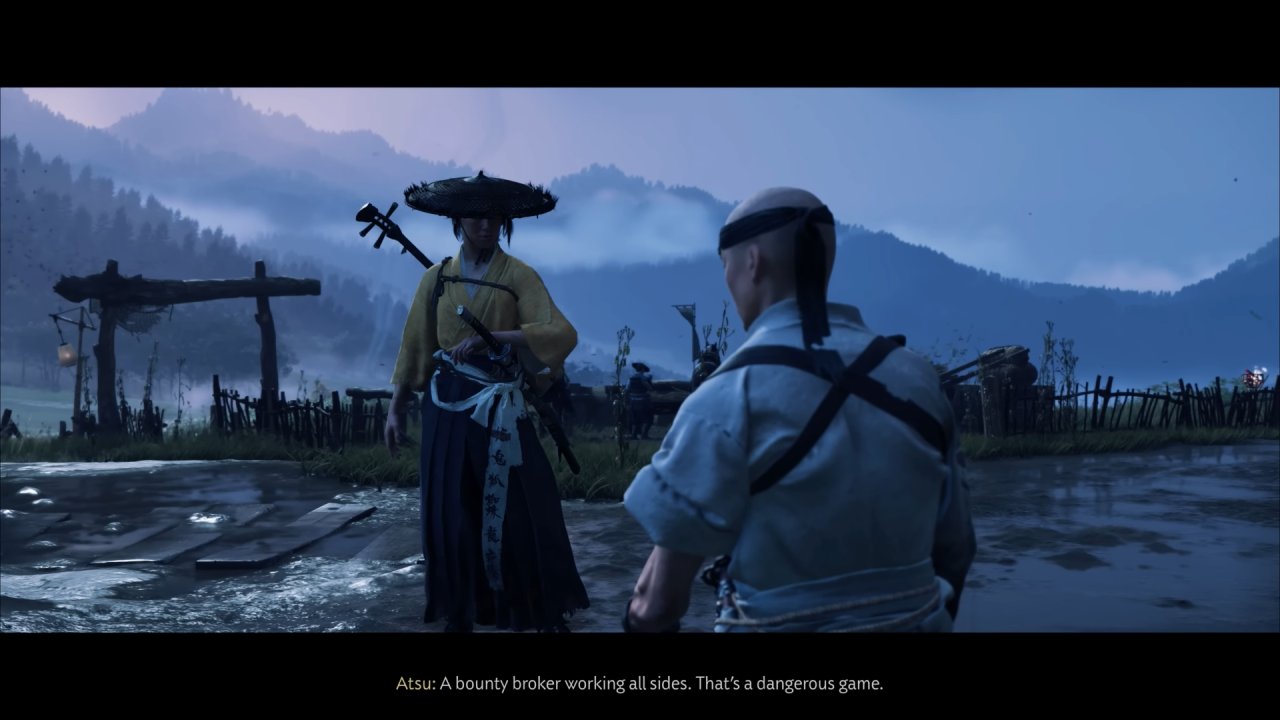
Ghost of Yōtei is still an open-world action game at its core, but Sucker Punch has made some improvements to how exploration works. The game relies less on a map full of icons and more on organic discovery. NPCs give you clues about hidden wolf dens, cursed samurai estates, or shrines that have been forgotten for a long time.
You can buy or earn map fragments, each of which has hand-drawn pictures that you have to match to the real world. The guiding wind returns, but it feels weaker this time. Instead of pulling you by the nose, it encourages you to drift naturally toward new things.
Atsu's wolf friend gives the story a new twist. You can make it loyal by completing quests, and it will sometimes save you from death. However, you can turn this off for a harder game. The wolf is more than just a symbol of survival; it also represents exploration and story, which fits with the "lone wolf" theme that runs through Atsu's story.
There are vendors, bounty boards, and side quests that make the world feel more real, but what really stands out is how easily one activity leads to another. You might go after a bounty and end up in a duel under old trees, or you might follow bells that lead you to the body of a warrior who won't die.
The structure is typical of Sucker Punch: there is a lot of freedom, but it is always based on the mood and story.
Swordplay is still the heart of Ghost of Yōtei. Fighting is heavy, planned, and violent. Every hit feels dangerous, and every parry is important. Unlike a lot of open-world games that give you a lot of button prompts, Yōtei makes you read your opponent.
When enemies attack, they give you hints, but in some modes, like the black-and-white Kurosawa filter, those hints become harder to see, so you have to rely on your gut.
One of the most significant changes is the addition of customizable combat modes based on famous Japanese directors. The Kurosawa Mode is back, with its old-timey film audio filters and grainy black-and-white images.
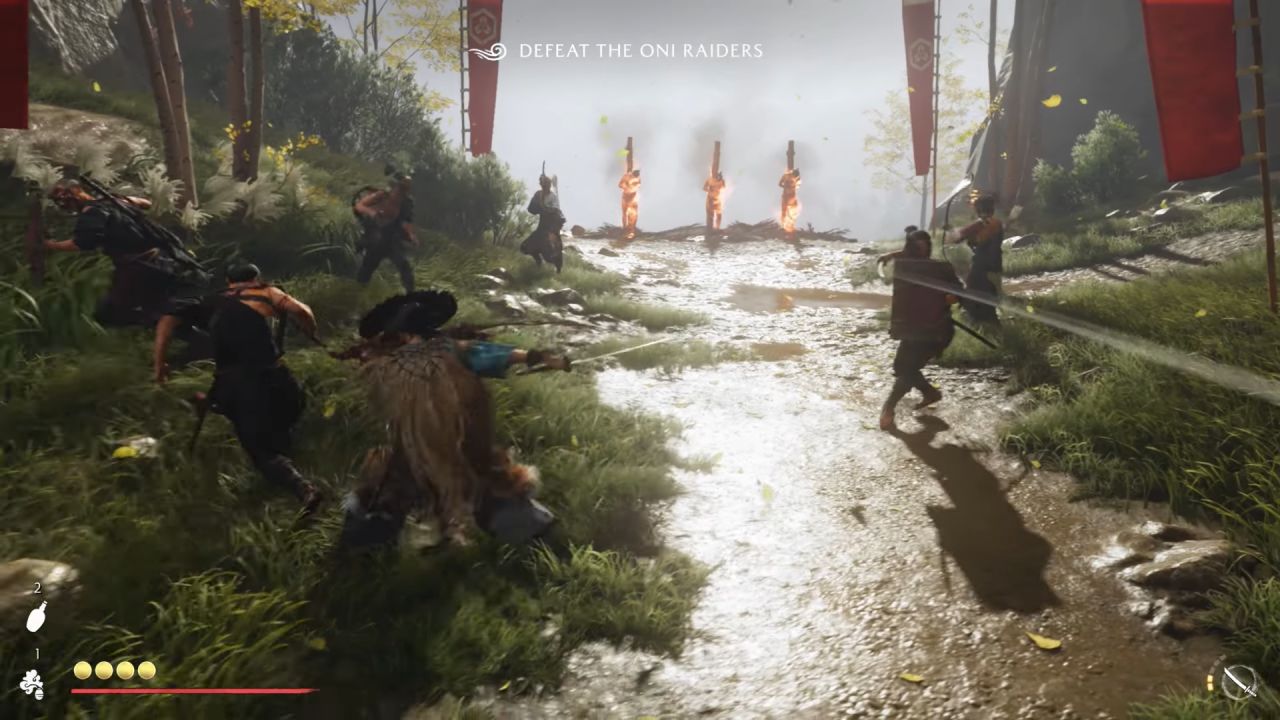
Mik Mode takes the gore to crazy levels, with geysers of blood, duels that leave mud on the ground, and decapitations that belong in grindhouse movies. Then there's Watanabe Mode, which is based on Cowboy Bebop and Samurai Champloo and adds lo-fi beats to combat and exploration.
Each mode alters the combat experience, ranging from tragic art to silly hyperviolence to a cool, stylish approach. You can even mix them together to make things like blood-soaked black-and-white duels with lo-fi chillhop music playing in the background. It's silly, but it works.
The puzzles are still there, but they're not as heavy. You have to solve environmental puzzles to get to shrines, reflection altars, and estates that look like mazes, but they're not too hard. The goal is to make you feel like you're there, not to annoy you.
The same goes for climbing: the game can be too eager with prompts, reminding you of basic controls even hours into the game.
Experience and progression follow patterns that are easy to understand: liberating camps, dueling masters, finding shrines, and completing side quests all help you unlock new techniques and stat boosts. It's fun, but some critics might say it's not as deep as other RPG systems.
Ghost of Yōtei is beautiful to look at. Ezo is a land that is more bleak, wet, and stormy than Tsushima. Mist hangs in the valleys, rain falls in sheets that never stop, and Mount Yōtei stands as both a monument and a sign.
Tsushima often had bright colors that were very impressive, but Yōtei likes muted grays and soft lighting. When the game does use color, though, it's amazing. Flowers in fields, battles lit by fire, or the red flash of a duel at sunset are all more powerful because they stand out against the darkness.
The world seems real. There are NPCs with schedules, tea houses that are always busy, and wolves that roam the woods. The strongholds and inns are very well done, and the camera work makes even something as simple as riding a horse feel like a movie.
.jpg)
Here, sound design is just as important as visuals. The sound of steel clashing, the wind howling, and the mud crunching underfoot all contribute to the immersive experience. The Japanese voice acting is great, but the subtitles don't always work well with snowy backgrounds unless you change them in the accessibility menu.
The music changes all the time. Orchestral scores play along with important parts of the story, but when you explore, you often embrace silence and let the sounds of nature guide you. Then there's Watanabe Mode, which has lo-fi hip-hop songs that make travel feel more relaxed and meditative. The idea is fresh and worth trying, even though the limited tracklist can get old after a while.
The best thing about Ghost of Yōtei is the way it makes you feel. Not many open-world games feel this real and alive. Exploration naturally leads to storytelling, and the world is always full of surprises because of all the interconnected things that exist. The fighting, customizable modes, and story beats have both style and substance.
But the flaws are clear. The open world still uses a lot of familiar ideas, like color-coded climbing paths, easy puzzles in the environment, and discovery-style waypoints. The game sometimes holds your hand too much and shows you prompts when you don't need them. Side quests are better now, but they can still feel shallow compared to the main story.
Some people might think these flaws are remnants of an older approach to creating open worlds. But for some, the beauty, the story, and the swordplay will make up for them.
Ghost of Yōtei is more than just a sequel; it's a superior version with a distinct tone. It's darker, stormier, and bloodier than the last one, but it's also more experimental. It doesn't always work, and sometimes it relies too much on old-fashioned open-world design.
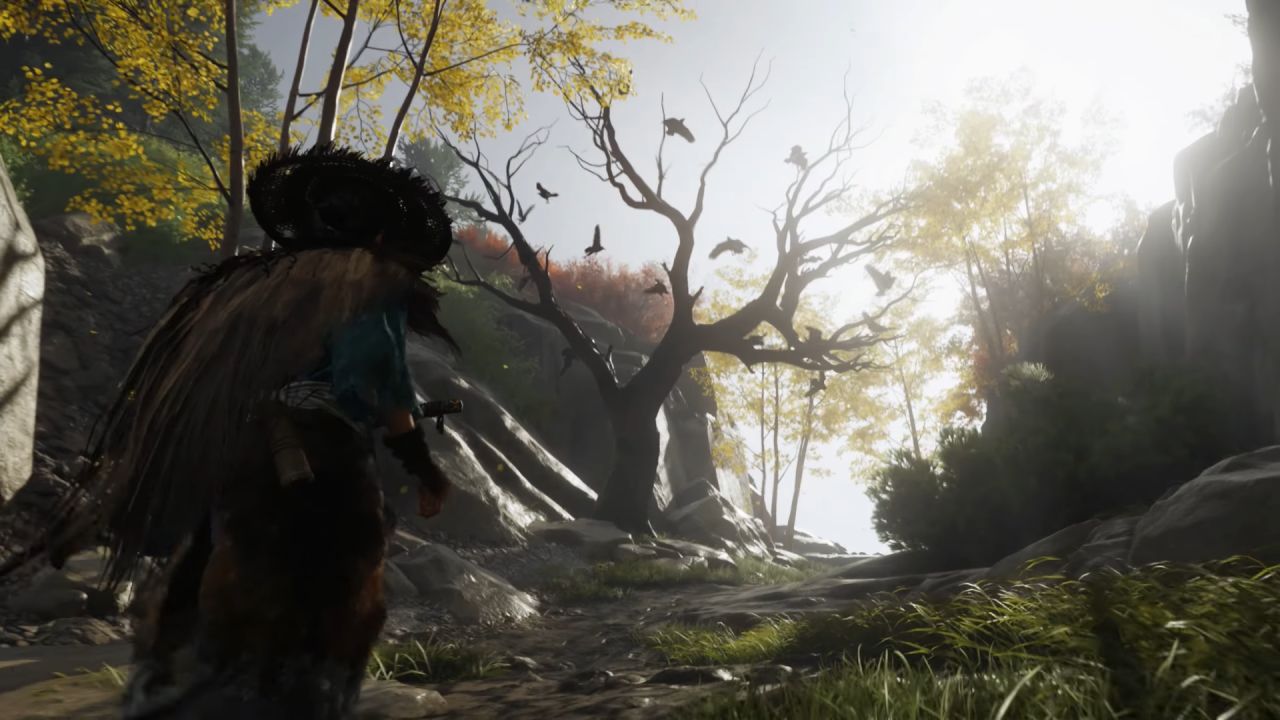
But when it does work, it's something you'll never forget. The prologue's fiery massacre, the duels under ancient trees, and the way legends come to life as you walk through Ezo are all things that not many games can do.
Sucker Punch has created a world that seems both real and like a fairy tale. It's not perfect, but everyone should play this great sequel. Ghost of Tsushima is about honor, but Ghost of Yōtei is about revenge and the destruction it leaves behind.
Contributor, NoobFeed
Verdict
A haunting tale of revenge set in a stormy world, featuring stunning visuals, brutal swordfights, and a deep atmosphere. Some parts are not perfect, but the ones that matter are.
97
Related News
No Data.