
Perfect Tides: Station to Station Review
PC
When growing up stops feeling romantic and starts feeling real.
Reviewed by Nusrat Choity on Jan 22, 2026
Perfect Tides: Station to Station doesn't care about show, urgency, or heroics. It's a game about pauses, which are those uncomfortable times when life goes on, but you don't know what's going to happen next. The game takes place in the early 2000s and is a sequel to Meredith Gran's previous work. It focuses on a single year in the life of a young college student trying to get by in a metropolis that never seems to slow down.
Station to Station doesn't see adulthood as a destination; instead, it sees it as an ongoing negotiation. Every conversation, habit, and decision displays the fight between wanting to do more and being too weary, wanting to be free and requiring support, and wanting to be hopeful and being silently disappointed.
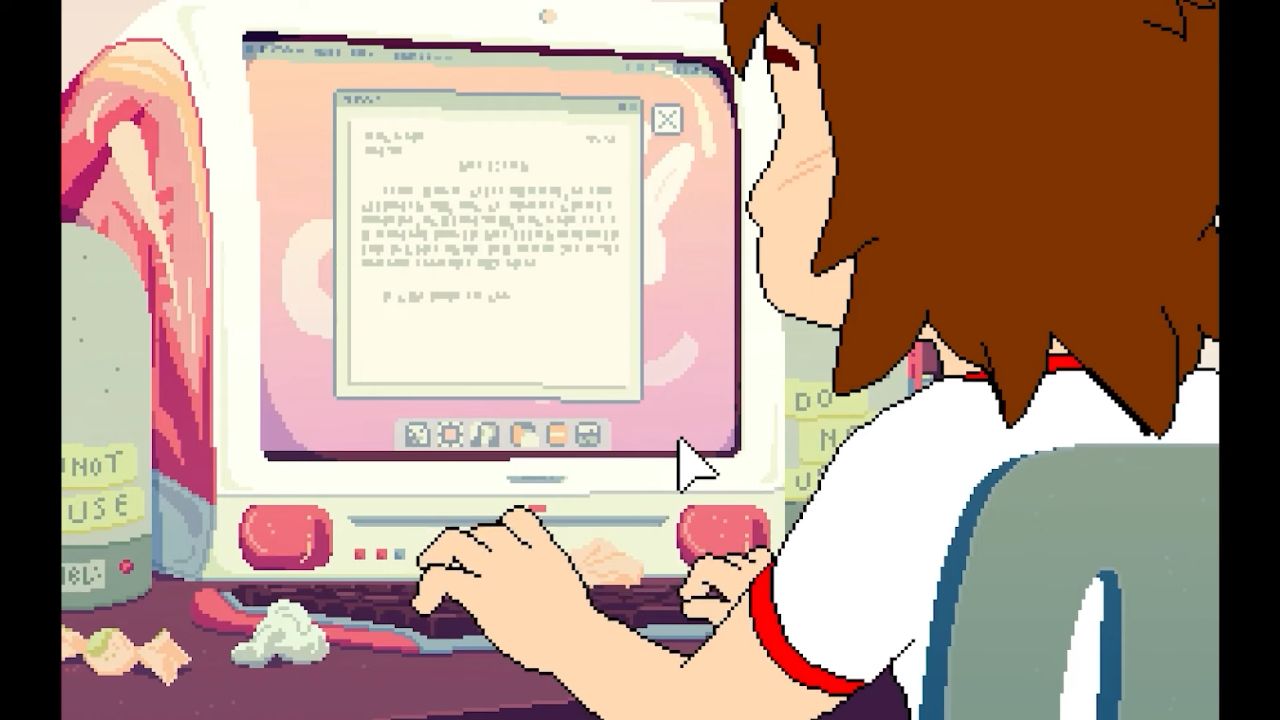
The world seems dull and static, with places where meaning comes from thinking and repeating things rather than making big changes.
The game's dedication to emotional honesty is what sets it apart. It doesn't expedite character development or make hard facts easier to deal with. It shows that growth isn't always smooth, can be painful, and is often hard to see while it's happening. The plot of Perfect Tides: Station to Station feels less like a work of fiction and more like real life, which changes over time and with memories. It also shows that growing up doesn't always look like what you thought it would.
The story of Perfect Tides: Station to Station takes place over about a year, starting in the spring of 2003 and ending in the fall of 2006. The scene is “The City,” a clear metaphor for New York that feels crowded, loud, and hard on the emotions. This isn’t a place full of great movie moments. There is a lot of desire and insecurity there, and being around other people can make feeling alone worse.
Mara is already not steady when the game starts. She is couch-surfing at a friend’s place, having a hard time in school, and still grieving the death of her father years ago. Even though she still wants to be a writer, her desire is weakening because of pressure from people inside and outside her family.
It takes a while for the story to explain her arc. It lets Mara float, trip, and change, which is a lot like how real growth happens when there isn't a clear way to get somewhere.
A lot of the story is about how people work together.
Friendships bring Mara comfort, laughter, and times of relief, but they also bring out her constant self-doubt. It’s even more dangerous for romantic relationships. One of the most awkward parts of the game is her friendship with Adam, which takes place across long distances.
His controlling words, attempts to control her emotions, and constant pressure slowly show a toxic relationship that feels all too familiar. This relationship is never made more dramatic in the game just to shock you. It tells it straight out, letting the pain speak for itself.
Grief is handled in a sensitive and honest way in the story. Mara doesn’t always miss her father, but the grief comes back to her without warning when small things or times of change happen. A visit with her mother and grandma is a particularly powerful scene that ends with a piano scene that shows how memory, music, and love can last even as time wears away at certainty.

In that moment, the setting of the game doesn’t matter; it speaks to a universal human experience. Station to Station doesn’t have any nice endings. It knows that becoming an adult means learning to live with unsettled feelings instead of getting rid of them.
Point-and-click adventures are what Perfect Tides: Station to Station is at its core, but the way it works is meant to immerse you in Mara’s daily life rather than test your reflexes or thinking. The interface is simple and puts an emphasis on thought over speed. It controls movement, interaction, discussion, reading, writing, and time management.
You can look at almost everything on the screen. Things in Mara's world don't just help her solve problems; they also show what she thinks and feels. It stops being a way to fix problems and starts being a way to look around. There is humor, meaning, and a sense of vulnerability in small details, even if they don't move the story forward.
The way conversations work is especially well thought out. When you hold down an exchange, it gets more in-depth. Clicking starts a casual conversation.
Mara’s phone can be used for both talking and thinking, so talks can go off in different directions about different people and topics. This method makes it clearer that what you talk about, who you talk to, and how often you think about certain things all shape your identity.
Routines that you do every day shape your experience. Mara goes to school, reads books, does homework, works part-time jobs, goes to parties, and deals with relationships. There is a limited amount of time, and the game keeps telling you that picking one task over another means skipping it.
It seems like the fact that there is no way to perfectly optimize your plan is on purpose. The game shows that life is not about being efficient but about making trade-offs. You don’t fight in Perfect Tides: Station to Station, and there aren’t many standard puzzles either.
Emotional intelligence, awareness, and taking responsibility are at the heart of challenges. Combining things isn’t usually the answer; instead, solutions require knowing the bigger picture, remembering specifics, and making decisions that have emotional weight.

There’s a light RPG-style system in the game that tracks Mara’s growth in strange areas like sex, music, communism, and literature. These numbers go up as you talk to people, read, learn about other cultures, and live your own experiences. These levels don’t show power; instead, they show accumulation, or how ideas and factors shape a person over time.
There isn’t any grinding in the usual sense. Growth happens without much effort and usually doesn’t pay off right away. This choice of style fits with the game’s themes.
You don’t have to work at personal growth; it just happens while you’re trying to keep up. In one memorable scene, Mara gets a harsh phone call that forces her to face her unhealthy relationship. There isn’t a clear right answer or a plan that stands out. Knowing what’s at stake emotionally and taking responsibility are key to success. The game is over if you fail. Even though the game has a lot of save points, this is a stark warning that not all choices have safe outcomes.
Station to Station keeps the pixel-art look of its predecessor, but it does a better job of showing how the characters feel. The environments are small but full of small details. If a room is messy, the street is busy, or the room is quiet, all of these things show mood before words do.
There isn't much animation, but it shows a lot. Small moves, changes in posture, and changes in point of view can all show how someone is feeling. Framing is often used in the game to stress loneliness or closeness, which can make familiar places feel overwhelming or comforting at different times.
There aren’t many display and accessibility choices for the game, but the art direction does a lot of the work. Every place feels like it’s been lived in and shows how Mara is feeling, which strengthens the link between environment and mood.
Sound design is a big part of making Station to Station feel like it’s set in the early 2000s. The clicking of computers, the whine of printers, and the background noise of city life take me back to a time when technology was both exciting and lonely.
The music changes without even noticing. Garage-rock-inspired tracks with a lot of energy support scenes of chaos and excitement, while tunes or silence are used for calmer ones. As Mara's feelings change, so do the sounds. This makes sound an important part of the story.

The music really stands out in the scene with Mara's grandma and the piano. This shows how sound can connect the present and the past. It also shows how music can bring people back together even when memories slip away. That moment will stay with you for a long time.
Perfect Tides: Station to Station is a fun game that doesn't try to make it too easy to be an adult. It's not fun to learn or run away. It asks you to be with the hurt, the doubt, and the slow awareness that progress often feels like it's stopping.
You can play this game if you’ve ever felt like you couldn’t handle all the expectations, stuck in unhealthy relationships, or not sure if you were going forward at all. As you go through life, you trust that you will find meaning in the little things rather than the big surprises.
Station to Station doesn’t require that you have anything to do with writing, schooling, or even the time period it’s set in. The only thing it wants from you is to remember what it was like to doubt yourself while the world went on. In this way, it turns small, everyday moments into something deeply meaningful.
Contributor, NoobFeed
Verdict
Perfect Tides: Station to Station is a personal and honest look at becoming an adult for the first time. It shows how growth can be confusing, tiring, and important all at the same time.
80
Related News
No Data.