
PIONER Review
PC
Early Access
A scary MMO shooter with a great atmosphere, but not very good execution, and not very good potential.
Reviewed by Nusrat Choity on Dec 19, 2025
PIONER is an ambitious mix of first-person shooter mechanics with large-scale MMO design, clearly based on the dark, tense realms made famous by the S.T.A.L.K.E.R. series. The game takes place on a huge, deserted island stuck in a different world. It has a lot of post-Soviet imagery, supernatural abnormalities, and exploration that is driven by survival.
The devs want to combine storytelling that works well for single players with shared-world mechanics like factions, raids, co-op objectives, and optional PvP. From the very beginning, Pioner hints at huge concepts and long-term goals, offering an experience that changes over time instead of giving everything at once.
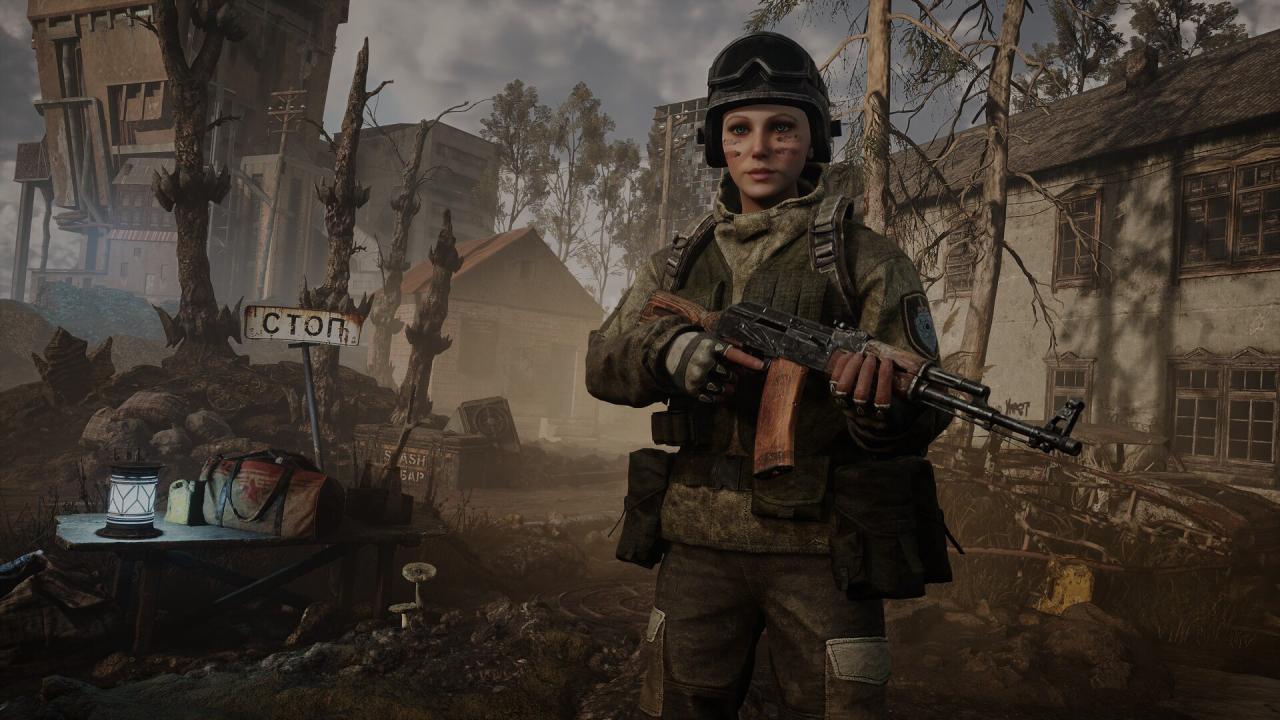
But desire alone does not guarantee coherence, and PIONER sometimes has a hard time making its vision match up with what it is actually doing. The story structure of PIONER is familiar yet might work. You get to an island that is isolated because experiments, political goals, and unknown forces have gone horribly wrong.
The government has closed off the area, leaving behind military debris, research facilities, and civilian buildings that are slowly being taken back by nature and strange things. Different groups are fighting for power, each with its own reasons and rewards. At the same time, altered monsters and dangerous environments make staying alive a continuous worry.
The story doesn't work because of how it's told, not because of the idea. The opening hours bring in weird incidents, intriguing voices, and urgent problems, but they don't give enough background or context. The outcome is not interesting; it is confusing. The conversation scenes are too long and give information in a way that feels awkward and forced.
NPCs don't say anything useful when they talk, so talking to them feels more like a problem than a chance to build the world.
The quality of voice acting is very different. Some performances are okay, but others sound stiff and robotic, which takes away from the story's emotional impact. This inconsistency disturbs the flow and makes it hard to care about the characters or their problems. You can skip the talk, but the fact that these conversations happen so often makes them boring.
The way the story is told often goes against the game's strengths, which are based on atmosphere. PIONER makes a lot of good choices when it comes to mechanics. Even though it's an MMO, you can do most of the things in it by yourself. Players who like to be alone can do story missions, explore, and other PvE activities without having to join groups.
There are other players at settlement hubs and in the free world, which adds to the MMO structure without making players interact all the time.
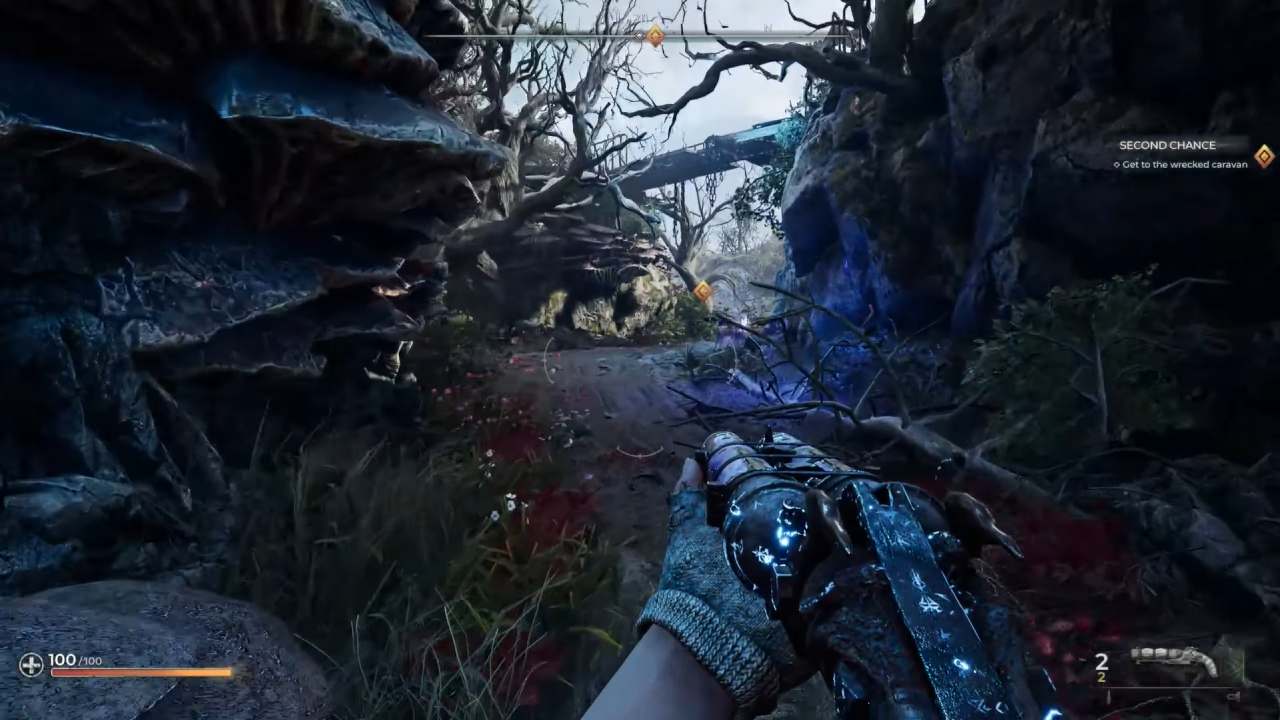
Progression doesn't use the usual ways to level up characters. There are no health indicators or experience levels that show how much power you have. Instead, being better is linked to the quality of your gear, the modifications you make to your weapons, and the decisions you make about your equipment.
This grounded approach focuses on gameplay from moment to moment instead of leveling up, which encourages precise movement, positioning, and resource management. Survival mechanisms put a little bit of strain on you without making things too hard. You need to pay attention to hunger and rest, but they don't usually take over the game.
Crafting methods are easier to use because they only use materials, artifacts, and anomalous energy that you find while exploring. There are workbenches all across the world, which makes it easy to upgrade your gear. Looting is quick, the inventory options are clear, and the whole system respects your time by not making you micromanage things that don't need to be.
Faction systems help to define progression even further. Different groups own areas of the island, and each one has its own rewards and questlines. These systems suggest that players can make important long-term choices, but right now they don't seem to have much of an effect because many faction interactions don't have much depth or meaning beyond getting more stuff.
The most controversial part of PIONER is the fighting. It feels fantastic on a purely mechanical level.
The weight of the weapons is satisfying, the reload animations are smooth, and firing feels responsive. When everything is in sync, movement is smooth, and traversing and fighting are fun. Melee strikes, while not the main focus, feel strong enough to be used in emergencies.
The issue is with the design of the fight, not the controls. The AI of the enemy never surprises or challenges you. Human adversaries don't often utilize tactics, don't use cover, and don't flank or cooperate. Instead, they often stand out in the open, which makes firefights feel like shooting galleries. When opponents leave strategic locations for no reason, camps with defensive plans are useless.
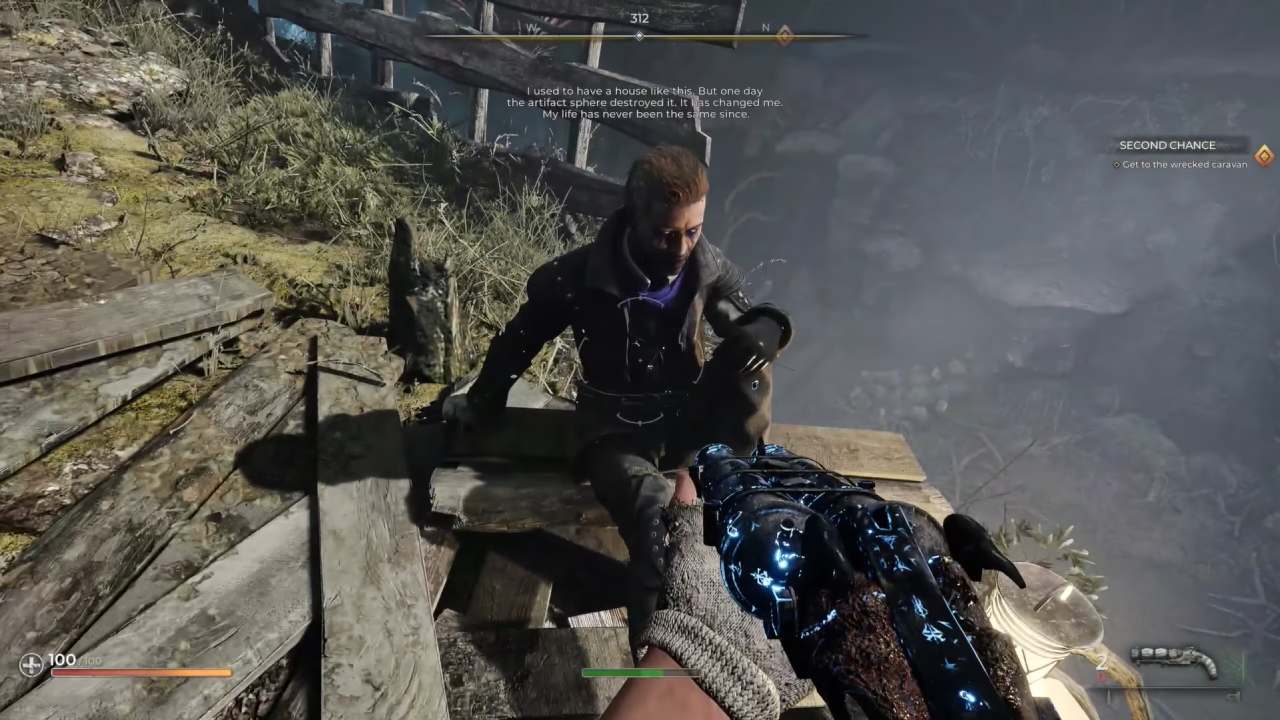
Enemies that focus on melee attacks add a new level of frustration. They rush in quickly and without warning in small enclosed places. There aren't many good defensive choices. Blocking doesn't work, avoiding doesn't always work, and fights often turn into taking damage and healing through it. These confrontations don't feel intense; they feel cheap since they rely on surprise spawns instead of careful planning.
The problem gets worse when enemies spawn. Enemies often show up too near to where you are or behind you in the middle of a combat, which breaks the immersion and makes things harder in a fake way. Instead of well-planned fights, fighting often feels like a series of hurdles meant to slow down progress instead of test competence.
There are environmental puzzles, but most of them are about getting around and dealing with strange things, dangers, and rough terrain. These moments add to the game's mood, but they don't have much depth or diversity. Over time, doing the same thing over and over again in combat makes you tired, not because it's too hard, but because it doesn't change much.
PIONER's advancement systems put more emphasis on equipment than on character evolution. Weapons, armor, and attachments determine how effective something is, while faction awards help you set long-term goals. This method has promise, especially in an MMO setting where gear-based progression can accommodate a wide range of play styles.
The Shadowlands mode adds an extraction shooter element, which makes dying more expensive and adds risk and anxiety.
If you lose gear when you lose, the stakes should go up, and people should play more carefully. Sadly, this mode's impact is lessened by technological problems and server instability. Lag, disconnects, and performance that isn't always good take away the fun, making high-risk gameplay frustrating.
Group-focused gameplay includes raids that are meant for groups of six, which plainly shows that the MMO wants players to work together. These missions are the most interesting since they really need teamwork. They give us a taste of what PIONER may be like with more work. But the lack of balance between material that is good for single players and content that is good for groups makes growth feel unequal.
In general, the systems that promote long-term participation are there, but they need work. The structure is there, but the way these systems are used keeps them from reaching their full potential.
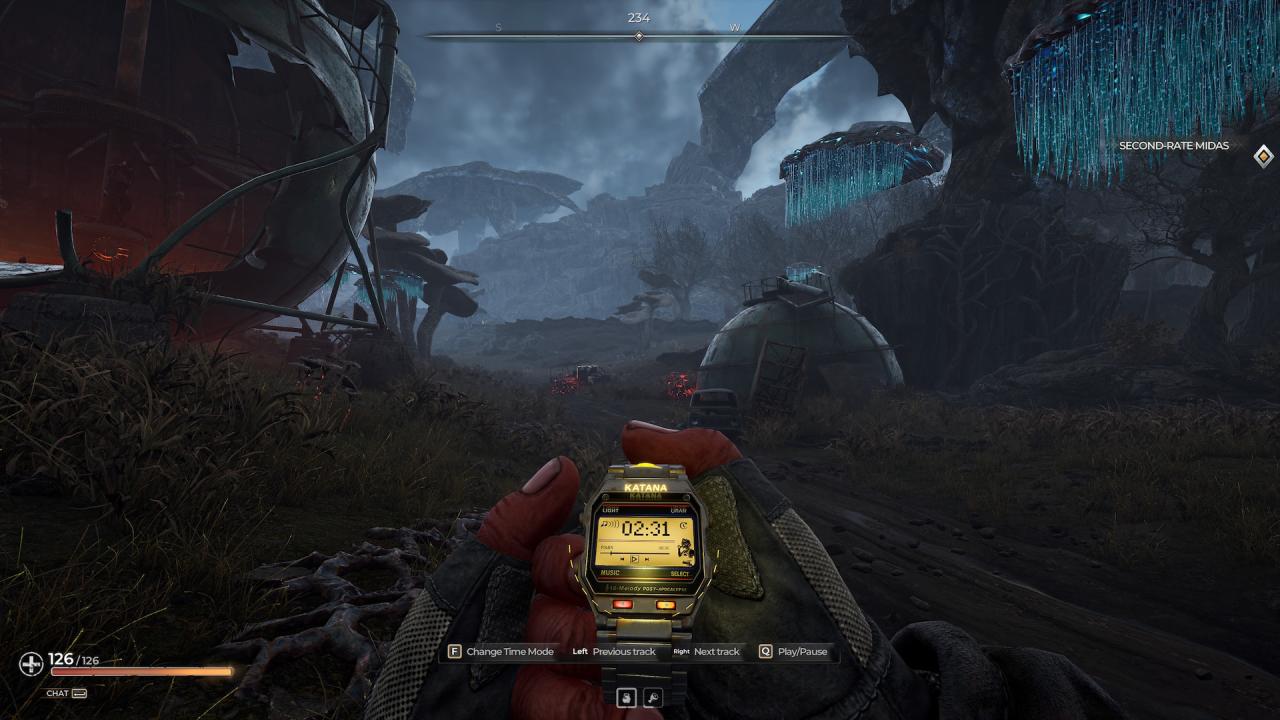
PIONER is a game of extremes when it comes to how it looks. The first parts are great, with bright lighting, complex surroundings, and detailed interiors that pull you in right away. For a short while, the game seems like it all fits together and looks great, which makes it seem like it was made with care.
This illusion starts to break down when the world opens up. Instead of small, focused locations, there are large MMO zones, and the graphics quality dramatically. Textures get flatter, environmental details get thinner, and patterns become clear. The island is huge, yet a lot of it feels empty because there are large areas of land that don't have much to do or change.
Even so, visual ideas are still strong. Buildings from the Soviet era, mixed with sci-fi motifs, floating anomalies, and crumbling infrastructure, create moments of real interest. Sadly, these moments are too spread out across the map, which makes them less powerful.
Performance is pretty steady. Most of the time, the game plays nicely on higher-end PCs. However, it does drop frames from time to time when assets are loading or when there are a lot of people around. Shooting and moving around still work well, which is important for keeping players immersed in a first-person MMO. Performance is one of PIONER's more reliable parts, even though it's not perfect.
The audio design is good enough to accompany the game, but it doesn't jump out very often. The sounds of weapons provide the right kind of impact, the sounds of the environment make the island feel unfriendly, and the sounds of the environment add tension when exploring. These things work together to make the game more immersive.
Voice acting, on the other hand, is still the poorest part of the audio. It's hard to sit through dialogue sections because the performances are inconsistent and the delivery is clunky. Voice work doesn't always make stories better; instead, it often shows how weak the tale is, making it feel like certain parts were rushed or not fully developed.
PIONER is a game that doesn't know what it wants to be or what it is right now.
The mood works, creating real suspense and interest as you explore abandoned buildings and dangerous places. The shooting and mobility mechanics are strong, and the systems are streamlined so they don't waste your time. The MMO structure hints at a lot of content, faction dynamics, and long-term progression that may turn into something interesting.
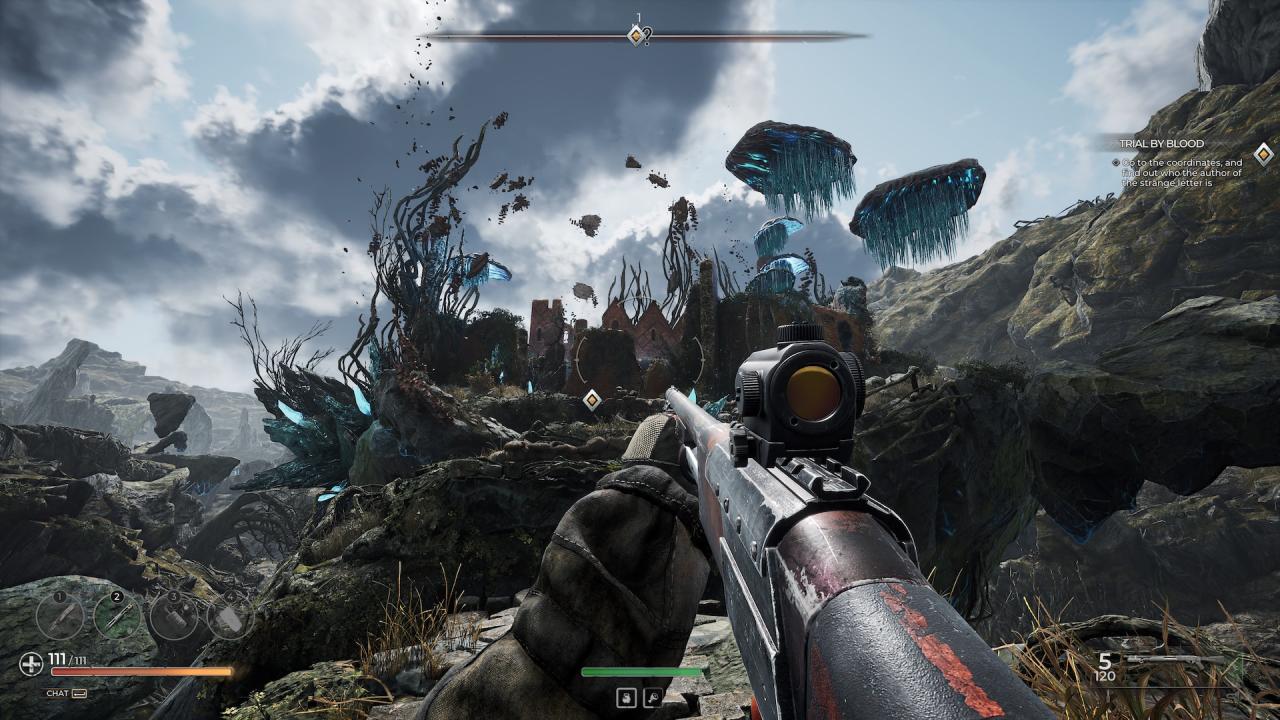
At the same time, problems that keep coming up make the experience less enjoyable. Weak enemy AI, fights that happen over and over again, an open environment that feels empty, technological issues, and poorly told stories all undermine immersion. The tutorial in the beginning doesn't teach you the basics very well and often puts you in danger without saying why.
Things that should be hard feel like they're not being explained well. PIONER's foundation is strong enough to give us some hope. It could become a great MMO shooter if the AI acts better, the encounters are better designed, the scripting is tighter, and the pacing is smarter. But right now, it's still a good idea that isn't quite living up to its own goals.
Contributor, NoobFeed
Verdict
PIONER has a great ambiance and fun gunplay, but its AI is bad, its story is uneven, and its open-world concept is empty, which makes it less fun. A potential MMO shooter base that requires a lot of work to reach its lofty goals.
62
Related News
No Data.