
Trails in the Sky 2nd Chapter Review
PlayStation 5
Trails in the Sky 2nd Chapter successfully modernizes Falcom’s beloved JRPG sequel with a deeper combat system, fully voiced characters, refreshed 3D visuals, and an emotional story that continues Estelle Bright’s search for Joshua.
Reviewed by Asura Kagawa on Sep 18, 2026
Remaking a beloved JRPG is always tough. Trails in the Sky 2nd Chapter is especially tricky because its charm goes beyond just combat or visuals. What made it special was the characters, world-building, dialogue, political drama, and emotional relationships. Change too much, and you risk losing what made it memorable. Change too little, and the remake might feel old-fashioned.
The Trails in the Sky 2nd Chapter finds a balance. Falcom updated the visuals and combat system, but kept many classic RPG mechanics and story elements from the original. It looks and feels modern, yet still has the spirit of a classic Trails game. The remake also shows what Falcom has learned from making Trails games over the last twenty years.
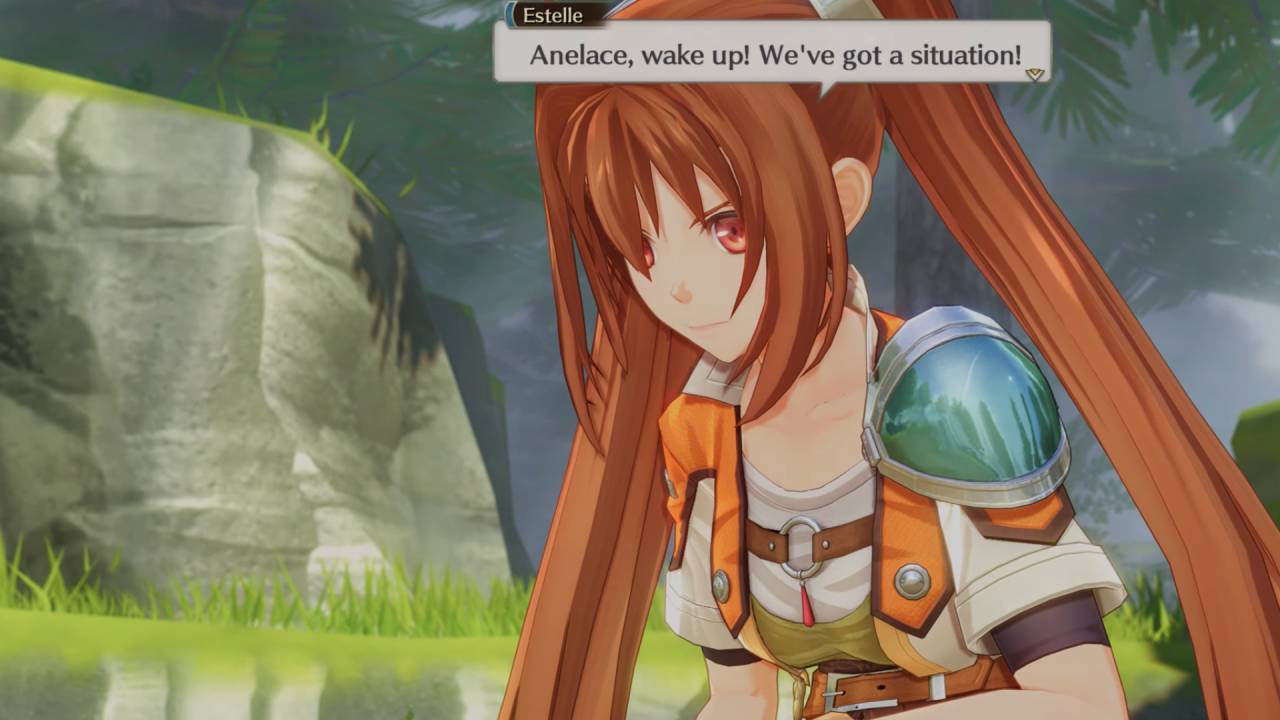
Newer ideas shape the combat, but the world and characters still connect back to the first chapter.
So, this isn't just an old JRPG with better graphics. It's a real effort to bring the original experience to today's players while keeping its unique identity. That balance becomes especially important because the story begins immediately aft his balance matters even more because the story picks up right after the Trails in the Sky 1st Chapter.
Estelle Bright searches for Joshua, and her quest to find him drives the whole story—not a simple continuation where the characters are sent on another unrelated quest. The consequences of the previous game matter, and Estelle's emotional state matters as much as the larger conflicts developing around her.
The story starts right after the first chapter, with Joshua leaving the group and vanishing from Estelle's life. For her, it's not just losing a teammate—Joshua is her adopted brother and means the world to her. She’s hurt and confused, but instead of giving up, she sets out to find him. The opening therefore gives Estelle time to process what happened. She doesn't immediately become an unstoppable hero.
The beginning gives Estelle time to process what happened. She doesn't instantly become a hero with all the answers. Her journey starts with doubt, pain, and the understanding that finding Joshua will be tough. She is one of the iconic protagonists in the Trails series, but the remake gives her emotional journey plenty of room to breathe.
Her confidence and optimism remain, but she approaches the problems around her differently. As she searches, Estelle travels through familiar places and faces new situations, characters, and conflicts. Because the game builds on the first chapter, returning to old locations feels much more meaningful. The supporting cast is still one of the game's best features.
Trails games are known for giving attention to characters beyond the main story, and the remake keeps this up by making even side characters feel real and important.
Some characters bring humor and light moments, while others help drive the bigger mystery about Joshua and the group working in the background. The villains stand out, too. Members of the secretive group, like Campanella and Wiseman, add uncertainty to the story. They're not just roadblocks for Estelle—they make you wonder what's really going on and how much has been planned from the start.
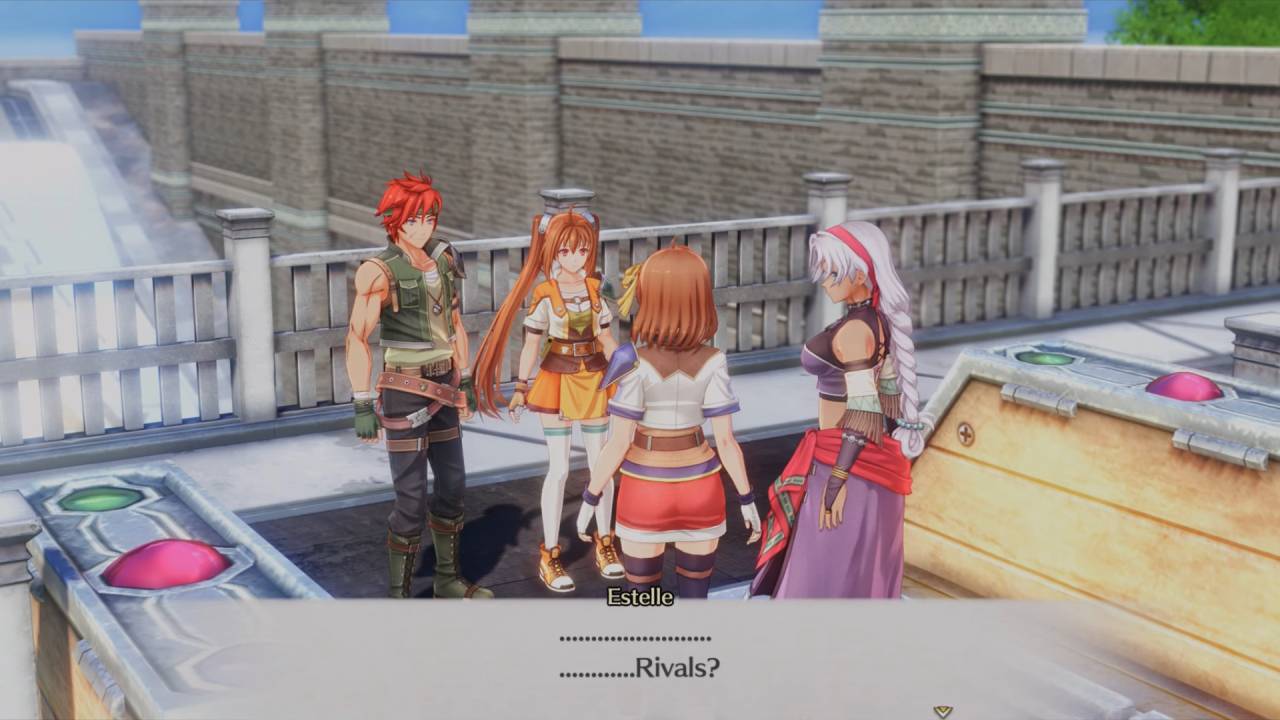
Still, the writing can be demanding at times. There's a lot of dialogue, and some conversations last longer than you might expect. A scene might start light and funny, then quickly turn to serious social, political, or philosophical topics. This mix is part of what makes Trails unique, but it can slow down the pace. If you want to follow the main story, some conversations might feel too long.
The story also spends time on minor characters and side events. This helps build the world, but sometimes the main plot has to compete with lots of extra content. Still, the approach works for a reason. When you invest enough time in these characters, later events carry more emotional weight. Instead of just being a backdrop for Estelle, the world feels alive. People have their own worries, relationships, goals, and problems.
This makes the story much deeper than a simple hero-versus-villain tale. The core gameplay loop should feel familiar to anyone who played the first remake. You travel between different regions, visit towns, interact with NPCs, complete Bracer Guild assignments, fight enemies, collect resources, improve your characters, and continue the main story.
The structure encourages exploration rather than forcing you down a completely linear path.
Although the narrative determines which regions open up at different points, each area usually offers plenty to discover. The Bracer Guild remains particularly important. Side quests are not simply an excuse to collect additional experience points. They often introduce new characters, reveal more information about the world, or place Estelle in unusual situations.
This is one of the game's strongest design decisions because it makes optional content feel connected to the world. Some quests involve investigating an assault connected to an election campaign, while others send you into stranger situations such as investigating ghost sightings at a schoolhouse with Olivier. These moments help prevent the side content from becoming a repetitive checklist.
The remake's modern presentation also improves exploration. Familiar areas have been recreated as detailed 3D environments, letting you appreciate locations that once existed with much more limited visual technology. Another major gameplay change involves the Orbment system. Rather than letting you carry your previous quartz setup forward, the remake introduces a new version of the system.
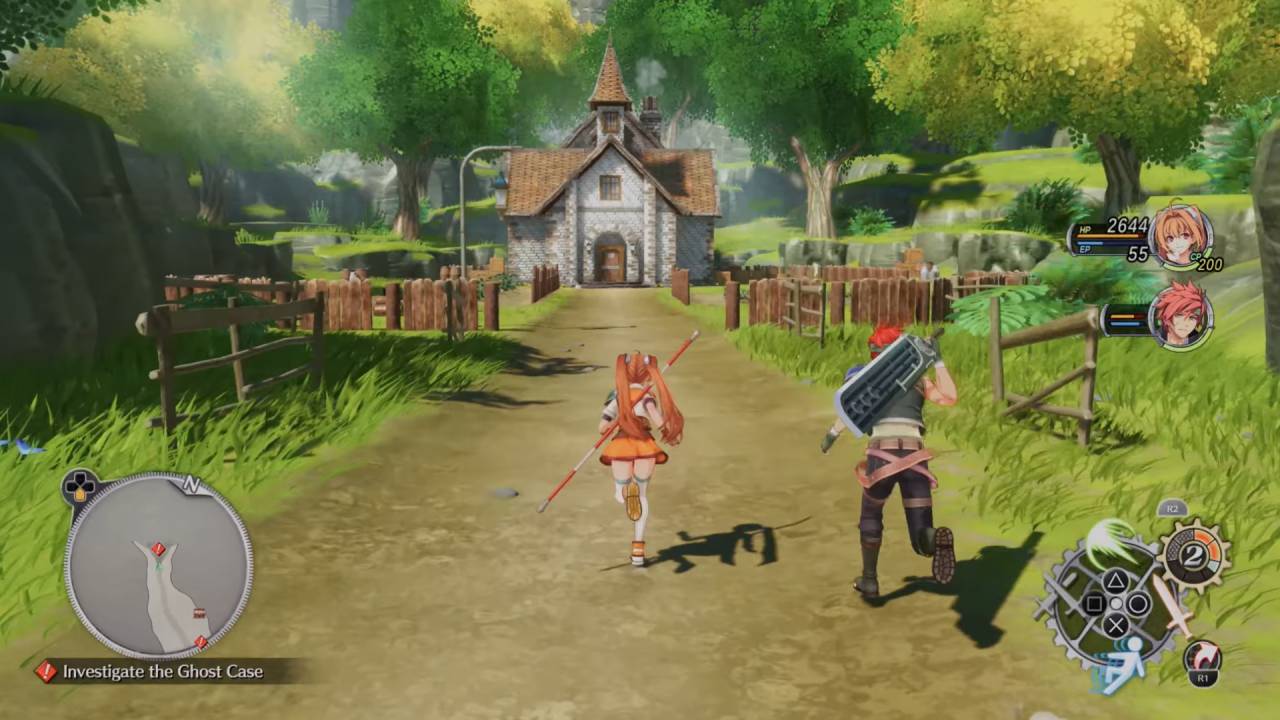
Your old quartz isn't compatible, meaning you need to rebuild your spell slots and character configurations. At first, this can feel like a traditional sequel power reset. You may wonder why your characters suddenly need to rebuild abilities they already possessed. However, the system serves a larger purpose. As you progress, you unlock new capabilities, skills, and customization options.
Rebuilding your characters lets you experiment instead of carrying over the same setups from the previous adventure.
The remake also retains the more restrictive, class-focused philosophy associated with the original Orbment system. This differs from some later Trails games, where customization became considerably more flexible. For fans who appreciate classic RPG mechanics, that restraint gives the system its own identity. Combat is where the remake makes one of its most noticeable departures from the original.
The game combines real-time elements with tactical turn-based combat, creating battles that feel more active while retaining the strategic decision-making expected from a Trails title. Instead of simply selecting commands and waiting for animations to play out, you need to think about positioning, timing, turn order, resources, and enemy behavior. The timeline mechanic remains central.
Every action influences the turn order, and different positions on the timeline can provide bonuses or create disadvantages. This encourages you to pay attention to what is about to happen rather than focusing only on your current attack. You might decide to delay an attack to prepare an Arts ability, move a character into a better position, or take advantage of a particular turn bonus.
Brave Points add another layer of resource management. Instead of treating powerful attacks as abilities you can use whenever they're available, you need to consider when spending your resources will have the greatest impact. The remake also incorporates stunning mechanics. Attacking enemies effectively builds a meter that eventually lets you activate powerful Brave Attacks.
This adds another reason to think about how you approach each encounter, rather than immediately using your strongest attack.
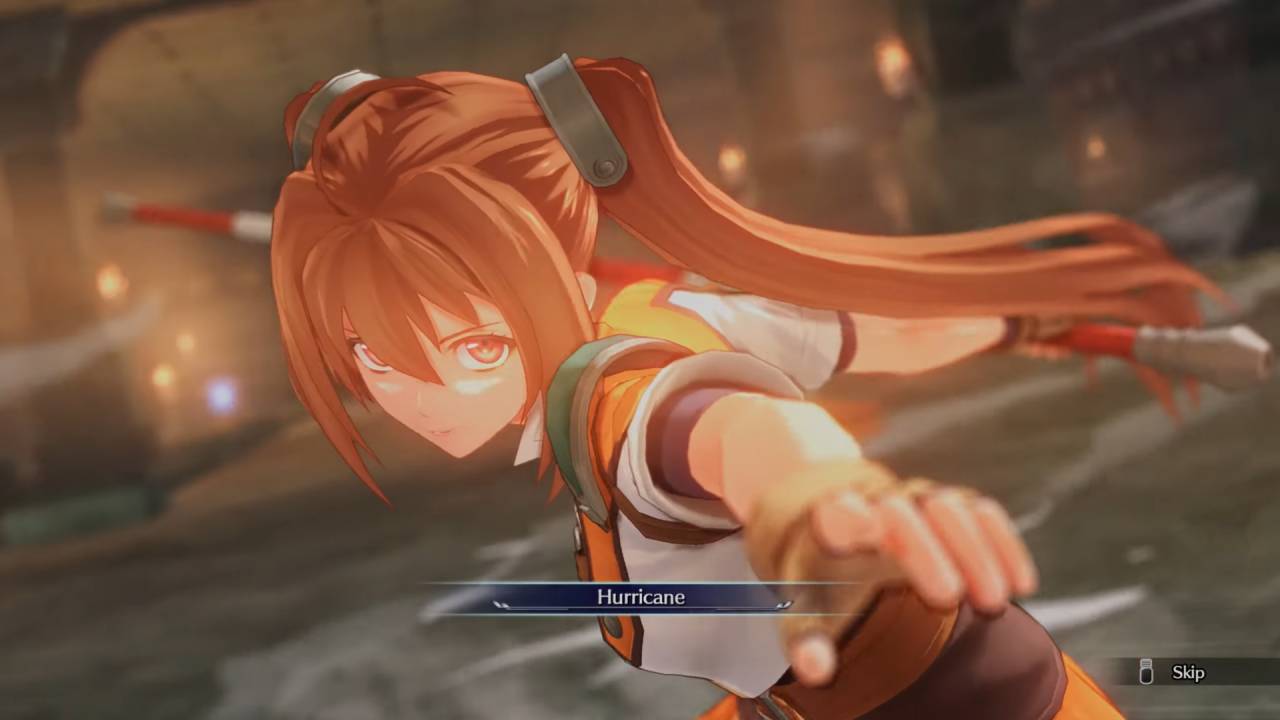
Brave Rush is another notable addition. These double-team attacks let characters combine their strength into dramatic attacks that are both visually impressive and mechanically useful. They also reinforce the importance of party composition. Estelle is particularly enjoyable to build because she can adapt to different approaches. You have plenty of freedom to experiment with her abilities and decide what role she should play in your party.
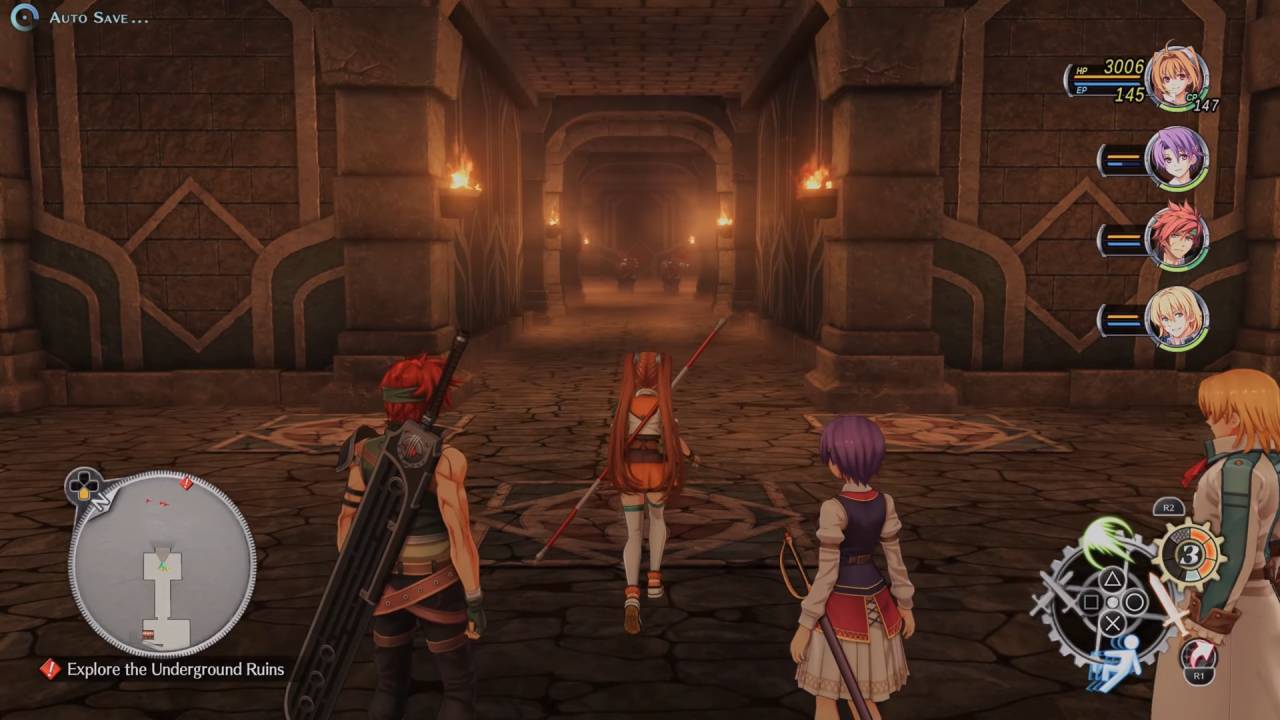
The mix of Arts, Crafts, S-skills, Brave Attacks, positioning, and character builds gives combat enough depth to stay interesting throughout the long adventure. Progression follows the traditional JRPG philosophy, but the remake ties your advancement to exploration and questing rather than forcing you into endless grinding. This structure encourages you to engage with the world instead of rushing from one main objective to another.
The game doesn't rely entirely on repetitive grinding. If you explore areas thoroughly and complete side quests, you'll naturally encounter enough enemies to keep your party developing. The Orbment system also gives progression more meaning. Because your previous quartz setup doesn't simply carry over, you effectively have to rebuild your characters.
This initially feels like a setback, but it eventually becomes an opportunity to experiment with new configurations. Unlocking new quartz and abilities creates a sense of gradual growth. Instead of reaching the sequel with a perfect setup, you're encouraged to rebuild your party and learn how the new systems work. Different characters can also fill different roles, which makes party management more interesting.
Instead of grinding purely for numbers, you often develop your party while learning more about the world.
The Liberal Kingdom has been recreated with stylized 3D environments and anime-inspired character designs. The new presentation gives towns, roads, buildings, and combat arenas considerably more depth. Instead, it embraces a colorful anime aesthetic that fits the Trails franchise extremely well. This matters because a more realistic visual direction could have changed the world's identity.
The stylized presentation allows the remake to look modern without making the characters and locations feel disconnected from the original. The character models are expressive, and smoother animations make conversations and combat feel more modern. The improved camera work is especially noticeable during battles, where cinematic angles make attacks feel more impactful.
Towns and other locations feel more substantial because you can view them from different angles and appreciate details that weren't possible in the original presentation. The remake therefore doesn't simply make the same locations sharper. It gives them a greater sense of physical presence.
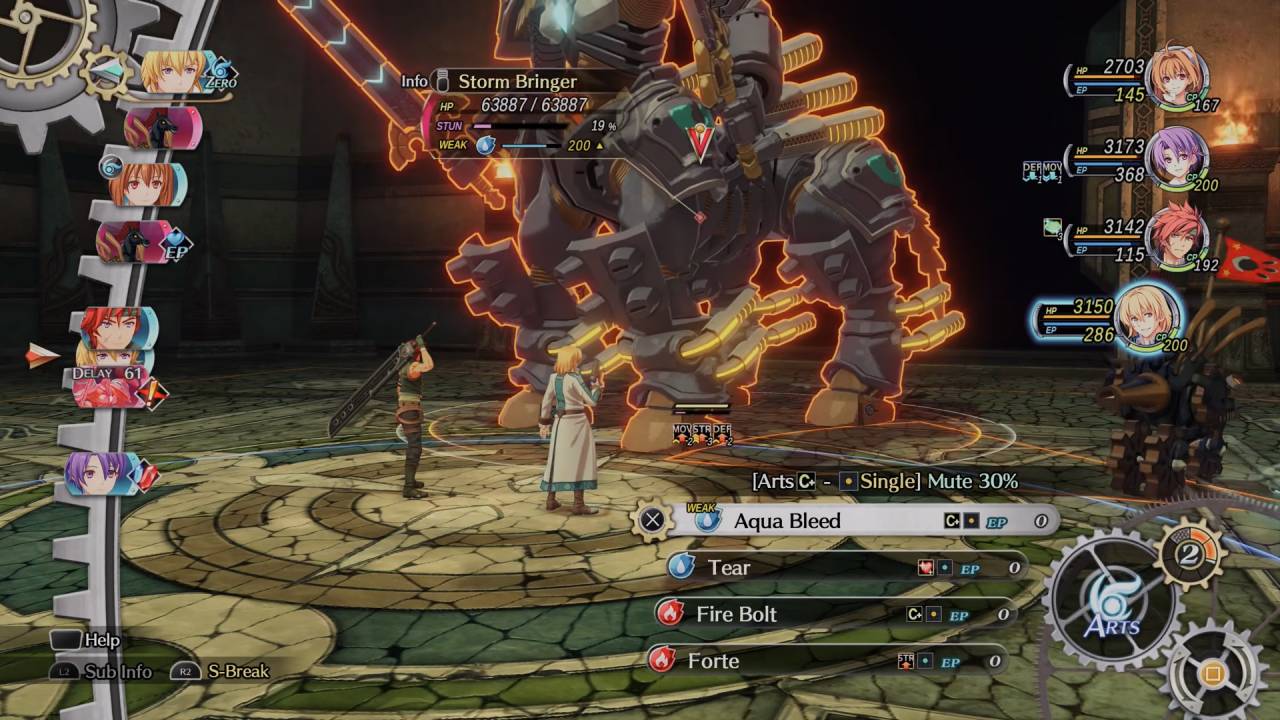
The game maintains stable frame rates at default settings, letting the improved visuals and combat presentation shine without major technical distractions. Trails games include a lot of dialogue, so giving characters a stronger vocal presence makes a noticeable difference. Important conversations benefit the most. Emotional scenes feel more personal when you can hear the characters react, rather than relying entirely on text.
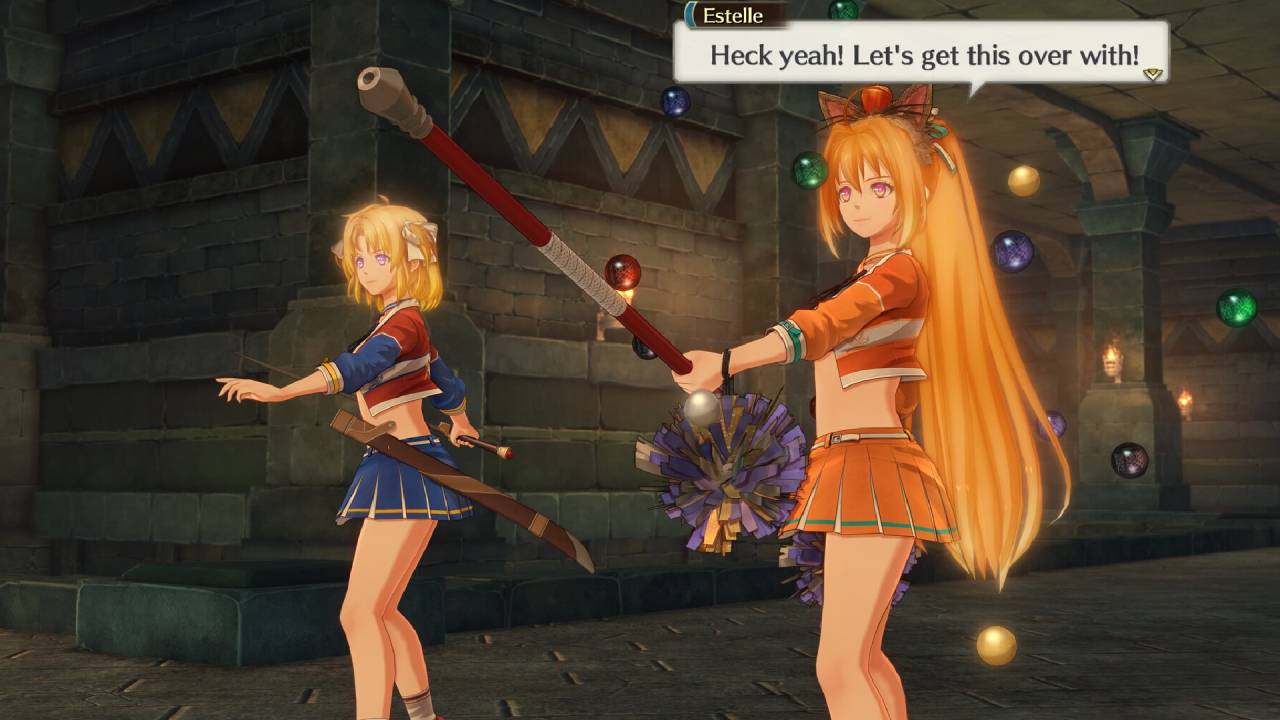
Estelle's personality also comes through strongly, with her energetic attitude and emotional vulnerability clear in her voice performance.
The supporting cast benefits similarly. Stronger personalities make characters easier to distinguish, while comedic moments gain extra impact through timing and delivery. The soundtrack continues to play an important role in establishing the game's atmosphere. Falcom's music has long defined the Trails franchise, and the remake uses its soundtrack effectively across exploration, combat, and story sequences.
Quiet areas can feel peaceful and reflective, while battle themes provide considerably more energy when combat begins. The combination of music, environmental audio, and voice acting gives the remake a much stronger cinematic presentation than the original.
Trails in the Sky 2nd Chapter has a difficult responsibility. It needs to modernize a classic without removing the qualities that made it special. The combat system is considerably more fluid, the 3D presentation gives the world a new sense of scale, and full voice acting makes the characters more expressive.
Yet the remake doesn't abandon the original's traditional RPG foundations. The Orbment system remains recognizable, the Bracer Guild still provides plenty of optional content, and exploration remains an important part of the experience.
Her search for Joshua gives the adventure personal motivation, keeping the larger political and supernatural conflicts connected to the characters. The supporting cast strengthens that foundation. Characters have their own personalities and motivations, and many of them receive enough attention to feel like genuine parts of the world rather than temporary companions.
The side quests are another major strength.
While the game includes plenty of traditional RPG objectives, many optional assignments are creative enough to encourage you to investigate. Whether you're dealing with an election-related incident or exploring supposed paranormal activity at a schoolhouse, these quests help make the world feel unpredictable. The biggest obstacle is the game's length and pacing.
This is not a JRPG you can rush through comfortably. Long conversations, lengthy cutscenes, optional quests, exploration, and numerous character interactions can make the adventure feel enormous. If you prefer games that constantly move from one action sequence to another, the pacing may become frustrating. The dialogue can also shift dramatically in tone.
A conversation can shift quickly from comedy to serious political discussion, and that transition isn't always smooth. But this is also part of what makes Trails different from many other JRPGs. The game wants you to spend time with its world. It wants you to know the people living in it, understand their problems, revisit familiar locations, and recognize how seemingly small events connect to larger conflicts.
The remake's biggest success, then, is not any individual graphical or mechanical improvement. It is the way those improvements support the original experience instead of completely replacing it. The modern combat makes battles more engaging. The new visuals make exploration more attractive. Full voice acting adds personality to conversations. Yet the emotional core remains intact.
Estelle is still searching for Joshua.
The world is still filled with characters whose stories intersect with hers. And the larger mystery surrounding the organization behind the conflict still gives you a reason to keep moving forward. For newcomers, the remake offers a much more approachable way to experience a foundational Trails story. For returning fans, it offers a chance to revisit a familiar adventure with a much more modern presentation.
At times, the writing could be more concise, and the story's length won't work for everyone. But those issues don't erase the overall strengths. Trails in the Sky 2nd Chapter feels like a game made by developers who understand that nostalgia alone isn't enough to justify a remake. It takes the original's foundation and adds modern systems where they make sense.
The result is a substantial JRPG that combines emotional storytelling, character-driven world-building, tactical combat, exploration, and modern presentation. If you are willing to invest the time it demands, Estelle's journey offers a rewarding continuation that feels both familiar and surprisingly fresh. Pacing issues remain, and the narrative's sheer length may intimidate newcomers.
Trails in the Sky 2nd Chapter is a heartfelt, expansive JRPG that blends Estelle's emotional journey with modernized combat, rewarding exploration, memorable characters, and a beautiful 3D presentation. Its lengthy dialogue and occasional pacing problems may test your patience, but its rich world and satisfying progression make the adventure worthwhile.
Staff Writer, NoobFeed
Verdict
Trails in the Sky 2nd Chapter blends heartfelt storytelling, memorable characters, tactical combat, and modern visuals into a rewarding JRPG. Its lengthy dialogue and pacing may test your patience, but Estelle's journey remains deeply engaging.
91
Related News
No Data.