
World of Warcraft: Midnight Review
PC
Blizzard refines its flagship MMO with sharper quest design, stronger worldbuilding and a more inviting sense of purpose, even if some systems still stop just short of greatness.
Reviewed by Maisie Scott on Mar 09, 2026
People have thought about this game for more than 20 years, and now it needs more than just a show to stay fresh. As the eleventh expansion and second chapter in the Worldsoul Saga, World of Warcraft: Midnight chooses refinement over chaos, although still giving off enough confidence to make you feel like you're a new person.
Blizzard doesn't market this release as a complete reset; instead, it sees it as a careful extension of the healing process that began with The War Within. This tactical restraint turns out to be one of the best creative choices the company has ever made. This led to a growth that is formed by tradition but not limited by it.
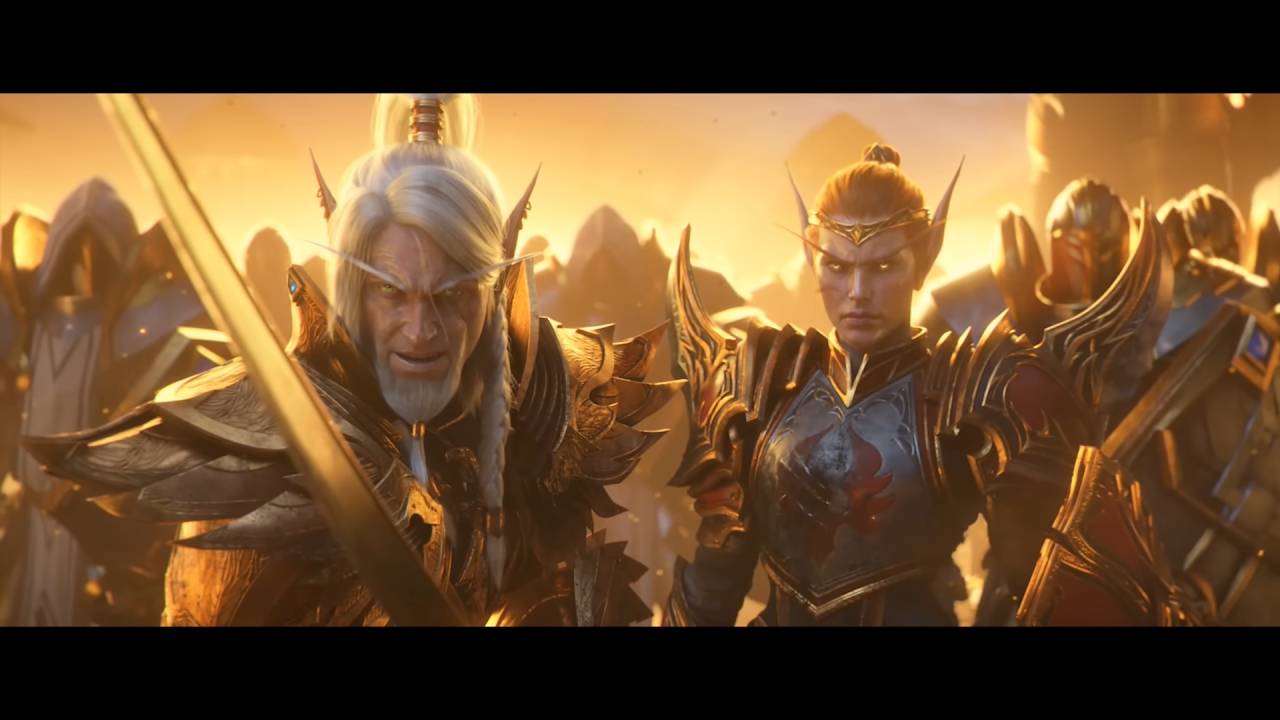
This proportion gives the opening hours an authority that feels real rather than fake.
It's important to know what led to that trust. Blizzard made World of Warcraft the model for modern MMORPG design. But the studio has had to deal with the burden of its own standards, the game's huge story and a player base that remembers every win and every loss. In this light, World of Warcraft: Midnight doesn't seem like such a big risk.
Instead, it seems like a smart move to manage the brand, since the company knows that nostalgia is only useful when combined with real-world system work. It's more than simply a follow-up to The War Within. It's also part of Blizzard's bigger plan to bring back the sense of wholeness, usefulness and feeling to Azeroth.
The story picks up after The War Within and quickly brings the characters back to a crisis. The writing does a good job of grounding that urgency in real-life cultural fault lines instead of merely cosmic abstractions. A lot of the drama in World of Warcraft: Midnight comes from Silvermoon, Quel'Thalas, elven identity and the growing threat of void-aligned danger.
There are also family problems and old scars that Arator is trying to heal. That makes the story more personal than some of the franchise's more over-the-top end-of-the-world plots, even though the bigger threat is still aimed at Azeroth itself. It works best when personal history, political memory and local history are used to tell the story instead of just disasters.
When the story goes back to old places with a new theme, it's at its best. Silvermoon, Eversong Woods, Zul'Aman and the areas around them are not treated like museum pieces, but like places to live that have been changed by damage, repair and unfinished war. Because the environments stay the same, World of Warcraft: Midnight has a more profound emotional feel than expansions that just move to a different faraway land and expect you to care from the start.
The weaker parts show up when the game falls into common MMO exposition patterns. This happens when big secrets are explained too simply and emotional beats tell you how to feel instead of letting the scene carry that weight. The growth is built around momentum on a structural level.
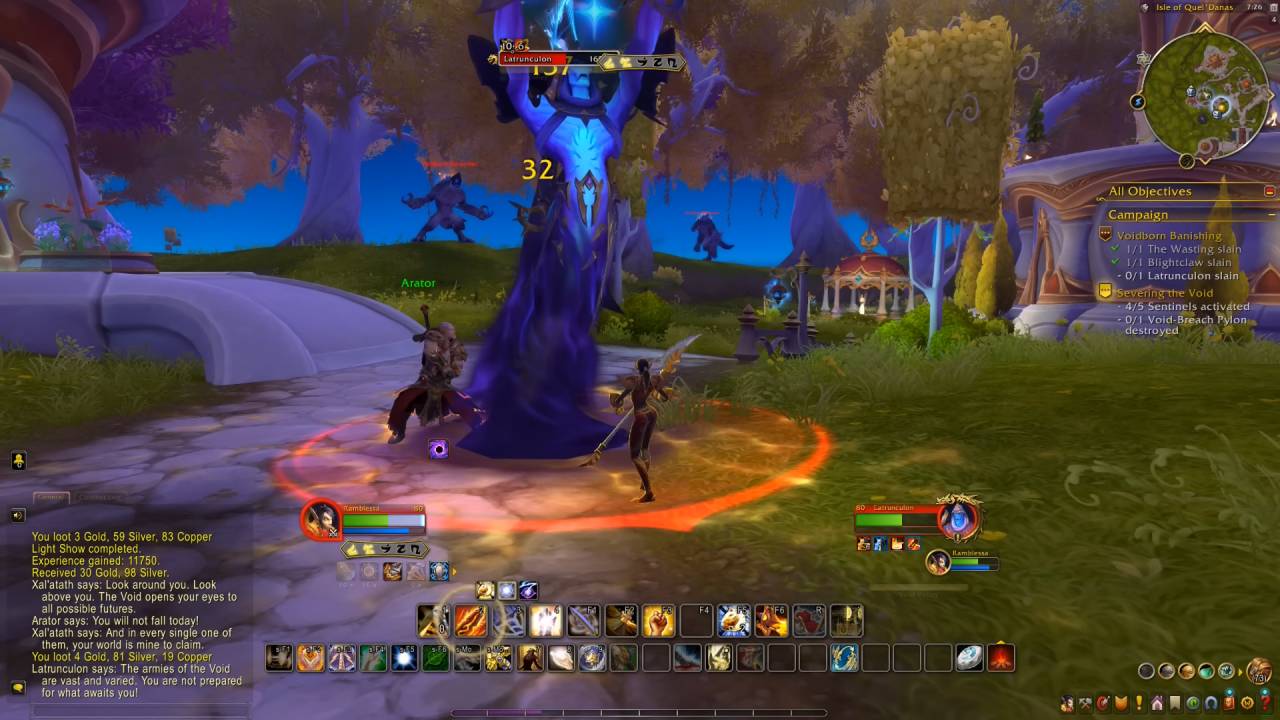
Quests push you through the campaign, side quests give you a sense of what the region is like, dungeons and delves easily fit into progression, world content feeds gearing, and housing gives you a way to express yourself without becoming too focused on item level.
It makes the hours go by with dangerous grace.
World of Warcraft: Midnight works because almost everything you do feels like it fits into a bigger picture of movement. This could mean story progress, character growth, neighborhood growth, or just a better reason to stay in the world after the campaign is over. The content loop is well-polished and based on variety rather than noise.
People should really like the way quests are designed because they aren't just boring kill and collect tasks. You can still fight, but more quests now depend on talking, moving, simple puzzles, localized stories or atmospheric side trips that make zones feel like they were written instead of just occupied.
Follower dungeons and better solo-friendly paths make World of Warcraft: Midnight a lot better for you if you want to get into the game without having to deal with the social problems of queue culture right away. That accessibility isn't just a nice feature; it's also a smart way to grow the audience because it makes it easier for new people to join without hurting the game's wider environment.
It's still the same old hotbar-driven system for handling cooldowns, seeing where you are, stopping, cycling resources and learning how to handle fights, but it feels better and more confident than it has in years. Core class changes, talent transfer from the last expansion and ability-assisted tools that can be turned on or off all work together to make a system that can help both pros who are coming back and people who have not played in a long time.
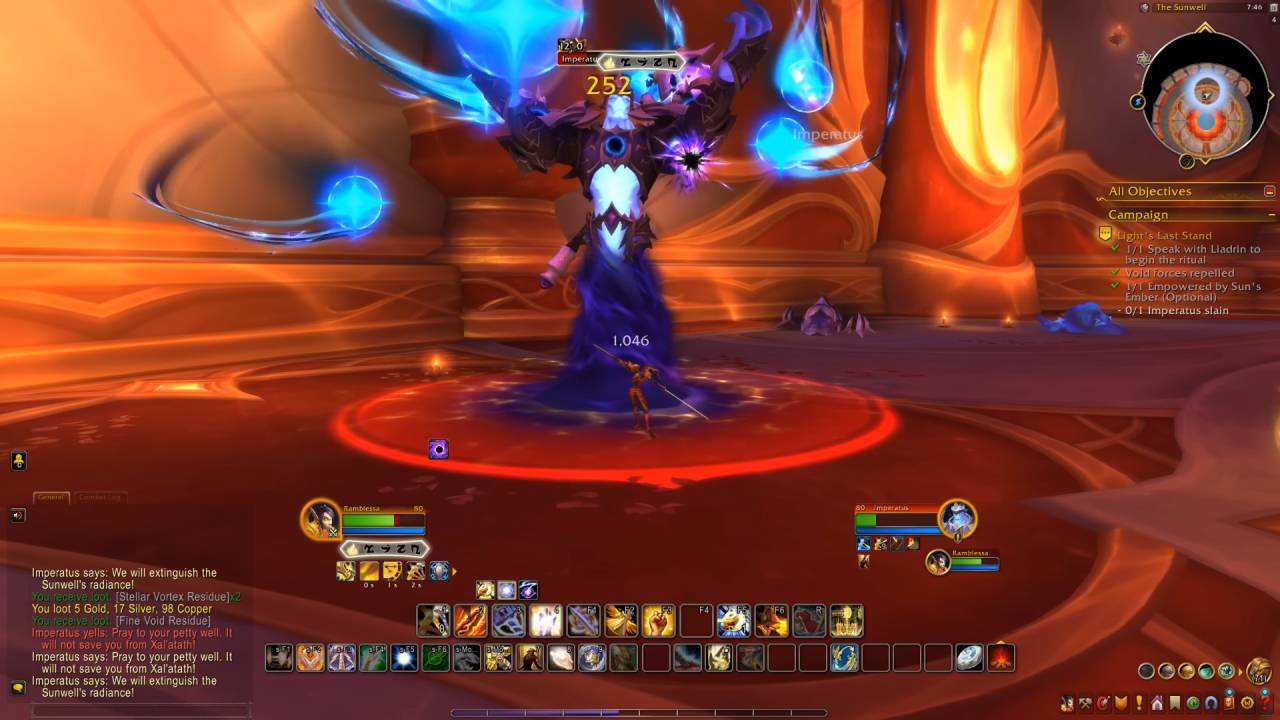
Dungeons and delves in World of Warcraft: Midnight really show how important refinement is, since bosses demand better timing, positioning and technical respect than simple habits of healing through chaos can keep up. This clearer language for encounters gives normal runs a sense of importance that raises the whole extension.
The puzzle part is simple but nice. A number of quests and delves have small spatial problems, maze-like layouts, clue-driven goals, or situational jobs that break up the monotony of straight-line combat. The Prey system also adds a livelier rhythm to outdoor play as hunters look for prey.
By no means does World of Warcraft: Midnight turn into a puzzle game, but it uses pressure in a smart way to keep the player present. However, not every experiment works out perfectly and some of the Prey encounters feel more annoying than exciting. This is especially true when an ambush goes from being a surprise to being annoying without providing the same dramatic result.
The best thing about the way battles and encounters are designed is that they take into account how skilled you are. In the better dungeons, the bosses require timing, teamwork and a clear understanding of how the game works. Also, the delves finally feel like written mini-adventures instead of small leftovers from bigger group content.
World of Warcraft: Midnight also knows that changes to quality of life aren't just for looks.
For example, better solo pathways, smoother grouping and easier system reading all lead to better retention. One problem is that some systems still feel like they are stuck between bold design and patchy tuning. Prey is the best example of an idea that sounds great in theory but isn't always fun to play.
It's a good thing that progression is handled more slowly than in many recent MMO updates. It doesn't usually feel like a sprint to the real game when you level up from 80 to 90. This is because story progression, side quests, delves, dungeons and profession interaction all make the experience curve more even.
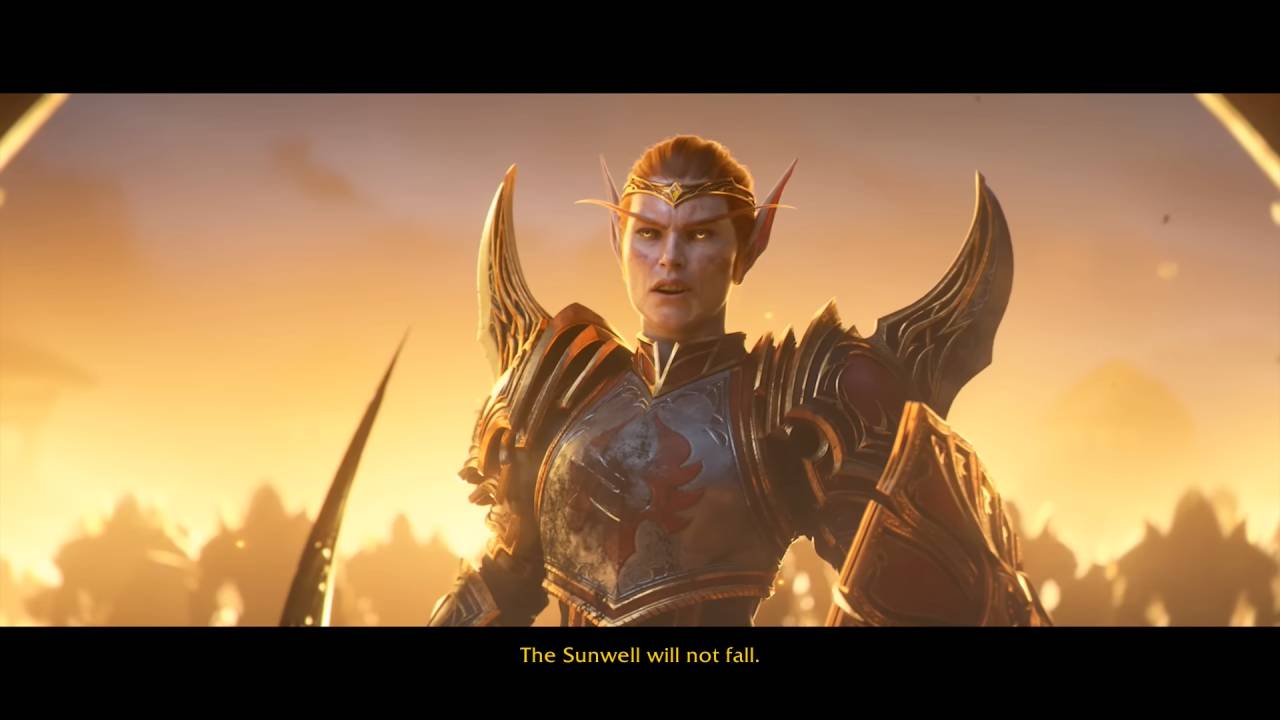
In World of Warcraft: Midnight, leveling up changes the pace in a good way by giving the journey alone new meaning. However, if you don't do any side content, you may run into underleveled friction from time to time. This has a big impact because a more even XP curve brings back the excitement of quests and adventure and stops the worst thing that happens in this genre: treating whole zones like pointless passageways to the goal.
When you reach max level, gearing is surprisingly open. There are many ways to become relevant in a modern MMO, such as through world tasks, delves, dungeons, PvP, Prey contracts, crafting and seasonal systems.
This is how the game should be designed to meet different player types. That flexibility is very helpful for World of Warcraft: Midnight because it lets serious optimizers, casual explorers, guild-focused players and housing fans all play together without the whole experience feeling stuck in one channel. There is still a bit of complexity fatigue during crafting and some profession economies seem to be tuned in the wrong way, but the framework is good and more in line with what people expect today.
The expansion looks great and is a good lesson that art direction lasts longer than strict fidelity. The most important part is Silvermoon's redesign, which is truly magnificent, mixing grandeur, memory and new world design in a way that appears both reverent and progressive.
World of Warcraft: Midnight shows over and over that going back to old places can be more emotionally powerful than making up whole new countries. This is because the updated architecture, lighting and environmental storytelling in these refreshed zones carry on the meaning that the old ones did.
Even though Harandar and Voidstorm aren't as interesting to everyone, the whole visual package still looks much better than regular fantasy wallpaper. Character models, spell effects and changes in the surroundings all look better thanks to Blizzard's long-honed sense of silhouette and readability.
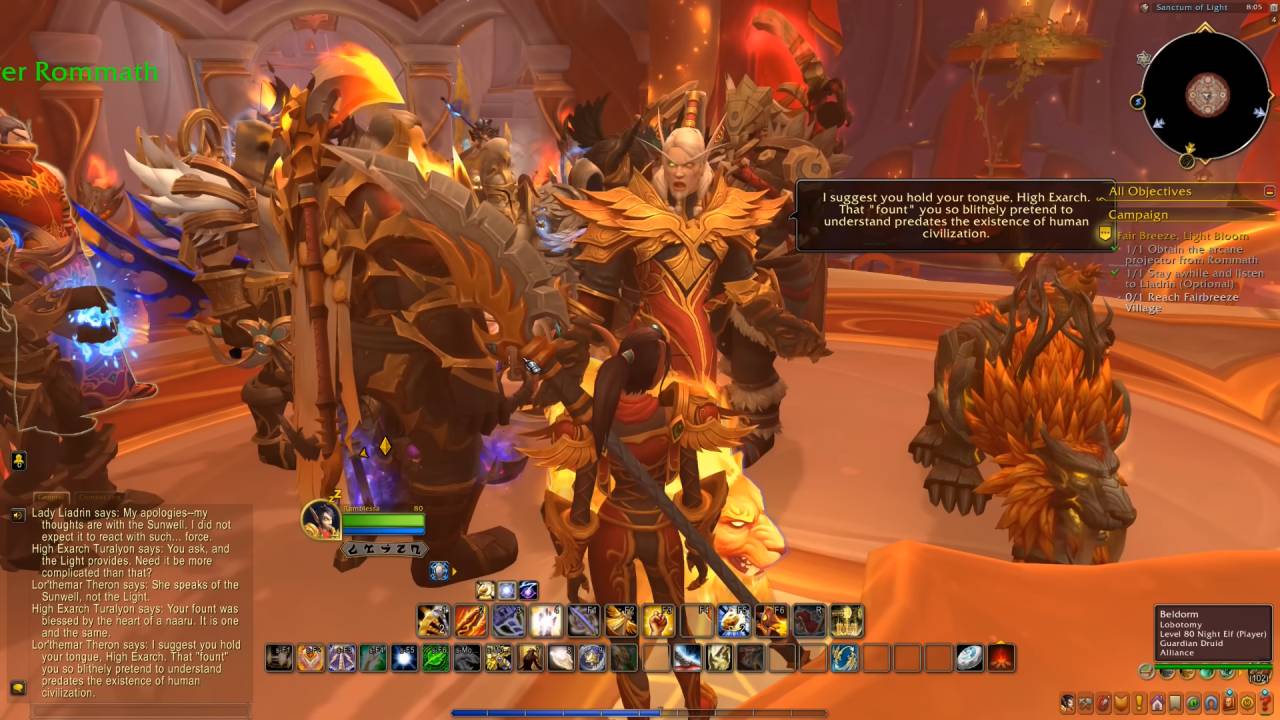
There are some cutscenes where the engine shows its age, but the world has enough style and space personality to keep you immersed.
Housing makes that impression stronger by giving you a second type of visual ownership that has less to do with combat power and more to do with creating room, adding to the community and expressing themselves. That's a good addition because it expands the visual dream of Azeroth beyond war, making the world a place that can be lived in as well as protected.
One of the expansion's quiet successes is the sound design. It's clear that Blizzard knows that worldbuilding is often done through hearing rather than seeing. The music in this game does a great job of conveying sadness, grandeur, disquiet and cultural identity without becoming too much.
The music in World of Warcraft: Midnight makes it feel like these areas are more like tense, story-filled places than pretty backgrounds made for travel. The score adds polish to questing, exploration and dramatic escalation and ambient layering gives hubs and wild places a stronger sense of presence than the script could do on its own.
Combat sound also has a pleasing weight to it. It's easier to understand spell cues, situational cues and the pace of an encounter when there is clear sound feedback. This is especially important in dungeon material that now requires better timing and positioning.
Voice work and story delivery aren't always outstanding, but they're good enough to back up the material and keep the campaign going with trust. That consistency is important because it lets the growth sound great even when some parts of the story don't quite reach the emotional high point they're going for.
<>While restoring trust, this expansion's most amazing feat is not that it changes everything. It's what makes so many things better that already work. Long-term housing is a nice addition, dives are more fun, the leveling curve feels better, solo access is better and the world is friendlier than it has been in a long time.
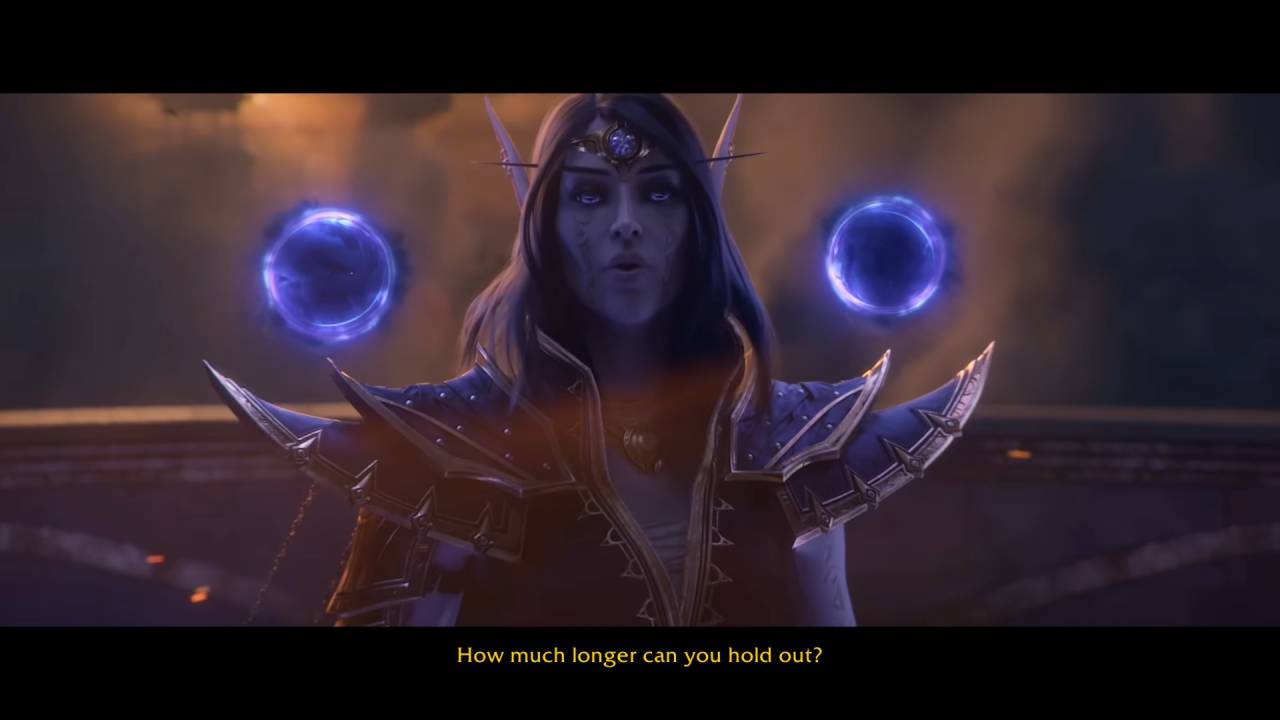
World of Warcraft: Midnight really gets what modern MMO players want. It offers ambition, comfort, nostalgia and growth all at the same time, without letting any of them completely destroy the others. That's smart product design that looks like a mythical tale, and that's why this update feels more solid than many louder ones.
Still, being careful shouldn't be taken for being perfect. Some parts of the story are still too detailed, Harandar isn't always as interesting as the expansion's best areas, Prey seems bound to split players, and some parts of the crafting economy still need to be better balanced.
The overall opinion is very positive because the base is strong, the changes are smart and the desire to return to a revived Quel'Thalas is real. Although World of Warcraft: Midnight is not a revolutionary change, it is a very good addition that gives Azeroth a sense of value again, which in a series this old may be a more rare accomplishment.
Editor, NoobFeed
Verdict
Midnight is an elegant, content-rich expansion that favors meaningful refinement over hollow reinvention. Strong quest variety, superb world design, and long-awaited housing make it easy to recommend, even if a few systems still need sharper tuning.
76
Related News
No Data.