
Console vs. PC Gaming Then vs Now: How the Lines Have Blurred
How Early PC Gaming Was Defined by RTS, MMOs, and Experiences Consoles Could Not Deliver
Hardware by Tanisha Aria on Dec 22, 2025
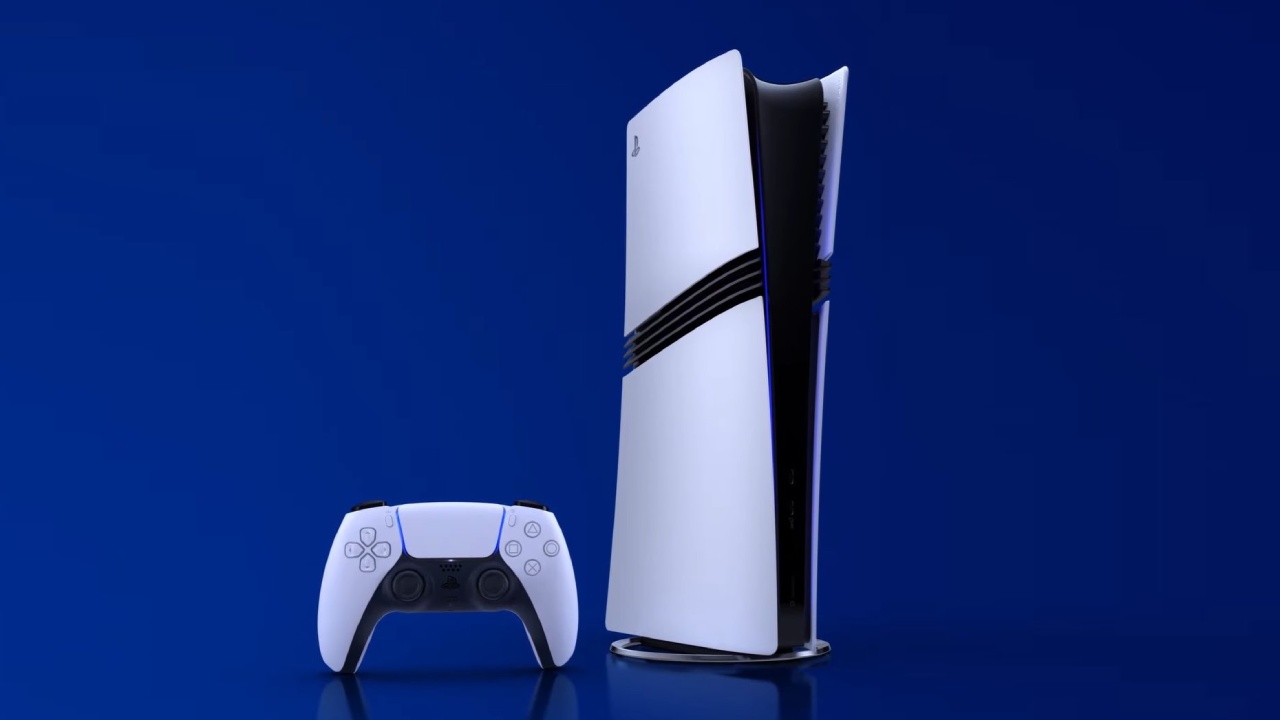
The argument over playing video games on consoles versus PCs has changed significantly in the last 20 years. Not long ago, there was a clear distinction between consoles and PCs. Still, that distinction has faded as consoles have adopted PC-like features and PCs have become simpler and easier to use.
At the same time, the conversation about GPU makers and Linux games keeps coming up, especially around AMD and the expanding landscape of open-source drivers. These subjects should be looked at more carefully and more recently.
How PC Gaming Originally Defined Itself
In the early to mid-2000s, PC gaming wasn't about playing the latest big games for many fans. It wasn't about that; it was about getting to play games and experiences that worked better, or only worked, on PC.
The platform was built around MMOs, professional games like League of Legends and Dota2, and a huge selection of indie games. RTS games like Age of Empires and computer games were a big part of why PC gaming felt one-of-a-kind.
Back then, those games either couldn't be played on platforms or were seriously lacking on them. It seemed almost impossible to play an RTS without a mouse and keyboard, but platforms didn't come with built-in support for them. That fact changed how many people first got into PC games.
Consoles and PCs Have Grown Closer Than Ever
Consoles and PCs Have Become More Similar Than Ever. The old reasons don't work as well anymore. These days, many console games support mouse and keyboard, prices are often the same across platforms, and systems are much more stable.
There are still bugs on PC, but not as many as there used to be. Consoles, on the other hand, have become more like PCs with simpler operating systems, quicker storage, and more features.
These days, cost and personal taste, rather than strict capability, usually decide whether we play on a console or a PC. If you mostly want to play new AAA games, a $400 system is really hard to disagree with.
Even games that used to be only on PC, like Age of Empires 4, can now be played on consoles with mouse and keyboard support. This breaks down the last few remaining limits.
Why PC Gaming Still Matters
Even though they're getting more similar, PC gaming is still its own thing. We don't pick a PC because it's a "better console" or because it always runs every game faster.
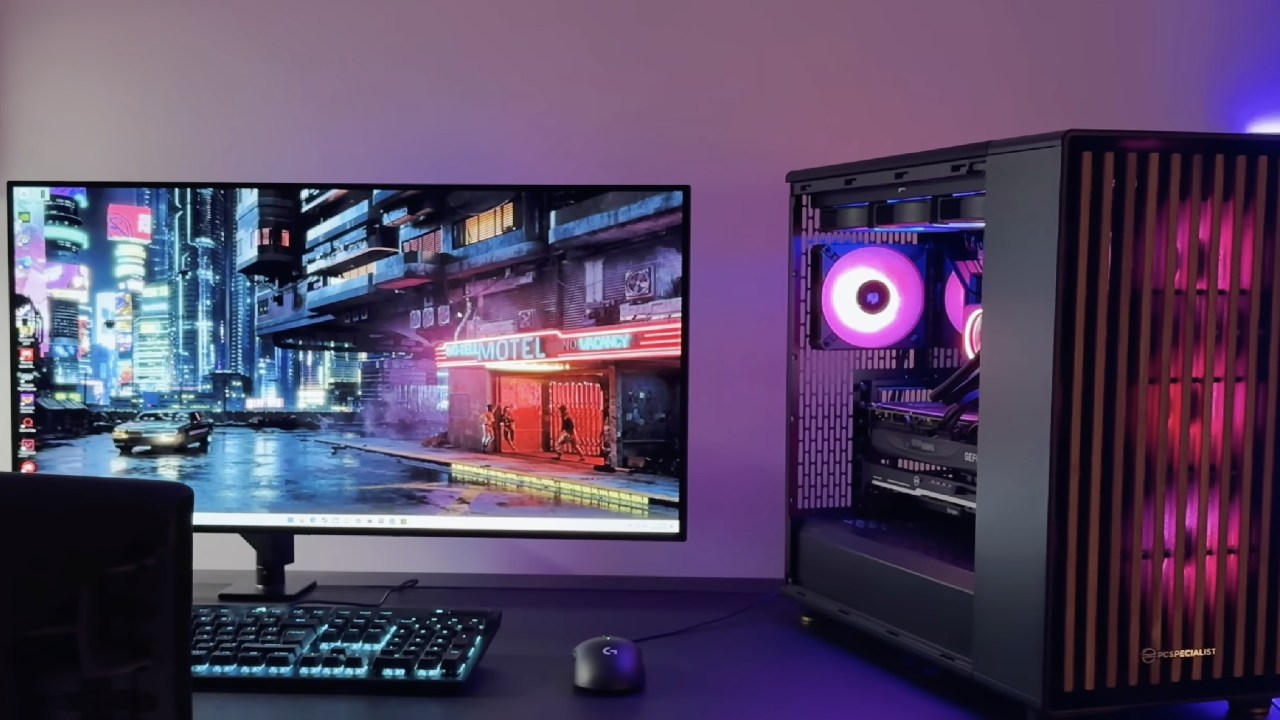
We picked it because we want a PC that can do PC things. That includes serious work, study, multitasking, and the ability to use multiple large screens simultaneously with powerful CPUs that never feel slow.
A PC still makes more sense if you like having three big screens, a ton of browser tabs, and a system that works great for both work and play. Choosing a console isn't a wrong or lesser choice, and making a PC doesn't make you smarter. Every medium has its own use.
Changing Gaming Habits and Platform Inertia
As game habits change, it's reasonable to wonder how much platform loyalty stems from real need and how much from inertia.
For many people, the way we play games now might actually be more like platform gaming. Still, we are drawn to PCs because we appreciate having a versatile device that can do more than just play games.
We're probably going to always have a PC, but that doesn't mean it has to be a high-end game rig forever. More and more people are interested in switching to smaller, more efficient, and more powerful computers that can handle work tasks and still play games well.
The Future of PC Hardware and APUs
Today's methods are already showing significant progress in efficiency. These days, even high-end computers can easily do 4K60. As future APUs approach the performance of desktops and maybe even match GPUs like the RTX 4060 and others, it becomes easier to picture a system that prioritizes stability, energy efficiency, and professional drivers over unnecessary graphics.
If the experience is smooth and effective, you might not have to set everything to the highest level. That change could calterthe meaning of "gaming PC" in the next few vhardware generations
AMD and Linux: Setting the Record Straight
When it comes to Linux, the part AMD plays needs to be made clear. A lot of people have improved Linux gaming, including Valve and AMD, which committed to open-source drivers more than 15 years ago. It was a big choice because it meant spending a lot of money, including the cost of extensive lawyers' time to release documents.
Long before the general public embraced game platforms, AMD's early support enabled Linux gaming. Valve's later work built on that, making AMD devices on Linux even better supported. With all that in mind, AMD is clearly the best choice for Linux gaming, especially when prices are the same as or lower than those of other options.
NVIDIA has started to fill this gap with projects like NVK and Nova, but their current open-source driver stack is more like where AMD was in 2013. Things are moving forward, but the AMD environment still has significant momentum.
Final Thoughts
The main point is still true: you should get a PC because you want one, not because you think it will always be better than consoles in every way. Consoles are great at their job, and for a lot of players, they make more sense than ever. At the same time, PCs are still the most flexible, productive, and controllable computers.
As the lines keep blurring, the choice isn't about which one is better anymore. It's about picking the experience that fits your play and work style.
Also, check our other hardware articles:
- AMD Ryzen 9 9950X3D Review: Setting The Standard For 2025 Gaming CPU
- Amazon Luna 2025 Review: Is Prime Gaming's Cloud Service Your Go-To For Casual Fun?
- AMD RX 9070 XT Review: AMD's RDNA 4 Champion for 1440p Gaming
- GeForce Now Ultimate: Ditching Your Gaming PC For Cloud RTX 4080 Power?
- NVIDIA GeForce RTX 5080 Review (2025): Still A 4K Gaming Powerhouse?
- Intel Core Ultra 9 285K Review And Performance Breakdown (2025)
- AMD Ryzen 7 9800X3D Review: 3D V-Cache Goes God Mode with Stunning Gaming Performance
- Intel Core Ultra 9 285K vs AMD Ryzen 7 9800X3D: In-Depth Gaming Performance and Benchmark Comparison
- NVIDIA GeForce RTX 5080 Super Performance In Cyberpunk 2077: Path Tracing & DLSS 4.0 Tested
- AMD Radeon RX 9070 XT In Cyberpunk 2077: Ray Tracing & FSR 4.0 Tested
- Intel Arc B580 Review: The $250 GPU Revolutionizing 1440p Gaming
- Intel Arc B570 Vs. B580: Value, Specs, And Real-World Gaming Performance
- RTX 5090 Laptop Vs. M4 Max MacBook Pro: Ultimate Raw Performance Vs. Battery Endurance
- Intel Arc b580 Vs. RTX 4060: Game Performance And Value Analysis
- RTX5090 Hell Is Us Demo 4K Ultra Benchmark: DLSS Vs. Native Performance Guide
- NVIDIA RTX 5070 Review: Mid-Range Muscle or Marketing Hype?
- Nintendo Switch 2 Review: Handheld Performance, Features & Value Breakdown
- RTX 5070 Ti Review: Performance, Thermals & Power Efficiency Tested
- Samsung Odyssey OLED G81SF Review 2025: Ultimate 32-Inch QD-OLED Gaming Monitor
- AMD RX 9070 Performance Review: Thermals, Clocks, and Real-World FPS
- AMD Ryzen 5 7600 Review: Best Budget Gaming CPU of 2025?
- AMD Radeon RX 7800 XT Review: RDNA 3 Power For Midrange Gaming
- Asus ROG RTX 5090 Astral OC Vs. Founders Edition: The 4K Gaming Benchmark
Contributor, NoobFeed
Gaming Hardware Updates
No Data.