
PlayStation Turns Back to Past As Sony Faces Growing Pressure Over Gaming Strategy
Rumors of bringing back old franchises come at a very important time for Sony: costs are going up, live service is having trouble, and fans are getting angry, which could lead to a reset for PlayStation.
PlayStation by Nusrat Choity on May 22, 2026
Something feels different around PlayStation right now. For years, Sony looked completely focused on the future — massive live service projects, cinematic blockbusters with sky-high budgets, subscription growth, and an aggressive push toward long-term multiplayer ecosystems. But suddenly, the conversation has started changing.
Instead of focusing solely on new online shooters and billion-dollar service games, attention is shifting back to the franchises that built the PlayStation brand in the first place. Sony is now exploring the return of several classic PlayStation series, including Infamous, Sly Cooper, Jak and Daxter, and Ape Escape.
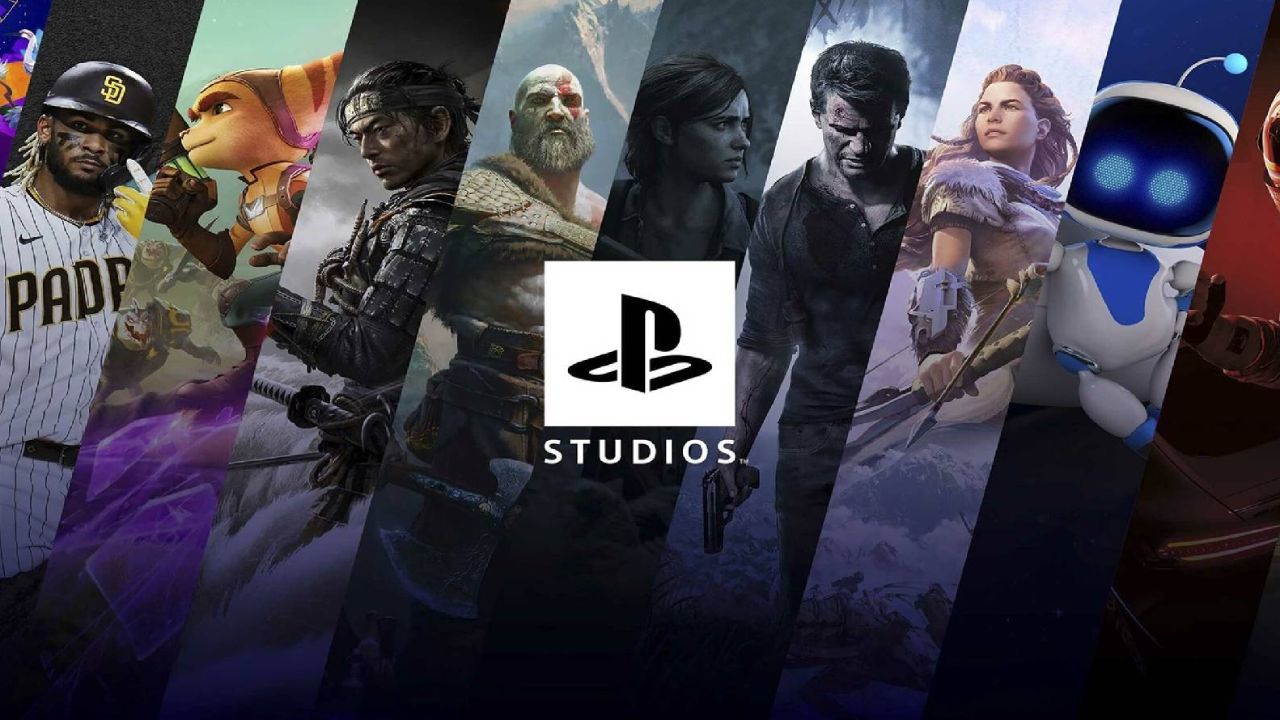
On the surface, it sounds like a dream come true for longtime fans who have spent years asking for these franchises to make a comeback. But behind all the nostalgia and excitement, there is a much bigger story unfolding about where PlayStation currently stands as a company — and why Sony may finally be reconsidering the direction it has taken over the last several years.
The timing of these reports is not a coincidence. It’s been a rough few months for PlayStation, specifically when it comes to its overall gaming strategy. Sony poured resources into live service gaming, hoping to replicate the kind of long-term success that turned games like Fortnite, Call of Duty: Warzone, and Genshin Impact into cultural phenomena.
The company spent billions of dollars to acquire Bungie, grew the number of teams working on multiplayer games, and aggressively pursued titles that would keep players engaged for years rather than weeks. But several of those plans have struggled to connect with audiences as Sony likely hoped.
Concord became one of the clearest examples of that problem.
The multiplayer hero shooter faced criticism almost immediately after being revealed, with many players questioning why PlayStation was spending so much time and money entering an already overcrowded market. Instead of feeling fresh or exciting, the game quickly became a symbol of what many fans believe has gone wrong with modern AAA gaming—giant budgets, trend chasing, and products designed more around long-term monetization than personality.
That criticism did not stop with Concord either. Questions have also started to surround Marathon, Bungie’s upcoming extraction shooter, which has yet to generate the kind of unstoppable momentum Sony may have expected after spending billions to bring Bungie into the PlayStation family. While anticipation still exists for the game, the reaction has been noticeably quieter compared to the excitement surrounding Bungie’s earlier projects.
The prices of everything in the PlayStation ecosystem have also been rising. The price of PlayStation Plus subscriptions has gone up, the price of the PS5 has gone up in some areas, and internet rumors about future price hikes for games keep going around. Many gamers are growing increasingly angry because the cost of playing games keeps rising while new games take longer to release.
.jpg)
That frustration is important because PlayStation built its reputation on trust and prestige. Sony has spent years selling itself as the premium gaming brand — the place where players could expect polished exclusives, unforgettable single-player adventures, and industry-defining franchises. But that image has become harder to maintain as development budgets continue to explode across the industry.
Today's AAA games can cost hundreds of millions of dollars and take six to eight years to make before they even hit store shelves. But even with those huge sums, success is no longer a sure thing. Players are pickier about where they spend their money now, and big budgets don't instantly impress audiences.
In fact, some of the biggest momentum in gaming right now is coming from studios outside the traditional Western AAA system.
According to the sources, PlayStation executives themselves recently acknowledged that Chinese and Korean developers are moving faster than many Western studios. Games like Black Myth: Wukong, Stellar Blade, Lies of P, and The First Descendant generated enormous hype worldwide while arriving with smaller teams and faster development cycles than many blockbuster Western projects.
What makes those games stand out is simple: they look fun. That may sound obvious, but it highlights a growing issue across the AAA industry. Many players are becoming exhausted by games that feel overly corporate, overloaded with live-service mechanics, or stretched into giant “forever game” ecosystems designed around retention metrics and monetization. Audiences increasingly seem drawn toward games that feel creative, focused, and full of personality instead.
That is exactly why the idea of PlayStation revisiting older franchises has sparked so much excitement online.
Series like Sly Cooper, Jak and Daxter, and Infamous represent a completely different era of PlayStation history. These games were colorful, experimental, weird in the best ways, and willing to take creative risks. Back during the PS2 and PS3 generations, PlayStation built a reputation for delivering games that felt distinct from one another rather than carefully designed by committee.
Sony may now see those older franchises as safer and smarter investments than constantly trying to manufacture the next giant live service hit. Established IPs already come with built-in audiences, recognizable characters, and emotional attachment from longtime fans. Marketing them becomes easier because people already care about the worlds and characters before a trailer even appears.
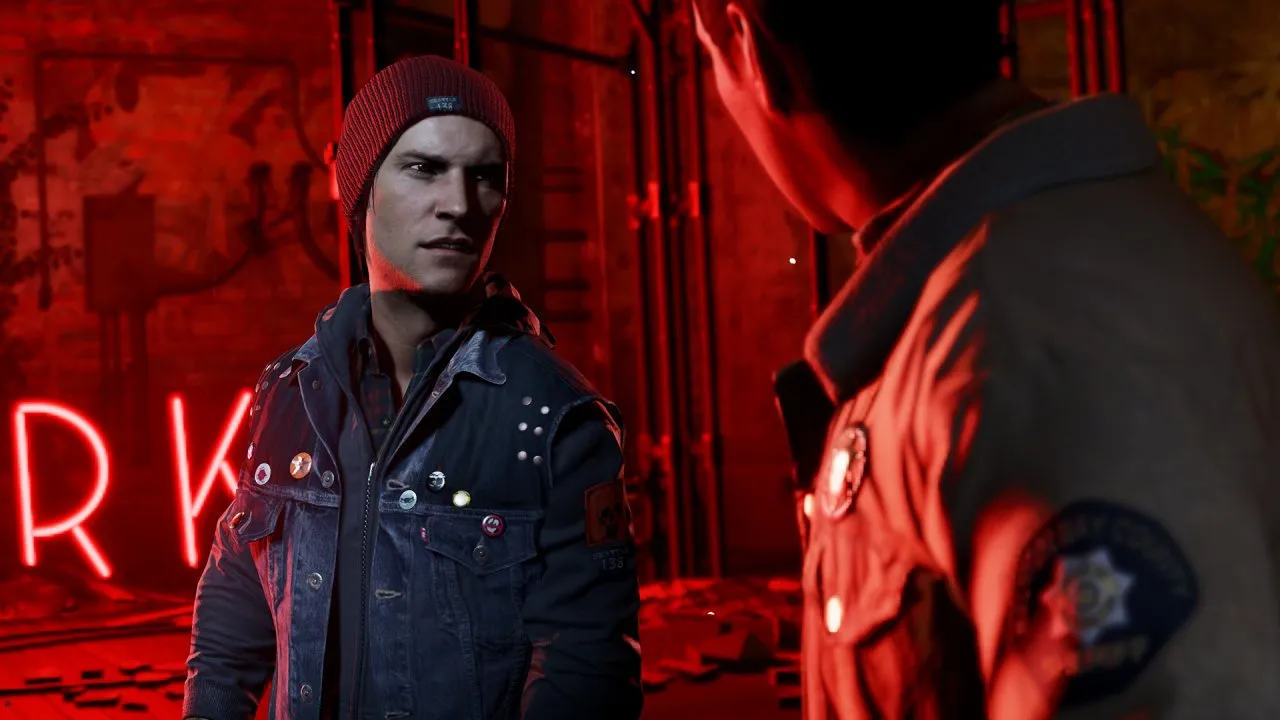
But there is also a sense of nervousness surrounding these rumors, stemming from one important question: can modern PlayStation consoles actually handle these franchises properly?
Many of the original creators behind PlayStation’s classic era are no longer at Sony, and the company itself operates very differently now than it did during the PS2 years. Fans worry that beloved franchises could return stripped of the identity that made them special in the first place. Nobody wants a Sly Cooper game overloaded with live service mechanics or an Infamous reboot designed entirely around modern industry trends.
That concern reflects a much deeper issue facing Sony right now: trust.
According to the sources, many players feel that PlayStation has spent the last several years chasing trends rather than creating them. The company that once defined gaming innovation now risks being viewed as overly corporate and reactive. Concord became such a lightning rod because many players looked at it and immediately wondered who the game was actually for.
That reaction alone revealed a disconnect between PlayStation leadership and parts of its audience. Sony now seems to be undergoing a period of course correction. Reports say the company is placing greater emphasis on audience engagement, openness, and legacy franchises while trying to reconnect with players who are losing interest in PlayStation's current direction.
But it's never easy to rebuild trust in the gaming business, especially when prices keep rising, and people's patience wanes. In principle, resurrecting old names is a wonderful idea, but history has shown that if you’re not careful, terrible things can happen. Today, people aren't as willing to forgive as they used to be. This is because memories make people set very high standards.
They don't just want big names to come back to boost sales. Fans of those series want games that are just as creative, fun, and unique as the original series. That challenge may define the next era of PlayStation more than any hardware upgrade or multiplayer roadmap ever could.
Sony still owns some of the most iconic gaming franchises in the world, and PlayStation remains one of the biggest brands in entertainment. But right now, the company feels like it is standing at a crossroads between two identities—the prestige-driven corporate giant focused on massive ecosystems and the creative risk-taking PlayStation many fans remember growing up with.
The real question now is whether Sony can truly rediscover what made PlayStation special before the industry changed around it—or whether these classic franchises are simply being called back one last time to save a company searching for its spark again.
Contributor, NoobFeed
Latest Articles
No Data.