
RAM Crisis is Reshaping PS6, Switch 2, and Xbox Hardware Plans
Rising memory costs and AI demand are forcing major console manufacturers to rethink next-generation hardware pricing strategies.
Hardware by Tanvir Kabbo on May 16, 2026
The RAM crisis is here, despite six months of forewarning. Prices are rising on consoles, supply is becoming an issue again, and 2.0 plans will be impacted throughout the gaming industry. The "grown-up" and less-expensive console generation has become the most expensive generation of gaming hardware ever.
AI-driven demand is driving an increase in data center traffic, while the ever-changing dynamics of the supply chain are leaving companies with little option but to reconsider pricing, launch timelines, and even console-generation design decisions.
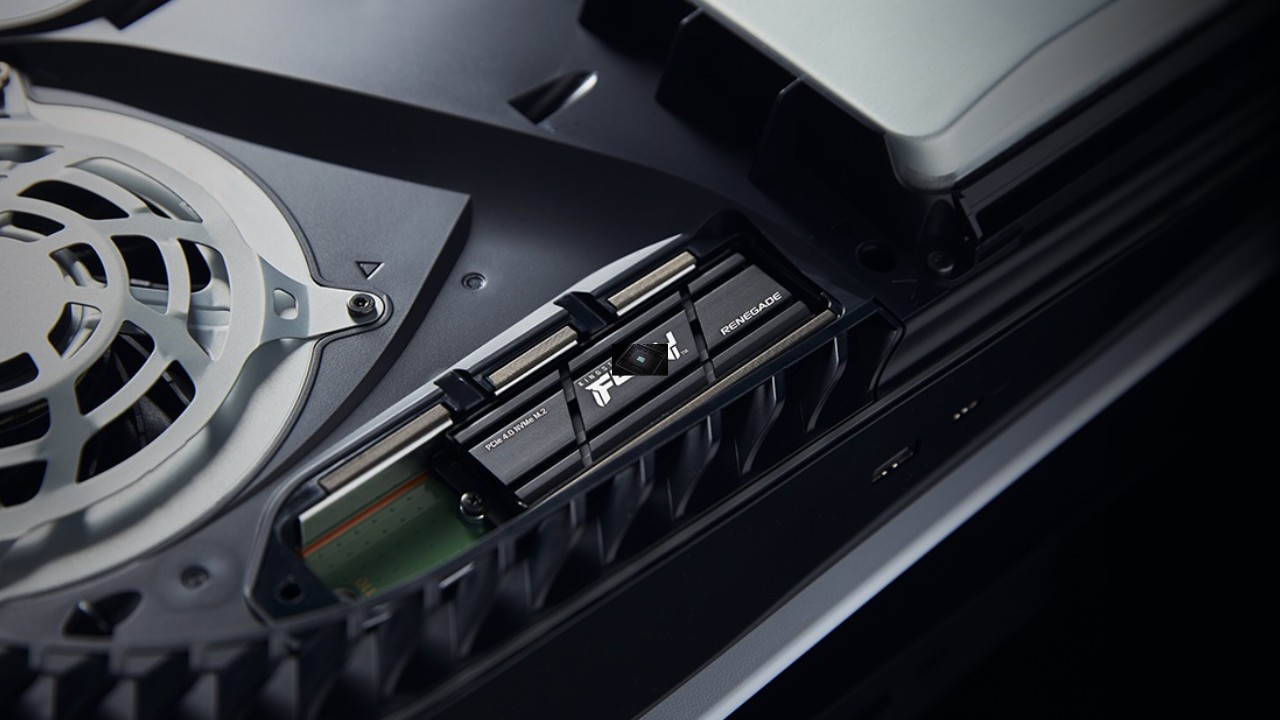
Console Prices Rise, Instead of Falling
The price of Switch is now $50 higher, and the PS5 and Xbox Series X are around $150 more expensive. There's no word on how much the Steam Deck costs, which is a bit of a surprise given that the portable has reportedly been unavailable for months. That's not the way console generations are meant to be. Older devices are expected to be cheaper over time, but price decreases don't appear to be on the horizon.
The easy solution would seem to be that prices are not being reduced soon. It's already hurting PS5 sales and is now starting to impact next-generation hardware planning.
When asked how Sony's CFO anticipated the situation might impact the PS game business, the answer was the PS6. "At the moment, we haven't determined the timing or price when the new console will be available. We are still thinking about that," Sony said. That's a different approach to the standard "we do not comment on future hardware" that companies give investors.
The message is loud and clear. Due to the chip shortage and memory crisis, companies are reevaluating and changing next-generation plans in their entirety.
AI Data Centers Are Driving the RAM Crisis
The underlying cause of all this is the growing AI industry. The emerging reason for all this is the growing AI industry. AI Data Centers are taking a huge bite out of the world's memory, storage, CPU, and GPU resources. Consequently, prices are rapidly escalating, and there is once again a shortage of supply.
As high-tech components are manufactured in foundries, there has been a growing interest in AI as a source of high profits. And now, gaming hardware is also fighting for resources with AI infrastructure, and consoles are losing this battle. Things are no longer limited to RAM. Storage prices are rising, advanced chips are scarce, and manufacturers are finding it difficult to obtain components at "reasonable prices."
.jpg)
Nintendo Finally Gives In
Last April, Nintendo officially announced that the Switch 2 would cost $450. Many people thought the console would cost $400 at the time, though. But the larger problem came the same day as the US imposed large tariffs on a host of imports, including gaming hardware. Nintendo confirmed that the original $450 price was set before any potential tariffs exceeding 40% were considered.
The company postponed pre-sales and openly reconsidered whether to hike prices before launch. In the end, Nintendo stuck to their guns and said that the $450 price was the best it could do. It enabled one of the biggest console launches in recent times, as Switch 2 stock was still readily available in its first few months.
Now, however, Nintendo's facing the same RAM woe that's plaguing the industry all. Now, though, Nintendo is having the same RAM woe as everyone else. Sony and Microsoft have already hiked prices, and Nintendo has been claiming for months that it would avoid such increases. Soon, the reality came to pass.
Whereas Sony and Microsoft typically sell console hardware at a significant margin, Nintendo traditionally sells it at a small margin. Given the high cost of components, the company is now reporting significant losses on each Switch 2 sold. Nintendo has been under extreme pressure from investors about the situation.
Despite that, the company just increased its rate by $50 and gave people several months' notice before the rate increase kicks in on September 1. Nintendo's strategy seems much less aggressive than Sony's sudden price rise, which came just a week's notice. However, Nintendo also revised its sales outlook.
The company has also trimmed its forecast for Switch 2 sales next year to just 16.5 million units, compared with analysts' estimates of more than 20 million last year before the price hike. In other words, Nintendo is admitting that the price increase will cost them sales.
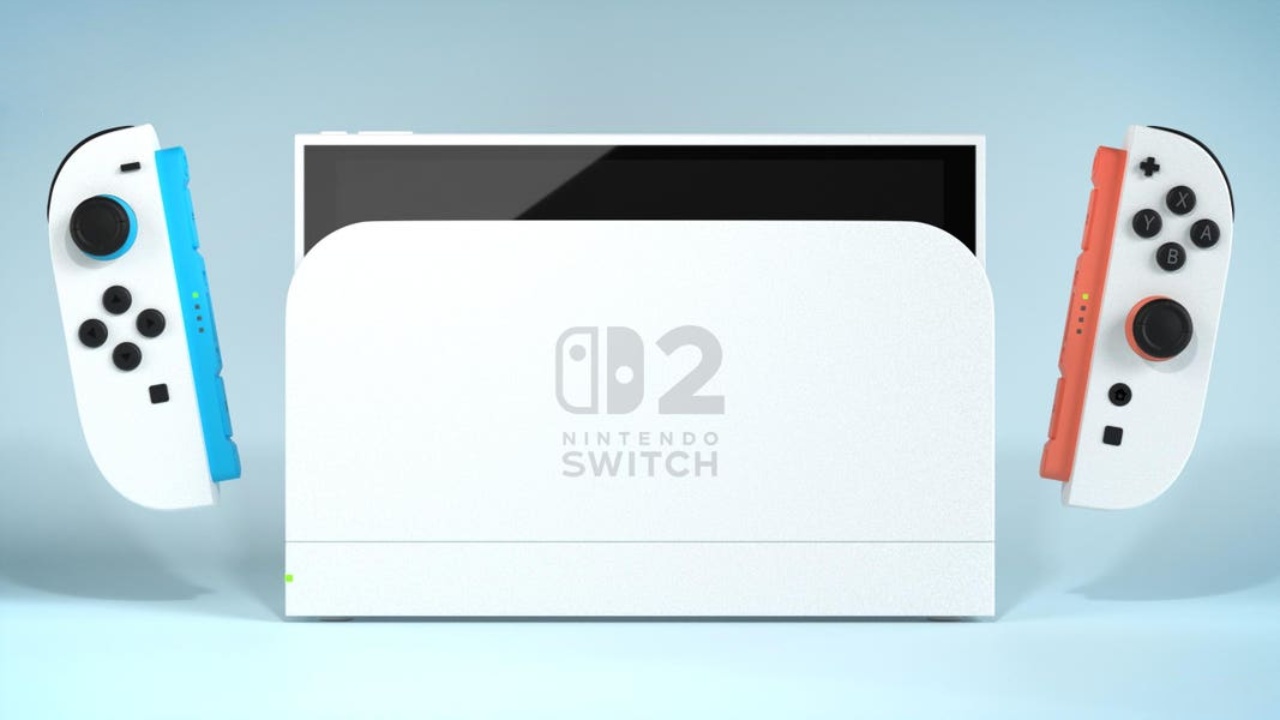
The Case for a Switch 2 Lite
Nintendo's biggest drawback is that there's no cheap Nintendo modern alternative at this point. While Xbox has the Series S as its semi-budget model, Nintendo is only holding onto the outdated Switch with its original console design, which is almost 9 years old, sometimes even getting price increases in certain countries.
The obvious solution would be a Switch Lite 2. The original Switch Lite launched three years after the standard Switch, was smaller, and was a popular choice due to its lower purchase price. If Nintendo were to follow this trend, then a new Lite model could only be expected in 2028.
That's a lot of $500 to ask players to pay for entry-level Nintendo products with no cheaper alternatives. Still, Nintendo's future is likely to stay secure as long as the company keeps making fantastic games. But those who want a Switch 2 will probably still buy one, even if the price goes up.
PS5 Sales are falling rapidly
In the quarterly report, PS5 sales had the worst quarter ever, down 46% vs. last year. At this point in its life cycle, the PS5 is somewhat behind, with around 3.3 million units sold. But a year ago, the PS5 launched at the same pace as the PS4, despite pandemic-related supply issues. Now, that is the difference: price.
The PS5 has had a few price increases; the standard model is reported to be around $650, while the PS5 Digital Edition has more or less doubled in price since its debut in 2020. The timing couldn't be worse for a console just starting to get off the ground with key software launches.
In fact, during a chat with investors, Sony revealed that PS5 production is constraining the company's ability to buy enough memory at reasonable prices.
The issues are not just hardware-related. Sony is rumored to have written down $565 million for Bungie, indicating that the corporation has acknowledged that Marathon won't be the game it expected. Sony's share price has also fallen by more than 20% since the beginning of this year.
.jpg)
The PS6 May Arrive in an Even Worse Market
The company has been "rethinking the business model and thinking of the best solution and strategy," according to Sony's leadership, indicating that the PS6 generation is actively considering ways to work differently.
The PS6 architecture is said to be largely complete as a result of extended collaboration with AMD on Project Amethyst. Sony will probably have supplier contracts, too, and they're not about to change the console design due to skyrocketing memory costs.
The bigger problem is when. Many analysts believe the memory crisis will only get worse in 2027, not better. If Sony releases the PS6 in 2027, 2028, or even 2029, it's possible that the company still has a much higher hardware environment.
This is why rumors of a lower-cost PS6 Lite are gaining traction.
A PS6 Lite Could Become Sony's Budget Option
According to leaks, Sony is planning to unveil three new products related to the PS6, the console they hope to launch. According to leaks, Sony will roll out three new products connected to the PS6, the console they hope to launch. The rumored deal would reportedly involve a cheaper version of the handheld-based console, but without a screen and battery.
That'd mean Sony can offer a more budget-friendly alternative for the next generation while still delivering greater performance than the PS5. One of the reasons for the Xbox Series S' success was that it offered more modern CPU, SSD, and graphics technology at a significantly reduced price, while still being better in a few key areas than the Xbox One X.
It was aimed at 1080p games, but was one of the most cost-effective systems available for years. If Sony can follow the same approach with an affordable PS6 Lite, it might work. The question, however, is how cheap the hardware can be made, as the memory costs increase.
Sony might also consider other strategies, such as offering discounts to players who subscribe to its hardware, implementing all-access payment models, or even offering accessory and bundled-reduction options.
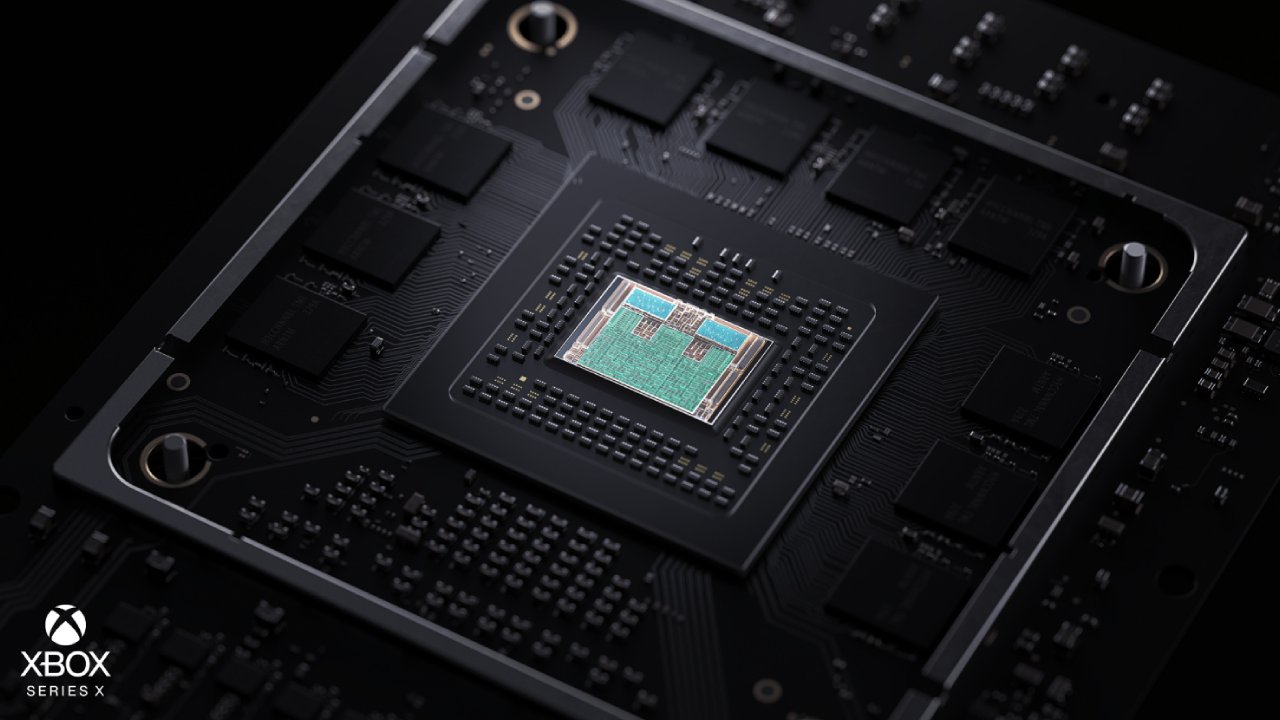
Current-Generation Consoles May Need Longer Lifespans
It might just be a matter of keeping the current generation of equipment in use. Sony doesn't have to consider the PS5 as a legacy console when the PS6 arrives, because they can market the PS5 as a long-term budget option that can coexist with the console of the future.
The continued support of software, coordinated game releases, and updates may help to justify the sky-high cost of the PS5 while avoiding leaving millions of players behind. This should be a similar tactic for Xbox, too. Sony has the strength of its install base, software lineup, and brand recognition to continue selling the PS6. Xbox is not as lucky.
Hardware profit has fallen by more than 30% compared with the previous year, and with Project Helix due out soon, it is widely expected to be priced at $800 to $1000. With Microsoft really wanting to make a comeback in the hardware market, this could be vital to the continued support of the Xbox Series S and X.
The Gaming Industry is Entering a Very Different Era
The power of the current generation of consoles is still sufficient for modern games, and there is less need to give up current hardware than in previous generations. The actual challenge is how to afford it. Sony seems to have changed its mind about the PS6 generation's operating system. In an ever-tougher market, Xbox is trying to find its footing.
However, Nintendo is no longer immune to rising costs, though it's still in a relatively good position with the Switch 2. The RAM crisis is not in the future! It is already shaping the future of gaming hardware.
Senior Editor, NoobFeed
Gaming Hardware Updates
No Data.