
AMD RDNA 5 Architecture: What the Current Information Really Suggests
Expectations around RDNA 5 stem from aligned platform strategies and forward-looking design goals.
Hardware by Shinji Okazaki on Feb 02, 2026
There has been talk about whether AMD's RDNA5 design is being praised too much. People are often afraid of what might happen if new AMD GPUs get too much attention and then turn out not to be the real deal. There is still a lot of talk about RDNA 5, and people are more confident in it than they were before.
The source is a very important factor in determining the reliability of leaks and stories. There are different levels of importance for different pieces of information, and people try not to make too much of a fuss about things. RDNA 5 still stands out because many solid signs point to the same result. People are still holding out in the hope of this alignment, even though they are usually wary of leaks.
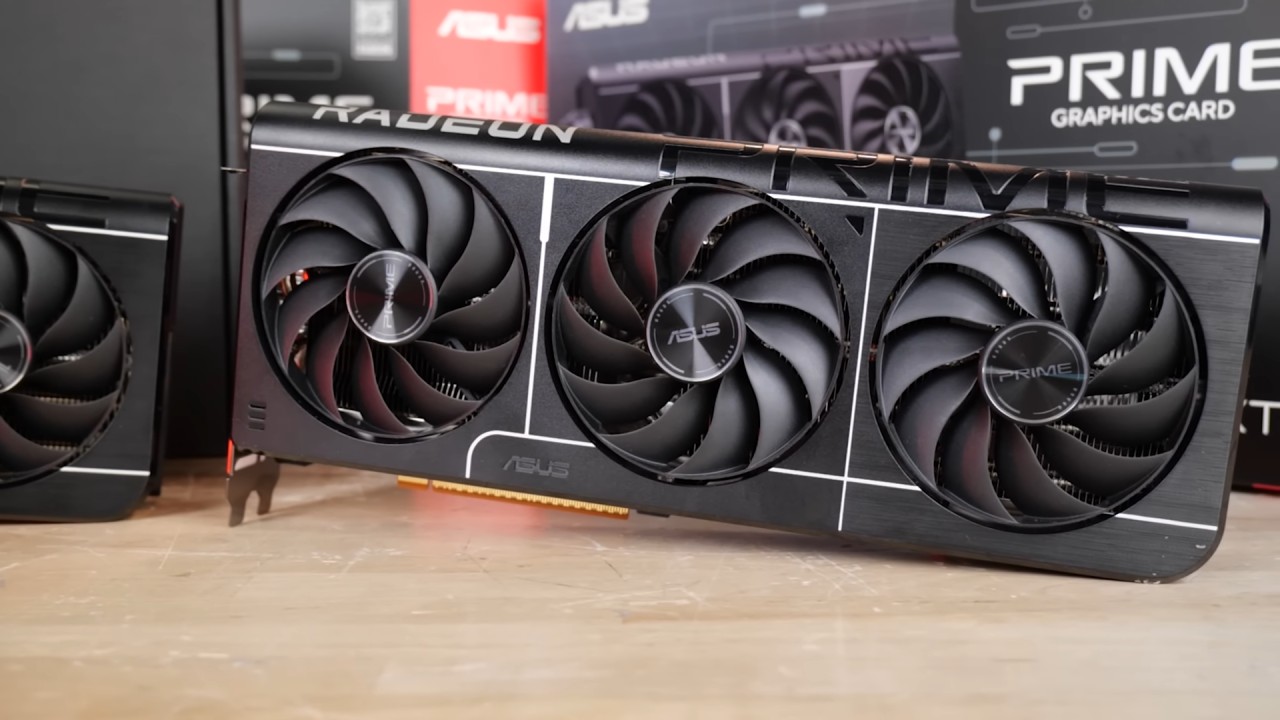
One of the best signs is that major console platforms have promised to use RDNA5 for their next-generation hardware. That choice shows a lot of faith in the underlying infrastructure and is a big commitment. From our point of view, this alone suggests that RDNA 5 will be able to handle tough long-term needs.
Project Amethyst and the Direction of Technology
It makes me feel better when people talk publicly about future game technology, especially through Project Amethyst. A lot of people have been thinking about what GPU designs will look like in the future, and the focus on graphics, evolution, machine learning, and long-term scalability fits with those ideas. The design goals align with the direction of game production, supporting the idea that the foundation is already in place.
Silicon Reports, Leaks, and Platform Growth
Several disclosures from reliable sources about silicon support the idea that RDNA 5 is not a minor step forward. Reports further say that the same technology might work on numerous types of devices, including possible handheld ones. When you put all of these pieces together, they make a coherent image instead of just hearsay.
A Change from Iterative Design
From what has been made public, RDNA 5 isn't an iterative update. Machine learning acceleration and ray tracing are very different from how they were done before. We're not just looking at support for existing games with limited ray tracing and upscaling approaches. We're also looking at an architecture that can handle more complicated rendering tasks.
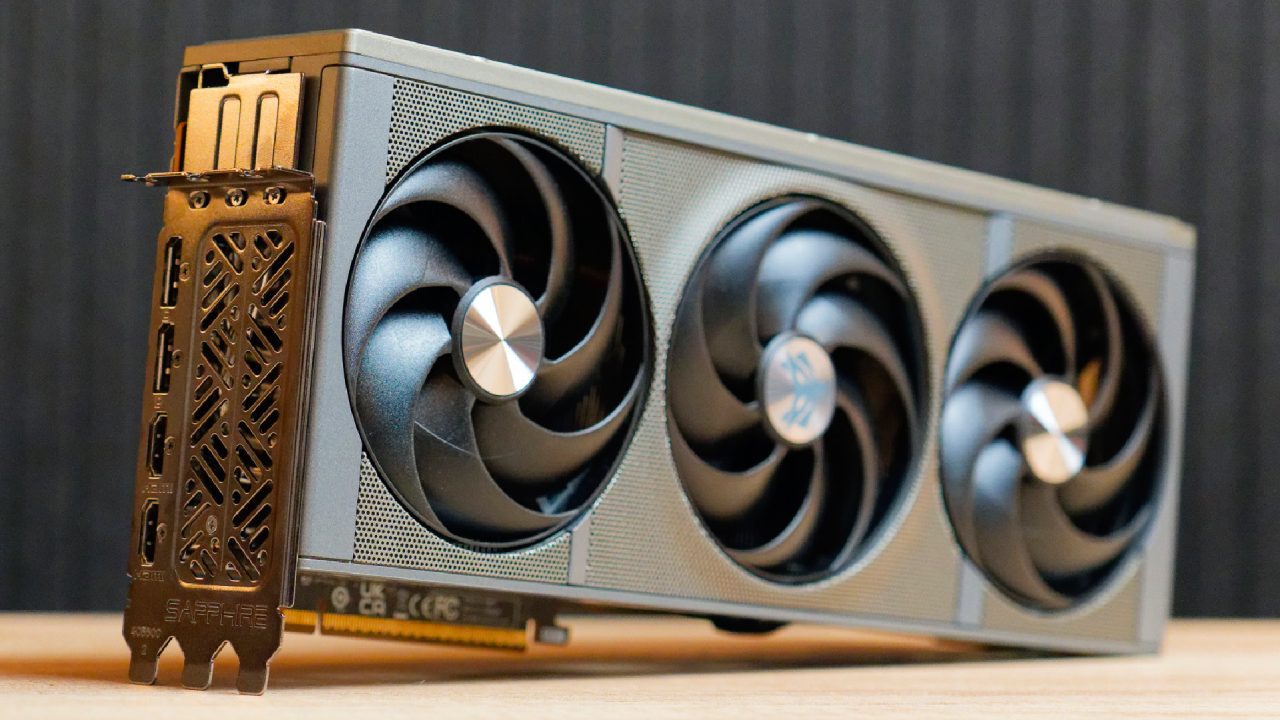
Getting Ready to Design Games in the Future
People expect that RDNA 5 can handle games that use a lot of path tracing, complex lighting models, and dense micro-polygon geometry. These are the kinds of tasks that people expect games made later in the decade to have. If AMD meets these aims and the platform partners make the right choices, RDNA 5 should be a good fit for the future.
Final Thoughts
Even if the expectations are enormous, they aren't based on just one leak or comment. They come from a mix of platform pledges, public talks about technology, and stories from people who regularly work there. We still need to examine how this works with desktop GPUs, but the information we have so far shows that RDNA5 was made with long-term use in mind rather than short-term improvements.
Also, check our other AMD articles below:
- AMD Ryzen 9 9950X3D Review: Setting The Standard For 2025 Gaming CPU
- AMD Ryzen 7 9800X3D Review: 3D V-Cache Goes God Mode with Stunning Gaming Performance
- AMD RX 9070 Performance Review: Thermals, Clocks, and Real-World FPS
- AMD Ryzen 5 7600 Review: Best Budget Gaming CPU of 2025?
- AMD Radeon RX 7800 XT Review: RDNA 3 Power For Midrange Gaming
- Sapphire NITRO+ AMD Radeon RX 9070 XT Review: The Ultimate 4K Gaming GPU
- AMD Ryzen 7 7800X3D: Delivers Gaming Performance Far Beyond Expectations
- AMD Ryzen 9 7900X Review: Powering the AM5 Era with DDR5 & PCIe 5.0
- Intel Core i9‑14900K vs. AMD Ryzen 7 7800X3D: Power Profiles & Gaming Benchmarks
Editor, NoobFeed
Gaming Hardware Updates
No Data.