
Nintendo Switch 2 Outpacing PlayStation and Xbox Early Sales
Massive early sales momentum highlights Nintendo Switch 2’s rapid adoption and strong positioning across the global gaming hardware market.
Hardware by Tanvir Kabbo on Nov 16, 2025
The numbers have been tallied, and the Nintendo Switch 2 has sold 10.36 million units in the four months between its June 5 launch date and September 30. Reports confirm it is selling twice as fast as the original Switch, which managed 4.7 million units in the equivalent period.
It has also outpaced PlayStation 5, which sold 7.88 million during its first two quarters and required eight months to reach 10 million sales. The Switch 2 marks what has been described as the biggest console launch ever, bolstered by the statistic that 84% of those 10.36 million buyers upgraded from the original Switch. This rapid success is attributed to stable manufacturing, high market demand, and favorable timing.
.jpg)
Reflecting on a Strong Start
We knew this would happen, but it still feels amazing to see the impact it had on people. You can tell right away why it matters when you look at the figures. For a long time, we've discussed the role of consoles and their importance to both gamers and developers. You can feel the relaxation across the industry.
Nintendo is the company that pushes physical media the hardest, and you can tell how committed they are by how much people who still like game cards appreciate them. We also saw the industry banking heavily on Switch 2, to the point where disappointment would have ripple effects.
When you consider how seamless the launch has been, you can appreciate how well-prepared the manufacturing efforts must have been, especially compared to earlier consoles that struggled to remain in stock. When you walk into shops now, you actually find multiple units sitting on shelves, something that took years with PS5 and Xbox Series hardware.
A Platform Positioned for Longevity
We can also feel how this fast start positions the system for a long life, much like its predecessor. You see units fly off the shelves while the original Switch gets closer to breaking records, maybe going past DS and getting close to PS2 territory.
You can expect to see additional hardware versions in the future, including the OLED model that many people would like to see sooner rather than later.
We can acknowledge that Nintendo's messaging has sometimes seemed uncertain, as if it is hesitating to fully transition away from the Switch One. Yet even with that slight awkwardness, they managed to deliver one of the strongest launches we have seen.
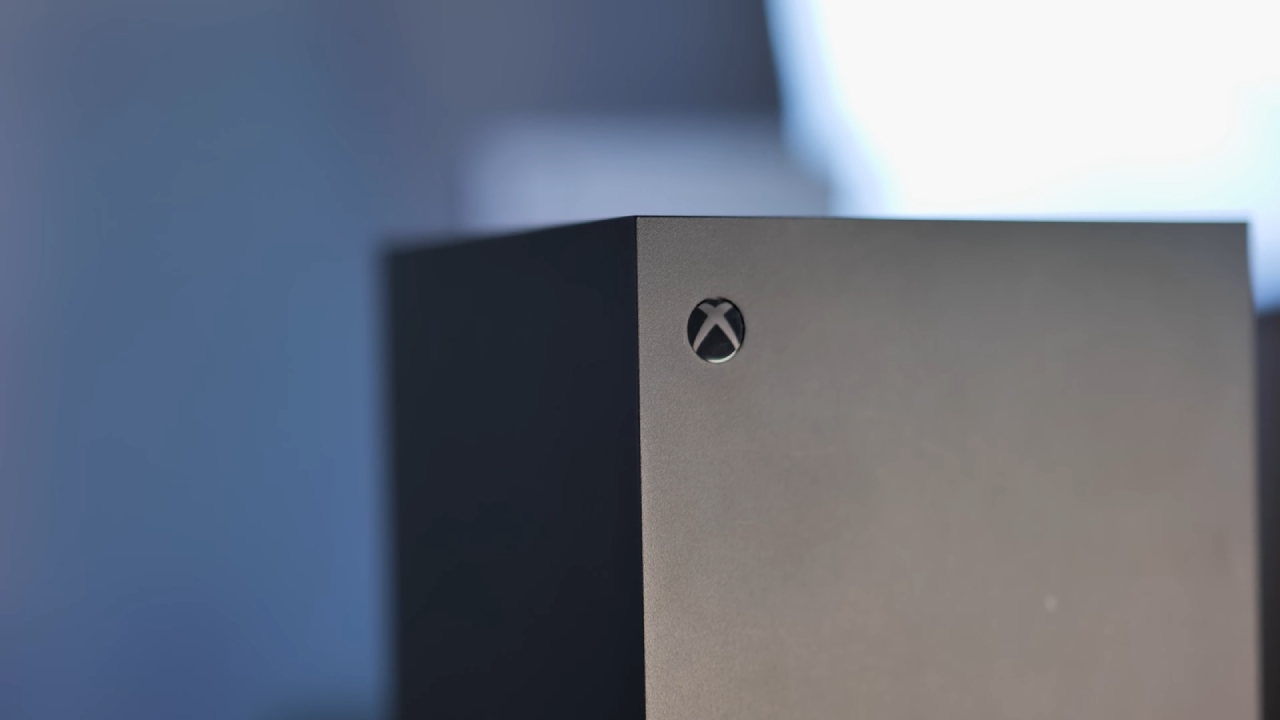
Hardware Approach and Market Dynamics
We understand that the challenge for Switch 2 was delivering something that felt meaningfully new without fundamentally abandoning the successful identity of the original. You notice that the results are essentially a more powerful Switch One, but that familiar form has still captivated millions.
When you examine what the DLSS implementation enables, you see how ports of current-gen titles can finally land on a Nintendo system in ways that seemed unlikely before. We think that has opened a door for more third-party support, especially since Xbox hardware sales have been comparatively slow.
You can envision a future where Switch 2 quickly overtakes the entire Xbox Series install base, making it an attractive destination for publishers.
Expanding the Third-Party Landscape
We expect developers to increasingly target Switch 2 as a major platform, with more day-and-date releases and full-scale ports of bigger titles that previously seemed unrealistic. You can already envision discussions about whether games like Call of Duty will eventually arrive, especially given the modern GPU and increased memory capabilities.
You see older consoles still getting downgraded versions of major releases. Still, Switch 2 appears far more capable of handling contemporary demands. We can also anticipate more experimentation from publishers who want access to a larger, more profitable user base.
PC Handhelds and Market Segmentation
We also see questions arising about whether PC-based handhelds, including those built around Windows ecosystems, are competing for the same audience. You might feel tempted to compare them, but we think the differences are still substantial.
You sense that Nintendo's handheld exists in its own category, supported by its proprietary ecosystem, simple docking experience, seamless play, and strong first-party software. When you pick up alternative handhelds, you often feel they are powerful but bolt-on extensions of PC gaming rather than holistic gaming systems.
You drop a Switch 2 into a dock, and your game appears instantly without any configuration. You pull it out and keep playing without a hitch, and that frictionless design defines the appeal.

Strength of a Unified Ecosystem
We can appreciate how all of these elements come together. You feel that most people buy Nintendo hardware to play Nintendo games. Once they are in, they expand into the wider catalog. Developers follow demand, and that demand is now enormous. You also see how the hardware itself contributes: the system is sleek, well-built, comfortable, and easier to carry around than many bulkier PC handhelds.
You still enjoy physical purchases and game cards for first-party titles, and Nintendo continues to support that tradition. Ultimately, you sense the power of a unified ecosystem where the hardware, software, and user experience align smoothly in a way PC handhelds seldom achieve.
Also, check our other Handheld articles :
- ASUS ROG Ally X Handheld Review: Double the Battery, Double the Comfort
- Nintendo Switch 2 Vs. Original Switch 1: A Full Comparison
- How To Connect A Camera And Join Voice Chat With Nintendo Switch 2
- Nintendo Switch 2 Review: Handheld Performance, Features & Value Breakdown
- Lenovo Legion Go S Review: The Ultimate Steam Deck 2 Alternative
- ROG Xbox Ally X Vs. ROG Ally X: Display, Battery & Controls
- MSI Claw 8 AI+ Review: Display, Controls & Gaming
- ASUS ROG Ally X vs. Steam Deck OLED: Display, Battery & Gaming Benchmarks
Senior Editor, NoobFeed
Gaming Hardware Updates
No Data.