
Real Reason Xbox Series X Never Received AI Upscaling Like PS5 Pro
Xbox Series X includes machine learning hardware but never received the upscaling technology promised during its development.
XBOX by Naheyan Tahmin on Sep 01, 2026
Even though the Xbox Series X has hardware-accelerated machine learning, it has never received a machine-learning-based upscaler like the one on the PlayStation 5 Pro. The device has the hardware to speed up machine learning tasks, but Microsoft has not yet added the feature that was discussed when the system first launched.
Xbox Series X is a powerful console, and it includes hardware-accelerated machine learning capabilities similar in concept to those in the PlayStation 5 Pro. However, it does not support a machine-learning-based upscaler like AMD's FSR 4.1, whereas the PlayStation 5 Pro now benefits from similar technology.
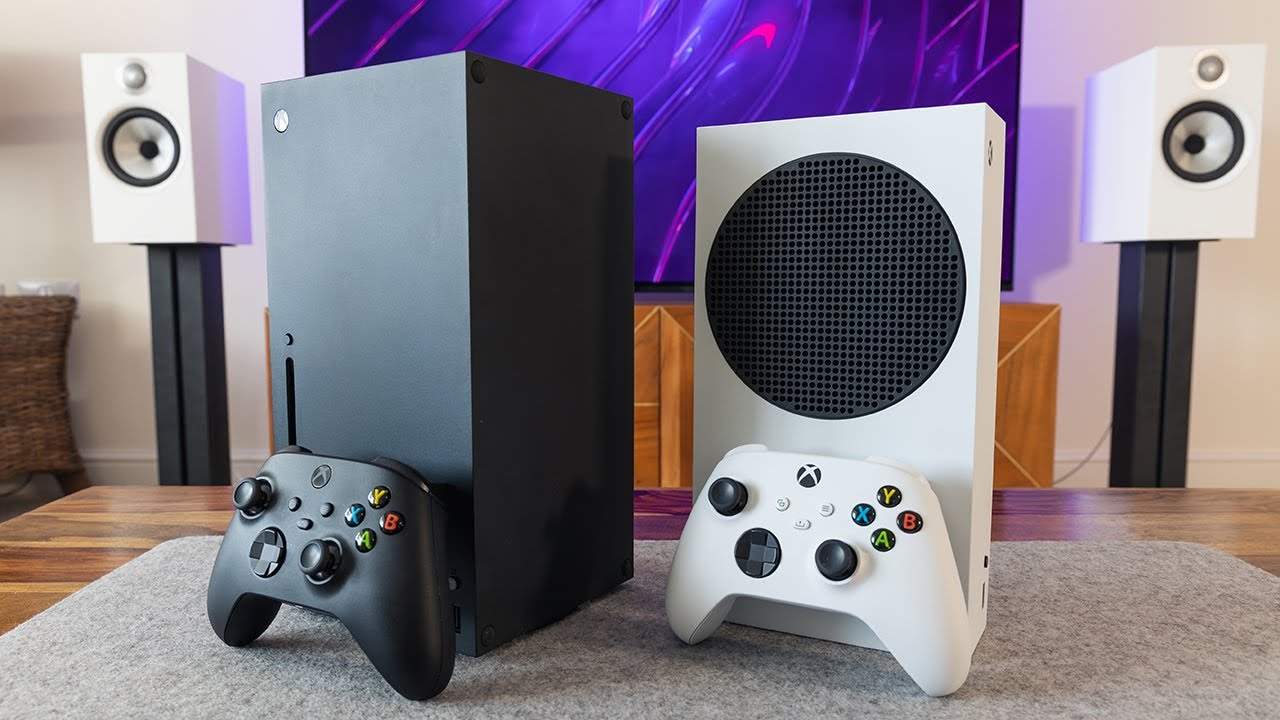
Xbox Series X Has Machine Learning Hardware
AMD's FSR 4.1 is available on PC and PlayStation 5 Pro, although Sony uses its own implementation rather than simply copying the PC version. The result is similar, and image quality on PlayStation 5 Pro has improved significantly with recent updates. When it comes to image quality, the PlayStation 5 Pro can deliver results closer to what you'd expect from a PC.
Performance can still vary between games, but image quality is one of the main areas where the console benefits from machine-learning-based reconstruction. When Xbox Series X was first announced, there was considerable discussion around its machine learning capabilities. At the time, the regular PlayStation 5 also lacked dedicated hardware acceleration for machine learning.
Machine learning workloads can run on the PlayStation 5, but the console lacks dedicated hardware to accelerate them. Xbox Series X does have hardware acceleration for machine learning, which made the absence of a machine-learning-based upscaler more noticeable. Microsoft has also experimented with different forms of image reconstruction and upscaling through DirectX and related technologies.
Some of these technologies have been used on Windows, but they haven't necessarily been dedicated machine learning solutions. The original promise that XBOX could do machine learning was therefore important. The hardware exists, but the feature never materialized as a dedicated machine-learning upscaler.
Performance Could Be the Main Limitation
The situation may come down to resources and the Xbox Series X's performance characteristics. The console is not as powerful as the PlayStation 5 Pro, and machine-learning-based reconstruction adds processing overhead. A machine learning-based upscaler doesn't just add work to the GPU. It can also create additional CPU demands.
That means Xbox Series X could benefit from better image quality, but the improvement might come at the expense of performance. For games targeting 30 fps, such technology could make sense. However, the trade-off becomes more complicated when a game targets 60 fps.
The main reason to use the PlayStation 5 Pro isn't necessarily higher image quality, since games already run in quality modes. At 30 fps and with these quality settings, conventional upscaling can already produce good results. FSR 3.1 and later versions can produce good image quality in quality modes without requiring a machine-learning-based solution.
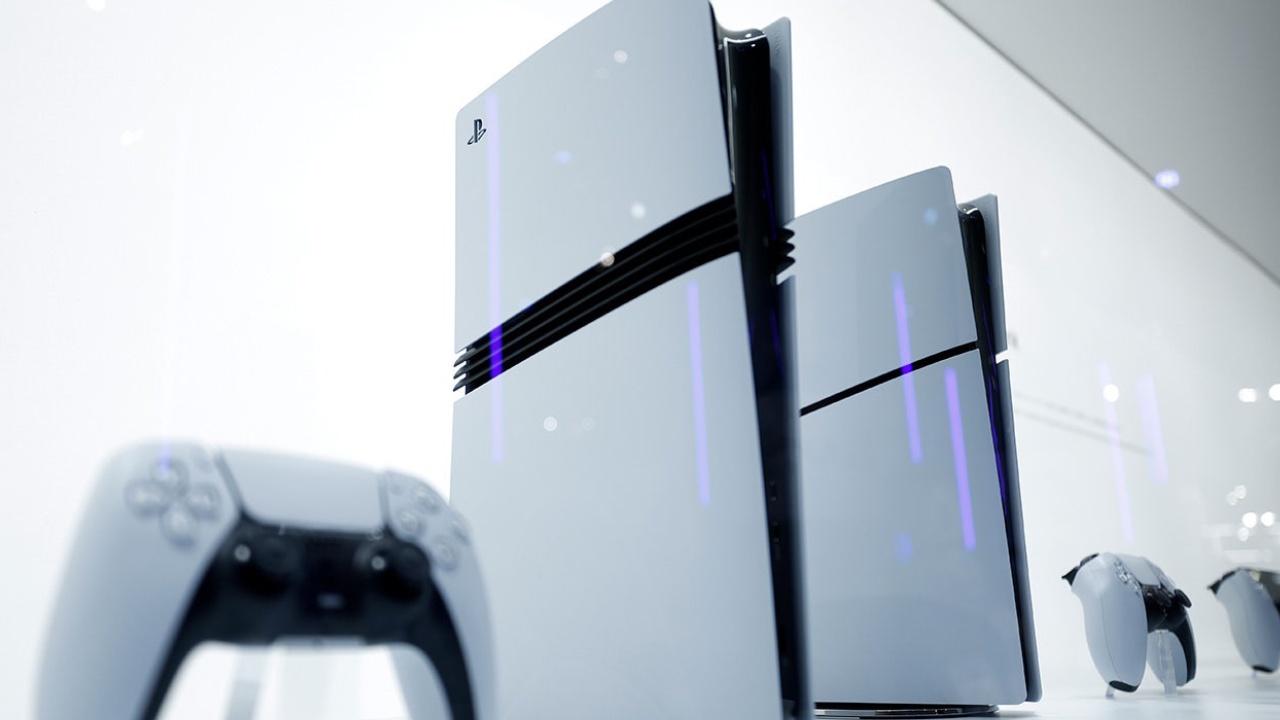
On a standard console, performance mode generally reduces internal resolution to maintain a higher frame rate. That reduction can result in lower image quality. PlayStation 5 Pro can use its machine learning-based reconstruction to smooth out the image and make lower internal resolutions look better.
That is one of the main benefits of the PlayStation 5 Pro approach. The console can target higher frame rates while using reconstruction to reduce some of the image-quality compromises associated with lower internal resolutions. The cost, however, is additional processing. If the Xbox Series X used similar technology, the console could face the same performance trade-offs.
Machine Learning Performance Is Different
The hardware specifications provide another possible explanation. Xbox Series X and PlayStation 5 Pro share similarities in memory capacity, memory bandwidth,, and CPU performance, but their machine learning capabilities differ. The GPU in the PlayStation 5 Pro uses both RDNA2 and RDNA3 technology.
Whether it's because it has more hardware or a more efficient architecture, its machine-learning capabilities are much better. Machine learning performance on these consoles is measured in TOPS. PlayStation 5 Pro is rated at around 300 TOPS, while the Xbox Series X is rated at around 100 TOPS. That gives the PlayStation 5 Pro roughly three times the machine-learning performance of the Xbox Series X.
FSR 3.2, for example, can already produce good results in many games. If a machine learning-based solution requires additional GPU and CPU resources while providing only a limited visual improvement, developers may have little reason to use it. The situation gets even more complicated when games target 60fps.
Maintaining the frame rate may matter more than a modest improvement in image reconstruction. That trade-off could explain why Microsoft never delivered the promised machine-learning-based upscaler on the Xbox Series X. The difference in machine-learning performance between the Xbox Series X and the PlayStation 5 Pro could have made the technology too demanding for Microsoft's console.
Even if it worked, the resulting performance could have been difficult to justify. We can also look at the timing. With the next generation approaching and new reconstruction technologies already under discussion, investing significant resources in a machine-learning upscaler for Xbox Series X may no longer make much sense.
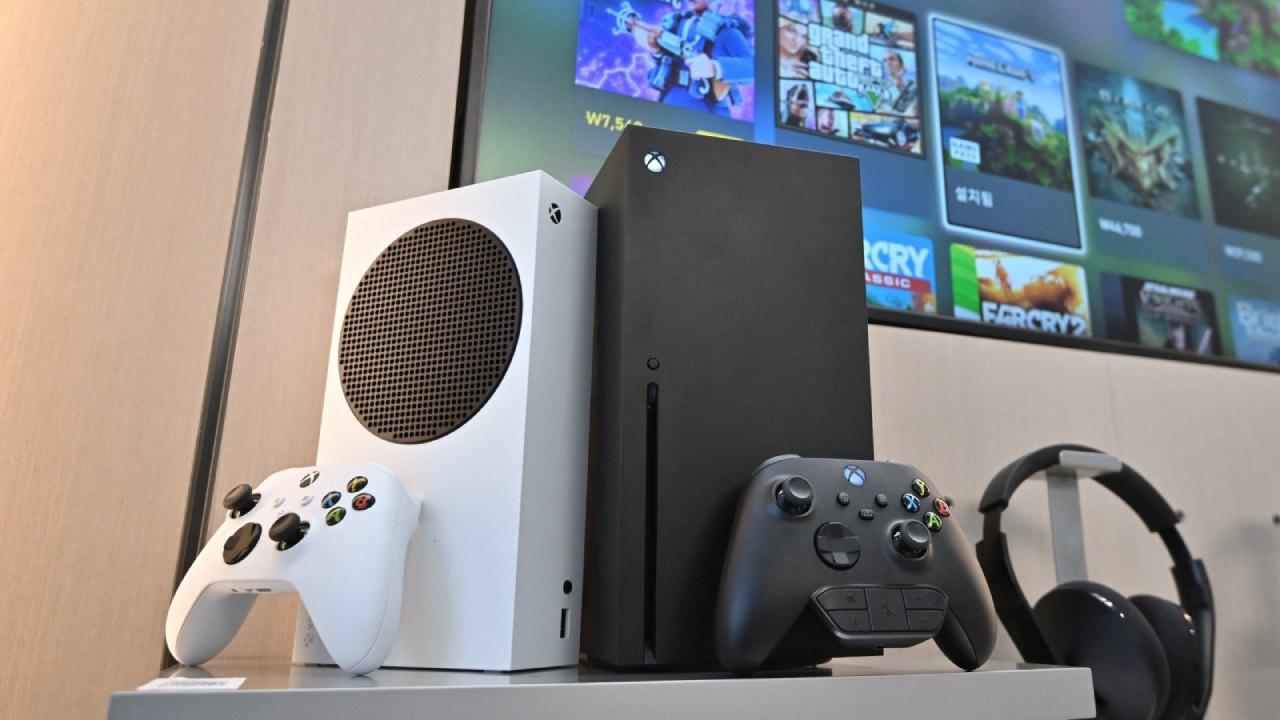
The absence of a machine-learning-based upscaler remains a missed opportunity for the Xbox Series X. The console launched with hardware capable of accelerating machine learning, which created expectations that the feature would eventually be used for graphics and image reconstruction.
The difference in machine learning performance may be one reason.
PlayStation 5 Pro eventually showed how that hardware can improve image quality at higher frame rates. Despite having machine learning acceleration, the Xbox Series X never received an equivalent solution. PlayStation 5 Pro's roughly 300 TOPS capability, compared with Xbox Series X's 100 TOPS, gives Sony's upgraded console substantially more room for this type of workload.
Ultimately, the limitation may not have been whether the Xbox Series X could technically run machine-learning-based upscaling. The bigger question is whether it could do so without sacrificing too much performance for an image-quality improvement that conventional upscaling could already provide.
With the next generation approaching, Microsoft's opportunity to introduce its own machine-learning-based upscaler on the Xbox Series X appears increasingly limited. The console has the hardware, but the promised use of that hardware for a dedicated upscaling solution never materialized.
Editor, NoobFeed
Latest Articles
No Data.