
CDPR and Pearl Abyss Setting the Standard for All AAA Game Studios
While most publishers still charge for remasters and extra content, CDPR and Pearl Abyss prove that offering free updates can build trust and encourage players to come back.
News by Rahe Numa on Sep 02, 2026
What CDPR and Pearl Abyss are doing is refreshing if you're used to paying for every additional feature. It's harder to understand how other publishers manage post-launch content because both companies offer plenty of free upgrades. Pearl Abyss supports a Single-Player RPG Similar to a Live-Service Game.
Crimson Desert Enhanced, recently released by Pearl Abyss, has the same amount of content as a season pass, paid expansion, or other high-end add-on. Rather, players will get back-to-back free updates for five months. More plot content, additional voice acting, new bosses, and other quality-of-life enhancements are all part of the plan.
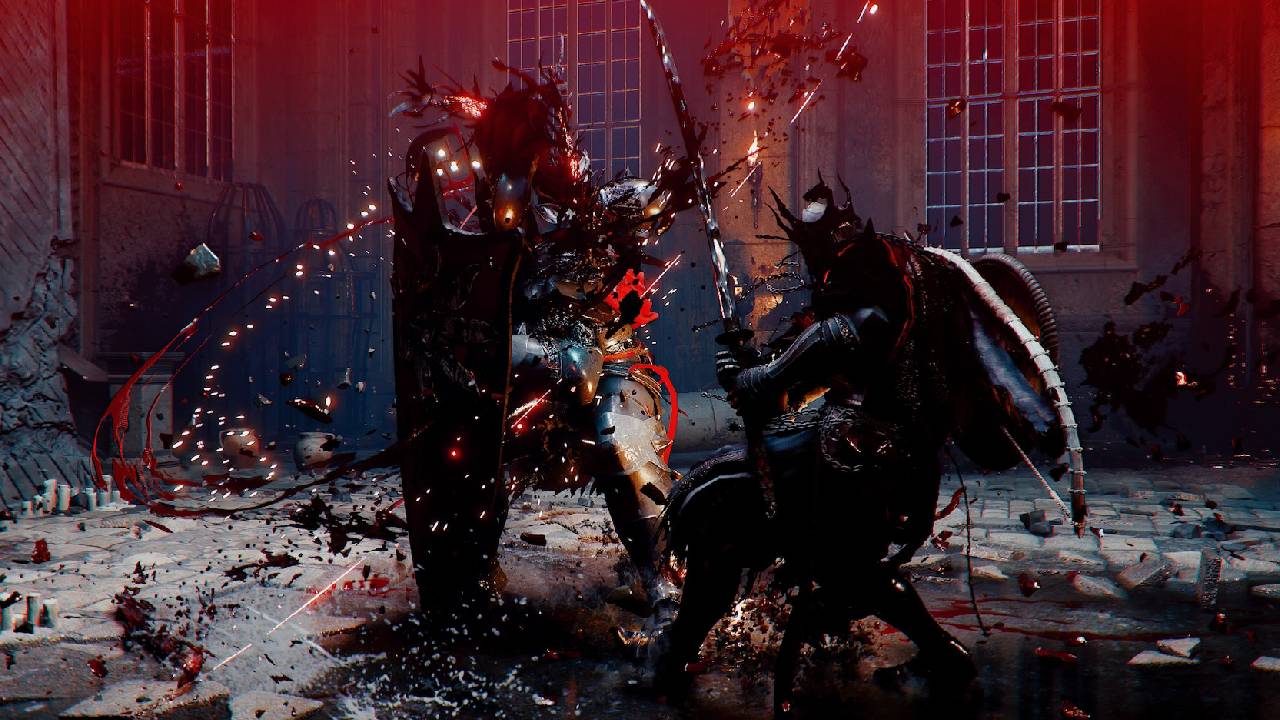
This isn't merely a one-time fix that is forgotten after a few weeks.
For months after its release, Pearl Abyss is dedicated to improving the game. This kind of continuous support typically comes with additional fees, such as premium progression pathways, exclusive items, or cosmetic bundles.
That's not what Pearl Abyss is doing here. Without the additional cost, players receive the same level of attention as in live-service games. For a game meant to be played alone, that's a risky approach. Additionally, it builds goodwill, which is becoming increasingly important in gaming.
It is much easier to trust a developer with upcoming games when they consistently release authentic material without constantly asking for more money. CDPR and The Witcher 3 are doing the same. Coach may appear giving, but CDPR is going above and beyond.
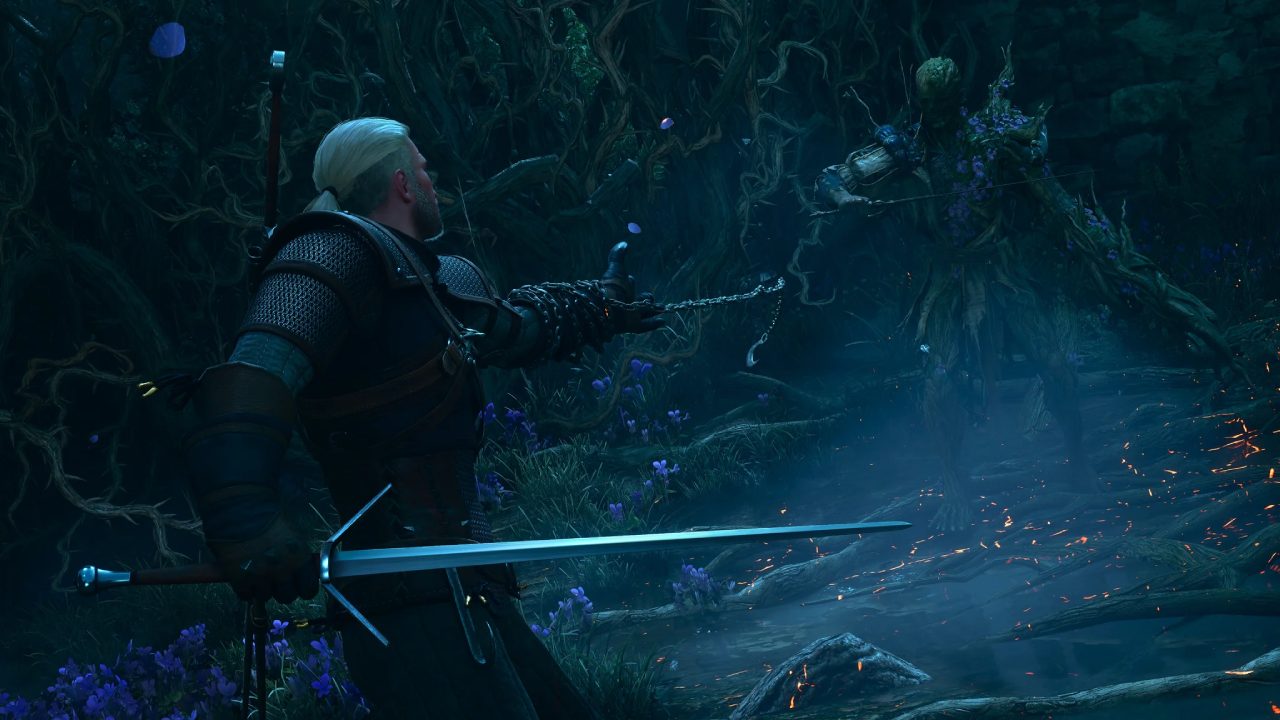
The Witcher 3 will be available for free on September 29, according to the developers. If you already own it, you can get the enhancements without buying a new version. This is more than just a new appearance or a simple resolution upgrade. The improvements include better textures, new animations, a completely redesigned battle system, more fluid movement, and smarter enemy AI.
It also adds new features like Transmogrify, which lets you choose your preferred appearance while keeping your favorite gear's stats.
That's a significant free improvement already. However, CDPR doesn't end there. Anyone who has the main game can get Hearts of Stone and Blood and Wine for free, and those expansions will also be remastered. That is a significant amount of new content being introduced without requiring existing owners to re-pay for the same game. Therefore, it might be the ideal time to play Blood and Wine if you haven't already.
This is a long-term strategy, not charity. Keep in mind that neither business is acting kindly. A corporate strategy drives it. Pearl Abyss is investing in its audience for the long run. Rather than relying on minor DLC packs, pricey upgrades, and continuous monetization to extract every dollar from players, they are building goodwill in the hope that it will eventually lead to higher sales. That's a wise decision.

From a player's point of view, you will naturally think better of a company if they provide you with a lot of content for free, enhance a game you already own, and don't make you feel like you're paying for every new feature. You'll also be more inclined to try their upcoming paid product.
This is especially true for CDPR's future initiatives. Songs of the Past, the next Witcher 3 expansion, could be released by CDPR with far more generosity than if they charged for each update. The Witcher 4 and Pearl Abyss's upcoming endeavors have the same concept.
Both businesses are building connections with their viewers that may pay off when their upcoming major games launch.
Why this is important even if you don't have either game. This is relevant even if you don't own Crimson Desert or The Witcher 3. The real issue is how these decisions are changing industry standards. Gamers are accustomed to paying for season passes, cosmetic content, expansions, remasters, and even things that ought to have been present from the beginning.
It makes you wonder why one business provides significant free updates to a single-player role-playing game for months, while another offers a significant free upgrade to a popular game. Why doesn't everyone follow suit? Naturally, not every studio can achieve what CDPR or Pearl Abyss does, as they have different budgets, business models, and development costs.
Nevertheless, this has little effect on how these activities affect the sector. They show that you can maintain player interest without requiring new purchases with each update. By demonstrating that previous purchases still matter, you can enhance an older game without forcing devoted players to repurchase it, and you can create anticipation for upcoming releases.
The industry could use a lot more of that. Less Nickel-and-diming and More Content. For players, these two strategies also feel very different. You become wary of new content when each update is expensive. Rather than thinking, "That looks cool, I want to try it," you find yourself wondering, "How much is this going to cost me?"
Free updates eliminate that barrier.
You can return to the game, see what's new, test out the new material, and determine for yourself whether the creator has made significant improvements. In single-player games, this is even more important. Regular updates are anticipated because many games are designed to keep you playing for months or years.
However, single-player role-playing games typically aren't like that. That's usually it once you've finished the story. So it is disheartening when a studio keeps developing a single-player game months after release without adding any new features.
Even if the updates don't change the core plot, they show the game isn't being dropped after the initial sales. Until their next major release, CDPR is urging players to have faith in them. Pearl Abyss hopes to build a similar enduring bond with its users.
This means months of worthwhile free updates, major enhancements to a game you already own, and full expansions at no extra cost. Moves like this stand out because the notion that every new piece of content should cost money has become commonplace in gaming.
These modifications aren't really groundbreaking.
That's probably the most revealing part. Releasing content is only one way CDPR and Pearl Abyss are giving back. They are making a wise long-term investment in the future success of their games, player trust, and brand loyalty. However, the outcome is more important than the cause.

Without being pressured to spend more money, players are getting more out of the games they currently possess. While CDPR is providing Witcher 3 owners with a significant update and additional material at no cost, Pearl Abyss is providing a single-player role-playing game with the kind of long-term support typically found in live-service games.
The distinction is clear when compared to the industry's growing emphasis on split DLC, endless monetization, and paid remasters. By offering players more, CDPR and Pearl Abyss make everyone else seem a little stingy by comparison.
Editor, NoobFeed
Related News
No Data.