
New Fable Reboot Details Reveal NPC Depth, Open World Design, and 2026 Release Target
Every NPC in Albian is handcrafted with names, personalities, jobs, families, and fully voiced dialogue.
News by Maisie Scott on Jan 27, 2026
Following the recent announcement of the Fable reboot, a lot of new information has come out, filling in the blanks and giving us a better idea of what this long-awaited return is all about. Interviews and follow-up talks have given us more information about the tone, world design, NPC systems, creative choices, and how Xbox is now thinking more carefully about when to release games in an industry that is growing increasingly crowded.
As more information came in, it became clear that the game's cinematic style is very different from that of many current RPGs. There is a lot of British comedy in the game, and the developers drew on ideas from many different places, like how to tell a story in the style of a mockumentary.
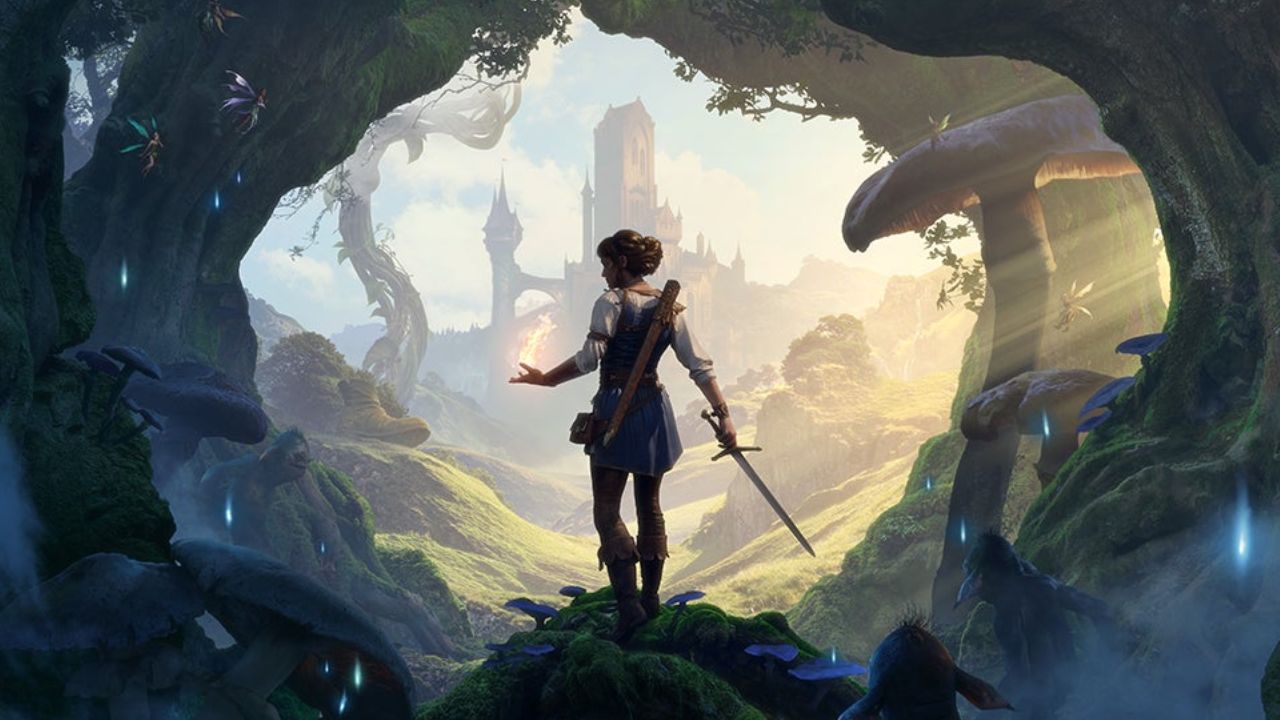
This impact can be seen not only in the trailers but also in the game itself, which uses direct-to-camera moments to deliver humor, character insight, and awkward pauses in a way that normal dialogue might find hard to do. In a fairy tale fantasy setting, it's an odd choice, but it's meant to make the comedy feel more real and performance-driven.
How well this style choice fits in with the rest of the game will determine whether it feels natural or out of place.
We can understand the drive to try new things with a format that is easily recognizable to people all over the world. It offers a level of closeness and awkward charm that depends heavily on how well the script is written and how well the actors play their parts.
You can see the potential benefit if it's done right, since humor that depends on delivery and timing is often easier to remember than jokes written in advance. But this method also makes me wonder about immersion, since the idea of people doing fake interviews in a fantasy world doesn't seem to fit with the world itself.
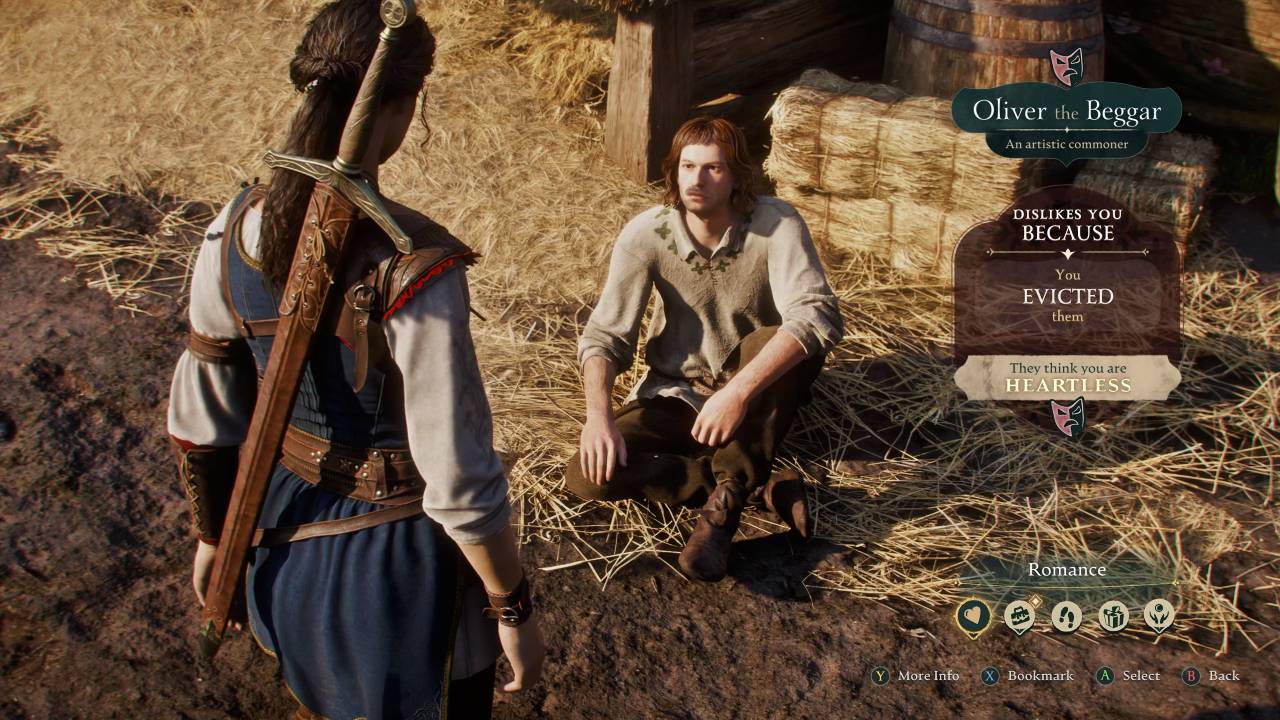
A lot of the talk has been about how big the people of Albian are and how they are designed, not just how they look. About a thousand non-player characters (NPCs) are in the game, and instead of being generated automatically, each one was made by hand.
Each character has a name, a look, behavioral traits, a moral compass, a place of work, a home, and family ties. Every NPC you talk to has their own voice, and you can date them, marry them, have kids with them, hire them, or fire them. With this level of deliberate planning, the goal is to make people feel known, not disposable.
We know that big numbers can make you worry about weak design, especially after playing other well-known games that relied on random systems that made worlds feel empty. It's good to know that this method was thought about but then discarded.
It seems like the goal isn't to make every NPC's story important but to ensure that when you do connect with someone, they are realistic and consistent. Some people, especially those who play a big role in the story, will naturally stand out more than others. Others are there to show that this is a real society.
For this change to happen, the way the world was built from the ground up had to be rethought.
We can directly connect that depth to how the open world has been built. Even though Albian is big, it is planned to be smaller than the huge worlds in racing games built on the same technology. It takes longer to move, and people usually can only go places on foot or horseback.
This changes the focus from sheer size to density and detail. You don't race across empty space; instead, you get closer to what's around you and pay more attention to it.
Early tests showed that a scale made for fast cars wouldn't work well for a fantasy role-playing game. This makes the world feel deeper at ground level, but it still takes a long time to get around. You can get into any building, and every room is there for it to be robbed, bought, or lived in. Just making that choice makes a huge difference in how much work needs to be done, and it also makes the game more immersive in a way that few current open worlds do.
You can tell the goal is to make Albian a place you live in, not just a place you pass through. The world stops feeling like a work of art when every house has a room inside, and every person lives by a set schedule. This way of doing things promotes slower exploration, where interaction rather than size alone leads to discovery. It also keeps Fable's usual focus on choice, consequence, and connecting with others.
It was established that there was no companion dog, and the only reason given was that it had been taken away for development purposes. The choice is said to have caused disagreement even within the team, but the reasoning is still not as clear as it has been for other design changes. For many players, the dog was an emotional anchor in earlier games, which made its removal stand out more than other cuts.
One thing that was left out, though, has stood out more than the rest.
We can understand why not all legacy elements survive a reboot, but this one not being there seems less reasonable. You might find it easier to accept because the game sounds so big, but the lack of a better answer makes it stand out. It is a warning that even big projects have limits and that beloved features don't always make the cut, even when everyone wants them to.
People are also interested in when the game will be released and how it will fit into Xbox's evolving publishing plan. At this point, the game is set to come out on multiple devices in the fall of 2026. Even though the footage shown was impressive, some parts looked a little rough, leading people to wonder whether more time might be needed to finish it. Aside from technical issues, there is also the bigger problem of time.
In the past, Xbox has released many big games in a short period, creating competition for attention within the company. This "shotgun blast" style of play has made it hard for great games to find their moment. Recent comments from Xbox executives indicate they are becoming more aware of this problem. They want to give games more time to develop and not release them all at once.
It seems like Xbox is planning its releases with more care, and this is true for both its own games and big games from other companies. No one likes to name specific competitors, but Grand Theft Auto 6 is always a big part of discussions about when games will come out. It's possible that other big games will choose different release dates if that game sets a clear release window.
After reading this, we get the sense that Fable's window can be changed. If things keep going as planned, it might happen on time. If not, delaying until early next year might give it more time to be polished and shine in the spotlight. Not to avoid competition at all costs, because that's not possible, but to avoid hurting yourself needlessly.
In the end, all of this knowledge gives us a better idea of what was meant. The remake isn't just trying to bring back the past. It explores new tones, presentation styles, and methods while staying true to the series' core ideas of humor, choice, and consequence. People will always have different opinions on some choices, but it's clear they're trying to make the world feel meaningful rather than just big.
You can see a company trying to find a balance between tradition and innovation, between ambition and practicality, and between creativity and making money. We don't know if all of these risks will pay off, but the amount of thought that went into them shows that the project wants to earn its place rather than rely on memories.
Editor, NoobFeed
Related News
No Data.