
Halo's Next Era: New Multiplayer, Halo 2 Remake Amid AAA Crisis
A new multiplayer project could be revealed at Halo Fest, while the Halo 2 remake is reportedly moving forward and XBOX is expanding digital ownership for disc owners.
News by Adeela Tas on Sep 04, 2026
The next chapter of the franchise is starting to look much busier than the recent online doom-posting suggests. Behind the scenes, multiple Halo projects are reportedly being planned, and Halo Fest could finally give you a clearer picture of where things are heading.
The strongest possibility is a new Halo multiplayer project, although it has not yet reached full production. According to information shared by an insider, community members involved in private testing have recently met with the studio.
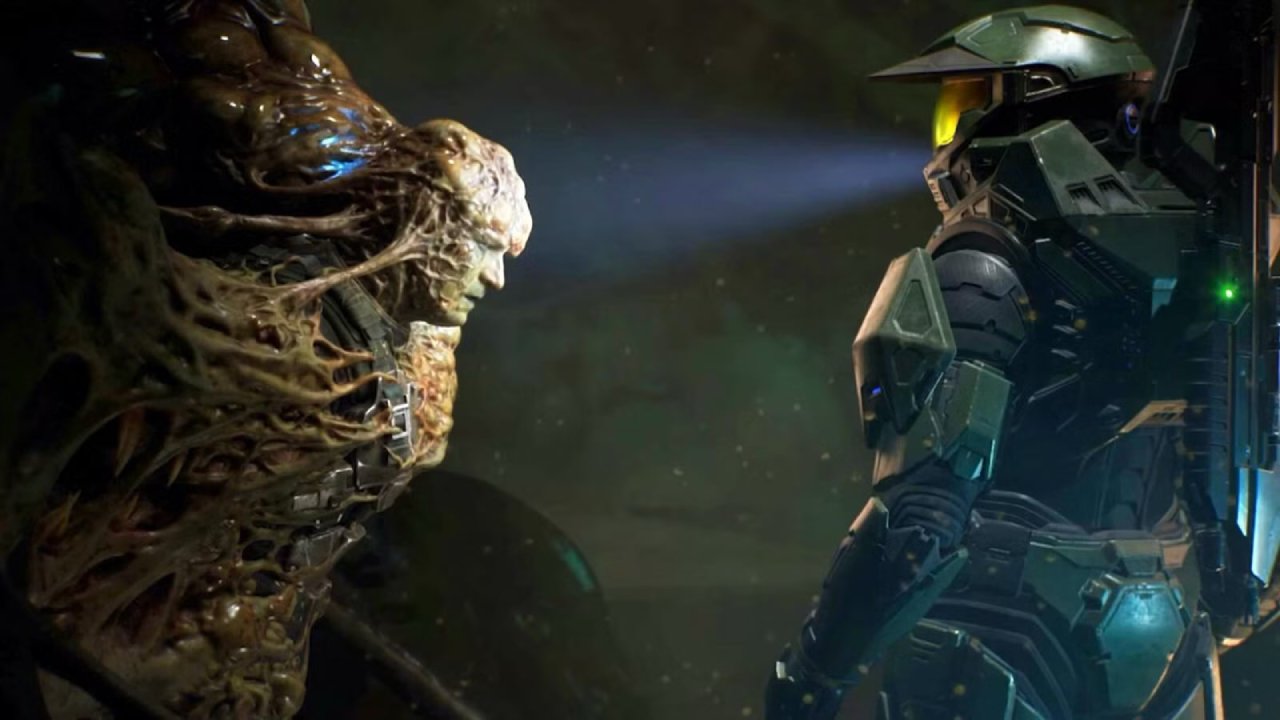
Those discussions reportedly point toward a new announcement at Halo Fest for the franchise's 25th anniversary.
The project is still in the concept and prototype stage, rather than approved for full development. Work is apparently focused on systems outside the match itself, including lobbies and matchmaking. That makes a multiplayer-focused reveal particularly plausible.
Multiplayer fans have been waiting a long time for a clearer plan, and the anniversary event would be an obvious place to provide one. There is also a possibility that the project could use the same hybrid approach seen in Campaign Evolved, combining the established gameplay and physics technology underneath with Unreal Engine visuals.
That technical combination could be important. Campaign Evolved has received criticism, but its underlying gameplay and physics have been praised. The game reportedly has Reach technology beneath its new presentation, giving movement and interactions a feel closer to the franchise's older era.
If a future multiplayer project can build on that foundation while using Unreal Engine for visuals, it could offer a familiar gameplay experience with a modern presentation. The bigger hope is that Halo Fest provides more than a single teaser. A broader roadmap could show you what is actually coming over the next few years, rather than leaving fans with a vague announcement followed by another long wait.
With several projects reportedly in different stages, a roadmap would also help explain how the studio plans to manage the franchise going forward.
The remake plans are part of that picture. The Halo 2 remake is reportedly still moving ahead following Campaign Evolved. That would make sense if the goal is eventually to revisit the original trilogy. There has already been plenty of interest in a third-game Anniversary project, and continuing through the first three games would give the studio a clear long-term remake strategy.
At the same time, development costs explain why a new mainline game may remain far away. A former co-creator of the franchise recently discussed modern AAA economics, arguing that a fully staffed Microsoft project could cost roughly $600 million to $800 million across more than four years. The figure was presented as an estimate rather than a confirmed budget, but it shows how difficult the current model has become.
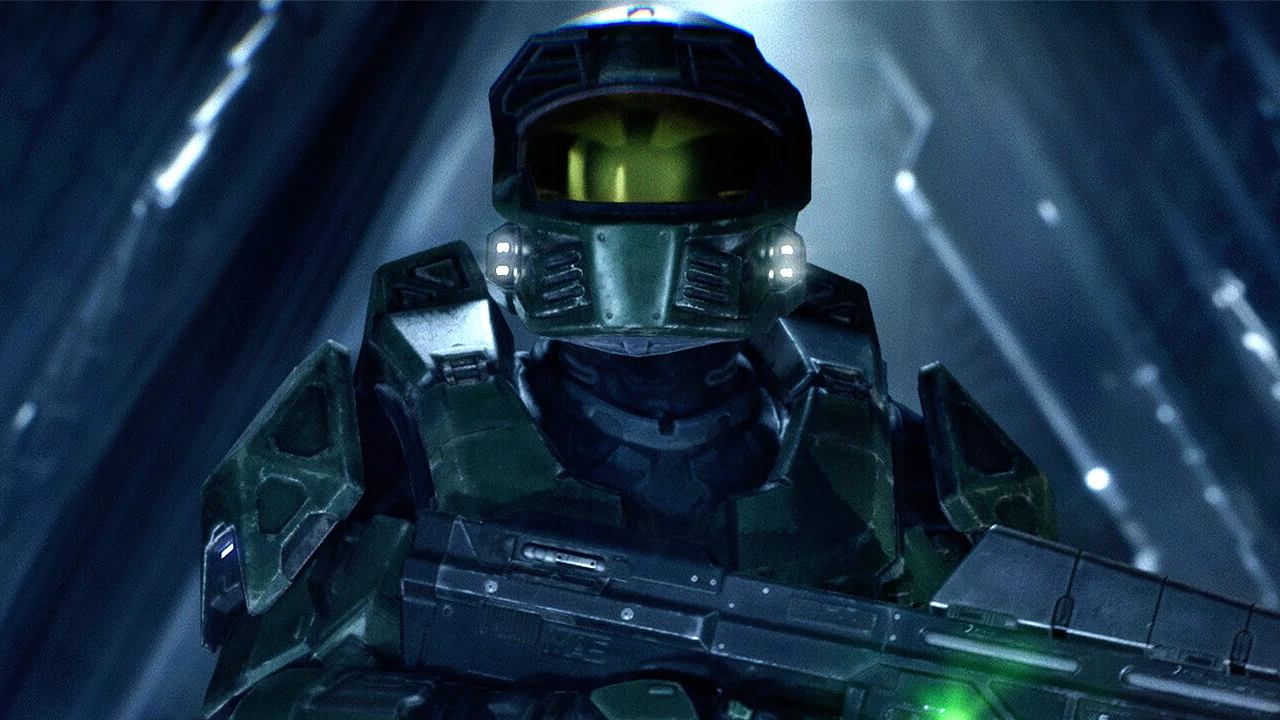
For comparison, the third game reportedly cost around $40 million to develop, with another $20 million to $30 million going toward marketing. By the time Reach arrived in 2010, development costs had reportedly climbed to around $120 million. Those figures highlight how quickly production expenses have expanded, even before considering the expectations attached to a modern blockbuster.
The former Bungie developer also broke down what drives those costs. A local US development team of more than 450 people working for over four years can create an enormous monthly burn rate. At an estimated $22,000 per person per month, the development staff alone could account for roughly $600 million.
Add partner studios, outsourced work, localization, marketing, legal expenses, and other costs, and the final bill can rise quickly.
That creates a difficult balance. You expect a major release with substantial content and modern blockbuster features, but building everything at once makes development slow and expensive. The suggestion was that a smaller team of experienced developers, mixed with newer talent and fewer management layers, could be more sustainable.
There is also a possible model where multiplayer becomes the initial core, with story content arriving later in smaller expansions or seasons. That approach resembles what was once planned for Infinite, whose multiplayer story had started building momentum before its planned narrative direction was canceled. A future project could instead establish its content pipeline first, then expand it consistently.
The likely strategy could involve one major multiplayer release supported by regular content updates, while separate teams handle campaign projects. That would allow remake projects and the next numbered entry to progress without forcing every part of the franchise through one enormous pipeline.
Whether customization will rely heavily on microtransactions is less clear, especially as other XBOX franchises experiment with systems that emphasize earning cosmetics through gameplay and achievements. Another major issue raised by former Bungie staff is management. Marty O'Donnell recently discussed his experiences around the franchise and said he had offered to help during the 343 Industries era, including as an unpaid consultant.
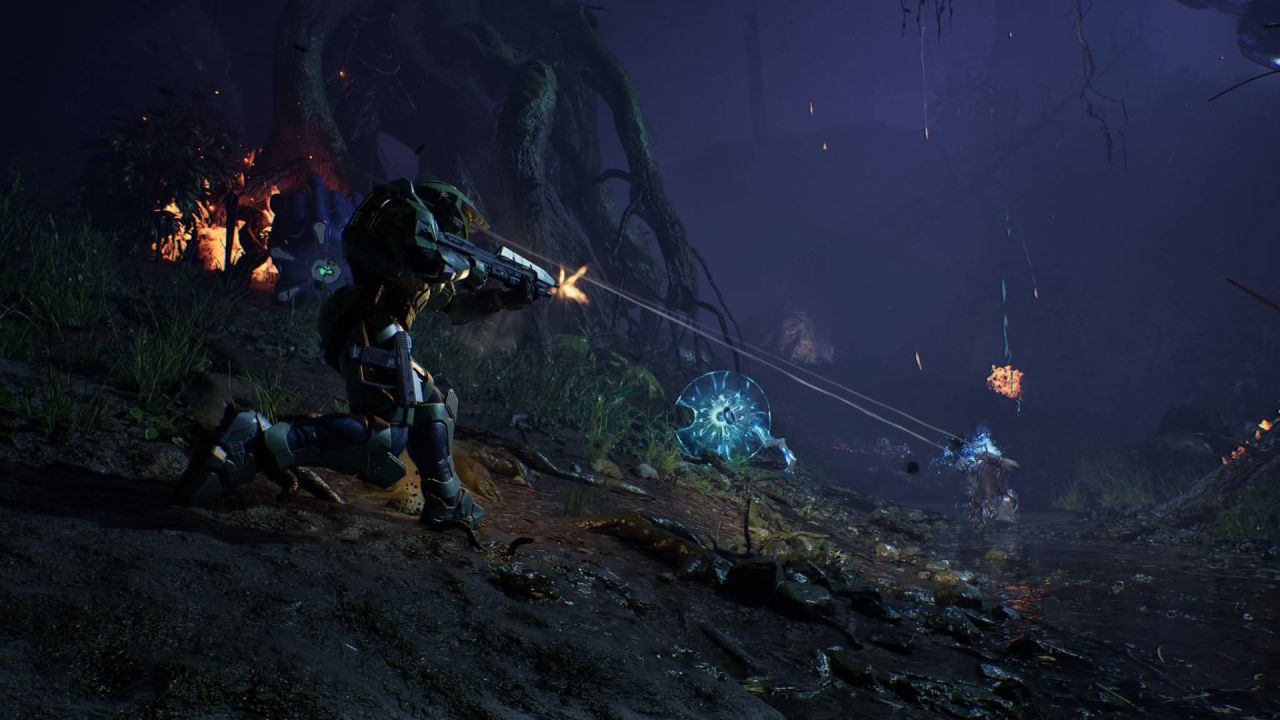
O'Donnell described attempts to connect with leadership but said there was a recurring sense of distrust.
He also suggested former Bungie developers could provide useful feedback without becoming full-time developers. That idea matters because some problems in Campaign Evolved appear, from the outside, to be issues that experienced franchise veterans might have spotted early.
One example mentioned was a Gold Zealot Elite that reportedly does not properly follow the player when they move past it. Small issues like that can become especially noticeable when a project is moving under heavy time pressure.
The larger concern is communication. According to O'Donnell, older Bungie teams had fewer barriers between roles. Testers, QA staff, and directors could communicate directly and raise concerns without navigating a long chain of command. He said that even during Reach, the studio was beginning to resemble the more compartmentalized structure now common in large AAA teams, with teams forming within teams.
That problem has become more visible across the industry. Large teams, lengthy development cycles and management layers make useful feedback harder to act on, while widespread AAA layoffs have underlined how difficult the structure is to sustain.
There may be a silver lining in the franchise's increasingly outsourced approach.
With more projects potentially spread among different teams, opportunities could open for veteran developers, experienced modders and other passionate creators to contribute. O'Donnell even discussed releasing the original game's source code and letting fans experiment with it, although that remains a personal idea rather than a confirmed plan.
XBOX leadership is also reportedly trying to address the management problem. Asha Sharma, the new XBOX CEO, has discussed reducing management layers from as many as 14 to a maximum of five, with three described as ideal. The goal is to make the organization less cumbersome and more sustainable.
.jpg)
That change arrives alongside another significant XBOX move: disc-to-digital ownership. The feature is now rolling out to Insiders, allowing supported physical games to become digitally playable across XBOX and PC when you own the disc. Around 600 to 800 games are reportedly supported, covering XBOX One and newer titles rather than the XBOX 360 generation.
The most interesting part is that the system can also help with games no longer available through the digital store. If you still have a supported disc, you can download the game and access it digitally. For players with physical libraries, that could make those discs considerably more useful.
Taken together, these developments suggest that the franchise is not being abandoned.
The exact quality of what comes next remains unknown, but the number of projects reportedly being considered is significant. A multiplayer prototype, the second-game remake, future campaign plans, and possible long-term content support point toward a broader strategy. The franchise is also clearly being treated as an important part of XBOX's identity.
Sharma has emphasized that major games with long histories and strong fan memories need a long-term approach. She has described Halo as a key part of the portfolio and indicated that more news will be shared in the future. So, while there is still plenty that could change before these plans become finished games, the immediate picture is more active than the worst predictions suggest.
Halo Fest could be the moment when that strategy becomes clearer, particularly if the event includes a roadmap rather than a single distant-looking announcement. For now, the safest conclusion is that there is a lot more on the horizon, even if the wait for the next major release is still going to be a long one.
Editor, NoobFeed
Related News
No Data.