
Monster Hunter Wilds Meltdown: Capcom's PC Disaster Sparks "Dead Game" Panic
Monster Hunter Wilds stumbles hard as Capcom's PC launch spirals into technical chaos, fan backlash, and accusations of ignoring cross-platform priorities.
News by Azfar Rayan on Jul 02, 2025
Monster Hunter Wilds by Capcom was supposed to be a huge success, both artistically and financially. After Monster Hunter: World's huge success, everyone was very excited for the next game in the series. Some people were hopeful at first, but since Monster Hunter Wilds' release, there have been a lot of technical problems, poor communication, and fans feeling like Capcom is ignoring the PC audience.
Originally, Monster Hunter Wilds was supposed to bring in a big chunk of Capcom's annual income goal. The company's financial projections depended a lot on how well the game did, especially since it was set to come out at the same time on PC and devices. It was important to have a cross-platform launch plan because over half of all sales in the U.S. came from PCs through Steam. Capcom may not have been able to reach their revenue goal without that good showing.
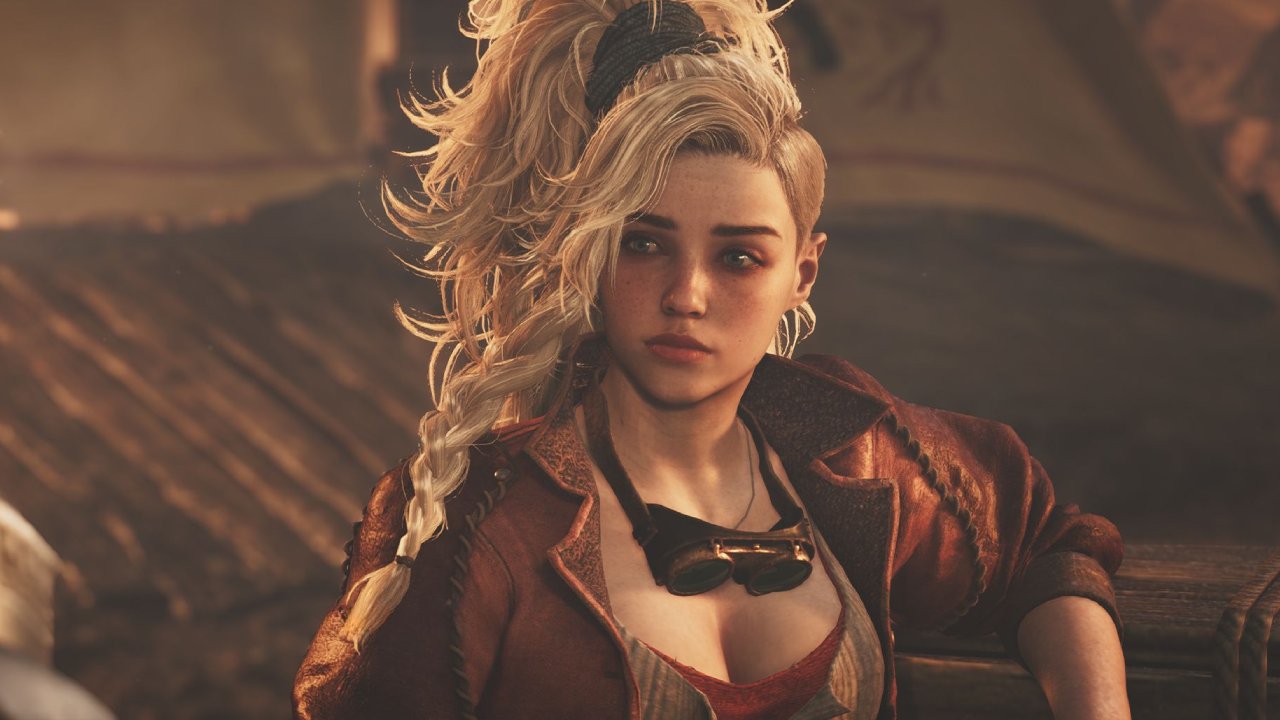
The happy songs, however, came at a price. The performance and response of the console version were fine, but the PC version has been heavily criticized for having serious technical issues. There were a lot of problems, from framerates that wouldn't stay stable to a bug in the assembly of shaders that put a lot of stress on CPUs. Manually deleting game files, which was Capcom's stated workaround, didn't really fix the problem, which made an already angry community angry again.
To make things even worse, Capcom started punishing players who used mods that were linked to upcoming cosmetic items, which made core fans even less interested in the game. Technically, the enforcement was the right thing to do, but it happened at a bad time—right as the studio's kindness after the launch was fading.
The change in review scores shows how people feel. At first, the reaction on Steam was mixed, but by late May, it was mostly negative. What started as anger turned into a person leaving the game. Engagement dropped so low that only the most dedicated fans were left to protect the title. At the same time, review bombers made the negative comments louder, and the phrase "dead game" began to spread widely on social media and community groups.
There are now two main types of criticism for Monster Hunter Wilds: artistic and technical. Players have asked about the art of the game's level design, the speed of the missions, and the general feel of its moment-to-moment loop. People usually think that these criticisms can be fixed if the developers are willing to listen to comments directly.
But the problems are worse when it comes to the technical side. Capcom's history with PC support after the game comes out has been closely looked at. It took months for the company to fix major issues with Dragon's Dogma 2, and it looks like they're taking the same long time to fix these issues now. Even though updates and patch notes have acknowledged PC-specific problems, fixes that are important enough to recover customer trust have been too slow or too small.
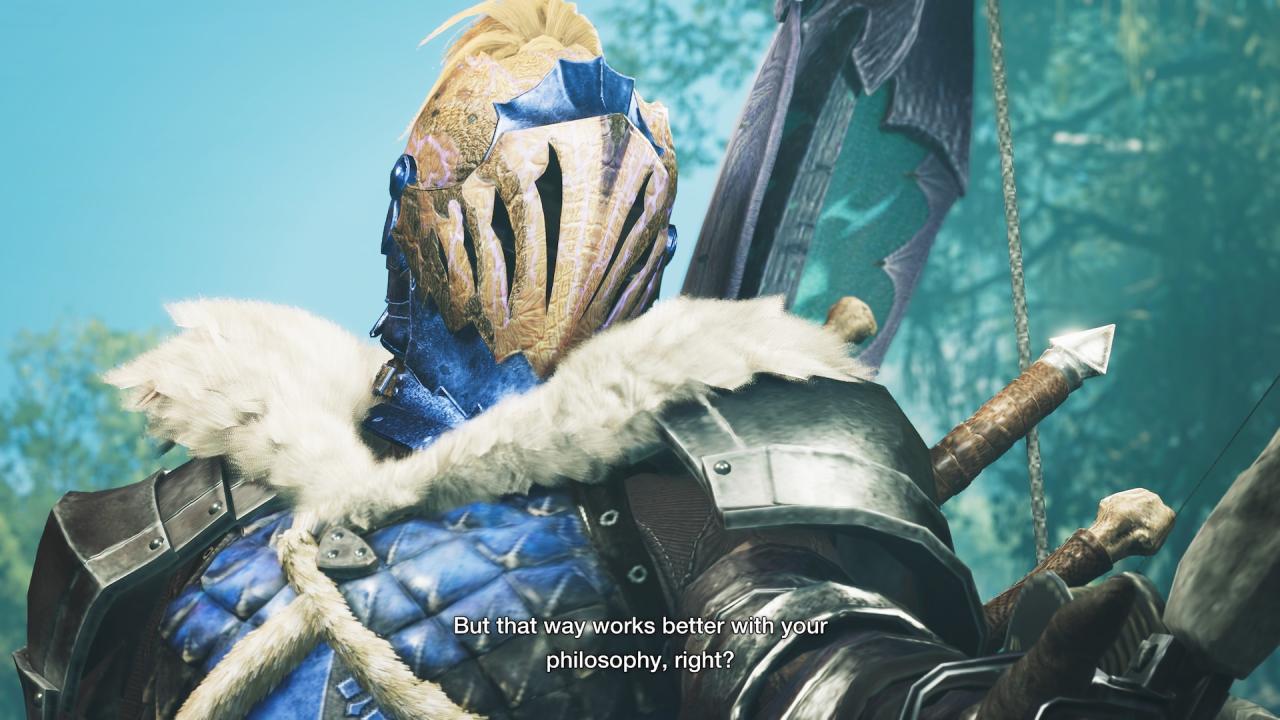
The way things look is worrying. Fans have started to say that Capcom doesn't give PC players much attention, even though they are important for sales. This story is very different from what rivals like PlayStation Studios have done to change their strategies after fans complained about games like Concord. They completely reorganized their internal processes.
Capcom's task right now is to get back on track. It needs to make it clear that it wants to fix the PC version of Monster Hunter Wilds, win back the community's trust, and avoid the mistakes that marked its last two big PC launches. If not, the franchise could lose its good name in the long run, which might not be fixed by record-breaking sales.
Senior Editor, NoobFeed
Related News
No Data.