
PlayStation 6 Handheld Rumors and PSSR 2.0 Upgrade Insights
Low power mode implementation prepares developers for future handheld hardware while maintaining stable performance across current PS5 titles.
News by Masaru Hoshino on Dec 08, 2025
There have been a lot of reports lately about a possible PlayStation 6 handheld device and a major PSSR update for PS5 Pro. These details were released too late to be featured in typical LTPS coverage; therefore, we provide additional detail here. Over the past week, Sony reportedly sent emails strongly pushing developers to support low-power mode.
The internal guidance suggests that studios should aim to maintain 60fps by lowering resolution rather than dropping frame rates. Developers were also given access to a Razer CPU walkthrough, a utility suite for PS5 development, explaining how to identify CPU bottlenecks, reduce CPU usage, and, where possible, lower thread counts.
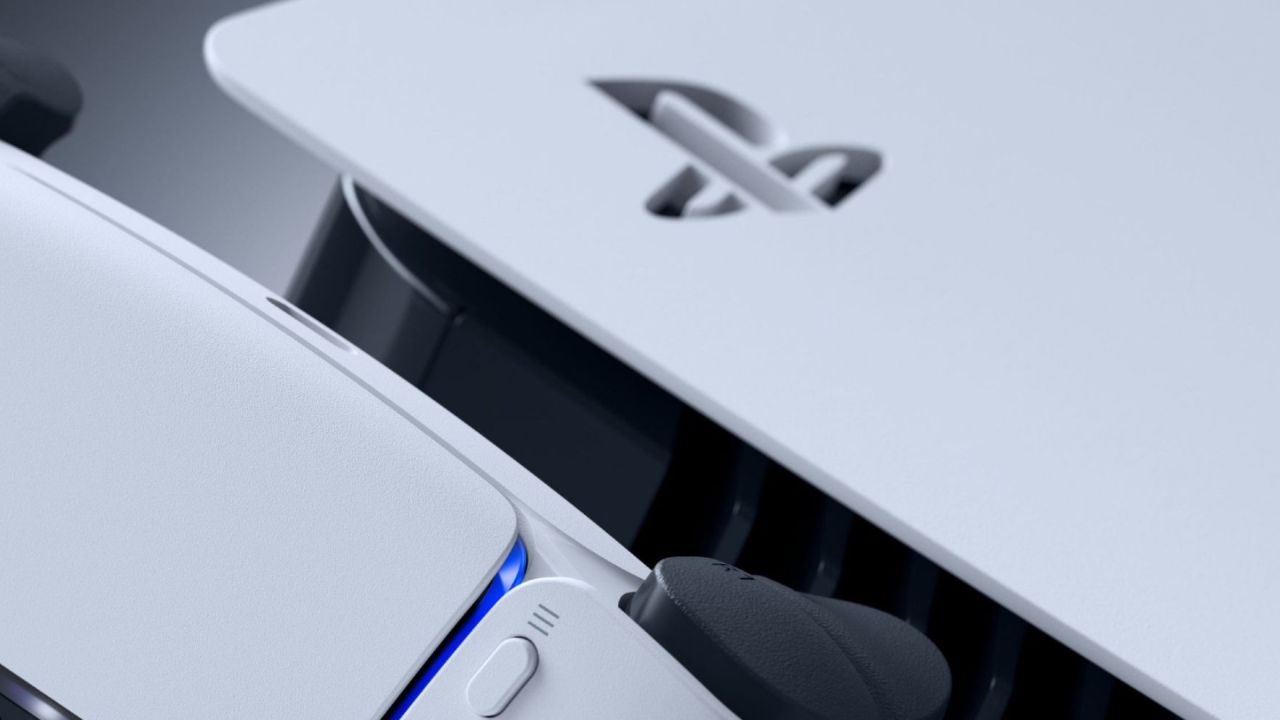
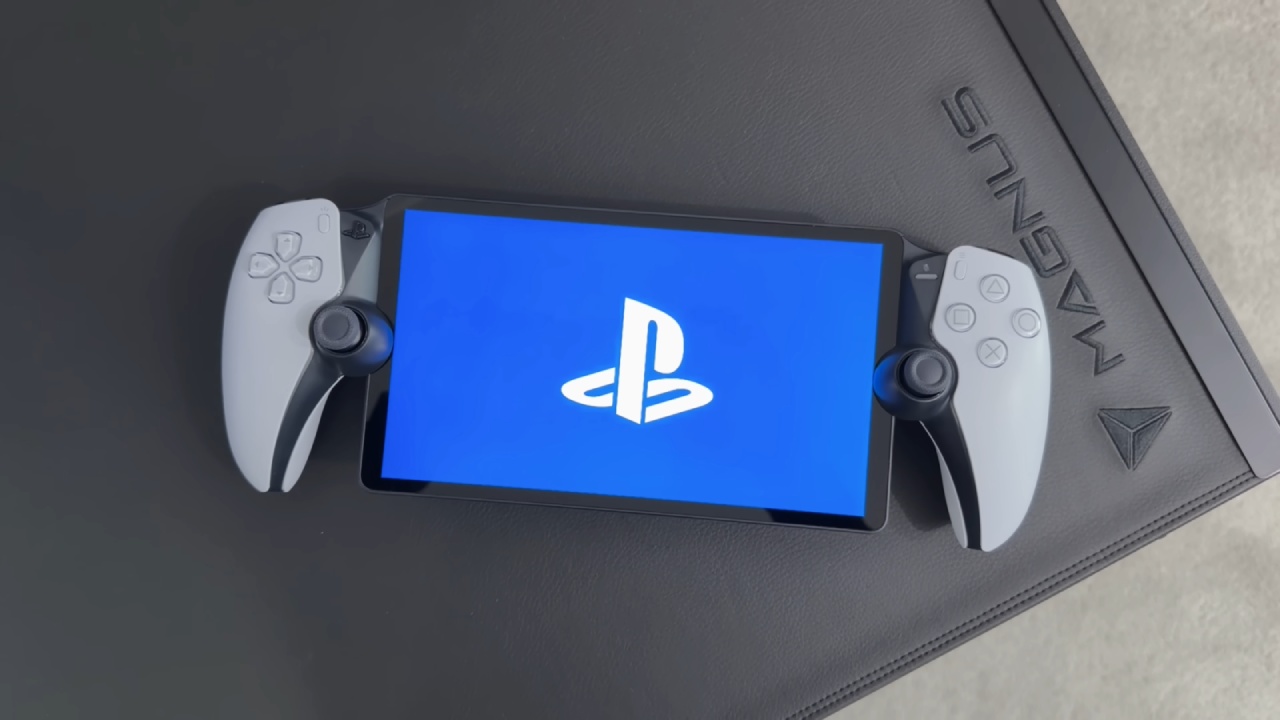
According to claims, low power mode is being viewed internally as a Trojan horse intended to prepare developers for the upcoming PlayStation 6 handheld. Sony is reportedly frustrated that so few studios currently support this feature. At the moment, only a small number of first-party games implement it, with virtually no third-party support. Although marketed as part of Sony's sustainability goals to reach net zero by fiscal year 2040, the practical purpose seems to be handheld compatibility.
Most PS5 games in development, and many already released, do not support low-power mode. This could create bottlenecks when these titles run on a lower-wattage handheld, especially due to CPU limitations.
Rumored handheld may ship with four Zen 6C cores for gaming plus two Zen 6 low-power cores for UI and background tasks.
PS5 currently uses six to seven and a half Zen 2 cores. Even though Zen 6 cores are more powerful, games that use all of the PS5's threads may struggle without fallback optimizations. Developers could make native modifications, but Sony's literature suggests focusing on lower resolutions rather than lower frame rates, since the portable screen can't handle them.
Sony has always been open with developers about early hardware planning, getting their input for both PS4 and PS5 generations. A handheld, on the other hand, is new ground for Sony, and the tone of the documents suggests that they may not be naming the device yet.
Instead, they seem to be hiding the initiative under the guidance of low-power mode. Suppose the handheld is expected within two years. In that case, it raises questions about how much first-party studios already know and how completely Sony is looping in third-party partners.
Alongside the handheld rumors, new details also emerged about PS5 Pro and PSSR. Developers claim Sony is fully aware of PSSR-related artifacts and shimmering issues present in numerous recent AAA titles. Sony is actively working to address these problems. She appears to have more advanced PSSR tools than AMD currently offers for FSR 3 or FSR 4.
One of these tools is PSML Replay, which developers can use to debug PSSR issues. Sony is also developing a major upgrade, internally referred to as multiframe super resolution. This upcoming version, labeled MFSR2, is described as a significant 2.0-level update. It features an updated algorithm requiring less input data, reducing memory consumption and shortening GPU processing time. An entirely new API will accompany it.
Sony aims for PSSR to match or exceed the performance and results seen in FSR 4, despite differences in PS5 Pro's available top performance.
In the short term, a better solution may be to encourage third-party studios to support fallback modes that let players switch to base PS5 performance options. Some third-party titles currently force Pro-only modes, leaving players stuck with shimmering or artifacting until patches are issued.
A premium console should consistently offer best-in-class performance. Yet games such as MGS Delta, Star Wars releases, and Silent Hill have shown visible artifacts through PSSR, especially in foliage and fine details. For some players, this is distracting; for others, it is tolerable. But consumers who invest in a PS5 Pro are often the ones most sensitive to such visual inconsistencies.
The hope is that the update arrives soon and that games can be patched easily. PSSR versions used internally on PS5 Pro have never been completely clear, and the console is still new. The situation also matters to players who don't own a PS5 Pro because PSSR is expected to be central to PlayStation 6's graphics pipeline.
By the time PS6 releases, a more robust third-generation version of PSSR could be in place. The same technology will likely extend to the rumored handheld, especially if Sony pushes for performance parity between PS6 and the portable device.
Everything that was discussed aligns with what should be happening at this point in the PlayStation pipeline. The details seem reasonable and fit with what has happened in past hardware cycles. Some people might not like hearing rumors this early, yet this is when leaks usually start.
The data points to Sony heading toward a single ecosystem for both home consoles and handhelds, with PSSR evolution being the main technology behind this. Low power mode seems to be a quiet compatibility layer for future devices. At the same time, PSSR improvements are meant to address current problems and prepare for next-generation visuals.
More developments will likely surface over time, but as it stands, the pieces appear to be falling neatly into place.
Editor, NoobFeed
Related News
No Data.