
PlayStation 6 Revealed: "Orion" Hardware Power Meets a Next-Gen Handheld in 2027
Sony is focusing on modular RDNA 5 chips and handhelds that use less power and work with all PS4, PS5, and PS6 games. Is this what gaming needs in the future?
News by Masaru Hoshino on Aug 07, 2025
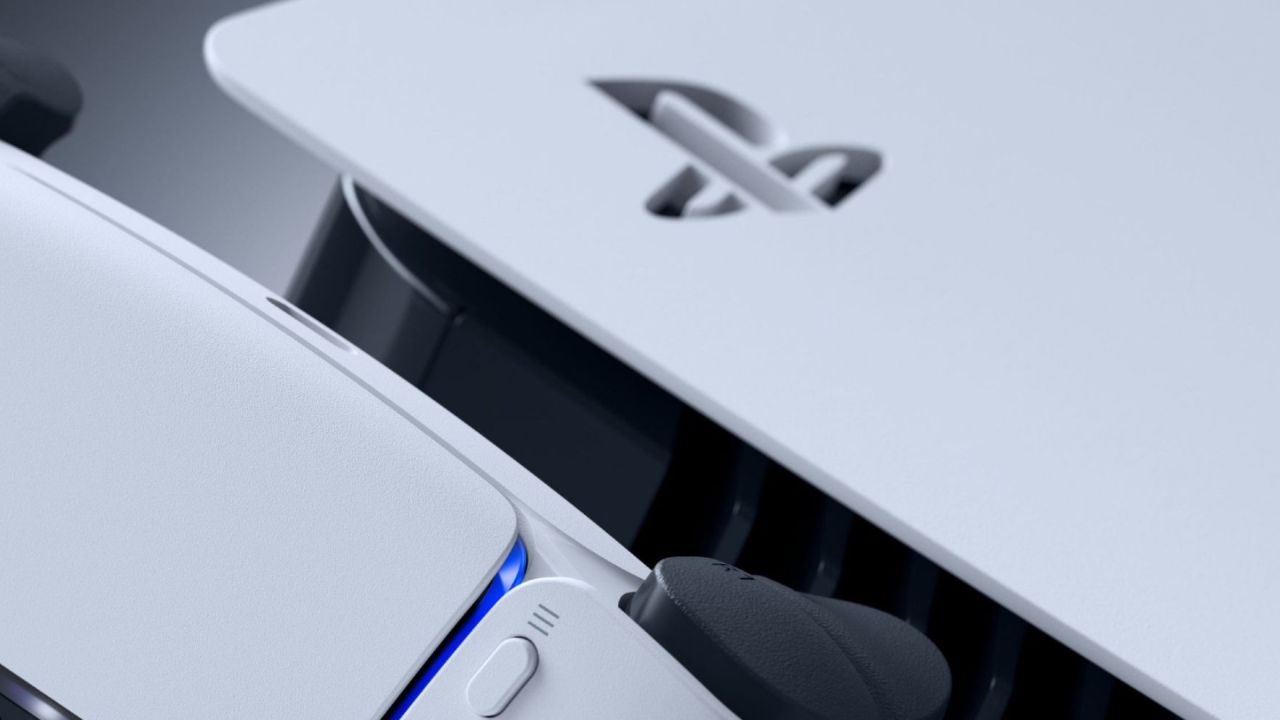
The next generation of Sony consoles is already well on its way, not just a last-minute rush. Sources say that the PlayStation 6 has been in development for a long time, even before 2024, and that major design choices have already been made. The console, which is codenamed Orion, will give you a lot of power in a small, efficient package. There won't be any overheating or loud fans; it will just work well at about 160 watts of power use.
AMD chiplet technology is at the heart of the hardware. It lets you mix, match, and optimise CPU and GPU parts. Some people say that the PS6 and the next Xbox will even have shared GPU chiplets, which would be a first for Sony. The GPU architecture is based on RDNA 5, and the clock speeds are over 3 GHz. The Pro model may still have more raw compute units than the PS6, but Orion is expected to have up to three times the raster performance and six to ten times the ray tracing performance. Sony wants locked 4K at 120 fps with ray tracing turned on, which is a big step up from what the PS5 Pro can do.
A Zen 6 architecture with at least eight high-performance cores makes AI routines better, open worlds smoother, and physics simulation better. PS6 will feature GDDR7 memory across a 160 or 192‑bit bus, providing balanced bandwidth without excessive complexity. Sony is promising that PS4 and PS5 games will work with the PS6, which is very important. However, PS3 games will not work with the PS5. Sony wants to give people next-gen power without spending a lot of money or making their living rooms too hot with these specs.
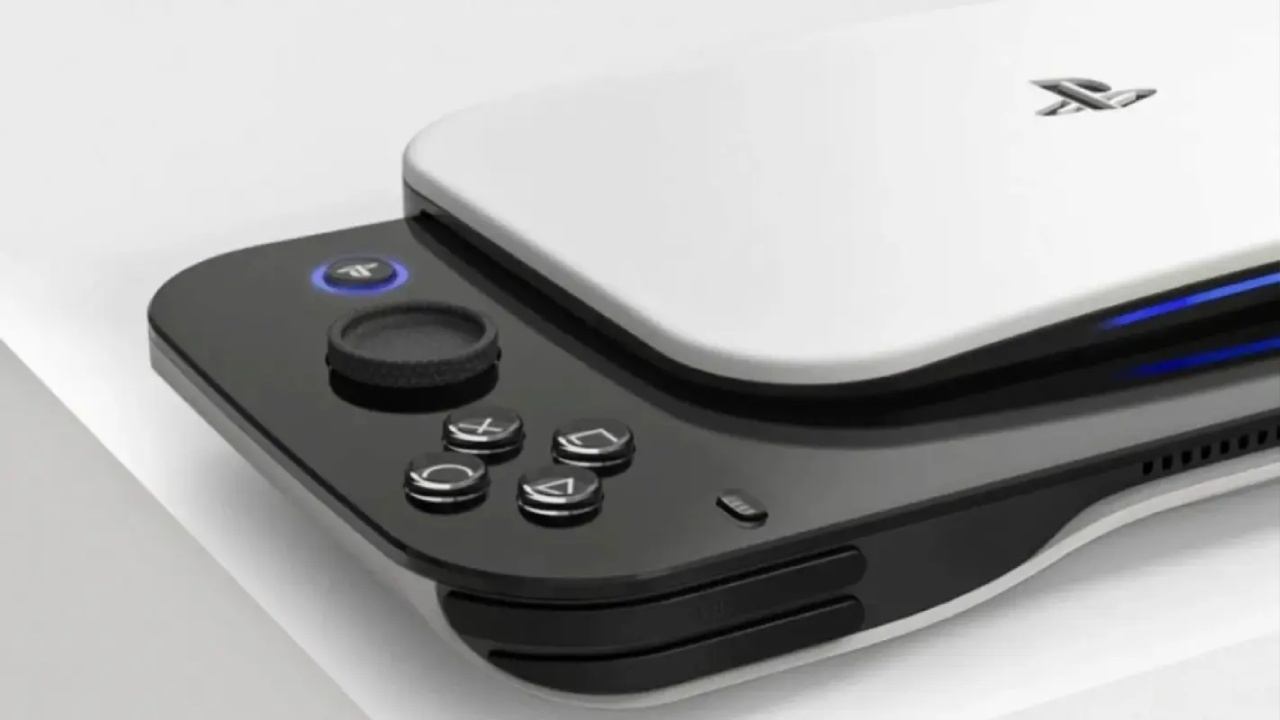
Most of Sony's work on handhelds has been through streaming or mobile apps. But now, with the code name Kynis, PS6 is getting a fully functional portable version. The sources say that the handheld has a 3-nm Zen 6 chip, full touchscreen support, USB-C with video output, haptics, an SD card slot, and even an internal M.2 SSD slot. It's a small PS6 that you can hold in your hand.
Performance is about half of what the PS5 can do, but because RDNA 5 is so efficient, it can outperform the standard PS5 when ray tracing is turned on. The power use is only about 15 watts, which is nothing like the big handhelds that drain batteries quickly. This means that the battery life will be great for portable sessions. Developers are already improving game titles by adding a low-power mode. This will make sure that they work perfectly with PS4, PS5, and PS6 games.
Kynis is also supposed to work as a TV console through a USB-C output. Pair it with a DualSense controller, and it becomes a full PS6 at home. Sony wants to release it about a month after the central console in late 2027. Prices should stay reasonable: the central console (PS6) will cost between $499 and $599, the handheld will cost between $399 and $499, and there may be a $299 mini version without a screen. Sony is betting on both accessibility and innovation, considering the state of the economy and the fact that many people still play on PS4.
It seems clear what Sony's goal is for this generation: use high-end specs without making them too expensive for customers. Orion doesn't want to sell for $700 like previous models. Instead, it wants to get the best performance at the lowest cost. Now, hardware profits depend on software and ecosystem sales, not cutting hardware margins.
The chiplet strategy not only allows Sony to scale manufacturing costs but also aligns with AMD's modular future. If PlayStation and Xbox systems can share parts, it could cut costs and simplify the process, and it might also make it easier for developers to create games for both platforms. Built-in backwards compatibility, on the other hand, ensures that players won't lose access to their existing libraries.
Putting together powerful hardware with portability and full backwards compatibility is a big strategic bet. Kynis is different from digital-only handhelds or streaming devices because it lets you play high-end games on the go with physical support and local play. You can even use it as a full console. This could change what gamers expect from Sony's ecosystem, making it easier and cheaper to switch.
The PlayStation 6 and its portable version will come out in late 2027. They say they can give players real next-gen experiences without needing expensive hardware or a lot of money. Orion could offer locked 4K 120 fps with ray tracing across games, and Kynis could work for both home and portable gaming.
If these rumors turn out to be true, Sony may finally give gamers what they've been asking for years: consoles that are backwards-compatible, perform well, and don't cut corners on features or cost too much. Can the PlayStation 6 raise the bar without costing too much or breaking your home's thermostat? Could Kynis be the first handheld to compete with home consoles?
Editor, NoobFeed
Related News
No Data.