
PlayStation Portal Getting OLED and 120Hz—Addressing Biggest Fan Complaint
Sony’s decision likely adds a premium feel without significantly increasing manufacturing costs or retail pricing.
News by Maisie Scott on Jan 17, 2026
It looks like Sony's PlayStation Portal is getting a major update, which could fix one of the biggest problems people have had with the handheld since it launched. Even though it's only good for streaming from the PlayStation 5, the device has found a strange place in the market. New information suggests that Sony is working on a big-screen update that could significantly change how people see the Portal.
There's been something strange about the PlayStation Portal for a long time. This isn't a normal handheld game system, and it's not meant to be one. Instead, it functions as a companion device, enabling users to stream games straight from their cloud libraries or from their PlayStation 5s.
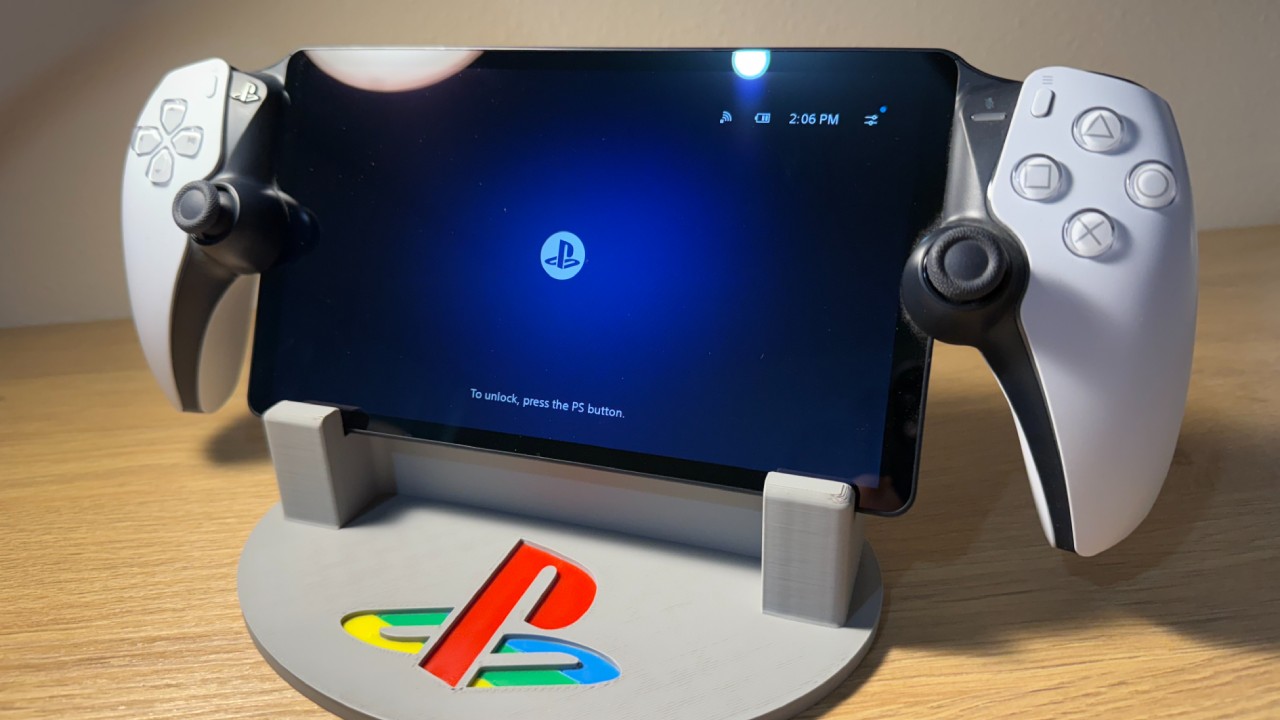
That design decision made the Portal seem less like a comprehensive mobile experience and more like a band-aid. Those hoping for Sony's next genuine portable system would find this to be particularly true. The screen was one of the recurring issues. When it came out, the Portal had a 1080p, 60 Hz LCD screen that worked fine but wasn't anything special.
Streaming worked fine, but it never felt high-end, even though the device doesn't use any expensive internal tech.
The Portal's parts are simple, more like those in an Android tablet, and it doesn't have built-in game support. The average screen pick felt like a missed chance because of that.
Now it looks like Sony might be fixing that. According to reports, the PlayStation Portal is getting a new OLED screen that can hit up to 120 Hz. This would be a huge improvement if it's true. Adding an OLED panel instantly improves picture quality with deeper blacks, greater contrast, and richer colors. Moving up to 120 Hz also enables many games to deliver better graphics.
It could be a big deal if you play games on PS Portal that require higher frame rates, like competitive shooters or action games with lots of action. It would feel smoother and more nimble to play games that could run at 120 frames per second. It will help even games that are locked at lower frame rates.
Higher refresh rates help keep the frame rate smooth, so content at 30 fps or 40 fps can look much better on a 120Hz display than on a 60Hz one. The development of OLED technology remains one of the most important advances in current display hardware. The price is usually higher, but it always works better than regular LCDs. OLED screens tend to enhance your experience, whether you're playing games, watching movies, or editing videos.
Adding this technology to the PlayStation Portal makes it feel more high-end and in line with what people expect today.
This move is very interesting because it probably won't raise Sony's production costs much. The Portal's internals aren't too expensive, and the device's price already suggests healthy margins. If you add an OLED screen, those margins might get a little smaller, but it probably won't change the cost structure too much. From the outside, it looks like a good deal that raises the value without raising the price too much.
This upgrade also shows why the PlayStation Portal has been successful, where other gadgets of the same kind have failed. Other small devices that focused on the cloud were priced higher but didn't offer much value. Sony's Portal, on the other hand, was priced more affordably and focused on doing one thing really well.
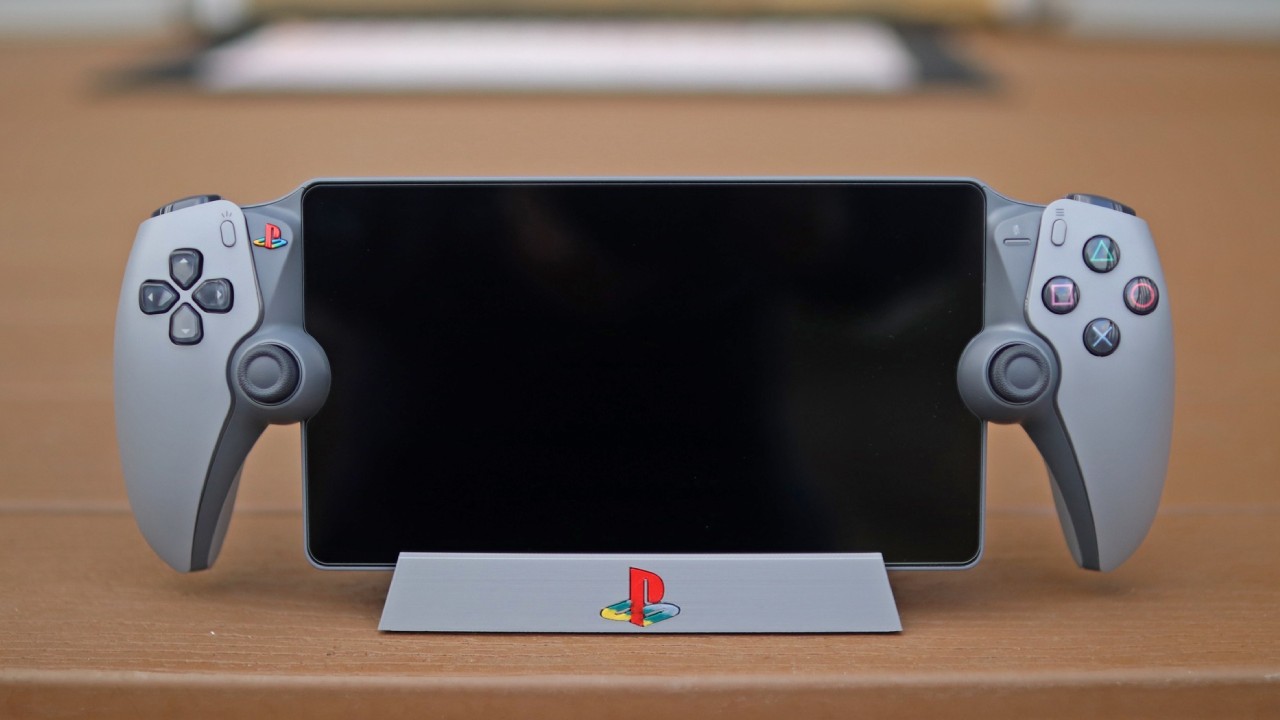
That method seems to be working. Sony has said many times that the Portal is still selling better than expected, even as excitement around other new products is waning. When many platforms seem to be stuck in a rut, it's nice to see a hardware success story. Sales have dropped sharply, even for systems that launched with a huge bang.
The Portal's steady work stands out against that background. This shows that people really want reasonably priced hardware that works with current platforms rather than trying to replace them.
This update could make a big difference in how the Portal works for you.
When you stream on a better screen, it feels more like an experience and less like a sacrifice. If you use the Portal a lot already, you would notice the change right away. You might finally like the device after this update if you were on the fence about it before. There's also a bigger trend here. It looks like Sony is ready to make changes and listen to input, even on hardware that isn't very popular.
Being ready to try new things is important, especially as the industry explores new form factors and hybrid devices. Sony's decision to keep working on the Portal rather than give up on it shows that they think the idea will be useful in the future.
Even though this update doesn't make the PlayStation Portal a real handheld console replacement, it does bring it closer to being a premium experience. To get the most out of it, you'll still need a PlayStation 5 or access to the cloud, but just the visual improvement might make it feel much better.
If these rumors are true, the PlayStation Portal's development shows that gear doesn't have to be completely new to be successful. Sometimes it's enough to listen to feedback and make specific changes. The Portal's OLED screen and higher update rate make it look like it will become a much more interesting piece of Sony's hardware. It may be one of the quieter success stories of this generation, and it continues to grow.
Editor, NoobFeed
Related News
No Data.