
Sony’s Backend Shake-Up Sparks Fresh Rumors of a PS6 Handheld
Mode for low power. Changes to the SDK suggest that a third PlayStation platform is slowly coming together.
News by Nusrat Choity on Dec 20, 2025
Sony might be getting ready for its next big hardware move, but it's happening in the background. Sources say that recent improvements to the PlayStation 5 development tools have brought back rumors of a PlayStation 6 handheld. There is also evidence of a specific low-power gaming mode being built for future hardware.
Even while Sony hasn't said anything official, the nature of these backend modifications has gotten a lot of attention in the industry, especially from developers who know how PlayStation systems change behind the scenes. The rumor is that Sony is going to patch all of its PS5 software development kits back to version 1.0 so that it can enable a low-power mode.
.jpg)
This is strange because Sony didn't do this while they were getting ready to support the PS5 Pro. This step is unusual because SDKs are usually upgraded to the next release, not retrospectively aligned across versions. The sources say that the goal is to make sure that developers, including those using earlier SDK versions, can add low-power support to their games without having to recompile them in every new development environment.
This is important because the SDK version that a PlayStation game was made with is very important.
Historically, games made early in a console's life cycle frequently don't get later improvements because it takes a lot of technological work to update them. This is why many early titles for the PlayStation 4 never got PS4 Pro patches. The expense of updating those games became too exorbitant once production was done and developers moved on.
The same problem still exists with PS5 games today, thus Sony's reported decision to unify SDK support is a big change in approach. The sources also mention developer documentation, which provides another interesting aspect. The manual says that CPU optimizations should be based on the idea that games can only run on eight threads, instead of using the full CPU arrangement of the PS5.
The fact that the language states that "new operation modes may be supported in the future" and that applications may run in environments with different CPU configurations tells us even more about the future of the language. It has been speculated that Sony is preparing developers for equipment that is not compatible with the standard PlayStation 5 configuration as a result of this phrase.
If this is the case, then the low power mode would be more than just a function that is available as an option. Instead, it appears to be regarded as a distinct performance profile within the firm, which makes it a third PlayStation objective in addition to the standard PlayStation 5 and the PlayStation 5 Pro. In the actual world, developers would be designing their games with a wide variety of technologies in mind, including one that prioritizes efficiency over raw strength.
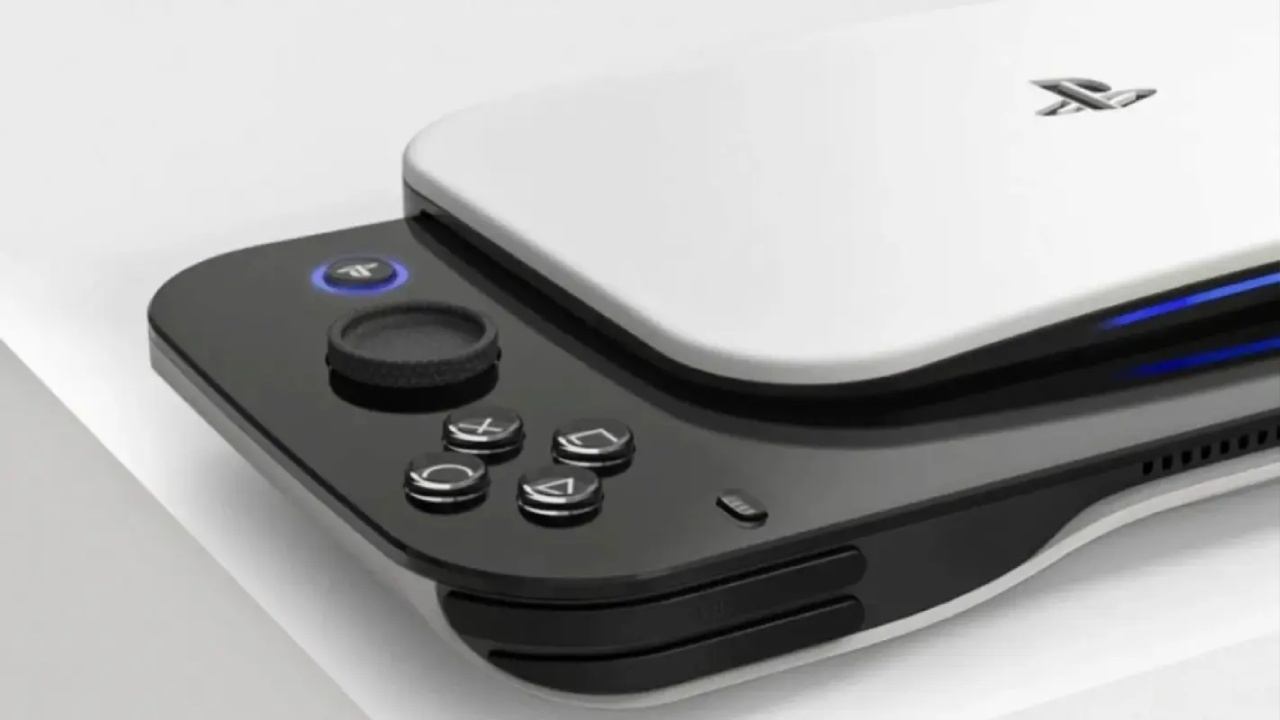
This kind of method works well with a handheld system, where battery life and temperature constraints are quite important.
There has been talk for a while about a PlayStation handheld that could run native PS5 games, especially since Sony has been more interested in portable experiences lately. While earlier devices were mostly about streaming, these backend modifications point to a new direction—one that focuses on native execution with lower performance. Sony would be able to get the most PS5 games to work on the device from the start by making sure that it works with a wide range of SDKs.
Another important effect of this plan is that software will be easier to find. Sony seems to be putting backward and forward compatibility at the top of its list of priorities. It wants as many of the old PS5 games to work on new hardware as feasible. Instead of asking developers to go back and redo old projects, the business might be making it easier for studios to add low-power support if they want to.
This might make software support on launch day much better for any new platform that uses this mode. But just because you plan something doesn't mean it will happen. It depends a lot on developers whether or not the backend is ready. Right now, there aren't many PS5 games that have low power settings that anyone can use.
Studios still need time, money, and a convincing reason to support more performance profiles, even with easier tools. Without significant support or requirements at the platform level, the functionality may not be used as much as it could be.
But the technical clues are hard to miss. If you treat low power mode as a formal platform aim, it means you're planning for the long term instead of just making a small change. It looks like Sony is planning for more than just the current console cycle. They are making their development ecosystem more flexible well before any hardware is shown off.
This method would also cut down on fragmentation, making sure that all future PlayStation systems, whether they are handheld or not, may use the same software pipeline. For now, all of this is still just talk. Sony has not said anything publicly about the purpose of these SDK updates or confirmed that there would be a PlayStation 6 portable.

The story becomes more and more likely, though, because the purported documents, the way PlayStation has developed in the past, and the strategic benefits of such a move all point in the same direction. Changes to the backend don't happen for no cause, especially when they require this much cooperation amongst development tools.
As the PlayStation ecosystem changes, these small changes could be the first indicators of Sony's next hardware chapter. It's evident that something is being worked on behind closed doors, whether it leads to a real handheld system or just a more flexible future for PlayStation games. The real question is how long Sony will keep players in the dark before they ultimately see the big picture.
Contributor, NoobFeed
Related News
No Data.