
Stellar Blade 2 Reportedly Moving Smoothly as Shift Up Plans to Self-Publish the Sequel
Shift Up is treating Stellar Blade as a long-term franchise, and the studio’s latest financial report points to a bigger multiplatform future for the series.
News by Mahi Araf on May 12, 2026
You are probably going to be hearing a lot more about Stellar Blade 2 over the next several months because Shift Up has now made it clear that the sequel is moving along smoothly behind the scenes. The bigger surprise, though, is that the studio is planning to self-publish the next game instead of relying on an outside publishing partner as it did with the first Stellar Blade.
That detail alone changes the conversation around the sequel quite a bit because it potentially opens the door for a much wider launch strategy. The information comes from Shift Up’s Quarter 1 2026 earnings report, where the company heavily emphasized Stellar Blade as one of its major long-term growth pillars alongside Goddess of Victory: Nikke.
According to the report, Shift Up brought in 47.3 billion KRW in revenue during the quarter, along with 21.5 billion in operating profit and 37.8 billion in net profit.
Revenue overall was up 12 percent year-over-year, although the company also acknowledged a decline compared to the previous quarter. That apparently came after a much stronger period fueled by the momentum surrounding Stellar Blade’s PC launch and holiday sales.
The game itself generated 12.9 billion KRW during Quarter 1, which marked an 84 percent increase year-over-year. A lot of that success was tied to the PC release, PlayStation Store discounts, and the strong reception the game received on Steam.
Shift Up now considers Stellar Blade a steady seller IP, meaning the company is no longer treating it as a one-time success. Instead, the franchise is being positioned as a long-term property that the studio plans to keep building for years.
The most important part of the report focused directly on the sequel. Shift Up confirmed that development on Stellar Blade 2 is progressing smoothly and is currently meeting the studio’s internal quality standards. The company also stated that the sequel will use a first-party publishing model, meaning Shift Up intends to publish the game itself rather than depend on an external partner.
That does not automatically rule out some kind of exclusivity arrangement with Sony Interactive Entertainment, though. You have already seen similar situations happen before with games like Final Fantasy VII Remake and Final Fantasy VII Rebirth. Those titles were published by Square Enix, but Sony still secured timed exclusivity deals for both projects.
Even with that possibility still on the table, the success of Stellar Blade on PC makes a strong argument for a full multiplatform launch.
The first game already proved there is a massive audience outside the PlayStation ecosystem, especially on Steam. Releasing the sequel simultaneously across platforms would not just boost sales immediately; it would also help expand the franchise itself.
That wider release strategy could end up benefiting Shift Up far more in the long run than accepting a short-term exclusivity deal. Releasing on more platforms naturally creates more discussion online, more visibility across social media, and more overall momentum for the IP. It also helps build goodwill with players, which is becoming increasingly valuable in the current industry climate.
You can already see other studios benefiting from that same kind of goodwill. Pearl Abyss has been building anticipation for Crimson Desert through frequent updates, while Game Science gained a huge amount of support after the launch of Black Myth: Wukong. Shift Up has quietly earned a similar reputation with Stellar Blade, especially after the PC version ended up being both well optimized and commercially successful.
The Steam performance alone showed how much demand there was for the game.
Stellar Blade reportedly peaked at around 190,000 concurrent players despite arriving on PC a full year after the original console launch. A day-one PC release for the sequel would likely push those numbers significantly higher and generate even more attention around the franchise.
That is why the idea of keeping the sequel locked to one platform feels harder to justify now. Sony could certainly offer a substantial amount of money for exclusivity, but releasing on multiple platforms also grows the series itself in ways that are harder to measure immediately. A larger audience means more long-term brand recognition, more community growth, and more overall interest every time a new installment arrives.
Shift Up itself seems very confident about where the sequel is headed. The company stated that Stellar Blade 2 is expected to perform meaningfully better than the original game thanks to stronger self-publishing capabilities, a more effective sales strategy, and an already established global fan base.
The studio also confirmed that more information about Stellar Blade 2 and its other upcoming project, Project Spirits, will be shared later this year as part of what it describes as an accelerating new title cycle.
That timeline has naturally sparked more speculation about when the sequel could actually release.
Some earlier discussions suggested a possible 2026 launch window, but that always seemed unrealistic considering the timeline of modern game development. The original game only launched in 2024, and Shift Up also spent a considerable amount of time supporting and optimizing the PC version afterward.
A 2027 release already feels surprisingly fast by current industry standards. Even a 2028 launch would still put Shift Up ahead of many larger studios that now regularly spend seven or eight years between major releases. Companies like BioWare, Naughty Dog, and Rocksteady Studios have all faced criticism recently for increasingly lengthy development cycles.
At the same time, newer studios have started making a much bigger impact. Shift Up, Game Science, and even Pearl Abyss have all managed to build strong excitement around new IPs despite not having the same long-established reputations as some older developers. In several cases, player reception toward those newer titles has been far more positive than the reactions surrounding games like The Last of Us Part II, Dragon Age: The Veilguard, or Suicide Squad: Kill the Justice League.
That momentum is part of why Stellar Blade 2 feels like such an important project for Shift Up moving forward. The company clearly understands that the series has the potential to become much larger than it already is, especially after seeing how well the PC audience responded to the first game.
There is also the question of how much Sony values the IP moving forward.
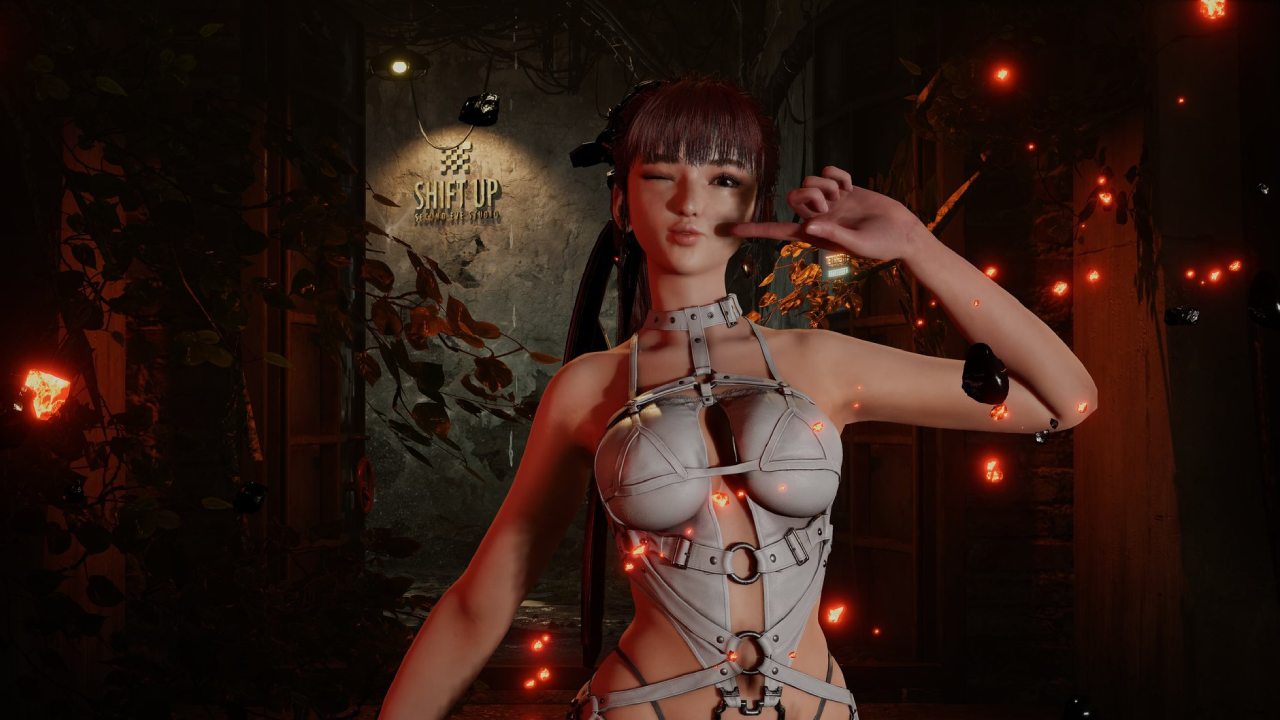
If PlayStation managed to secure some kind of exclusivity agreement, the company could potentially position Eve as one of the more recognizable faces associated with the PlayStation brand. That kind of marketing push could absolutely benefit Sony, especially during a period where many players feel the platform has been lacking a steady stream of major first-party releases.
From Shift Up’s perspective, though, fully controlling the franchise and expanding it across multiple platforms may ultimately make more sense. The first game already showed strong potential on PC, and there is a belief that the series could also perform well on Xbox or even future Nintendo hardware if the studio ever decided to expand further.
Another important factor is the technical side of the sequel. Stellar Blade’s PC release was praised heavily for its optimization, which ended up becoming one of the game’s biggest strengths. Because of that, there is already some concern about whether Shift Up could potentially move the sequel over to Unreal Engine 5. While UE5 has become increasingly popular across the industry, many players remain cautious because of the performance issues that have affected several recent releases built on the engine.
For now, Shift Up has not confirmed any engine changes, so that remains purely speculative. What is clear is that the studio is treating Stellar Blade as one of its biggest long-term franchises, and the sequel is already being positioned as a much larger release than the original game.
With a reveal reportedly planned for later this year, the next several months could end up shaping the future of the franchise in a major way. Whether Sony eventually secures some form of exclusivity or Shift Up fully embraces a multiplatform strategy, the success of the first game has already changed expectations for what Stellar Blade can become moving forward.
Senior Editor, NoobFeed
Related News
No Data.