
Cloudheim Review
PC
Early Access
A crazy action RPG based on Norse mythology that mixes style, physics, and multiplayer fun.
Reviewed by Maisie Scott on Dec 03, 2025
Cloudheim comes from a team known for creating stylized worlds and physics-based mechanics that don't take themselves too seriously. Instead of going for photorealism or a huge open world, this project focuses on expressive animation, responsive combat, and a world that is based on the aftermath of a broken mythology.
The developers aren't tied to a huge legacy franchise, but Cloudheim is clearly an evolution of their earlier action-focused prototypes. It's now a full RPG with cooperative play, unique character roles, procedural exploration, and a surprisingly charming story tone. When the floating islands first appear on screen, the new IP is confident and full of personality.
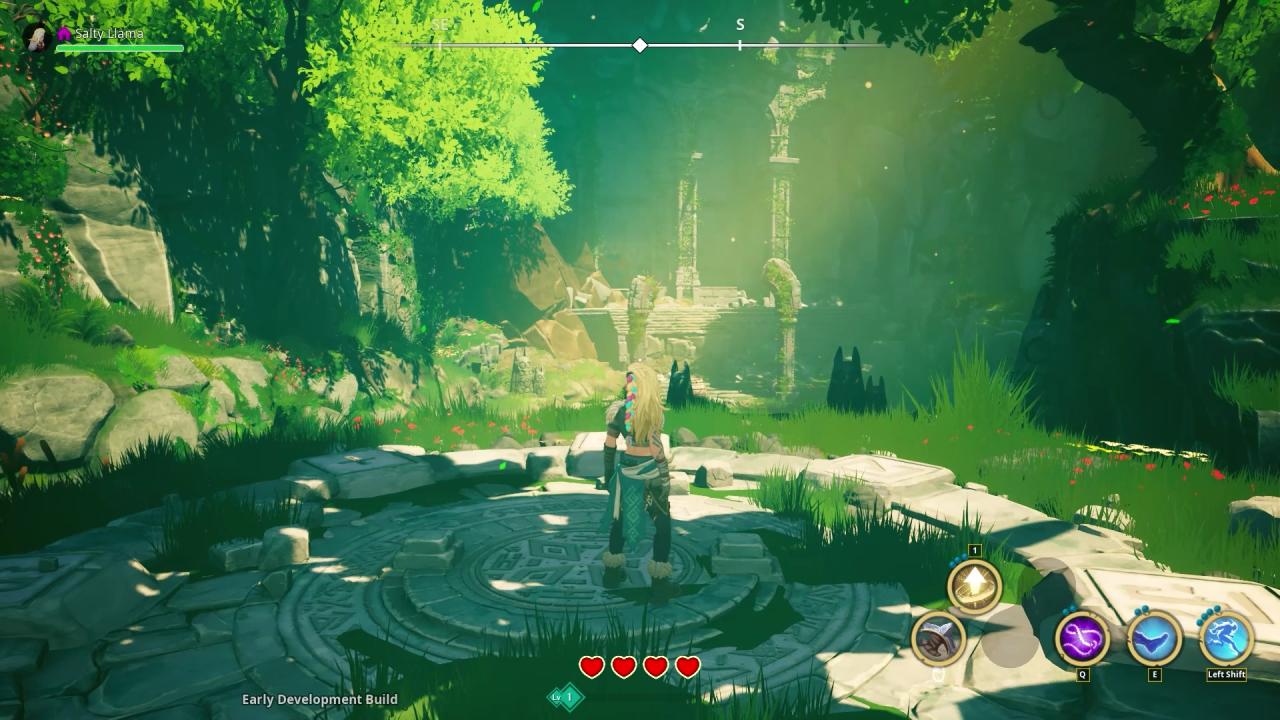
The base of Cloudheim is simple but interesting. Ragnarok went horribly wrong, and instead of ending the world, it shattered it. Landmasses broke apart, floated into the sky, and formed floating paths that stretched across an endless horizon. The gods disappeared, civilization fell apart into random groups, and now there is a colorful mix of mythological chaos.
Your character enters this broken world, which is a mix of survival elements, action-RPG combat, physics-based movement, and a funny take on Norse mythology.
The Odin Shell is a huge turtle that serves as your base for traveling and crafting. It also serves as your mobile home. It's funny, clever, and surprisingly useful, setting the tone for Cloudheim right away: adventurous, energetic, and not afraid to mix heartfelt charm with silly humor.
Cloudheim's story isn't so much about telling heavy stories as about creating a lively world where strange myths and energetic chaos come together. You look around at floating sky-continents that were made from the pieces that survived the failed apocalypse. Meeting strange creatures, scattered survivors, and mythological beings all help create the feeling of a world trying to put itself back together.
Exploration, item descriptions, conversations, and the changing layout of each run all naturally give players lore.
The game doesn't treat Norse mythology as a holy text; instead, it plays with it, turning well-known parts into funny caricatures or dangerous threats.
This story direction fits the tone of Cloudheim. It keeps you interested without making you watch long cutscenes or read long explanations. The world is charming because it tells stories through its environment, physical comedy, and the strange ways the islands and the creatures that live on them act. It's not so much about putting together a perfect story as it is about finding strange stories in a world that is rebuilding itself in the most unusual ways.
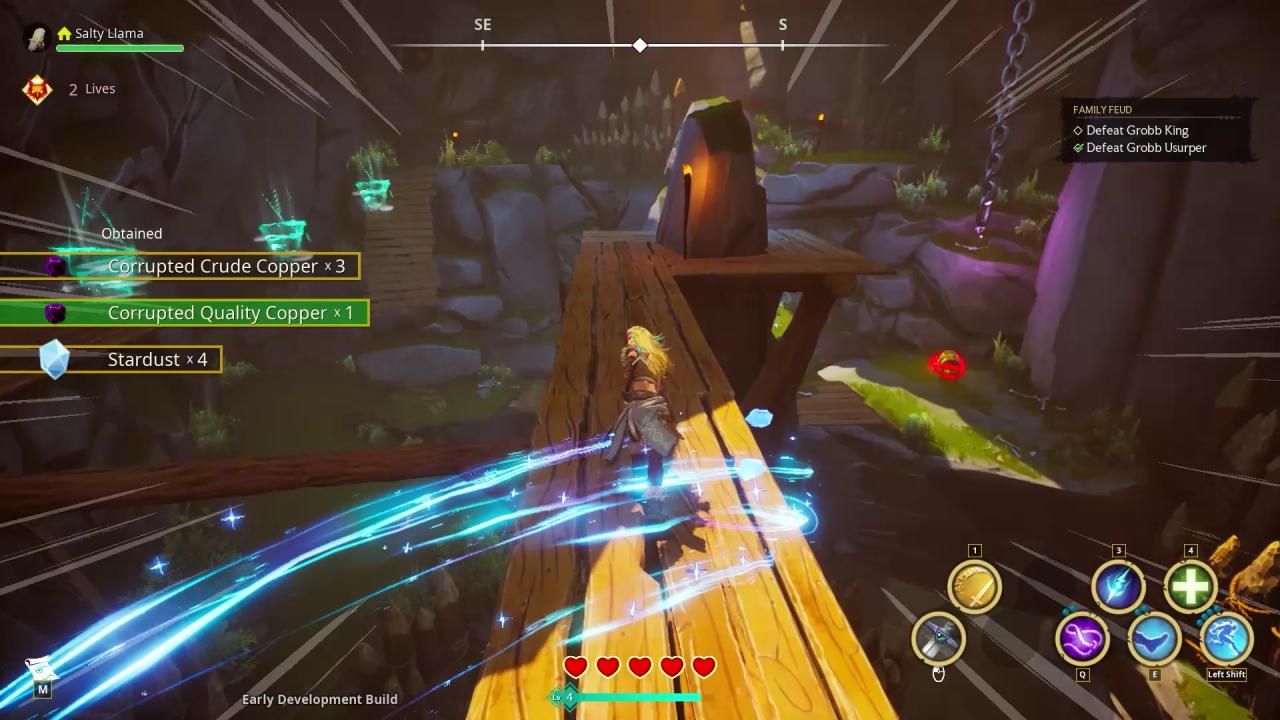
The best thing about Cloudheim is how good it feels to finally be in charge. Movement is quick, smooth, and well-polished. Dodging feels good, attacks flow smoothly into each other, and abilities trigger with clear animations and feedback. The game strikes a rare balance: movement is quick and smooth, but every attack hits with clarity and force.
This feeling of being able to respond is what makes the main gameplay loop. Cloudheim is all about moving around: dodging, dashing, gliding, chaining hits, jumping from one stage to another, and getting used to the way the floating islands' physics change all the time. Traversal makes you want to jump over things, climb strange buildings, and mess around with the world even when you're not fighting.
The islands are more like fun battlefields than strict landscapes, so you have plenty of room to run, combine, move around, and make things up as you go.
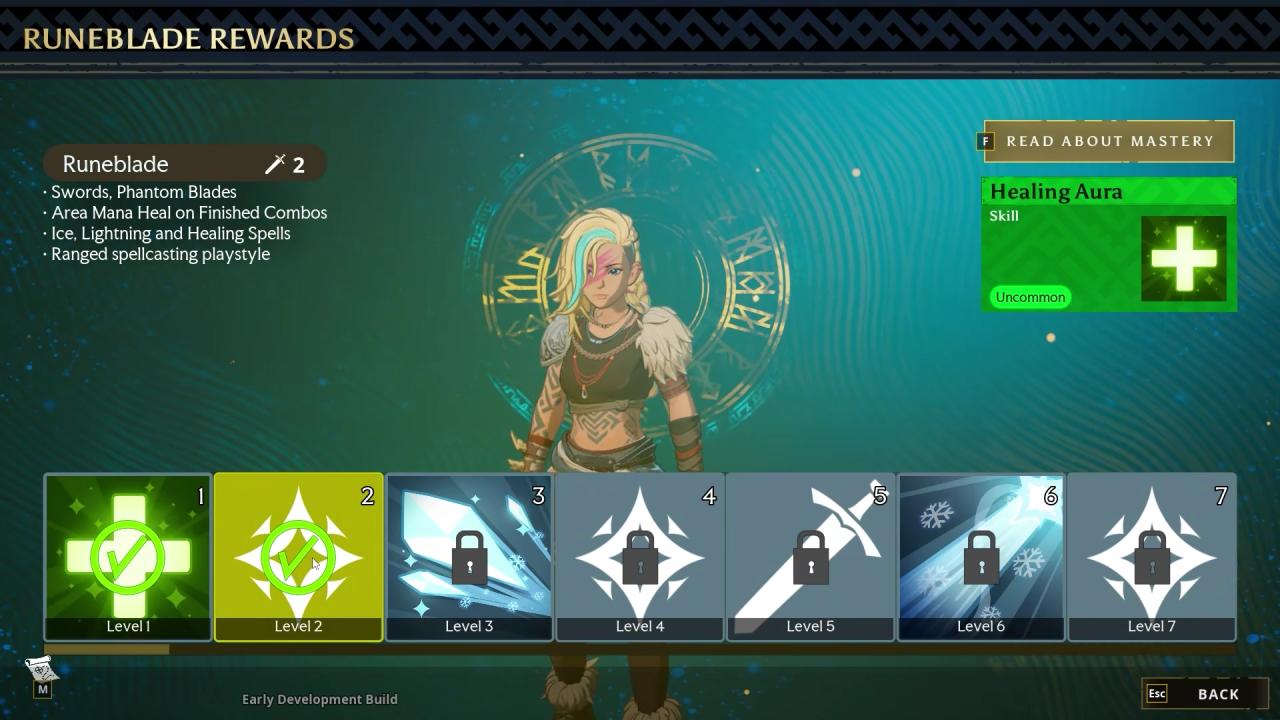
Choosing a character is also a big part. Each character has their own animations, rhythms, and skills. Some people are good at quick cuts and aerial combos, while others use heavier weapons that feel dramatic and planned. Some people also like ranged attacks or elemental magic. The differences between the characters in Cloudheim make it feel more real and encourage players to try new things. Changing characters really feels like changing the way you play, not just the way you look.
Cloudheim has multiplayer co-op, and this is where the fun of the game's controlled chaos really kicks in. When tank, DPS, and support roles come together, the battlefield is filled with overlapping effects, changing aggro, group synergy, and a storm of animations.
When fighting bosses in co-op, you need to be aware of not only the enemy's patterns but also your teammates' skills, crowd control, and where they are. It can be crazy, but it's a fun kind of crazy, the kind where working together leads to big, colorful bursts of action.
In Cloudheim, combat combines character-action mechanics with physics-based unpredictability. When things are going well, everything fits together perfectly. Hits push enemies back with loud crunch sounds, skills easily link together to form combos, and the physics make enemies fly in strange ways across floating platforms. When Cloudheim's physics work right, it's at its best, offering players visual treats that not many other action RPGs try.
But this system also makes things less consistent. Enemies sometimes react at just the right time, and other times they don't even flinch.
You might kick one enemy into space while another stays put. Environmental physics can make your character jump out of nowhere or not work at all. This unpredictability can be fun in co-op, but it can also be annoying when you need to land precise attacks or figure out what the enemy is going to do.
There is a class identity, but it needs more work. Different tools are used by tanks, DPS characters, and support roles, but the lines between them are often blurry. Their skill trees have different options, but the differences can get lost in the heat of battle, making each path feel more like a cosmetic choice than a real change in mechanics.
Boss fights feature multiple phases, clear telegraphs, and arenas with vertical structure. But the bright sparks, elemental bursts, and explosive particle clouds can make the screen look too busy. Important telegraphs sometimes get lost in the visual spectacle, which can make some encounters feel too much for the wrong reasons.
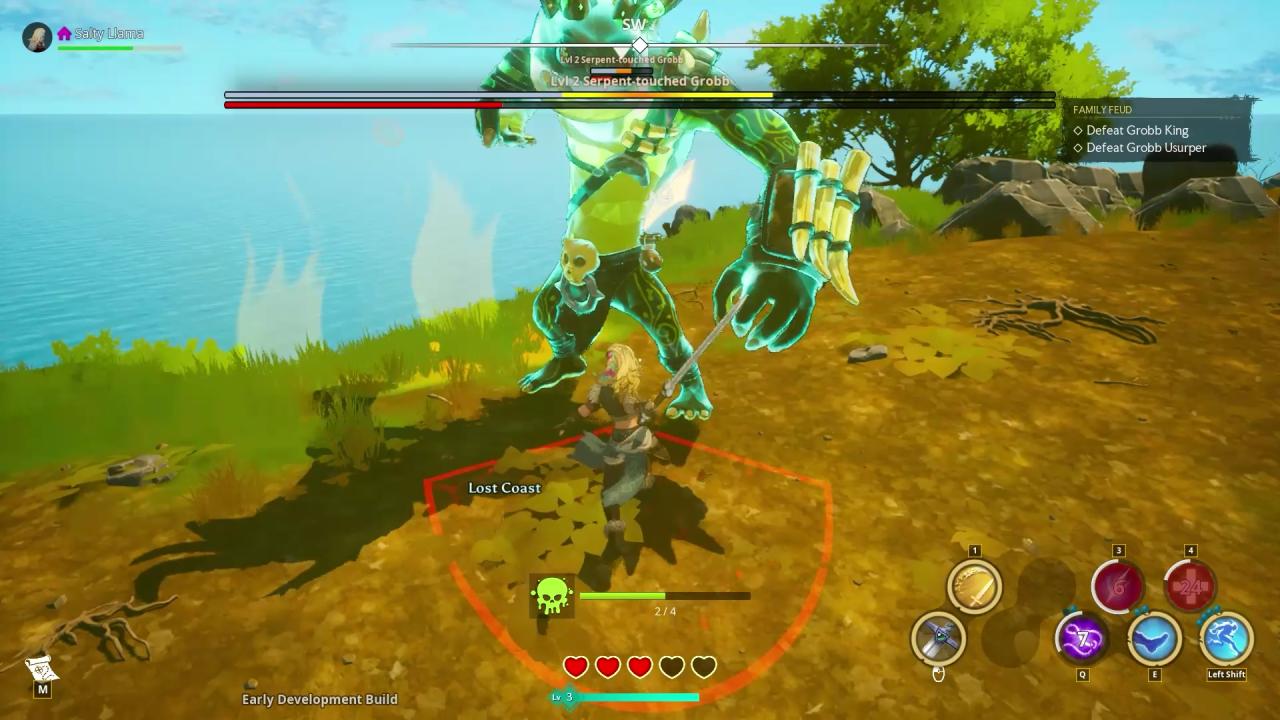
Cloudheim's combat is still fun to play, even with these problems. When everything is in place, the rhythm of dodges, combos, and physics-based knockbacks makes an addictive loop that makes you want to keep trying new things.
Cloudheim uses a progression system that most people are used to, where you upgrade your gear, gain new abilities, and make better equipment from resources that are spread out. You get materials from mining, fighting, and exploring, and making better tools makes you better at fighting. The crafting loop is simple and works well, but it doesn't often add new things or surprises. Upgrades make your stats and abilities better, but the way you progress is meant to be simple, not complex.
The Odin Shell, which is the base for the giant turtle, adds a fun twist to the game by acting as your mobile hub. Most of the customization options are purely cosmetic, but the idea gives the game personality and makes you want to collect resources. There is room for more mechanical features that are connected to the base, but even in its current form, it helps define the game.
The XP and crafting system works well with the combat without making it too hard. Even though the progression isn't as creative as in other RPGs, every upgrade feels like it matters. Cloudheim respects your time by not making you grind a lot and instead rewarding you for exploring and trying new things.
This graphics are big, bright, and very detailed. The animals and characters look like cartoons because their outlines are thick, their sizes are blown out, and their shading is smooth. Good job on the landscapes. There are floating islands that make layered shapes that reach up to the sky. You feel like you're in a fun and magical world because of the soft lighting, bright spell effects, and pastel skies.
The particle effects explode into colors during combat, and sometimes there are too many of them.
The high level of detail adds to the feeling of chaos, but it can also make it hard to read, especially during boss fights or co-op battles. Even so, the overall presentation is still polished and expressive.
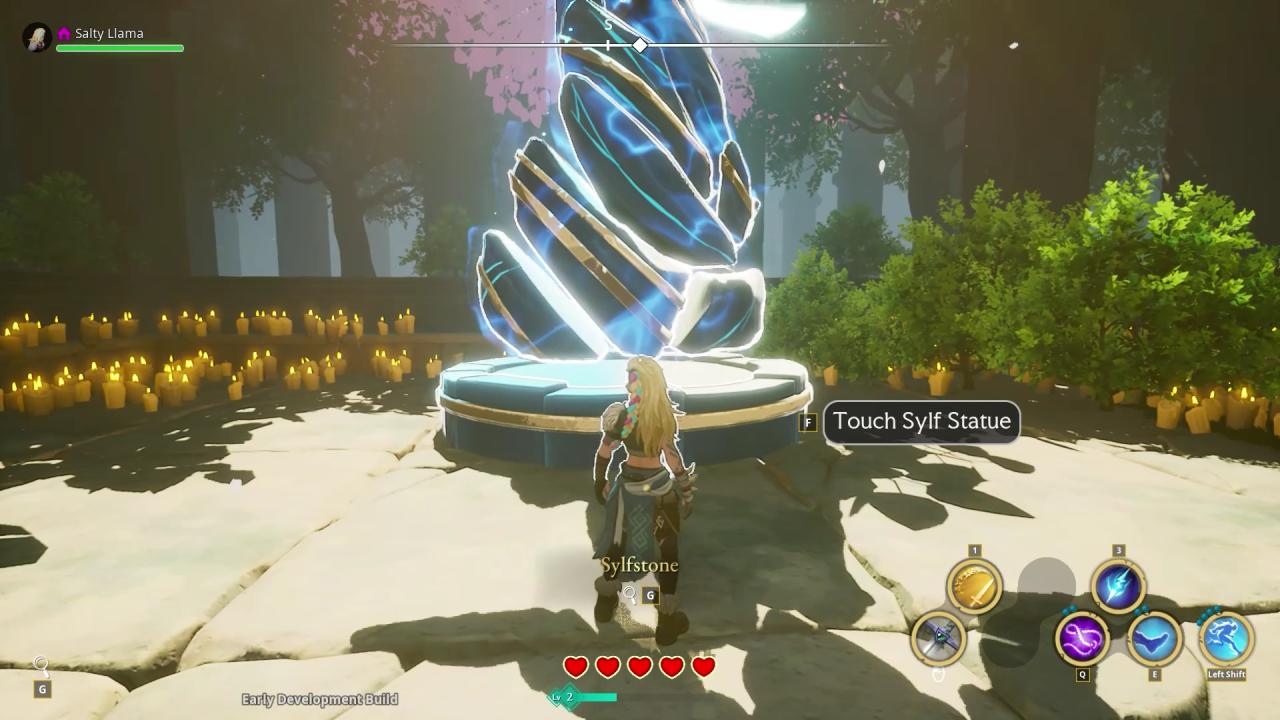
The quality of animations varies. Some basic enemies move stiffly, but player animations are flashy and full of energy. Boss animations are in the middle; they look good, but don't always work. These quirks don't ruin the experience, but more work on them would make combat clearer.
The sound design makes Cloudheim feel even more real. The sounds of combat are sharp and powerful, with satisfying slashes, crunches, bursts, and magical tones. The effects of spells give off a sense of energy, and the sounds of the environment, like wind blowing through islands and chimes from collectibles, make exploring more relaxing.
The soundtrack is mostly happy, anime-style songs that change when you fight or explore. The tone keeps you interested without getting in the way of the action. It fits the game's personality perfectly: lively, colorful, and full of playful confidence.
Cloudheim is a lively, chaotic, and fun action RPG that strikes a good balance between tight controls, expressive characters, and unpredictable physics. The world is unique, it's easy to move around, and the co-op fights are really fun.
Things that don't work right with it are that there is too much visual clutter, the animations are too stiff, and the development systems need more depth. But it also has a lot of potential. The game knows what it wants to be: a quick, stylish, and fun adventure through the floating remains of a mythical world.
The best things about Cloudheim are its smooth combat, moving around, expressive art direction, and charming tone. The things that make it the weakest are not the most important ones. With some work, it could become a great co-op action game. It still has enough energy, personality, and pure fun to make you want to run again and again.
Editor, NoobFeed
Verdict
Cloudheim is a stylish, chaotic action RPG with lots of charm and quick fights. There are still some rough edges, but the fun physics and co-op energy make it a promising adventure worth keeping an eye on.
77
Related News
No Data.