
Crimson Desert Review
PC
A lavish, unruly fantasy epic where astonishing scale, ferocious combat, and technical confidence collide with bloated systems, bruised pacing, and an exhausting addiction to its own excess.
Reviewed by Azfar Rayan on Mar 18, 2026
Pearl Abyss comes into the single-player spotlight with years of MMO experience, and Crimson Desert shows that history in every bold detail. The company learned how to make worlds that are always busy and then put that skill into an action RPG that wants to be a high-class adventure, a sandbox toy chest, and a survival odyssey with lots of systems all at the same time.
The thought is strong and clear: Kliff makes it through a brutal first attack, but his Greymane friends are separated. He then sets out across Pywel to rebuild his company and his position in a world that is broken. The setup is cool, and it's simple to understand right away. But the real story of the game isn't about revenge or reunion; it's about what happens when a creator mistakes lots of features for polish and still makes something that's hard to put down.
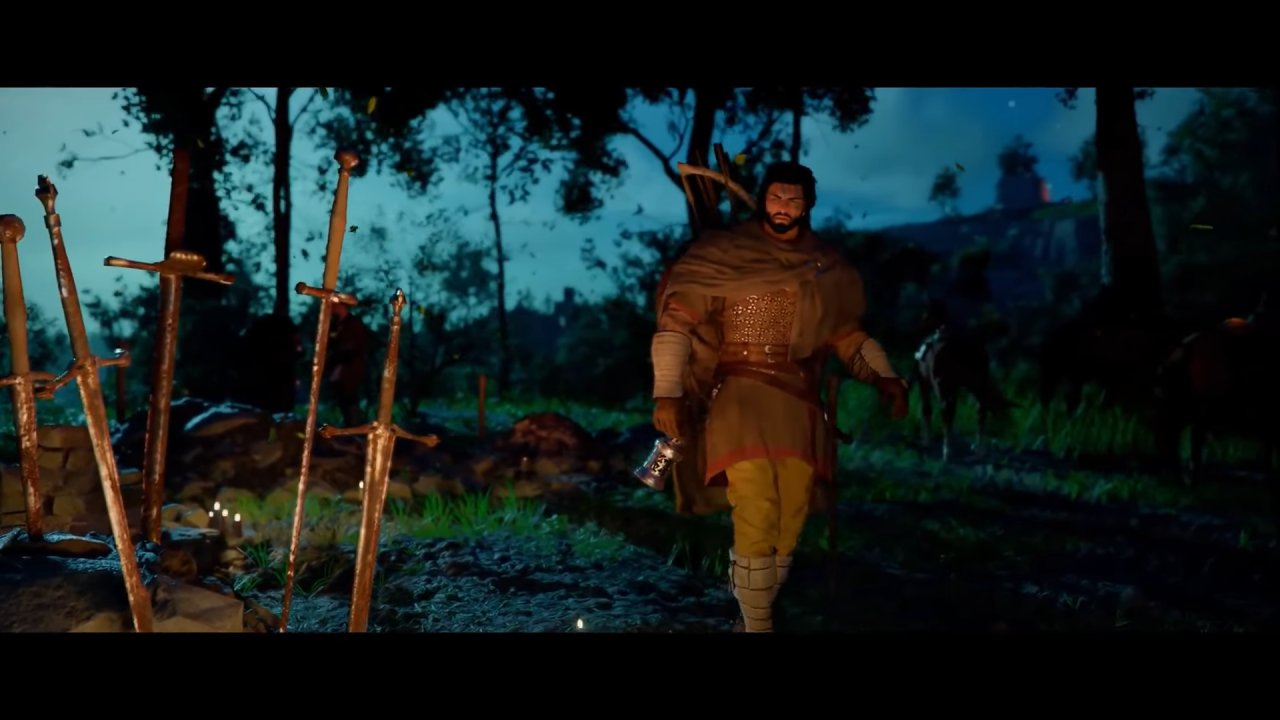
The first thing that comes to mind is hunger.
The map of Crimson Desert is the size of a continent, and the game's features are complex. Characters can charge on horseback, groups can spread out, and the game wants to make almost every sideroad its own system. That goal is great because it doesn't come across as cynical, and it's clear that the author loves what they're doing because the world keeps hiding another activity, minigame, material loop, or interesting thing behind a ridge or a broken outpost.
But too much emotion can hurt the design, and the first few hours show that by hiding their best features behind slow onboarding, systems that aren't fully explained, and a main path that takes too long to be worth your time. The story gives Kliff a good reason to go through Pywel, but it doesn't really find the dramatic accuracy that his journey needs to feel truly important.
There are a lot of scenes that don't make sense emotionally, reasons that don't get clearer, and a script that relies on broad archetypes, lore drops, and plot fragments that sound important but barely make sense. There are hints of payback, loyalty, political unrest, supernatural imbalance, and broken brotherhood, but the game too often presents these ideas as separate duties instead of a clear dramatic arc.
For a project that has so much faith in its production, the story typically feels like scaffolding, which is useful for getting you from one game to the next, but too weak to stand on its own as a world. That flaw is especially annoying because the side character stuff often shows that the main game is better than it seems. The Greymanes are more interesting when the author lets them be smaller, funnier, and more human.
The more realistic interactions between the characters do more to make you care about them than the larger mythic thread ever does. The cast is given depth through camp banter, small requests, affectionate mockery, and day-to-day survival details. These add to the characters' personalities and make them more than just recognized types.
It's clear that there is a difference: the game shows that it can write with tenderness and rhythm, but then it goes back to a main campaign that talks in big steps and lacks emotional substance at any point. Crimson Desert works like a maximalist menu.
You can mine, cut wood, fish, cook, trade, improve camp facilities, decorate housing, race horses and tame mounts, gamble, carry goods, gather resources, chase bounties, solve puzzles, keep track of faction progress, and venture within a world that is always adding new ways to interact with it. Even a small job can make you feel like the world is reacting, unfolding, or at least ready for fifteen more minutes of experimentation.
That design keeps people interested.
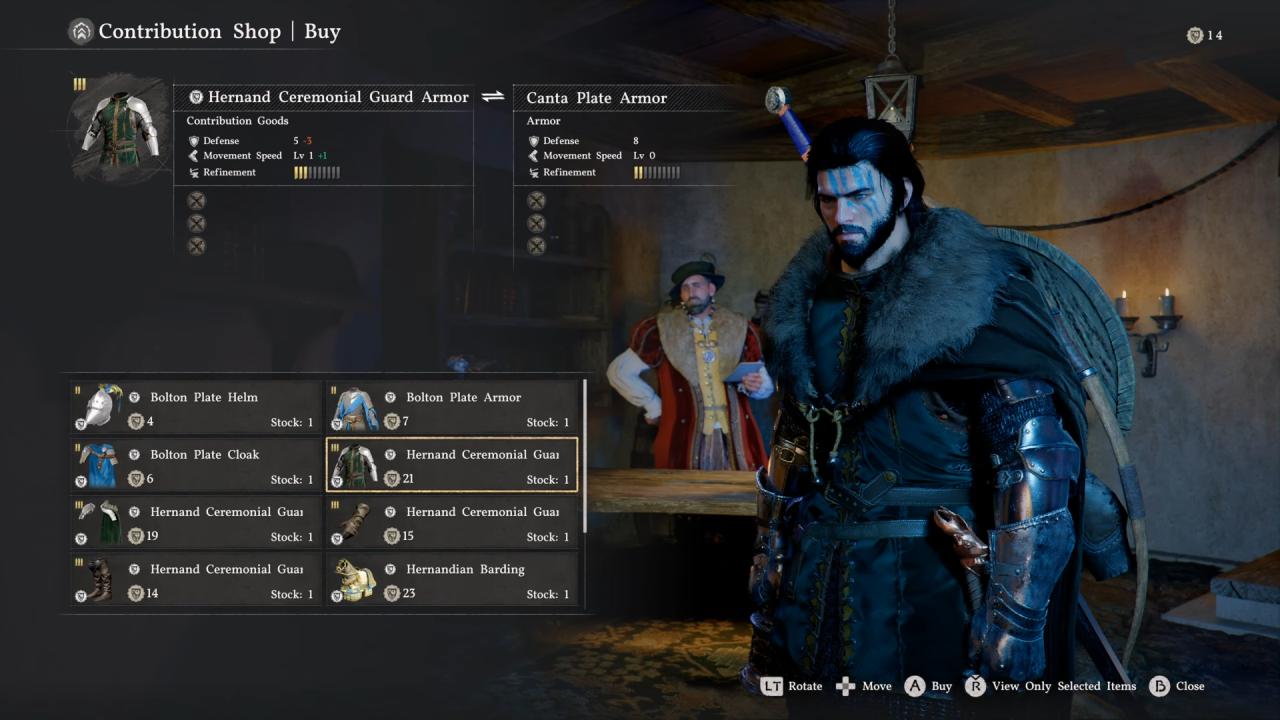
The issue is that not all of the game's mechanics feel fully developed, and the game too often thinks that just because a system exists, it gets your time, attention, and patience. The pros and cons of this design theory can be seen in resource management and progression loops. Collecting materials is important because they are used for upgrading gear, making food, healing, creating, and just staying alive. This makes ordinary tasks have real consequences.
On the other hand, yields can feel low, inventories can get too full way too quickly and not having enough storage space can turn normal planning into a minor logistical headache that follows you around. Because of this, the world frequently feels like it has a lot of possibilities but not enough mercy, as if every action that feels good needs an extra layer of management to keep the idea of depth.
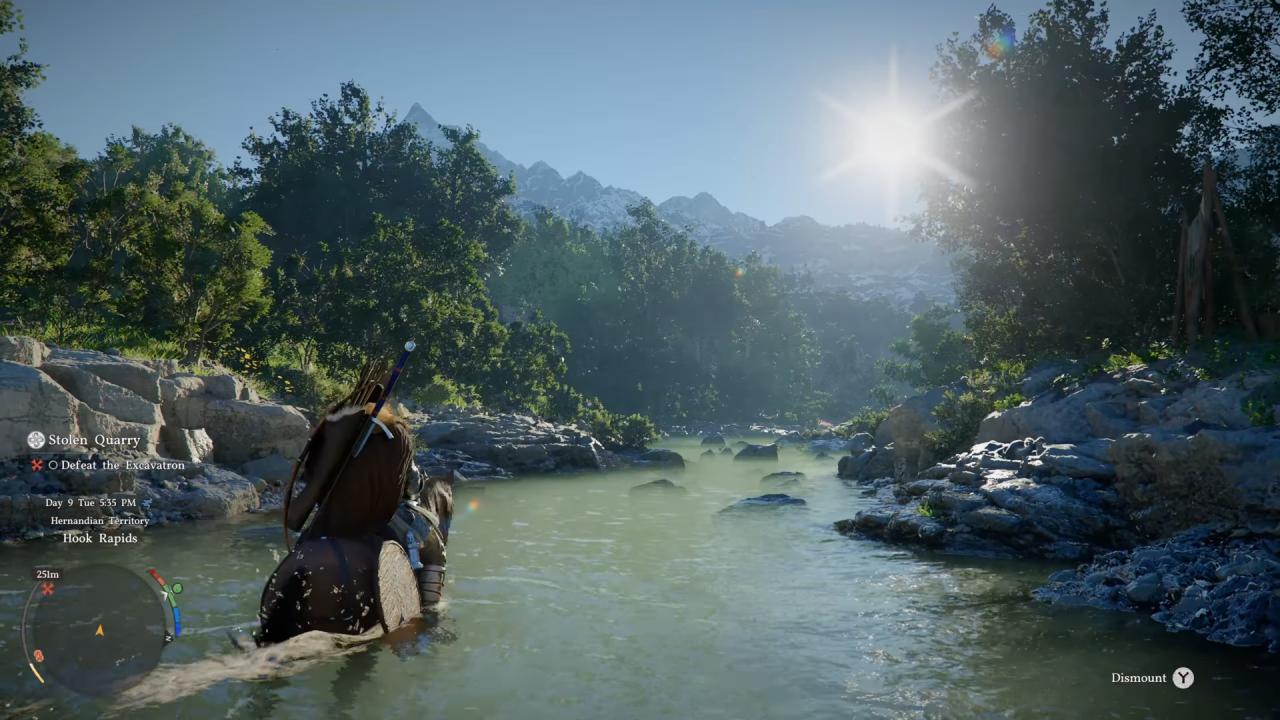
Movement through Pywel is also split between thrilling and irritating. A lot of the time, it's beautiful to explore. There are high cliffs, thick forests with lots of light and shade, hot deserts, rivers that cut through valleys, and views that are so big they make most open worlds look small.
It can feel like the most freeing thing in the game to climb, ride, glide, and move across this land, especially when there are no task markers to guide you, and they are just following their eyes to something strange on the horizon. However, quick trip placement, unclear unlock conditions and puzzle-gated ease frequently turn simple travel into busywork.
Adding friction that seems as if it was added to make the game last longer, instead of making it more enjoyable. Crimson Desert stops arguing about how good it is and starts proving it in battle. Light chains, heavy strikes, parries, grapples, aerial transitions, force-based abilities, long interruptions, and stylish follow-ups are just some of the moves that Kliff adds to his move list over time.
Every day fights feel like games with these moves, but they don't lose their meaning. When it hits, it feels like a high-end stroke. This kind of written response makes every successful chain feel like it was earned and every made-up attack string feel like a way to say something. This energy works best in normal fights because the game gives you enough enemies, tools, and different environments to make trying new things fun in and of itself.
It seems like the more you look into the system, the more desire you have to use violence. Some of the things that add to the language are unarmed attacks, crowd control, horse fighting, magical pressure tools, and equipment modifiers.
Gaining new skills is a great way to spice up fights and keep them from becoming dull button mazes.
Because they don't just increase numbers, abyss-infused upgrades and gear-linked effects are very smart. They also change how hits work, how dodges hurt, and how builds can change based on style as well as efficiency. At these times, Crimson Desert seems like a game that knows how to make money off of mechanical dreams by giving you not only power, as well as personality in how that power is used.
When bosses take the lead, trouble starts. What works in open battles doesn't always work in confined arenas. This is because the camera moves around a lot, the dodge input isn't always accurate, the recovery frames are hard, and the phases are designed to be aggressive. As a result, many big fights become endurance tests where learning how to use stockpiles is more important than learning how to use tactics correctly.
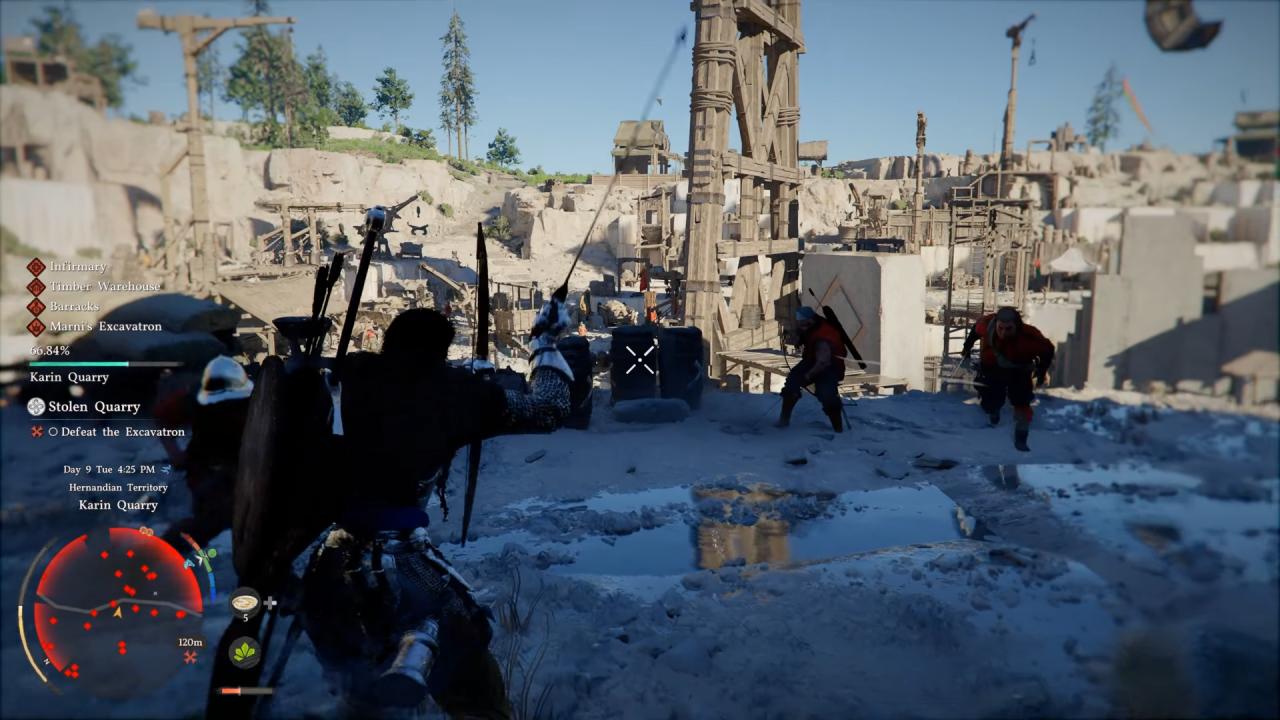
There are some bosses that look amazing and are almost perfect, but too many of them are balanced around punishing damage, being hard to read, or being repetitive in a way that kills momentum. This is especially true when repeated tries force you to go through annoying cutscenes that you can't or barely skip. These fights don't usually make the fighting system better; instead, they bring out its worst habits, causing friction that feels random instead of thrillingly exacting.
Crimson Desert is built around grind-shaped growth, but the way you progress invariably follows a simple standard RPG pattern. Artifacts, observation, story progress, and character growth all lead to the unlocking of new skills. Upgrading gear, increasing stamina, life scaling, food preparation, and stat support all affect how confident you are in your ability to survive later fights.
That means that time spent gathering ore, hunting, making healing food, improving armor, or doing other side tasks has direct battle value, even if those tasks appear like pointless world filler at first. What this means for gameplay is huge, because the adventure stops being about how well you understand a boss and starts being about whether you've prepared enough to survive the punishment it wants to give you.
There is also a problem with the way the game tracks progress. Some main quests are really just covert stat checks that get you to do a lot of side content, material farming, and building up infrastructure before you can get back to the key path.
In theory, that can lead to a rewarding long-term investment, but in practice, it often kills the story's urgency by making you miss a key moment to spend another quarter hour cutting wood, cooking healing items, or putting together upgrade materials. At this point, the loop causes the most disagreement because it asks viewers to respect scale while also understanding that progress may be given up over and over again for the sake of system maintenance.
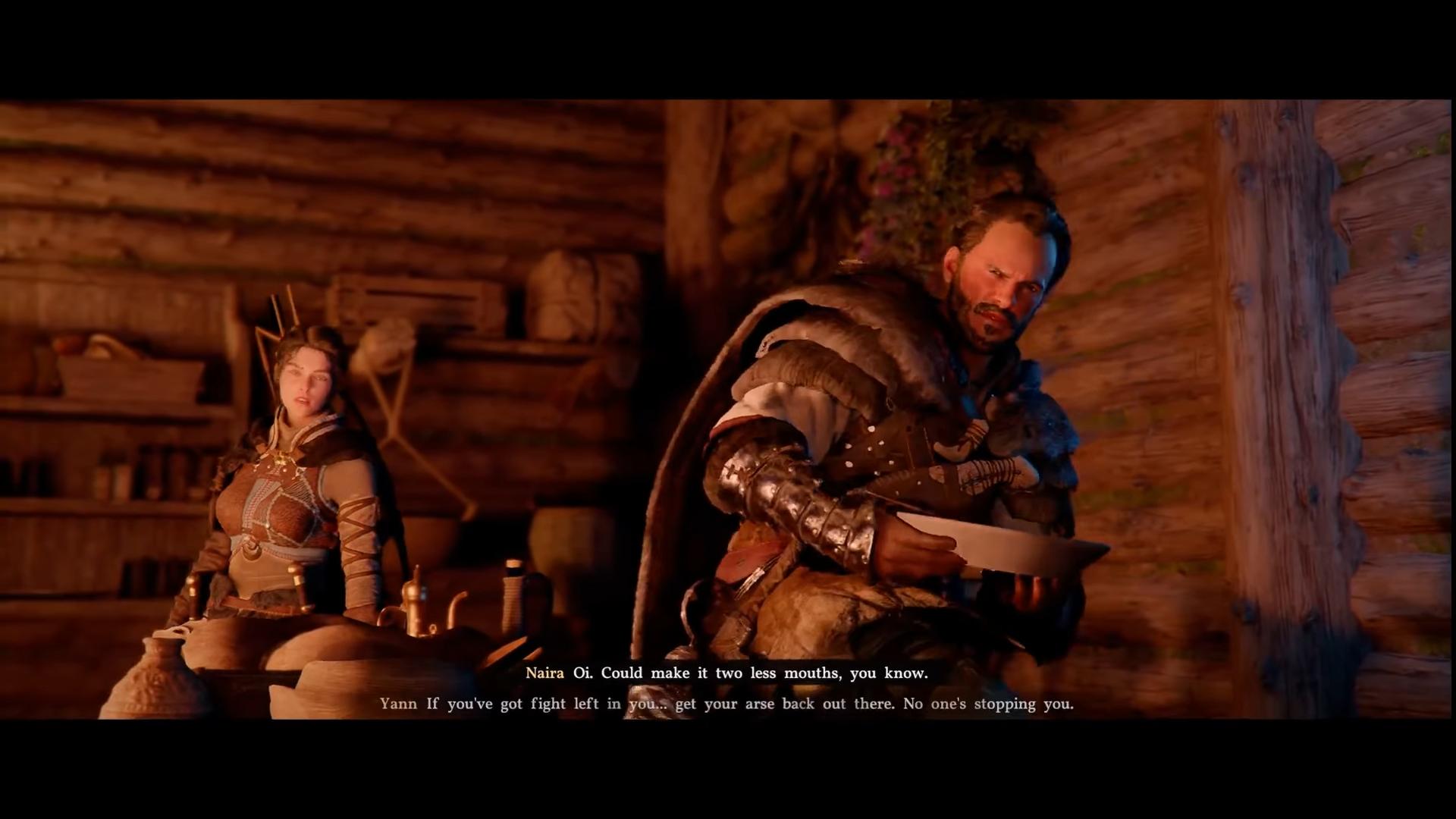
Crimson Desert is often very beautiful to look at.
Pywel has weather systems, trees that move, smooth lighting changes, and the kind of huge landscapes that make just going feel like a prize. He pays attention to detail like a painter and trusts his draw distance like a technician.
Not only is it big, but it has believable textures, and the world always finds ways to look expensive, whether it's through grasslands that are lit by the sun, roads that are darkened by rain, a bird-filled canopy, snow-capped heights, or just the confidence of its natural composition. The visual package keeps making the case that this is one of the most captivating dream sandboxes in recent memory, even when the design fails in other areas.
There are some things that come with that praise, but not failure. Some rooms have bad lighting changes, character models can look a little fake, object blur can be distracting in darker scenes, and pop-in or texture roughness can break the illusion if you look at fine details for too long.
Still, those flaws seem more like clear trade-offs than major problems, especially since the PC version of the game runs surprisingly smoothly for its size and system density. This release stands out because it looks fancy without constantly falling apart under pressure. This year has been full of technically ambitious releases that fail miserably.
One more great thing about the game is that it sounds great. The sound effects make the world seem real instead of like a model. As the music plays, the view gets better, the storm gets worse, and the emotional tensions of battle rise. Background noise adds a soft texture to woods, camps, towns, and roads, making them less empty when it's quiet.
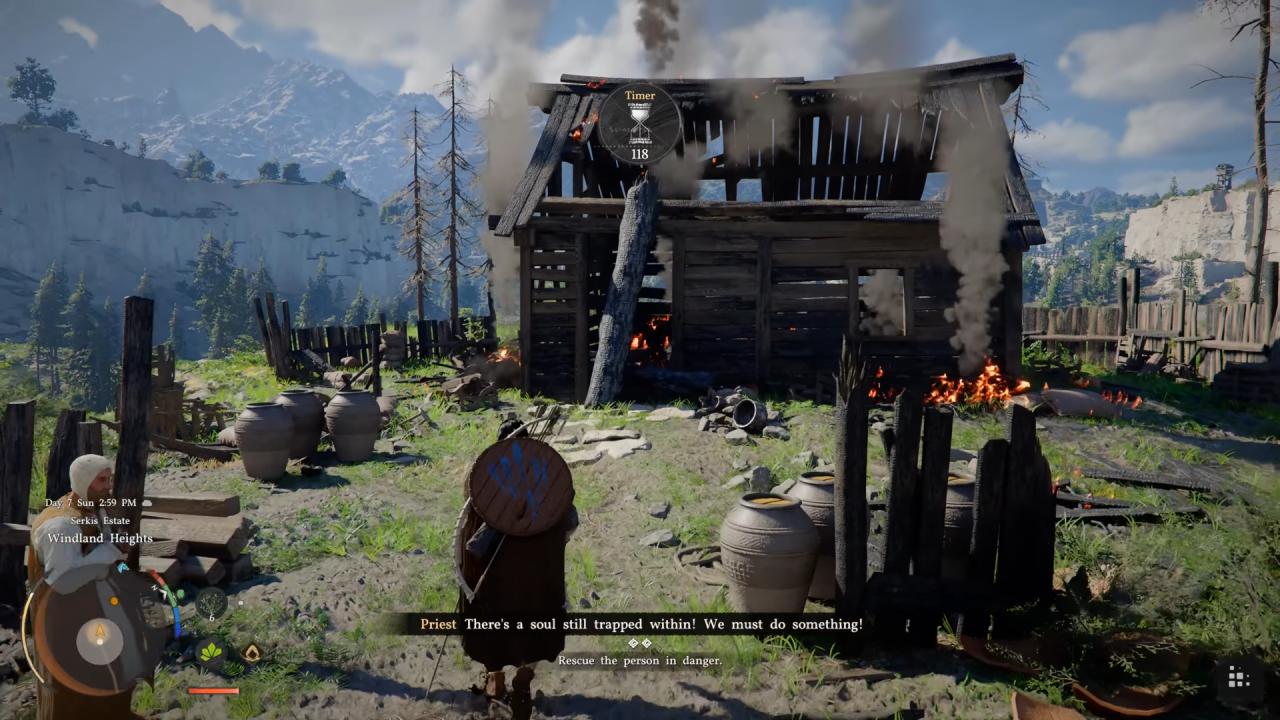
Also, the voice acting is better than you thought it would be. Accents from different parts of the country, committed line delivery, and an overall confident cast give Pywel a personality that the writing doesn't always give him. People in the game often keep their cool during long talk scenes. This gives character beats a level of realism that the story structure has a hard time keeping up with.
Still, sound alone can't save the flow.
Poorly edited pauses in some conversations, too many cutscenes, and story scenes that happen too often without adding enough to the story can make you dislike even well-done dialogue because it feels like it's stuck in a sluggish progression pace. That's not a complaint about the actors or the music; it's a complaint about the person who made the movie. You are asked to stop, listen, and care too often, before the scene's design has earned that pause.
Some skill is shown in the work, but the setting isn't always right for it to shine. Crimson Desert is one of the most interestingly different games one would have played in a long time. There are times when it's grand without always being graceful, kind without always being thoughtful, and so full that respect and tiredness start to go together. The game sometimes feels like an exciting next step for fantasy action games.
You can have fun fighting, look at beautiful world art, and try new things without any limits. You can even get dirty. There are also long periods of time when it's cluttered interfaces, time-wasting structure, confusing stories, and harsh preparation loops make that same goal feel like a responsibility instead of a gift. The most obvious conclusion is that Crimson Desert works best when it stops trying to be everything and lets its greatest parts breathe.
The world is beautiful, the action is intense, the actors give strong performances, and the technical side is better than most doubters probably thought it would be. But the game also mixes up amount and texture, making you deal with boring tasks that need to be done over and over, goals that aren't clear, inventory problems that are a pain to deal with, and boss fights that aren't fair and end up wasting more of your time than you earn.
It's neither a success nor a failure; it's a huge, chaotic, and sometimes brilliant work whose best parts are interesting enough to keep you interested long after its flaws should have turned you off.
Senior Editor, NoobFeed
Verdict
A visually stunning, mechanically overstuffed fantasy epic with thrilling combat and remarkable technical poise, but weak storytelling, abrasive pacing, and bloated progression keep it from true greatness.
55
Related News
No Data.