
Eriksholm: The Stolen Dream Review
PC
A visually striking and narratively driven stealth puzzle game that shines despite its rigid design.
Reviewed by Azfar Rayan on Jul 15, 2025
River End Games, a Gothenburg-based studio that works under the Amplifier Game Invest umbrella, releases Eriksholm: The Stolen Dream as its first project. The game aims high for its debut, providing a meticulously crafted stealth puzzle experience with a strong narrative and a distinct artistic personality.
Many people thought the game would play like Commandos, Desperados, or perhaps Shadow Tactics based on early gameplay videos and its multi-character stealth style, but it takes a far different approach. River End's goal was immediately apparent: to create a work with a strong sense of cinematic style, poignant narrative, and well-executed mechanics, all set in a distinctively Scandinavian environment.
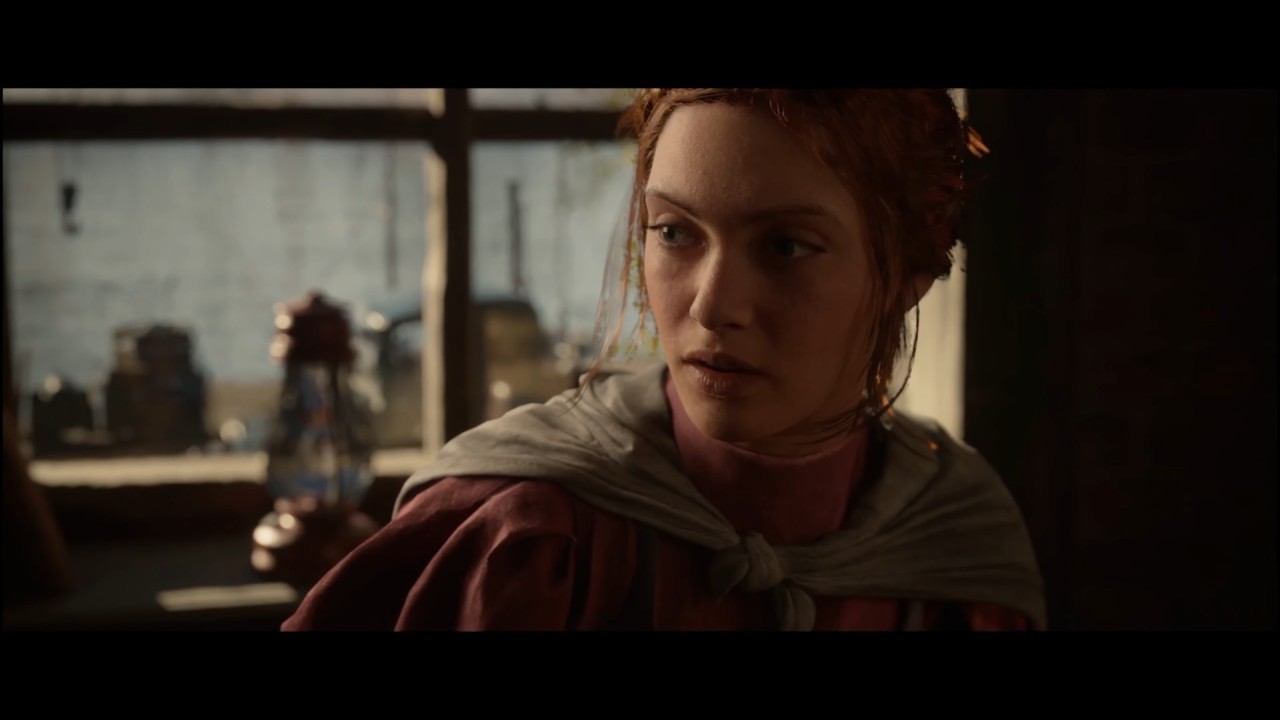
Eriksholm establishes a more rigid, puzzle-focused gameplay style in place of a sandbox. Its framework is more in line with games like Hitman Go, providing a linear and strictly regulated experience. Although Eriksholm appears to be an open-ended stealth game, it never really gives you the latitude to try new things. However, because of its captivating ambiance, intense narrative focus, and superb visual presentation, it still manages to fascinate.
The fairly simple story of Eriksholm: The Stolen Dream is full of issues of oppression, resistance, and family. The game is set in a fictional island city-state that gives a pseudo-19th-century Swedish feel to an industrial society riddled with class divisions, unrest, and surveillance.
You follow Hannah, a young orphan from Dickens who has just recovered from heartpox, a fatal sickness. Herman, her older brother, put in a lot of overtime at the bay to help them save money and move out of their house in the destitute Cutters Hill neighborhood while she was ill.
Herman, however, vanishes one night for unknown reasons. Soon, the cops arrive to question Hannah rather than to assist. She runs away because she has few other options, starting a frantic quest to learn the truth about her brother's abrupt disappearance and the greater mystery surrounding him.
Eriksholm: The Stolen Dream's story gets off to a great start. Character development and atmosphere are especially abundant in the first few chapters. Hannah's connection to her neighborhood, her past involvement in a gang as a youngster, her knowledge of the city's twisting alleys and rooftops, and her natural affinity for the locals all contribute significantly.
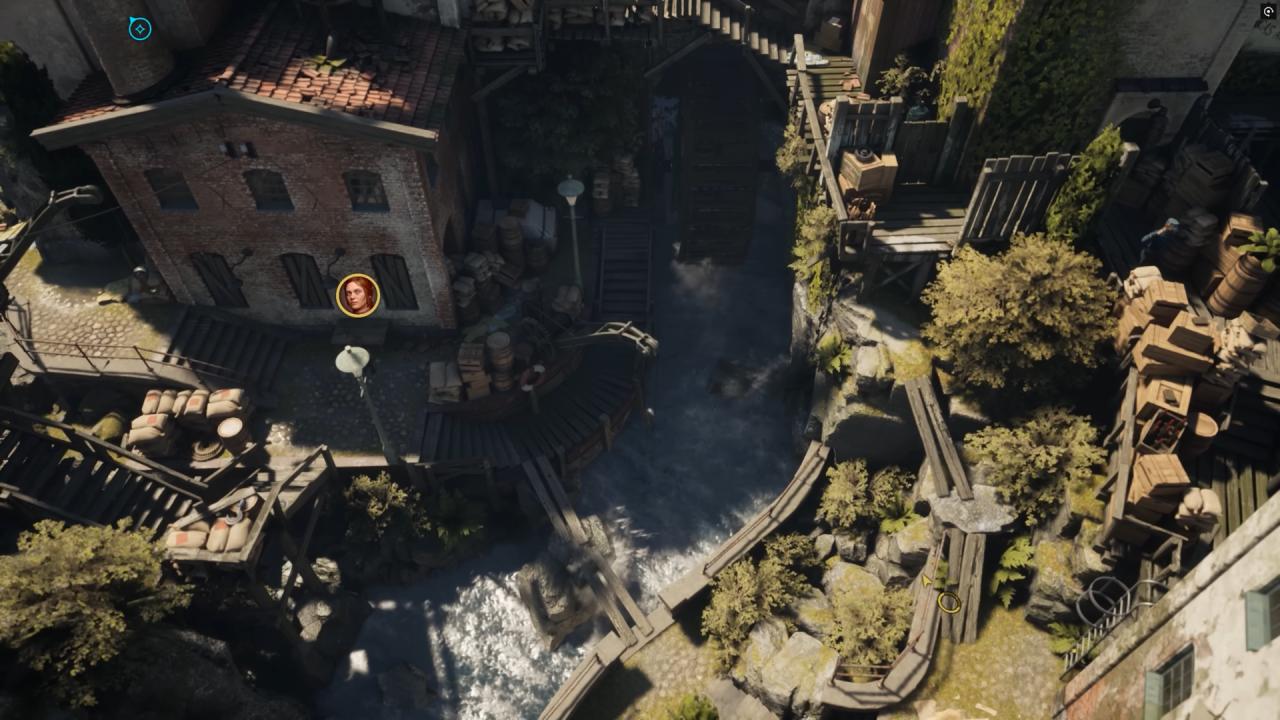
The world is made more authentic by this grounded viewpoint. Sneaking through the city allows you to observe the people's subtly strong unity firsthand. Instead of pointing fingers or interfering, the locals covertly assist Hannah's escape by remaining silent.
The police, on the other hand, are presented as an alien and oppressive power that upsets the delicate rhythm of Cutters Hill's life. This harmony between conflict and community is expressed through gameplay and cutscenes, as well as through ambient speech and environmental details.
But as the story goes on, the emphasis starts to change. Alva and Sebastian are two more playable characters whom Hannah eventually meets and teams up with. The tone of the story changes with their introductions. A more conventional story structure with a mustache-twirling villain and personal grudges replaces the localized conflict between community and authoritarian power.
The initial tension, which is based on social friction, gradually gives way to more general and simplistic drama. The following chapters don't always have the same nuance and richness as the game's opening, even though they still have emotionally charged moments and suitably elevate the stakes. This trade-off leads to somewhat less narrative intrigue but more intricate gaming scenes.
Eriksholm: The Stolen Dream is primarily organized as a stealth puzzle game, with eight main chapters that are further subdivided into checkpoints. The progression of the game is based on these chapters. Through carefully planned arenas with patrolling guards, environmental dangers, and a range of interactive objects, you lead Hannah and her companions.
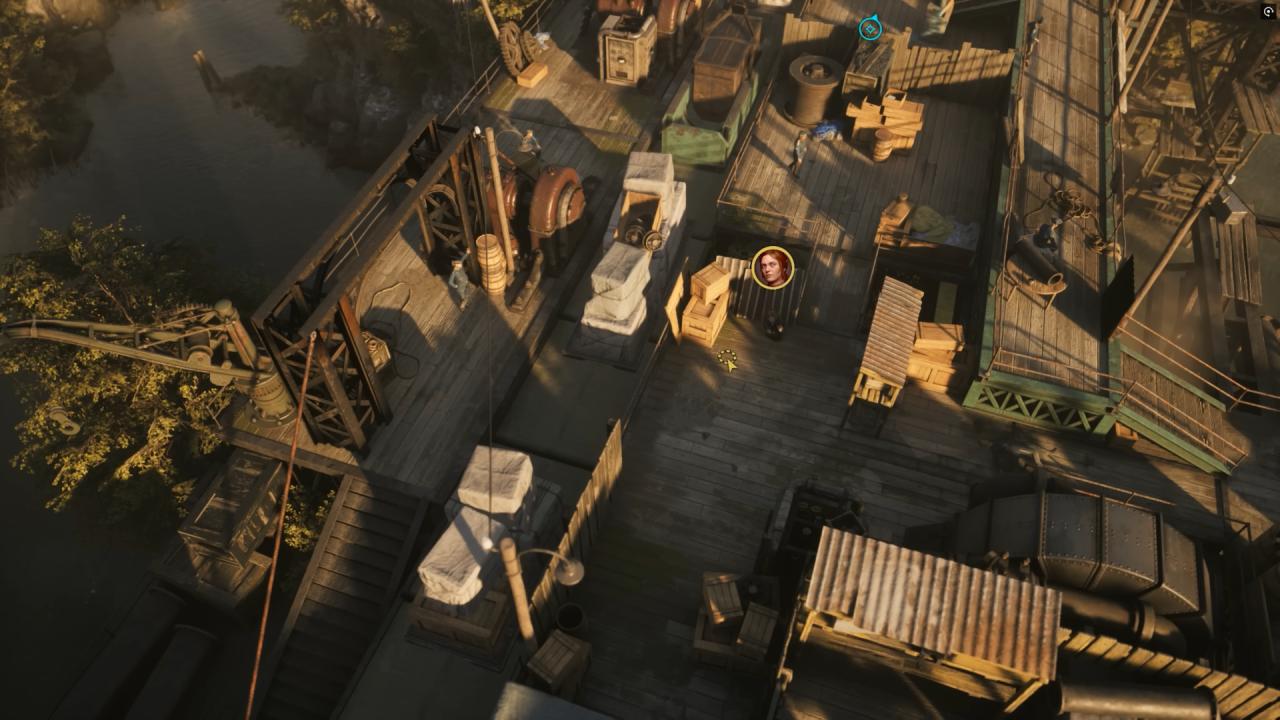
In principle, a level comprises a prefab puzzle whose elements need to be assembled with the right timing and character skills. Every encounter in the game intends to have a single solution, hence the name: puzzle box. This ensures rhythm and balance in the design, but limits options so players will hardly experiment with new ideas or different tactics.
The game begins with Hannah alone. She uses a blowpipe that can shoot sleep darts, crawls through vents, and hides in shadows as part of her toolset. She can stealthily eliminate adversaries from hiding with these darts, but they have limitations; you usually only get one or two per level. Alva joins the crew as the game goes on.
She adds new skills to the table, such as utilizing a slingshot to disrupt light sources, divert guards, or engage with noisy environmental elements like bird nests. She is also nimble enough to use drainpipes to scale vertical surfaces. The brutal force element is introduced by Sebastian, who shows up later. In circumstances where the others would be powerless, he can help you by swimming, moving big things, and choking out guards from behind.
Later missions require all three characters to work together. Success frequently depends on how well they time their moves. For example, you would have to use Alva to turn off the lights, then Hannah to slip through the darkness and shoot a sleep dart. Sebastian would then have to knock out a second guard before the alarm is sounded.
Eriksholm: The Stolen Dream's stealth mechanics are based on well-planned patrol routes and response mechanisms. Guards will react to movement, sound, broken light sources, and line-of-sight triggers. To stay hidden, you must employ environmental manipulation, shadows, and distraction techniques.
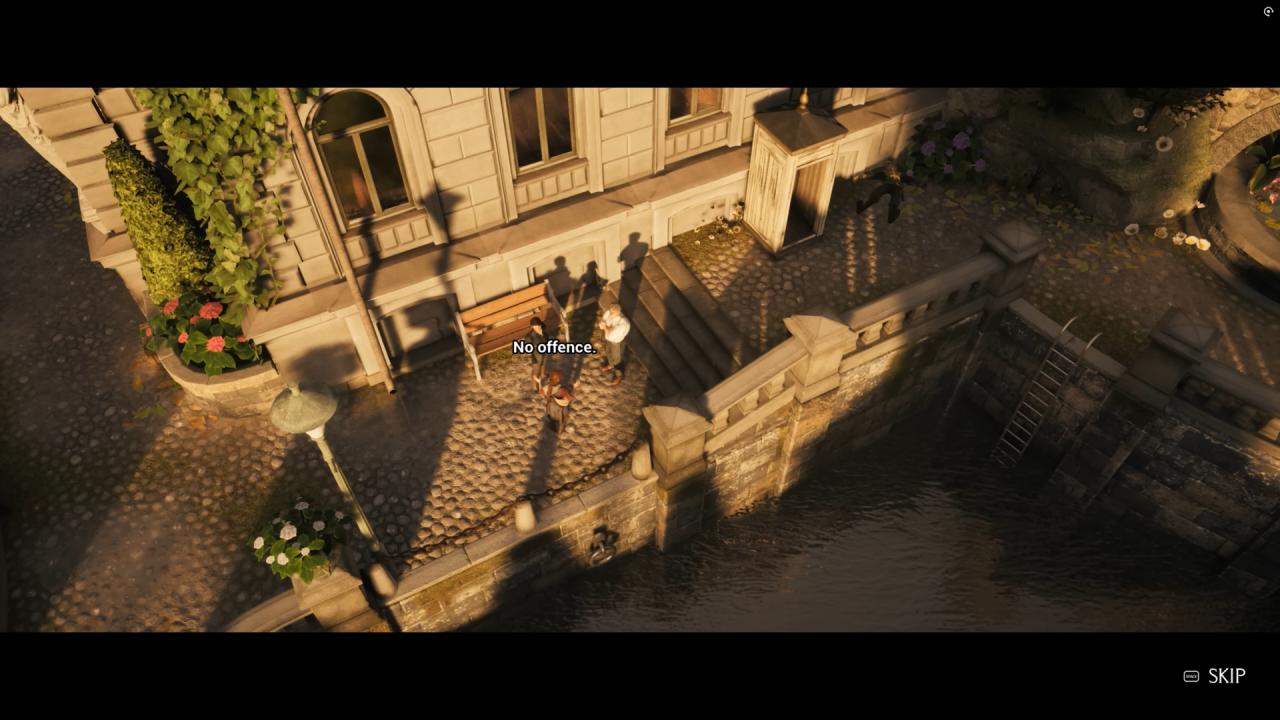
Later stages get much more complex, but the early stages introduce you to the mechanics. The game's lack of adaptability, however, is its greatest drawback. There is usually just one workable answer to a puzzle. A fail state is likely to occur if you try to stray from the intended course, even if your strategy makes sense.
Guards have limited space for error due to their vision cones and narrow patrol loops. It can feel particularly unfair when detection happens in the middle of an animation or while you're performing an apparently right maneuver, because getting spotted results in an instant game over and a checkpoint reset. This design decision sacrifices creative agency while reinforcing the game's puzzle element.
Eriksholm: The Stolen Dream lacks skill trees, XP systems, and RPG aspects, in contrast to many contemporary games. Customization, leveling, and grinding are not available. Rather, your sense of development is narratively based, developing when new tools and characters are added at certain moments in the narrative.
Eriksholm: The Stolen Dream is a victory in terms of appearance. The game builds the world magnificently atmospheric and detailed using Unreal Engine 5. Every environment, be it Apple Gardens with the glistening affluence on display or Cutters Hill with a gritty backdrop, has been painstakingly designed. Now, lighting is important technically and aesthetically.
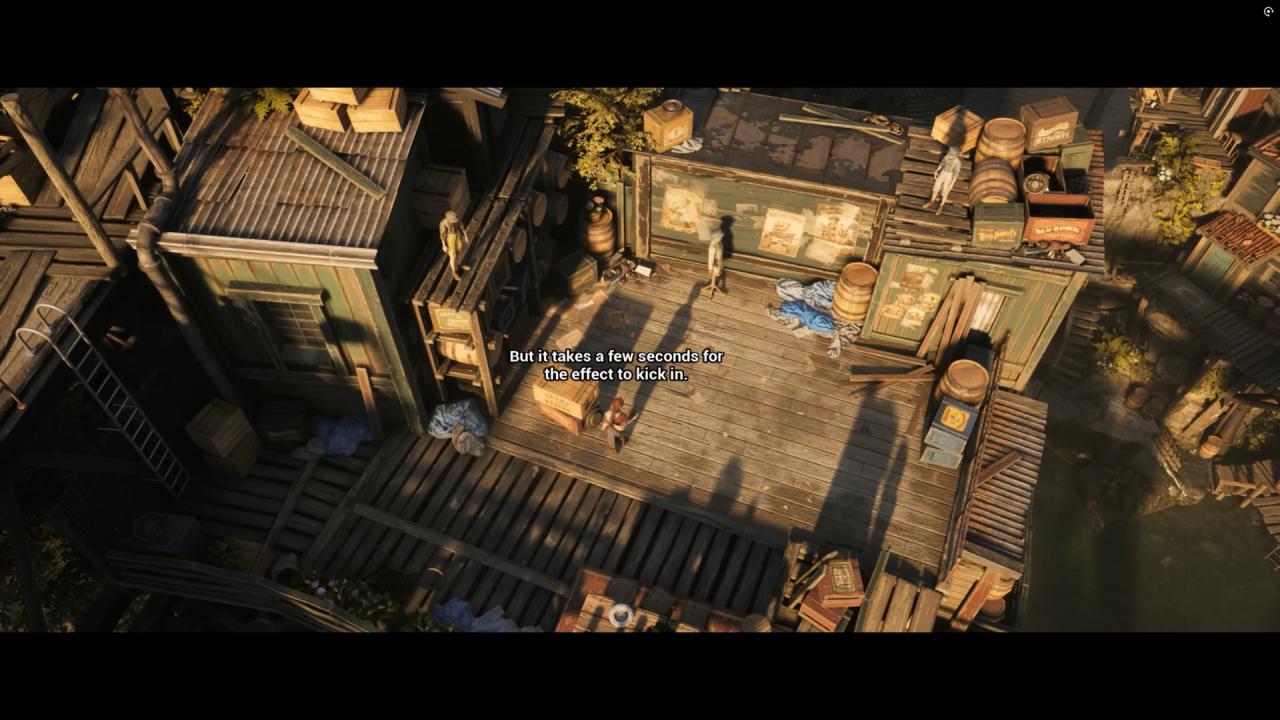
Not only can shadows serve as hiding places, but they also define characters and influence the tone of each scene. The character animations are equally amazing for the main actors and guards. Even the most basic encounters are made livelier by subtle body language and facial emotions. A bird fluttering away from a rooftop or a guard uneasily looking over their shoulder are examples of small details that add to a rich and vivid feeling of location.
Nevertheless, there are several graphic oddities in the game. Characters may occasionally move awkwardly, running sideways or briefly cutting into the background. In an otherwise well-done presentation, these instances stand out even if they are uncommon and never break the game.
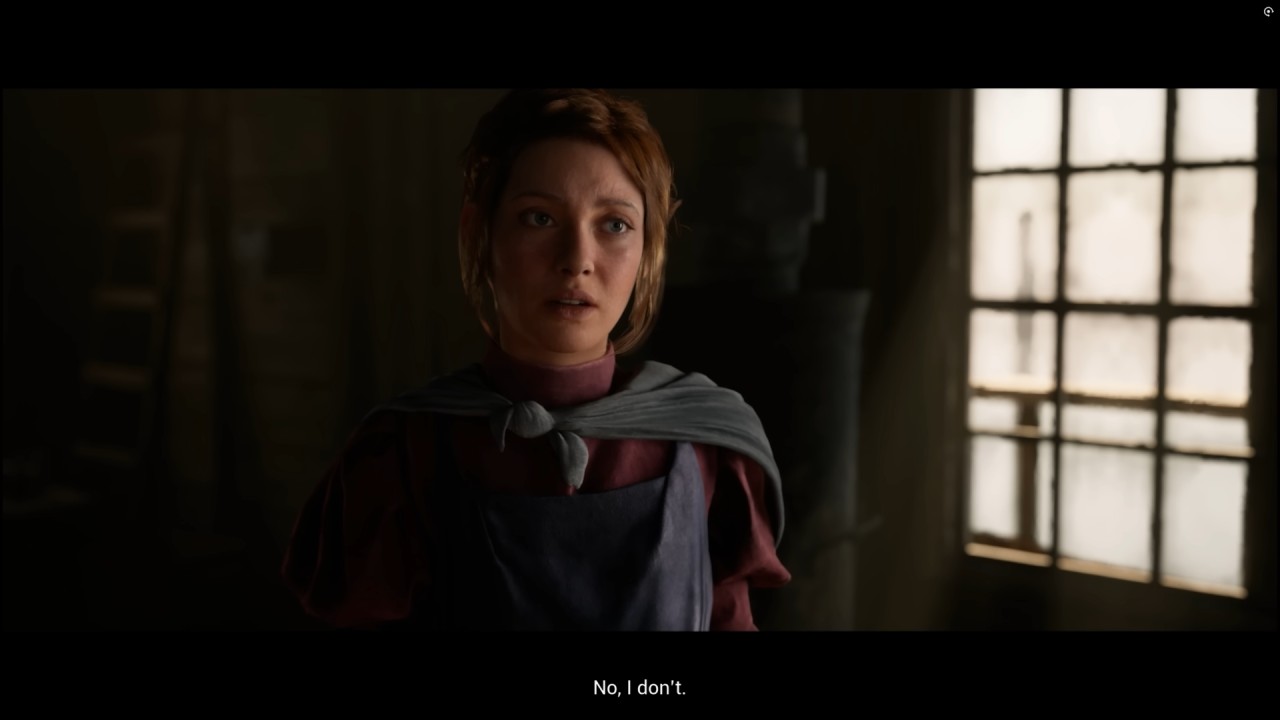
Eriksholm: The Stolen Dream's sound design is yet another noteworthy aspect. Particularly for the main trio, the voice acting is realistic and passionate. Even supporting characters are given enough attention to appear genuine, and emotional beats are presented with subtlety.
Ambient details abound in the soundtrack, such as rustling fabric, distant conversations, creaking wood, and clinking tools, all of which serve to bring the experience closer to realism. The use of music is successful despite its sparsity. It never overpowers the image but constantly heightens the mood, swelling at tense moments and fading into silence during exploration.
Eriksholm: The Stolen Dream may not be the unrestricted stealth adventure that some had anticipated, but its accuracy more than makes up for its lack of flexibility. The opening few chapters of this well-constructed, narratively focused experience are its strongest points.
The game works great technically. It doesn't have any significant issues or crashes and operates nicely on PC. The user interface is simple to use, and load times are low. It also functions well on the Steam Deck; however, complex commands may be a little more challenging to provide due to the control system.
Eriksholm: The Stolen Dream is a rather brief excursion, lasting less than ten hours in total. Nevertheless, its intricate narrative, sophisticated visual style, and suspenseful moments make it perfect for a concentrated weekend playthrough. The $40 price tag might disappoint some gamers, as most are unlikely to return to it more than once because of its limited replayability, linear advancement, and lack of different answers. However, this game provides a very satisfying experience for anyone who wants a high level of immersion, suspense, and strategy.
Senior Editor, NoobFeed
Verdict
Eriksholm: The Stolen Dream is a strong, if narrowly focused title. It doesn't revolutionize the stealth genre, but it does bring a unique voice and aesthetic to it. It could build upon this solid foundation and deliver something truly exceptional.
87
Related News
No Data.