
Fire Emblem: Fortune's Weave Review
Nintendo Switch 2
With time manipulation, deep character systems, tactical battles, and a huge cast, Fire Emblem: Fortune's Weave delivers one of the series' biggest adventures, even when its management systems start to wear you down.
Reviewed by Azfar Rayan on Sep 18, 2026
Fire Emblem: Fortune's Weave feels like the kind of game Intelligent Systems could only make after years of experimenting with the series. It draws on ideas from Fire Emblem's history while also borrowing social and management systems from games like Three Houses, plus class and combat ideas from more recent entries like Engage.
The result is an adventure that is constantly throwing another system at you, another character to meet, another activity to complete, or another battle to prepare for. The game takes place in the year 1449 in Dagda, although its story eventually stretches far beyond that period.
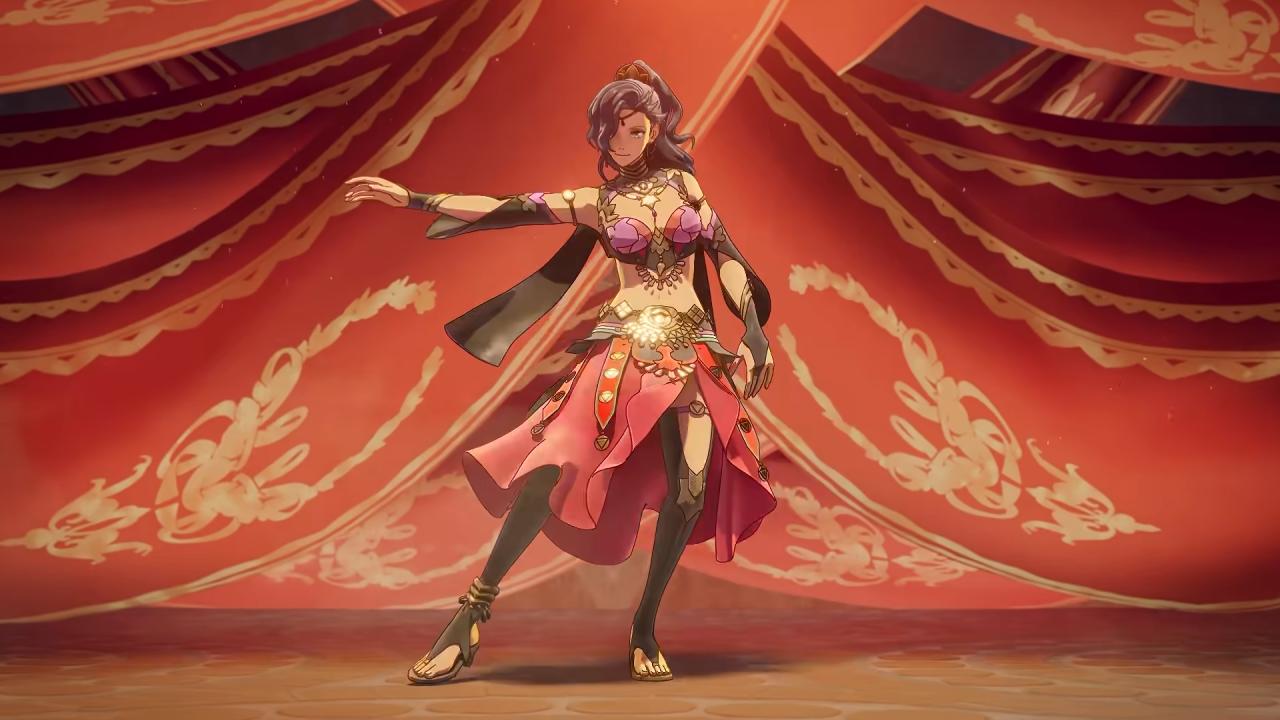
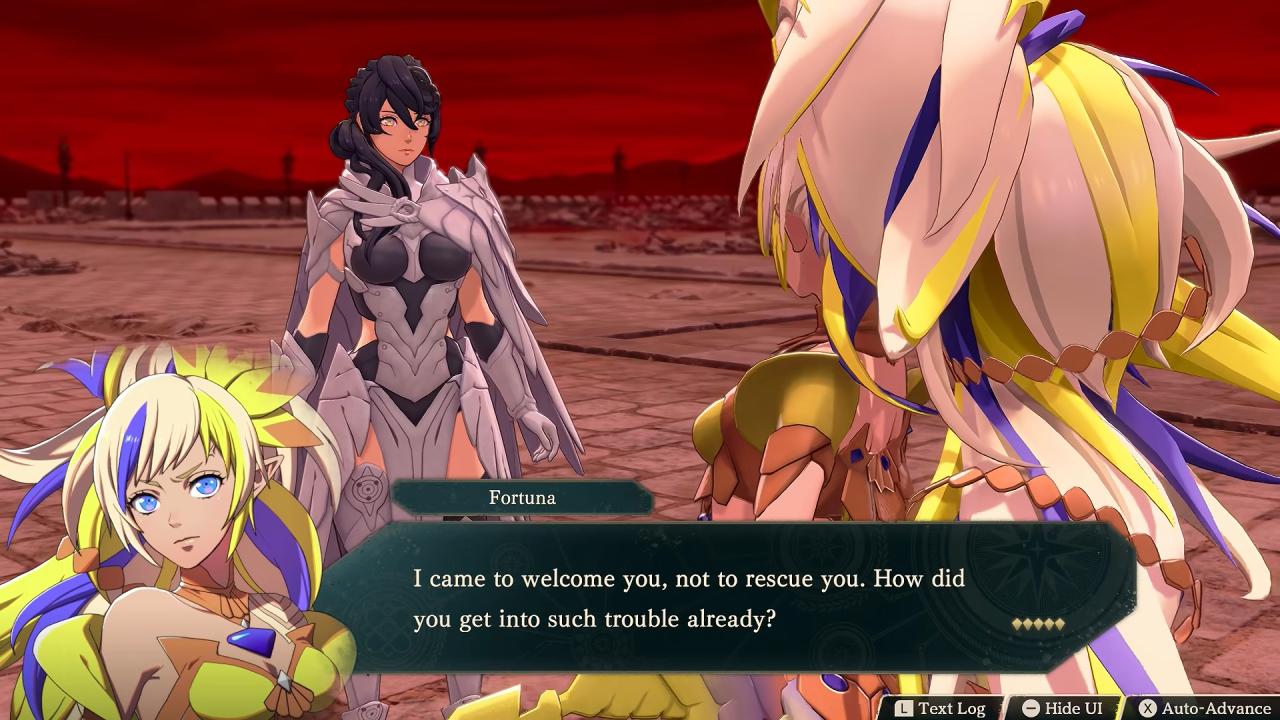
Heroic Games puts you in control of Kai and a group of heroes caught up in a conflict involving Ishmail, Fortuna, the demon lord Balor, and a strange connection between different points in time. The mixture of ancient kingdoms, fantasy, and science-fiction ideas gives Fortune's Weave a setting that can feel very different from what you normally expect from Fire Emblem.
You eventually learn that Ishmail's existence is tied to a much more futuristic period, with Fortuna sending the character through time and placing them at the center of events that affect the past. That time-travel element gives the story plenty of room to move between different ideas without being locked into one straightforward fantasy setting. It also gives the game an excuse to make its world feel much larger than a single war between kingdoms.
At the center of Fire Emblem: Fortune's Weave is the conflict between Balor and the four Flame Lords, but the story also builds around the personal reasons that bring its heroes into the fight. You have Kai, whose motivations are closely connected to his father, while Dietrich is positioned as a major rival and eventual opponent.
Theodora's story deals with historical injustice, while Lita is driven by revenge. These motivations give the larger conflict something personal to hold onto, especially when you spend so much time with these characters outside of battle.
The game is split into three acts, and rather than simply pushing you from one story mission to the next, it gives you considerable freedom in how you approach the journey. You can take on different objectives, explore areas, recruit characters, complete side activities, and spend time developing your army before advancing the main story.
That flexibility becomes one of Fire Emblem: Fortune's Weave's biggest strengths.
You aren't constantly forced through a single mission sequence. Instead, the game lets you decide how much time to spend preparing and how much to focus on the central conflict. Dungeons, random encounters, support activities, temples, and other optional content can easily pull you away from the main story for hours.
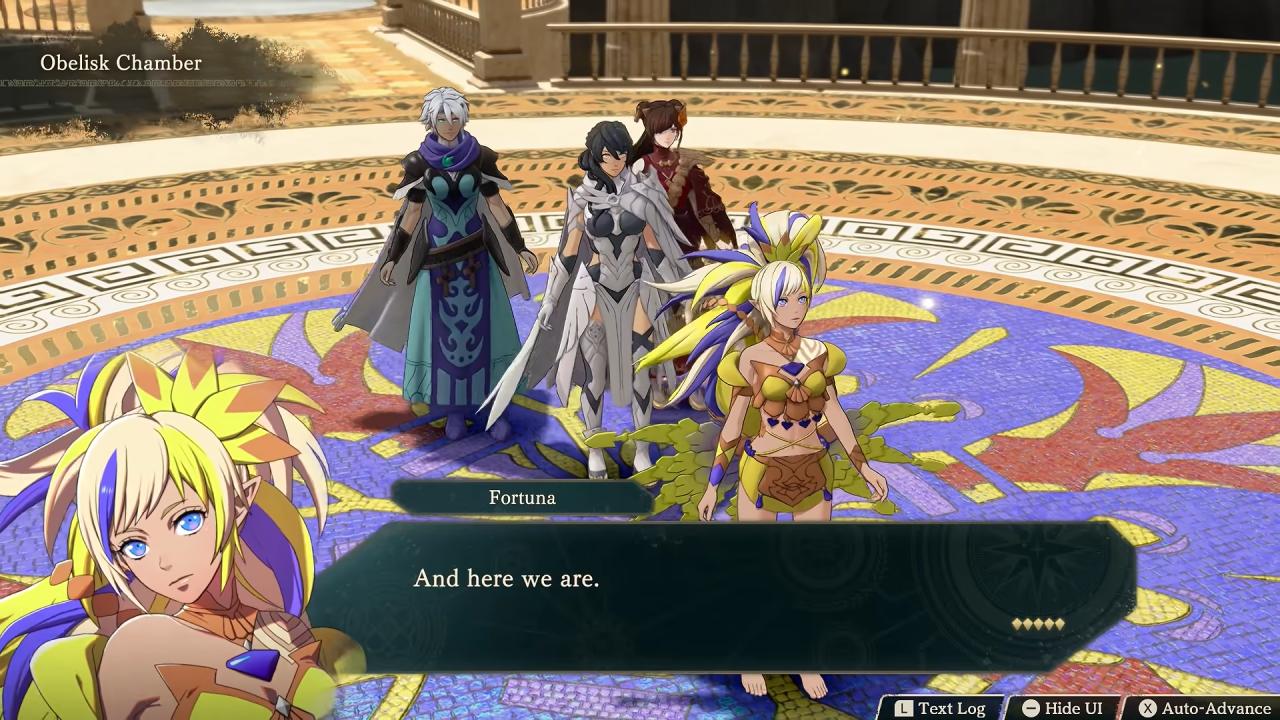
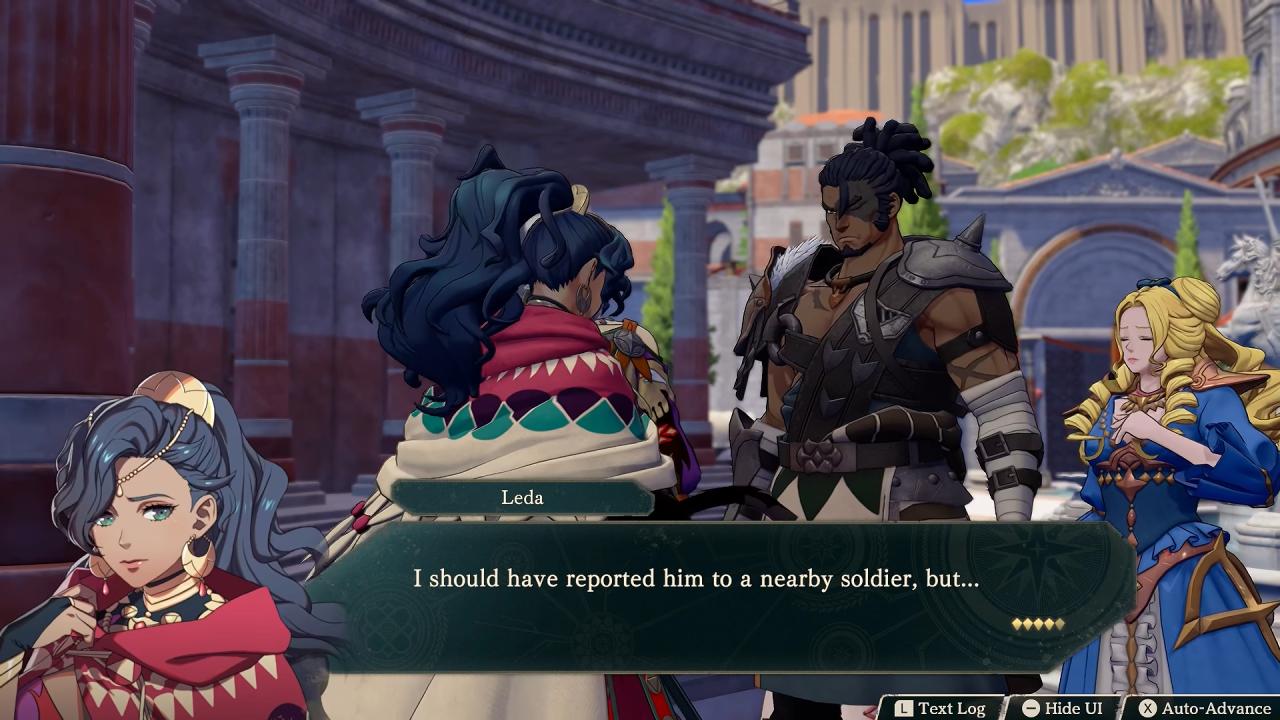
The cast is another major part of the experience. More than 80 recruitable NPCs have voice acting, and you can build relationships with them through a range of activities. Weekly gifts, support interactions, and renown all help bring people into your group. This makes recruitment feel more involved than simply walking into a location and asking somebody to join.
The problem is that Fire Emblem: Fortune's Weave sometimes gives you so much to manage that the game starts to feel like a second job. The time-management structure means every week and every day can become something you need to plan around. You are constantly deciding whether to train someone, explore, recruit a character, gather materials, improve relationships, enter a dungeon, or simply progress the story.
That system is interesting because your decisions have consequences, but after dozens of hours, the micromanagement can get tiring. The first few hours make these systems feel exciting because everything is new. Later, you may start to feel the weight of repeating similar routines.
You can even reach a point where the game feels oversaturated with activities.
There is always something else to do, and because the overall adventure can easily stretch beyond 100 hours depending on how much optional content you complete, that becomes an important consideration. An initial run can take around 80 hours, while a more completion-focused playthrough can reach 150 to 160 hours.
That huge length also creates an unusual problem. Fire Emblem: Fortune's Weave can feel like it is designed for several playthroughs, yet one playthrough is already large enough to make you feel like you have seen an enormous amount of the game. The story's flexibility and the different character routes encourage experimentation, but the sheer time commitment can make that difficult.
Most of your time outside combat is spent managing your heroes and deciding how to use it. You move around the map, collect materials, train characters, complete activities, build relationships, explore areas, and prepare for upcoming battles.
Meals and theater activities make up the game's social side, while training helps develop your characters.
You also have temples where you can receive blessings, and Fortuna's powers give you another way to manipulate events. The foresight and rewind mechanics let you correct certain mistakes and make the time-travel concept mechanical, rather than existing only as a story device.
You can also enter dungeons and take part in additional encounters. These activities give you more opportunities to develop your characters and gather resources, but they also contribute to the game's sometimes overwhelming structure.
Recruitment is tied into this system as well. You don't simply collect characters because the game tells you to. You have to spend time with them, build support, provide weekly gifts, and increase your renown. That means your army gradually becomes something you have personally built through the systems surrounding the main battles.
The game does a good job of making preparation feel meaningful. When you spend time improving a character, you can feel the difference once that character enters a difficult battle. At the same time, some menus and systems feel cluttered, and newcomers don't always get enough explanation for everything they are expected to manage. This is especially noticeable when the game starts piling several mechanics on top of each other.
Fire Emblem: Fortune's Weave has enough systems that you can understand the basics while still wondering whether you are using everything efficiently.
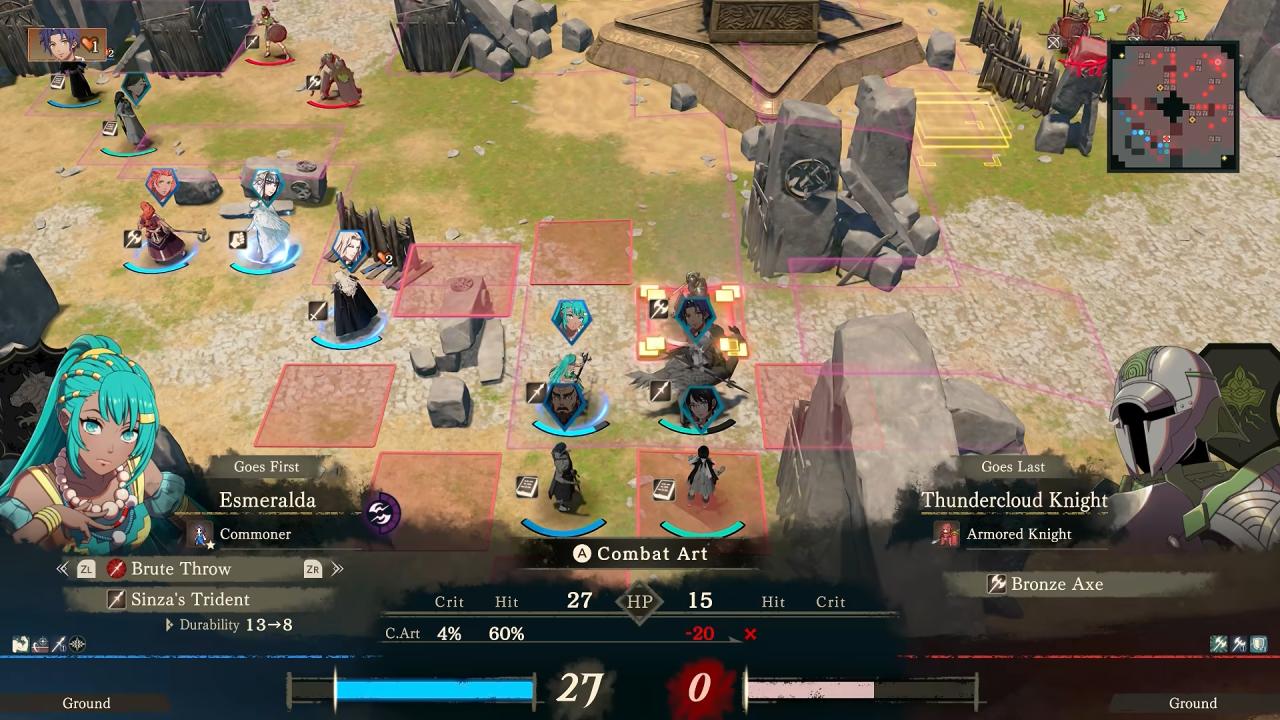
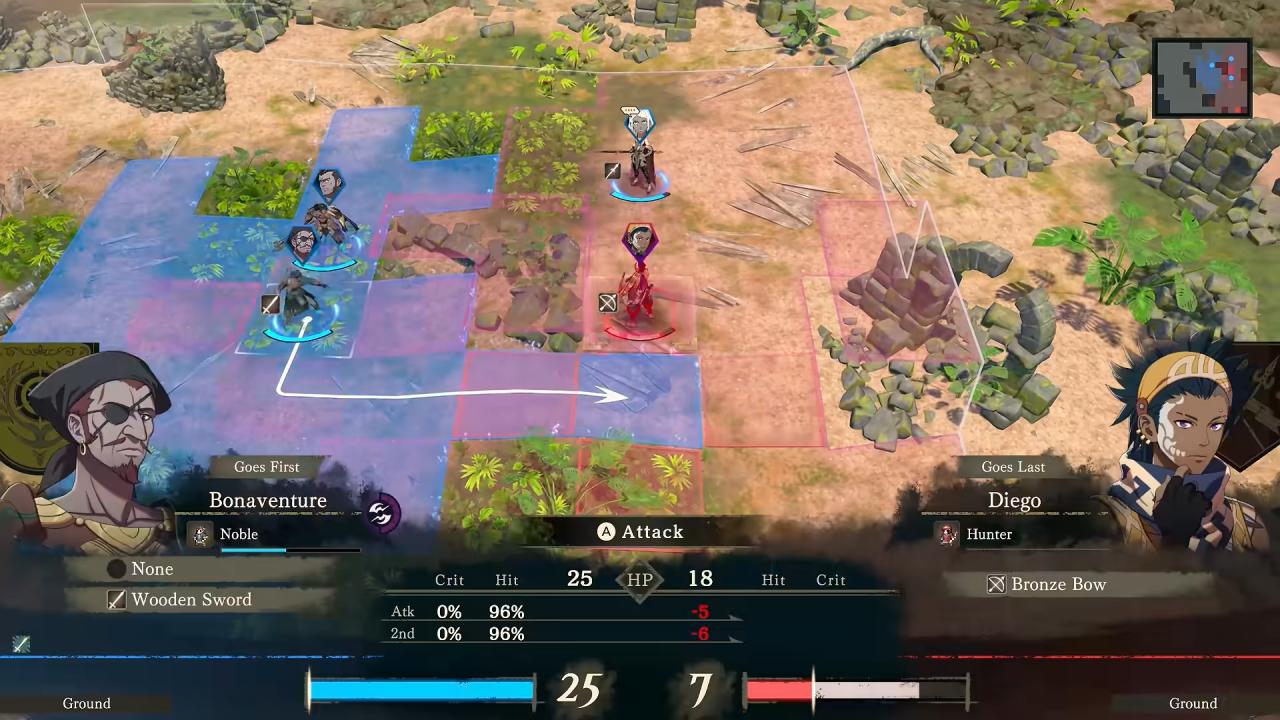
Fire Emblem: Fortune's Weave builds on classic Fire Emblem combat. You move your characters across grid-based battlefields, use positioning, manage weapon types and classes, and make thoughtful decisions about who attacks or defends. Combat Arts adds another layer.
Your characters can do normal attacks, but they also have special skills that make certain battles more tactical. Weapon durability matters, and you can't use your best equipment as if it will last forever with no consequences.
Then there are Blaze Arts, which add another layer of power to certain attacks and abilities. Blessings can further alter your preparation, while Fortuna's ability to rewind events gives you some protection against mistakes. You can experiment with a strategy, see how it plays out, and use the time-based mechanics to recover when things go wrong.
Fire Emblem: Fortune's Weave also includes Clash Battles, which work differently from the traditional grid encounters. These direct battles give you a faster, more immediate way to handle certain situations, and you can skip them in some cases if you don't want to spend time on them.
This variety helps prevent the combat from becoming completely predictable. You are not always solving the same type of tactical problem in the same way. Some battles are about positioning, others about abilities, and others about deciding which characters and equipment you want to bring into the fight.
The downside is that preparation can sometimes become more exhausting than the battles themselves.
When you have already spent a long session managing your map, training characters, improving relationships, gathering materials, and preparing equipment, another combat encounter can feel like another item on an already long checklist.
XP and character progression are tied closely to this structure. Your characters gain experience through battles and training, allowing you to strengthen their stats, abilities, classes, and equipment options. The more time you spend fighting optional encounters, the more prepared your army becomes for the story battles.
That can be satisfying because you can directly see the benefit of investing time in a weaker character. However, the game can also encourage grinding. There are just so many characters and optional activities that it takes a lot of time to get everyone up to a similar level. You might spend hours creating characters that are only useful in a small part of the overall adventure.
This is where Fire Emblem: Fortune's Weave's massive scope can work against it.
The game has a lot of characters and systems, which is impressive, but managing them all can get tiring. The game gives you a lot of freedom, yet that freedom comes with a constant stream of decisions.
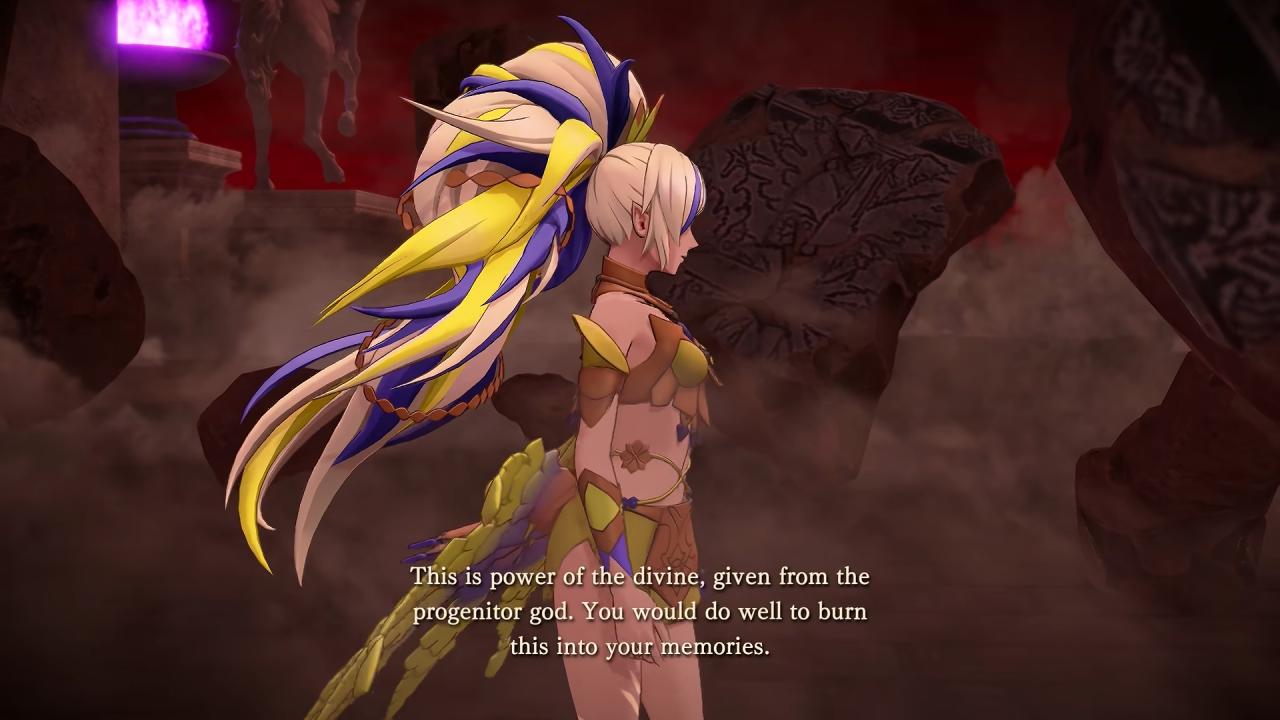
Visually, Fire Emblem: Fortune's Weave combines its historical fantasy setting with its more unusual science-fiction elements. The character designs highlight the cast's variety, while the environments give each area its own identity. Cinematic scenes also help the story feel more substantial, especially when major characters and story events are involved.
The character presentation is one of the stronger parts of the visual experience. The large cast gets plenty of attention, and the different designs make it easier to distinguish one character from another even when the game is dealing with dozens of recruits. The transition between its different battle and story elements is also handled well.
The battlefields give enough visual information to know positioning and movement without making the tactical maps unreadable. The game is on the Switch 2, which has better hardware. It has faster loading times, a more refined overall presentation, and it holds up well in handheld and docked modes. The extra performance also makes the big environments and cinematic moments more comfortable to experience.
The UI still feels a little cluttered at times, especially when multiple systems try to get your attention. It doesn't ruin the presentation, but it does add to the feeling that Fire Emblem: Fortune's Weave is trying to show you everything at once.
The sound design matches the game's scale, with an orchestral soundtrack that works for both the quieter character moments and the larger battles.
The music is particularly useful during story sequences because it helps separate the personal character scenes from the larger conflict surrounding Balor and the Flame Lords. Voice acting also adds weight to the cast. With more than 80 voiced recruitable characters, the amount of recorded dialogue is substantial, and hearing characters react to events makes the long journey feel more personal.
The performances also help distinguish the major characters. Dietrich, Theodora, Kai, and the rest of the central cast have enough personality in their delivery that their individual stories don't disappear under the larger plot.
Fire Emblem: Fortune's Weave clearly wants to give you more than enough to do. Its story stretches across time, its cast is enormous, its combat has several layers, and its management systems can keep you busy between battles for hours at a time.
That ambition is both its greatest strength and its biggest weakness. When everything comes together, you get the kind of Fire Emblem experience where you can lose an entire evening developing a character, exploring an area, preparing for a battle, or simply following another character's story. There is a genuine sense that you are building your own version of the adventure.
The problem is that the game rarely knows when to stop giving you things to manage. The weekly activities, recruitment systems, training, materials, dungeons, support mechanics, and combat preparation can eventually become repetitive.
What feels like meaningful freedom early on can become micromanagement later.
The pacing suffers because of this. Fire Emblem: Fortune's Weave has enough content to justify its enormous runtime, but not everything feels equally necessary. You can have a lot of fun with the game, and still feel like it could have been a little shorter.
But trimming too much would take away some of what makes Fire Emblem: Fortune's Weave unique. Its characters, time-based mechanics, tactical battles, and flexible progression are all connected. The game works because it lets you spend time in its world rather than simply moving from one battle to another.
It is also impressive how much the game allows you to customize your experience. You can focus heavily on particular characters, explore optional content, develop your preferred units, and approach the larger story at your own pace. Being able to decide how you spend your limited time gives the game a sense of ownership that many strategy RPGs don't achieve.
For newcomers, though, the learning curve can be a little rough. There are enough systems that you may understand what you are doing without fully understanding why you should be doing it. The UI can also get busy, and the sheer amount of information takes time to absorb.
Still, once you settle into its rhythm, Fire Emblem: Fortune's Weave becomes an enormous tactical RPG that rewards patience. You get traditional Fire Emblem combat, a large character roster, time manipulation, social mechanics, exploration, flexible progression, and a story that moves between fantasy and science-fiction ideas.
It isn't a perfectly paced adventure, and the micromanagement can get tiring long before the credits roll. But there is a lot to appreciate in a game that commits this heavily to its systems. After an 80-hour run, or potentially 150 to 160 hours if you chase more of what it offers, you are left with an adventure that feels genuinely huge.
Senior Editor, NoobFeed
Verdict
Fire Emblem: Fortune's Weave is an ambitious strategy RPG packed with memorable characters, deep combat, and time-management systems. Its enormous scope can lead to pacing and grind issues, but there is plenty to keep you invested.
95
Related News
No Data.