
Lootbound Review
PC
A dark fantasy roguelike where tactical combat, clever loot systems, and risky choices shape every run.
Reviewed by Elme Dhee on Aug 18, 2026
Lootbound is a dark fantasy tactical roguelike that mixes turn-based combat, party building, and a uniquely involved take on loot. You start each run as one of four heroes - the Warrior, Witch, Bard, or Paladin - and slowly build up a party as you make your way through dangerous encounters.
The premise is familiar enough for genre fans, but this game quickly carves out its own niche with systems that make every decision feel relevant. Each of the four heroes has a recognizable role, giving Lootbound an easy-to-understand foundation for its tactical combat.
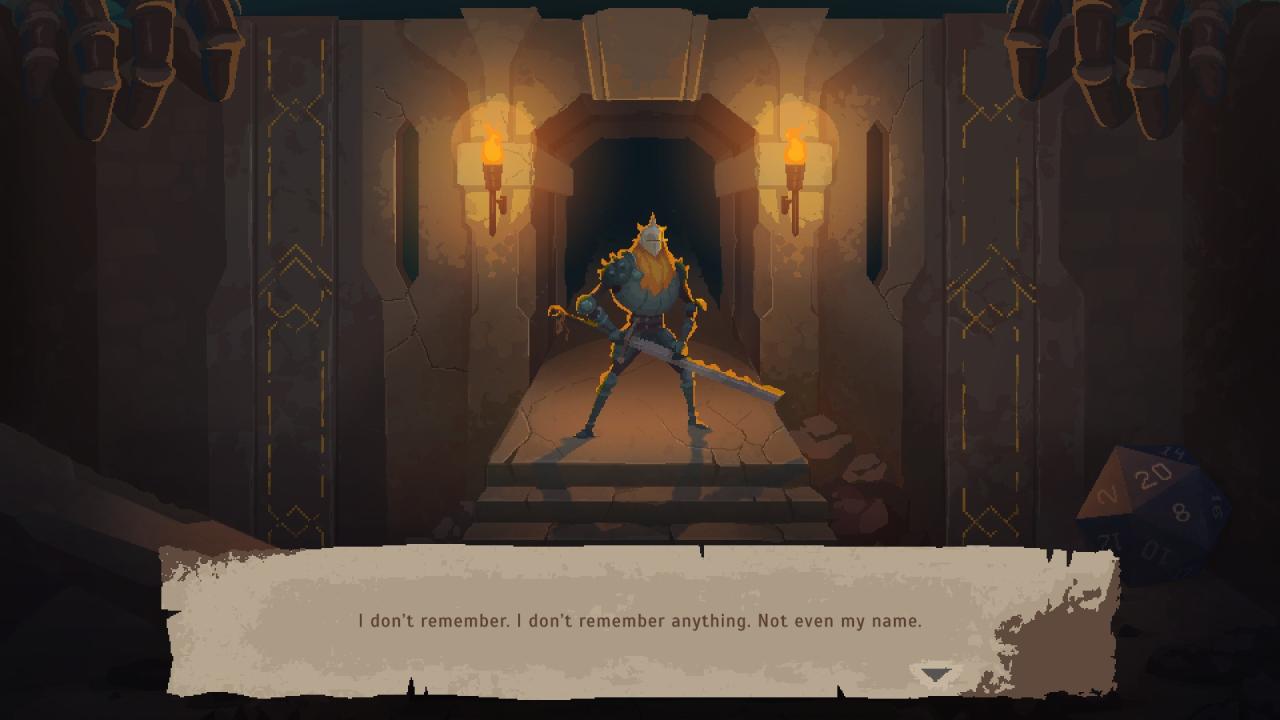
Warrior does damage, Paladin does defense, Bard does healing, and Witch does debuffs. Each design also reflects its character's personality, with a distinct look that fits the dark fantasy aesthetic without making the roster feel visually the same.
The strange party system makes you feel especially important as your own character.
Lootbound offers an interesting choice: you only directly control your chosen hero. Your companions behave according to pre-set behaviors, but you can select companion abilities for them as additional options become available. This takes away some of the micromanagement that tactical games tend to have, but it does mean you have to learn your allies instead of just barking orders at them each turn.
That restriction creates a different kind of strategy. You should be able to use your own skills at the right time to bolster, heal, or otherwise support your teammates and let them do what they are supposed to do.
A Bard can keep the group alive, a Paladin can soak up some pressure, a Witch can weaken enemies, but ultimately, how effective they are is down to how you build around them. So planning before a fight is as important as decisions during a fight for the game's rewards.
Building a party is rewarding, but it would be nice to have more choices.
As you proceed through a run, your party eventually ends up being three characters, leaving one of the four classes unused. This makes an important decision in theory, as choosing which heroes come with you should help dictate how your build progresses.
However, in practice, the class choices available can become predictable, as the same combinations tend to show up throughout runs, making it easier to settle into familiar party compositions. That predictability slightly dampens one of Lootbound's strongest ideas.
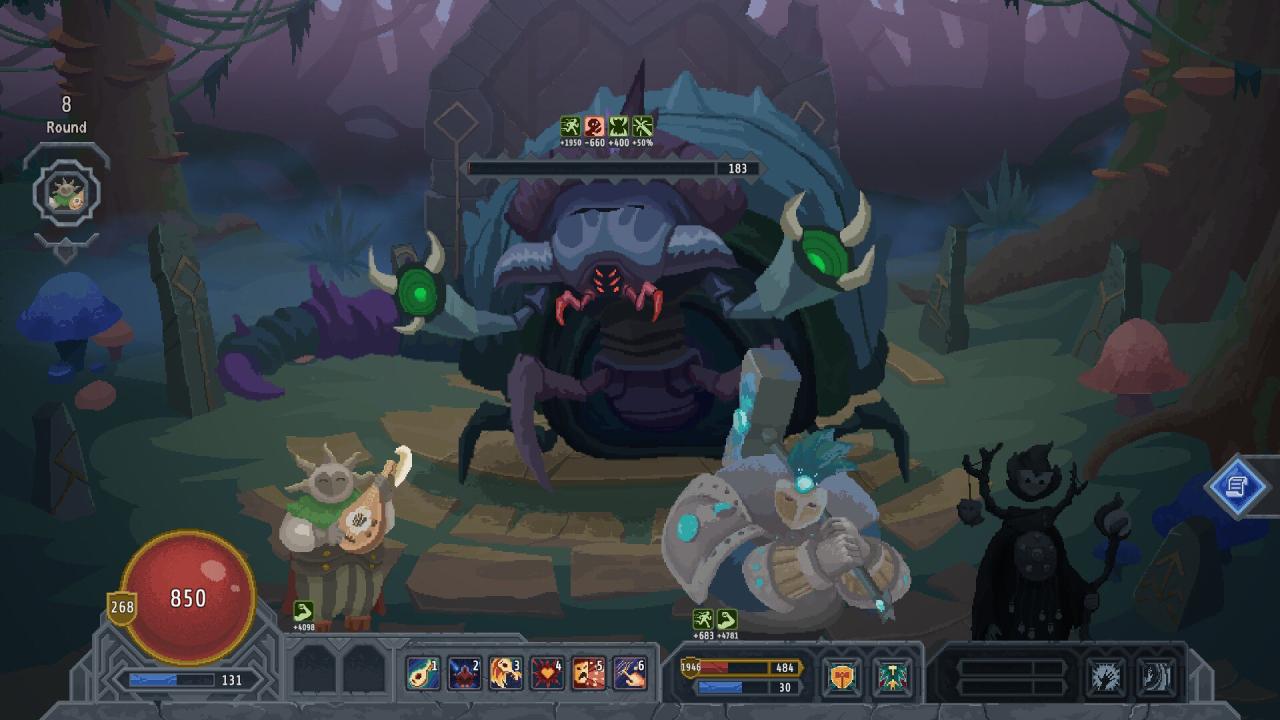
More classes would make each run feel more unique and get players to commit to different builds instead of waiting for a class they like. Adding additional archetypes, like a Rogue or Cleric, could provide more tactical options without really changing the existing system. The four classes are fine as they are, but this foundation seems able to support a bigger roster.
Inventory management turns loot collection into a puzzle of its own.
Lootbound shines in its loot system. Weapons, armor, accessories, and other equipment aren't just added to a list where you compare numbers and swap out old gear. Rather, your inventory is grid-based, and you have to physically move your items around. So getting good loot is only half the problem; you also need to figure out how it fits into the space you have.
The game's inventory management system makes for a satisfying secondary puzzle between fights. Items have to be placed carefully, especially if you start to think about their auras. Radius effects can buff nearby equipment and sometimes have additional conditions, so the best setup isn't always the one with the strongest individual pieces. All of a sudden, getting loot is a question of architecture as much as stats.
Auras mean every piece of loot is worth a good look.
Item auras add another layer to the inventory system by prompting players to consider relationships between equipment. Placing an item next to another can make it much more useful. Some effects can depend on where the item is placed or how the surrounding layout is arranged. Some auras even have strange requirements (e.g., contact with a specific wall, or a change of orientation after combat).
That complexity makes Lootbound's loot system feel like more than just chasing better numbers. Even a bad item can be worth it if it fits a good setup, and a great item might not be worth taking if it breaks an existing one. Your build is defined not only by what you find, but also by how cleverly you organize it. It fits the game's tactical identity well.
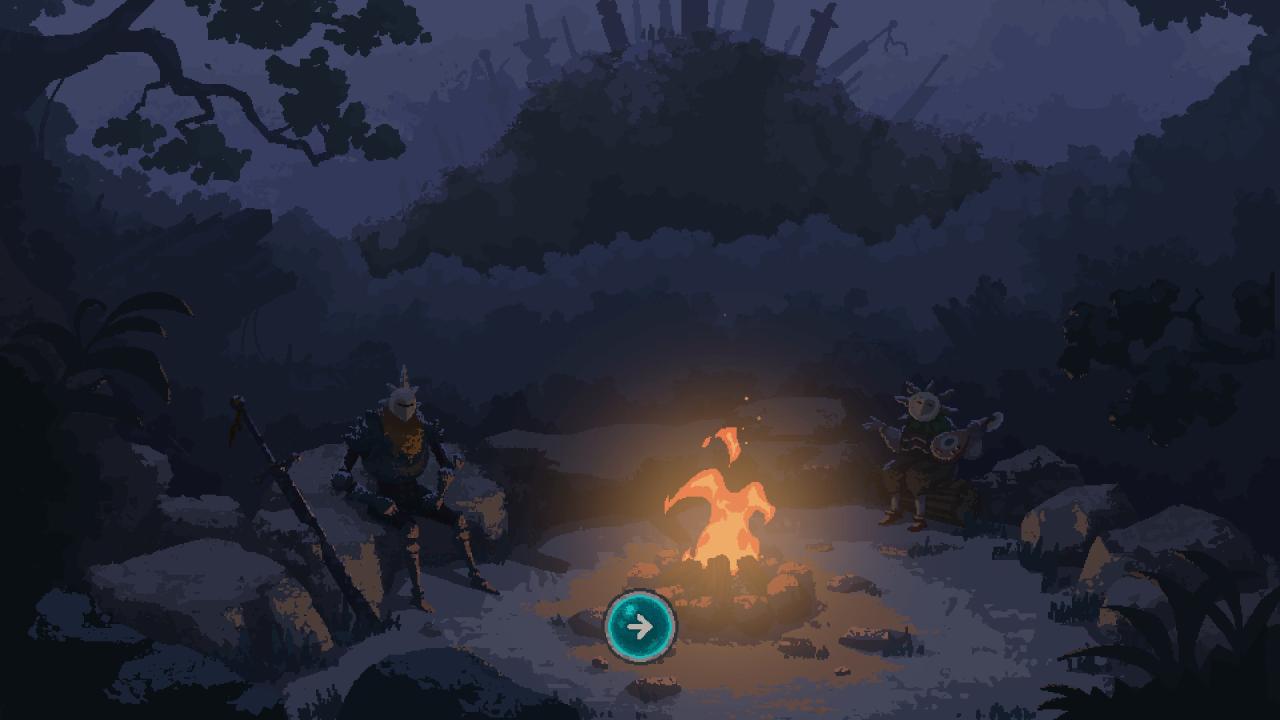
Dice throws make the mundane a calculated risk.
Lootbound adds yet another layer of unpredictability with its d20-style event system. Many different chests, blacksmiths, and training areas each have different difficulties. To get the reward you are after, you have to roll high enough to meet the target number. If you fail, you either accept the loss and move on, or spend one of your limited special dice to try to improve the result.
The system works by always asking if a payoff is worth gambling for. Some loot might be so valuable that it's worth spending one of your precious dice, while other upgrades might be best left behind. Unlockable dice add further strategy, providing players with more ways to manipulate these situations. That uncertainty fits naturally into the larger decision-making loop of a tactical single-player game.
At times, the randomness feels more punitive than tactical.
The dice mechanics offer exciting moments, but they also get frustrating when they happen too often. A run can seem unproductive, and a string of unlucky rolls can make a large part of a run seem unproductive. This is especially true when many desirable rewards are locked behind difficult targets.
It's a risk-based system, but sometimes the randomness dictates the pace rather than merely testing your tactical judgment. The numbers you are aiming for can seem inconsistent too. Some good prizes have reasonable rolls; others are much higher and don't always feel worth it.
This is especially true with blacksmith rewards, where legendary gems don't always feel like a huge upgrade over their epic counterparts. Sometimes a more easily obtained defensive upgrade is more practical than a supposedly better offensive reward.
Temporary legendary loot is fun but also frustrating in a bad sense.
Lootbound also has legendary items that disappear after a certain number of encounters. It's understandable: temporary power can lead to interesting choices, especially when you know a super powerful item is not going to be around forever. But when the rest of the game already expects you to manage inventory space, item combinations, and randomized equipment, the mechanic can feel unnecessarily restrictive.
The inventory management system is hard enough as it is, without certain pieces of loot expiring on top of everything. Losing a temporary legendary you've worked hard to fit into an effective build can be more disappointing than satisfying. The system does create urgency, but it's one of the few mechanics that feels less integral to the game's otherwise carefully connected collection of systems.
The Sentinel gives you a boss for each run you helped make.
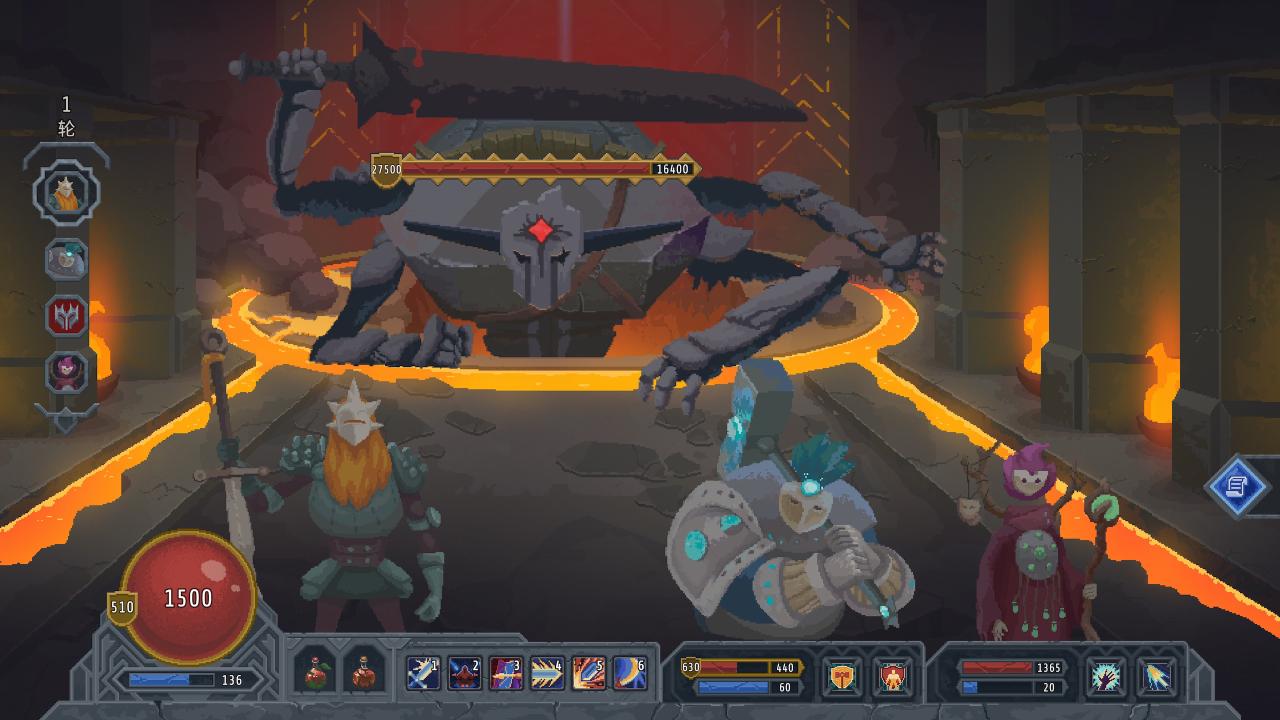
But the coolest thing that Lootbound does might be the way it deals with the final boss. Instead of just having the same enemy at the end of each run, the game lets you build the Sentinel yourself—a run through three major areas: the dungeon, forest, and desert.
At the end of each area, you are given a choice between two different components of the Sentinel with their own abilities. Those decisions stack up over the course of the run until you reach the final encounter.
By that point, the Sentinel is a compilation of choices you made earlier, meaning you've essentially helped design the threat you're ultimately tasked with defeating. It's a brilliant evolution of the game's philosophy: your choices matter because they determine not only how powerful you become, but what you will have to overcome.
Every mistake is valuable information for your next try.
The Sentinel system also makes failure more meaningful. If your boss ruins your party with an ability you chose earlier, there's a clear lesson attached to the loss. Perhaps you chose too dangerous a combination, misjudged a particular effect, or built your party without thinking about what the finished Sentinel might eventually do.
That responsibility takes away some of the randomness that makes losing in a randomness-based genre feel like such a waste of time. Runs can take about an hour, so losing toward the end can still sting.
But Lootbound offers enough progression between runs to make it worth going again. Even if a party fails, resources earned from failed attempts can improve your build and continue your overall progress. That mix of experimentation and constant progression gives the roguelike structure a satisfying rhythm.
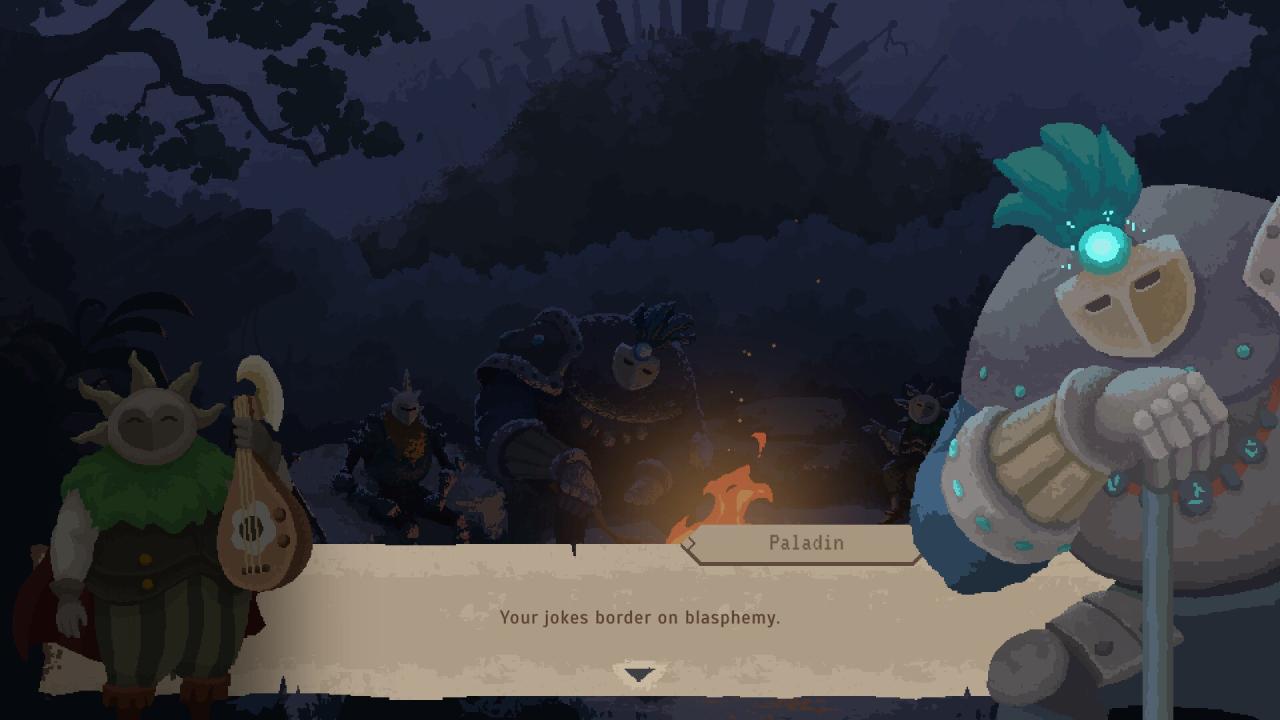
Lootbound has a great presentation that makes its complicated systems easy to read.
This game's pixel art is dark fantasy-infused, giving its environments and characters a strong identity. The various locations are suitably ominous, with glowing fires and lights contrasting with their darker surroundings. The four heroes and assorted monsters are also different enough to spot quickly, which is a boon in turn-based combat where readability counts.
The interface follows a similar clean philosophy. A lot happens behind the scenes with inventory management, item auras, party abilities, and dice mechanics, but the presentation largely keeps those systems from feeling visually overwhelming. Lootbound doesn't require fancy graphics to create its world. Instead, its pixel art is about atmosphere, clarity, and personality, which is perfect for a dark fantasy setting.
The progression system gives Lootbound a strong drive to keep experimenting.
Even if a run goes wrong, the game makes sure the time spent doesn't feel like a total waste. The resources you collect on your runs can be used to buy more upgrades, and other unlocks slowly expand the range of what you can play with.
This gradual progression fits the single-player format well, as any failed run can contribute to a more serious attempt in the future instead of just sending you back to square one with nothing. That progression also makes you want to try other builds rather than making you do one strategy over and over again.
When you know another try may unlock something useful, whether that's making your character better or finding another way to approach combat, new possibilities seem more attractive. Lootbound has that satisfying roguelike rhythm of failing, learning, upgrading, and immediately wanting to see if the next run will play out differently.
The combat shines when your build and party support each other.
Because you can only directly control your chosen hero, turn-based combat relies heavily on knowing what your companions can do automatically. Your job is not only to select the strongest attacks every turn, but also to know when your abilities can complement the preset actions of your party. A timely heal, defensive ability, or debuff can make all the difference in an encounter.
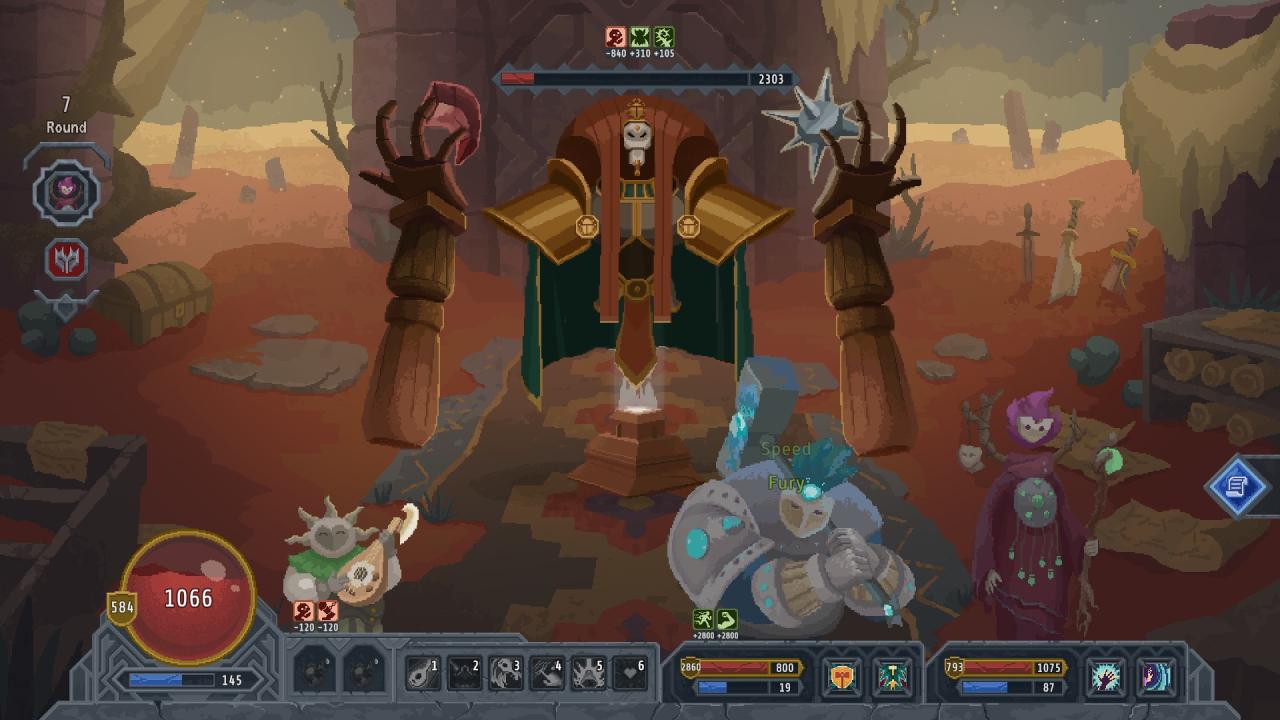
This gives Lootbound a more tactical feel than you might expect from its relatively simple class system. Your gear, inventory layout, ally picks, and skills all influence each other, so a good run is built through many smaller decisions. Few one-size-fits-all strategies fix everything. Instead, you are constantly changing your strategy around the loot and characters you have available for that specific run.
The dark fantasy presentation sets an appropriate mood for the adventure.
Lootbound's pixel art isn't trying to compete with visually extravagant fantasy RPGs, and that restraint works for it. The environments, heroes, and monsters are detailed enough to have personality but still clean enough for combat and inventory management.
The world is appropriately dark, with ominous lighting, glowing fires, and darker surroundings, yet still easy to read on the interface. The result is a world that feels appropriately bleak without becoming visually exhausting.
The four heroes do this very well, with their appearances conveying their individual personalities and roles. It doesn't require a complex narrative to make the setting stick. The visuals in dark fantasy, the creatures that threaten you, and the mysterious worlds all work together to bring enough atmosphere to make each new area feel like you're on the same dangerous journey.
Lootbound has some rough edges that keep its ideas from being great.
For all its virtues, Lootbound is not without its issues. The small class roster is its most obvious weakness, especially since the party-building system could accommodate much more variety. The dice rolls can be frustrating too, if you keep getting denied some useful rewards by bad luck, and the temporary legendary loot mechanic seems overly punitive.
None of these issues ruin the experience, but they keep the game from reaching its full potential. That's the thing. The ideas that drive it are strong." The inventory management, companion system, dice mechanics, and self-constructed Sentinel all have real potential, and a few thoughtful expansions or balance tweaks could make those systems significantly more compelling.
Lootbound finds a satisfying roguelike loop in its collection of systems.
What works in the end for this game is how well the individual mechanics work together. Loot affects your inventory, your inventory determines your build, your build determines how well your party deals with combat, and your choices during the run ultimately affect the Sentinel waiting at the end.
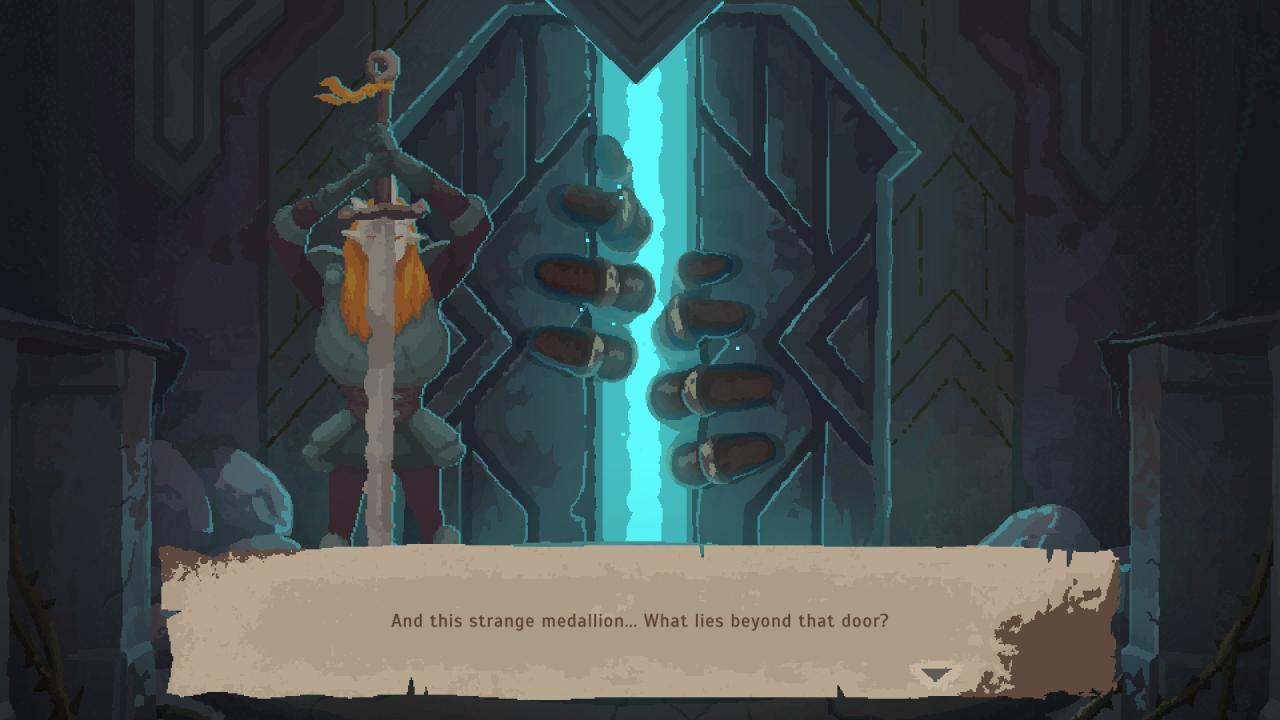
Even the dice rolls are part of this structure, forcing you to decide how much risk you want to take for potentially valuable rewards. This is an ambitious base for an indie tactical game, and while some things still need refining, there is enough here to make each run worth it.
Lootbound is great for putting together a surprisingly powerful build, working with flawed choices, and discovering that the boss you are about to face is in part your own doing.
Lootbound is a promising dark fantasy roguelike that needs some room to grow.
This game might not be a revolution in the genre, but it mixes familiar ideas with enough originality to make it stand out. The turn-based combat is a solid tactical base; the odd companion system and inventory management give the experience its strongest identity. The best idea is to make the last Sentinel, which makes the end of each run a direct consequence of your own decisions.
This still has room to grow into something greater. More classes, better dice rewards, and a rethink of temporary legendaries could give the game the extra variety it sometimes needs. But the present package is easy to recommend to fans of single-player roguelikes and dark fantasy strategy. Lootbound isn't perfect, but importantly, it has ideas to build on.
Editor, NoobFeed
Verdict
Lootbound is a promising tactical roguelike with smart inventory management and an inventive boss system, though limited classes and uneven RNG hold it back from greatness.
70
Related News
No Data.