
Diablo IV: Lord of Hatred Review
PC
A confident expansion that refines the grind, delivers a strong narrative payoff, and doubles down on accessible ARPG design.
Reviewed by Tahmid Mahi on Apr 25, 2026
In 2023, Diablo IV didn't come out without a sound. It arrived with the burden of a legacy, a genre it helped shape, and elevated expectations due to years of competition from games that pushed the formula to new heights. At launch, it felt more like a strong foundation than a finished vision, something that had the tone and atmosphere.
Over time, with seasonal updates and its first expansion, Blizzard kept adjusting systems. Blizzard was constantly refining the progression and exploring the true nature of Diablo IV as an ARPG. Now, with Lord of Hatred, you’re stepping into what appears to be the most refined version of that vision yet.
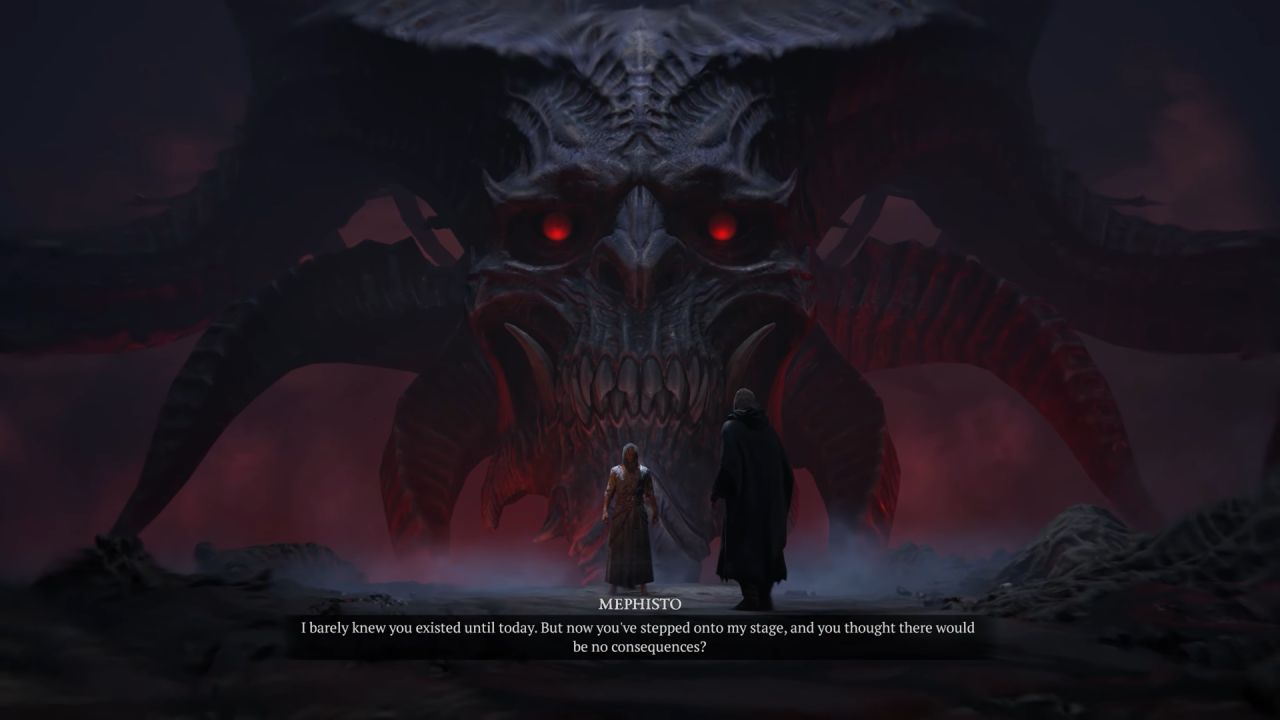
This release is the second major expansion, and it carries a lot more pressure than the last one. Vessel of Hatred did not meet the expectations of many, particularly in terms of storytelling, which seemed to lead to a conclusion that ultimately fell short. That meant that this expansion had to do more than just add new content.
Additionally, it needed to conclude the story and demonstrate that Diablo IV could undergo significant changes. Blizzard, a studio with decades of experience shaping RPGs and live service games, seems to have taken that feedback seriously. The expansion strengthens nearly every part of the game while fully embracing what Diablo IV has become.
At this point, it’s clear that Diablo IV isn’t trying to compete directly with the most complex ARPGs on the market.
Instead, it’s carving out its space as something more approachable, more streamlined, and easier to jump into without a massive time commitment. Lord of Hatred reinforces that direction in almost every system it touches. It offers more play styles, character builds, and reasons to return, but it doesn't overwhelm you.
That balance defines the expansion, and it shapes your experience with it. When you step into Lord of Hatred, you’re not starting a new story from scratch. This expansion serves as the continuation and conclusion of a narrative thread that has been building since the base game.
If you haven’t played through the earlier content, you can technically jump straight into this expansion, but doing so leaves you disconnected from what’s happening.
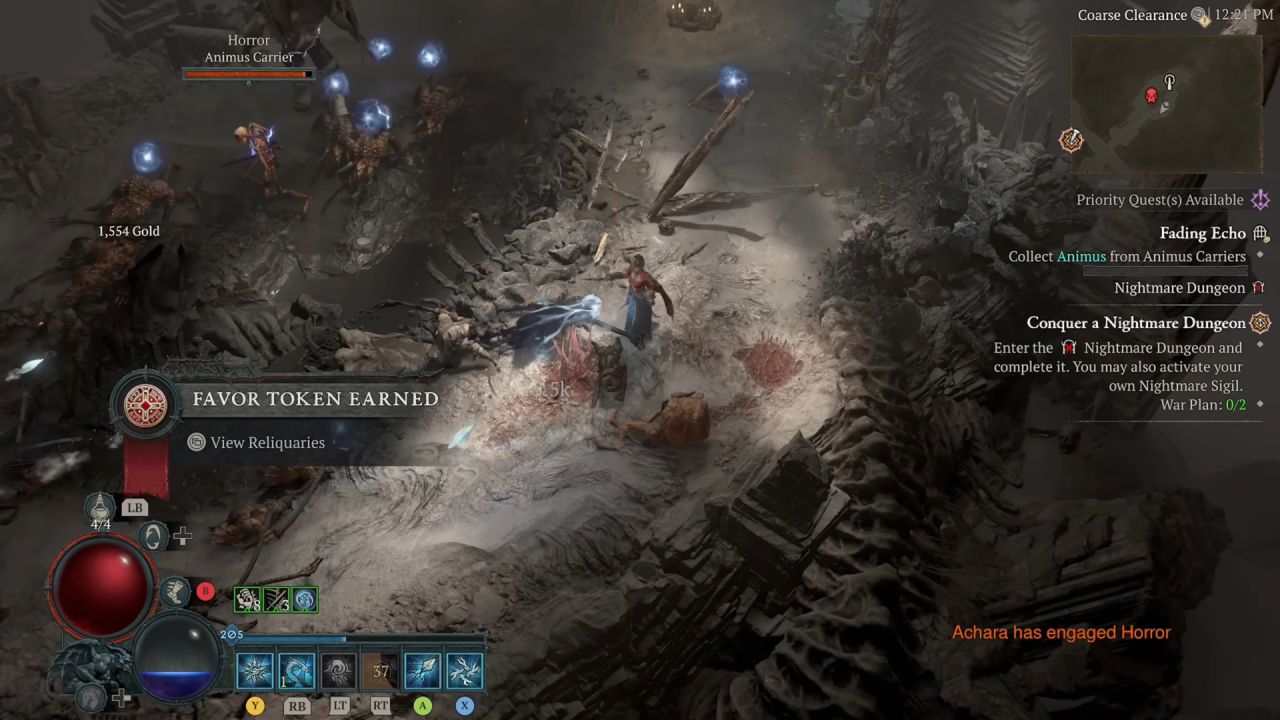
The characters, their motivations, and the stakes all rely heavily on what came before, and without that context, a lot of the impact is lost. The story is once again about Mephisto, the Lord of Hatred, and how he spreads his power through trickery instead of violence. Instead of just being a destructive force, he uses lies and people as weapons.
One of the most intriguing things about it is how he takes control of a respected religious figure and turns faith into something dangerous. This leads to a cult-like following in which people believe they are doing the right thing while committing terrible acts, and the tension between belief and reality gives the narrative a more grounded edge.
Compared to the previous expansion, the pacing here feels much tighter. The campaign runs for around eight to ten hours, and during that time, it keeps moving forward without feeling like it’s stalling.
You’re constantly being pushed into new developments, and each major character gets enough focus to feel important. It feels like everything is leading up to something important, and when it ends, it feels like a reward instead of a setup for something else.
The story's most intriguing aspect is that people can be as scary as demons.
It doesn't just show how easy it is to scare people into violence; it also shows how easy it is to scare people into violence. The base game presented that idea, but this version explores it more directly. Combined with strong cinematic presentation and a standout soundtrack, the narrative becomes one of the most engaging parts of the expansion, even if it’s still only a fraction of the total time you’ll spend playing.
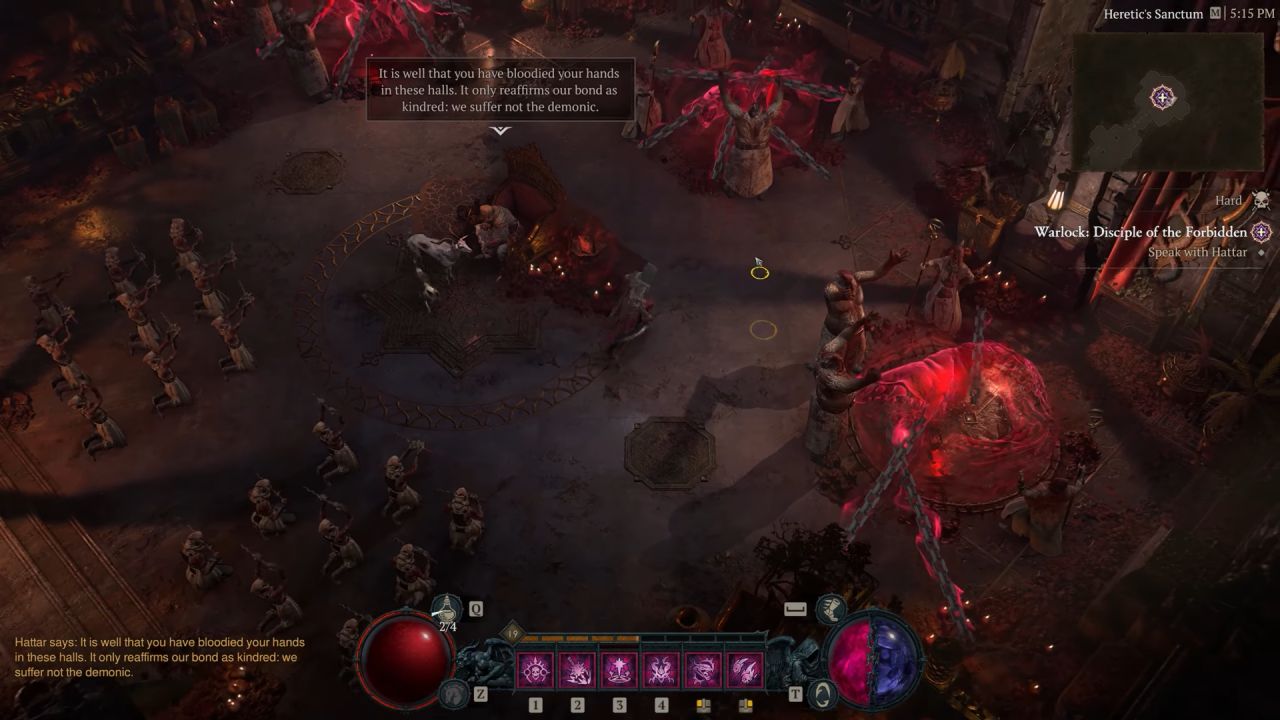
The core of Diablo IV hasn't changed much, and that's by design. You are still moving through different areas, killing enemies, picking up loot, and slowly getting stronger. Lord of Hatred does not replace that loop; it adds to it. You can move forward in more ways and use more systems after you finish the game.
The new content has a lot to do with the new classes of Warlock and Paladin. The Paladin feels familiar in the best way. It has a mix of strength and durability that lets you play aggressively while still feeling safe.
You can change its shape to focus on defense, mobility, or damage all the time. It captures that classic fantasy of being a heavily armored warrior who can stand in the middle of chaos and win.
The Warlock, on the other hand, gives you something else. It uses demons in more intriguing ways than traditional minions like the Necromancer. Some builds let you summon creatures that act more like projectiles or temporary tools, while others focus on turning yourself into a demon.
There's also a shadow-based style that focuses on mobility and control, which lets you move quickly through enemies and deal damage in creative ways. It doesn't feel like a copy of other classes, which is what makes it stand out.
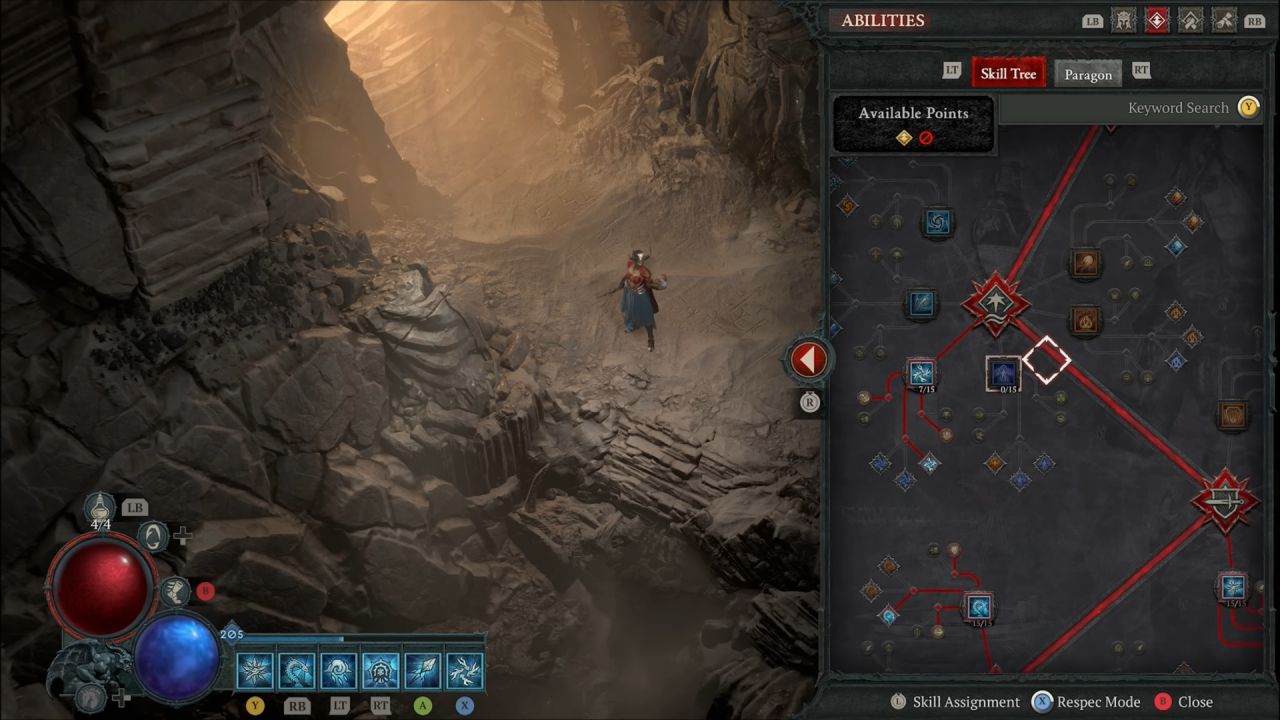
The skill tree system has been changed to focus more on meaningful choices, along with the classes. You're not just stacking simple stat boosts; you're choosing options that change how your skills work.
This gives each build more character, but it also creates a new problem. Once you've picked your main skills early on, the rest of the leveling process can feel like you're just adding more points to the same skills instead of unlocking new ones.
The expansion also introduces several systems designed to enhance the endgame experience. For instance.
War Plans give you a structured way to go through different tasks. You don't have to contemplate what to do next every time. Instead, you can follow a carefully chosen path that takes you from one activity to the next and gives you rewards along the way. It keeps the experience going and reduces the time between goals, making the whole loop feel smoother.
There has always been rhythm in Diablo IV combat, and that is still the case. When you fight a lot of enemies, you always have to balance moving, using your abilities, and being aware of where you are. The new classes change that rhythm up a bit, especially the Warlock, which adds more unusual ways to play. It changes how you fight when you summon demons, turn into one, or use shadow powers to get through enemies.
The Paladin, on the other hand, sticks to more traditional fighting but does it very well. It feels strong and responsive, and it gives you the tools you need to handle both large groups and tough enemies. You can customize the experience to your liking by choosing from various builds.
You can focus on either staying alive or doing a lot of damage. It's a class that's simple to understand, but you can learn a lot more by trying new things. There aren't any traditional puzzles in the sense of figuring out how to solve problems in the environment.
The "puzzle" part comes from how you make your character and make the most of your gear. It becomes a kind of problem-solving to figure out how different abilities work together, which stats are most important, and how to change your build based on what you find. It's not about stopping to think; it's about constantly improving your method.
Progression plays a significant role in how combat feels over time.
Early on, the level scaling system can make it seem like you’re not getting stronger, since enemies scale with you. This can make the campaign feel a little dull when it comes to growing power. But things change a lot once you get to the endgame and start getting better gear, especially legendary and unique items. You can feel the effects of your build, which makes combat much more fun.
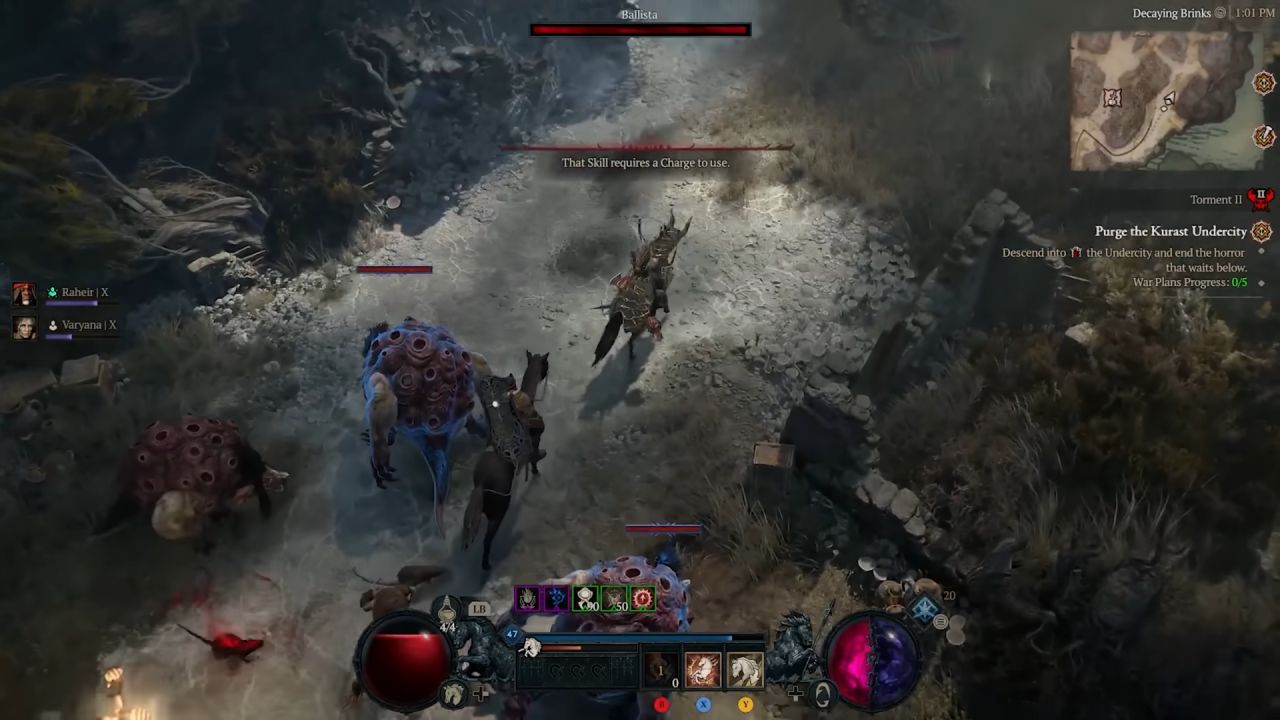
Lord of Hatred has a new setting that stands out from the rest of Diablo IV, while still maintaining the same great art direction. The island of Scobos has a different feel, with brighter areas and Mediterranean influences that contrast with the darker parts of the base game. You still have the usual corrupted areas and enemy designs, but there's enough variety to keep things intriguing.
The environment's design does a good job of blending familiar things with new ones. You'll see that the areas have a similar structure, but the little things make them feel different. The different environments, from coastal areas to more dangerous ones, add to the sense of exploration, even though the gameplay remains mostly the same.
Another strong point is the sound design. The music is a highlight of the expansion, making exploration and combat more enjoyable. It does not diminish the experience; rather, it enhances it and maintains the original mood. When you add excellent voice acting and sound effects, the world feels real in a way that makes sense.
Small technical difficulties are present. Such as occasional performance problems that do not really affect the gaming experience. Over time, we should fix most of these problems, and they won't detract from the expansion's main strengths.
It works because Lord of Hatred doesn't try to change Diablo IV completely.
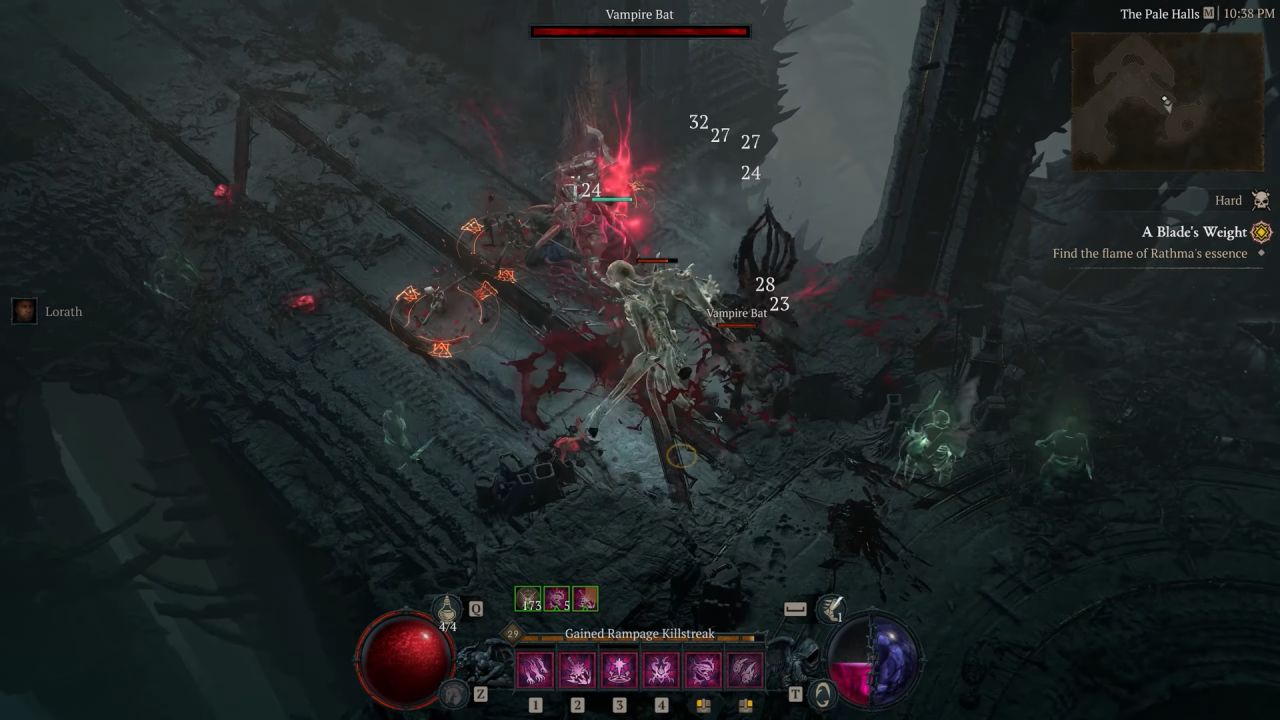
It doesn't change anything; it just improves what's already there by adding meaningful content, refining systems, and telling a story that feels complete. The new classes add variety, the endgame systems add structure, and the whole experience feels more connected than before.
Certain aspects of the game still have room for improvement, especially when it comes to progression during the campaign and certain co-op mechanics. But those issues don’t overshadow what the expansion gets right. Blizzard's improved understanding of Diablo IV's essence is evident in this expansion.
If you’re already invested in the game, the expansion is an easy recommendation. It provides a compelling reason to return if you have been away for some time. It may not be the most complex ARPG out there, but it doesn’t need to be. It knows what it is, and for many players, that’s exactly what they’re looking for.
Editor, NoobFeed
Verdict
Lord of Hatred is a major expansion that strengthens Diablo IV's identity, delivers a satisfying ending, and adds meaningful endgame systems, making it easy for fans to come back and have a great time overall.
84
Related News
No Data.