
LumenTale: Memories of Trey Review
Nintendo Switch 2
This is a monster-collecting role-playing game with a mature plot, deep tactical combat, and meaningful exploration all wrapped up in a memorable journey.
Reviewed by Nusrat Choity on May 29, 2026
LumenTale: Memories of Trey stands out right away because it centers on a character who is already different from the normal heroes in the genre. The goal of monster-collecting games has been the same for a long time. The story of most of them is the same: you collect creatures, fight bigger opponents, become the best, save the world, and then watch the credits roll.
There is nothing wrong with that formula in and of itself, but after decades of adventures that are all the same, something unique is needed to make it stick out. That's what makes LumenTale special.
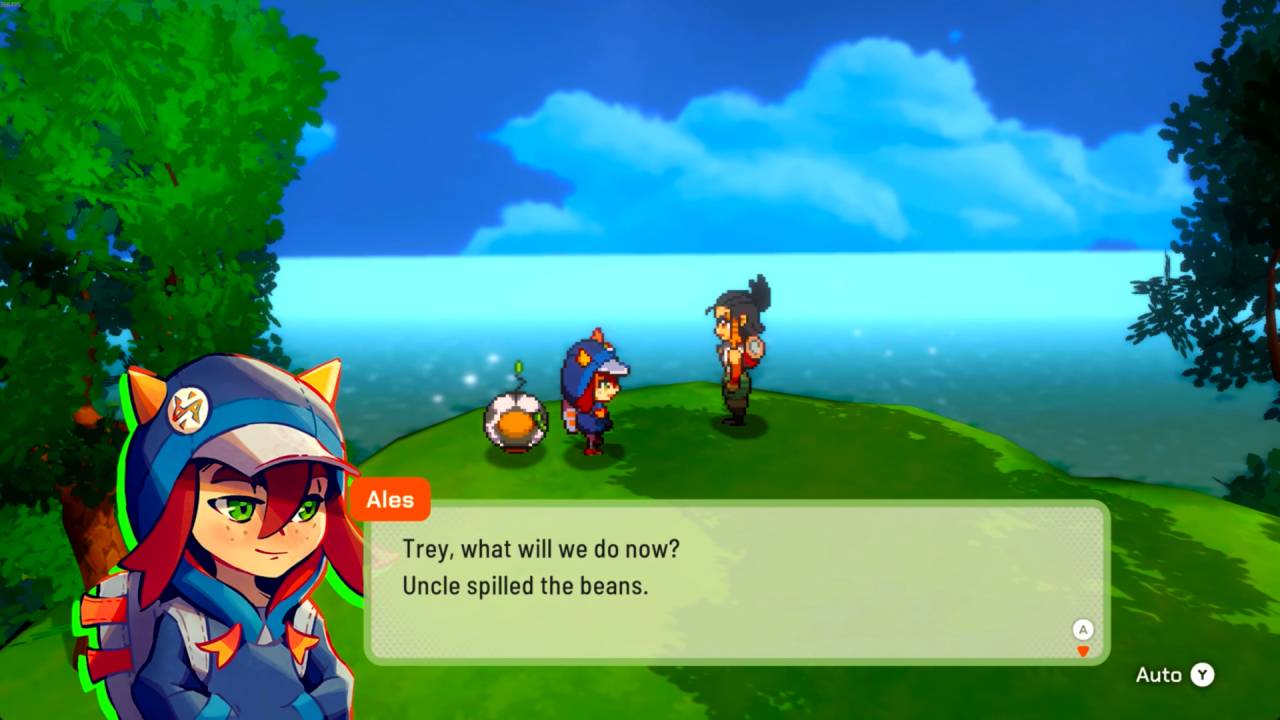
In LumenTale: Memories of Trey, you don't play as a young trainer going on a coming-of-age trip. Instead, you play as Trey, an android who wakes up with no memories and no idea where he fits in the world. That secret sets the stage for everything that comes after.
Beehive Studios made LumenTale, which clearly shows where it got its ideas from. People who have played Pokémon, Digimon, or other games in this genre will feel right at home with the creature collecting, elemental fights, and exploration. The only difference is that LumenTale wants to make more than just a journey where you catch monsters.
It wants a more mature story, a world with greater depth, and combat tools that make you think beyond just type matches.
The result is a game that sometimes falls short because of how big it wants to be, but it is still one of the most interesting creature-collecting experiences in recent years.
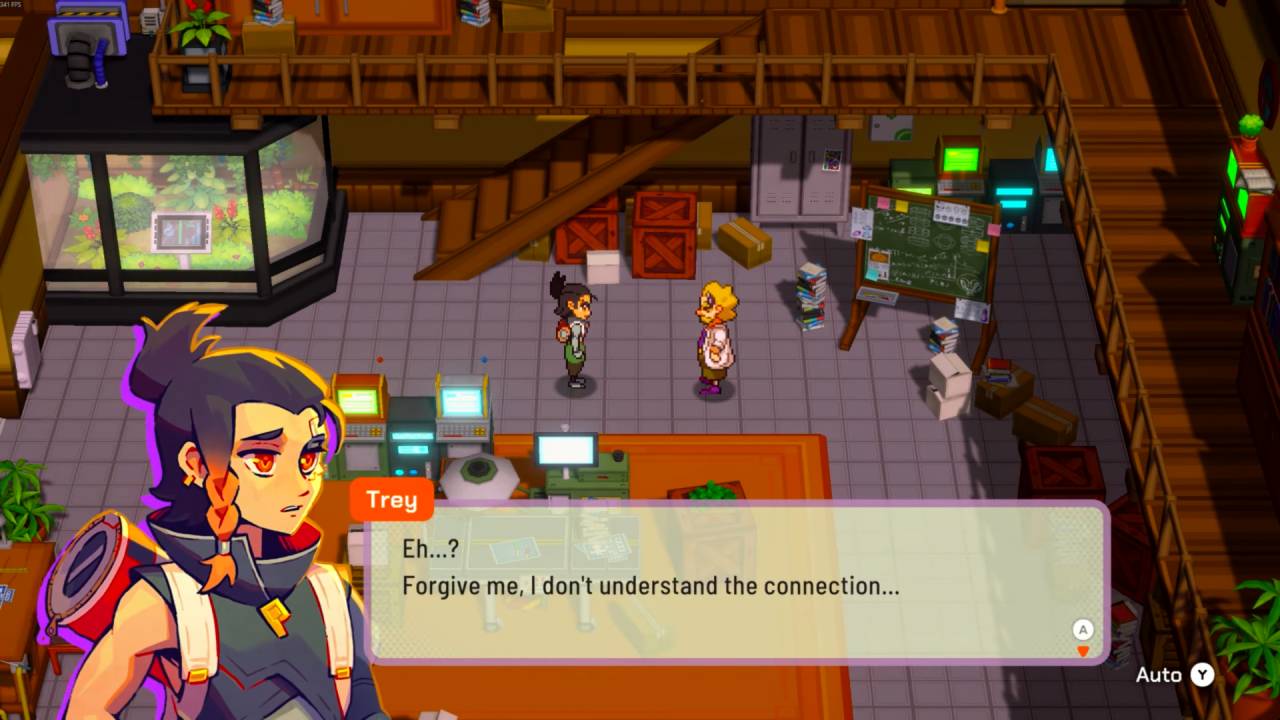
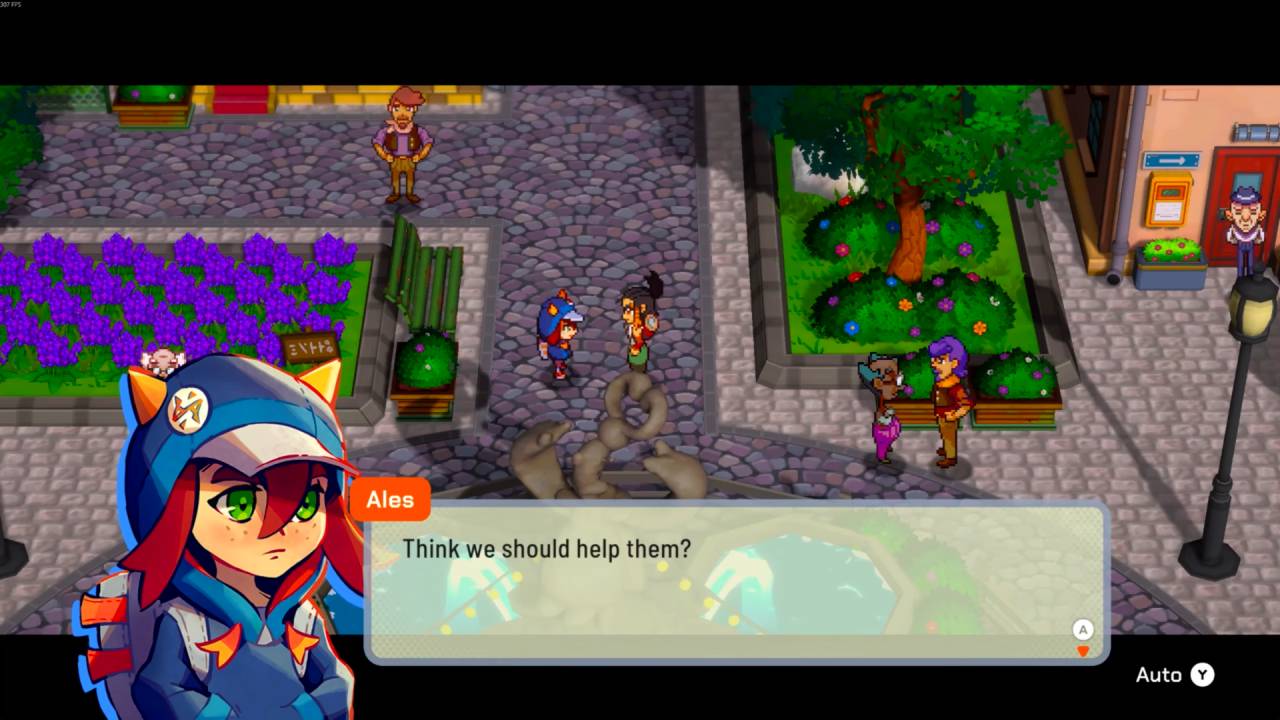
At the start of the story, Trey wakes up in a small town and has no idea who he is. Dr. Kapan, a researcher, and his nephew Alles find him and help him get used to his new life. Not long after, Trey starts working with animals called Animon and finds pieces of a past that seem to be linked to much bigger events.
The way the story solves its puzzle is what makes it work. Trey isn't just looking for things he has forgotten. LumenTale knows that curiosity can be a strong motivator, so each answer brings up a new question. It hides just enough information to keep things interesting while slowly showing bigger pieces of the puzzle.
A lot of praise should go to the setting itself. Talea's world doesn't feel like a bunch of separate areas made just for playing. Rather, it feels like a place molded by history. The land is still divided between more traditional southern regions and technologically advanced northern regions due to the effects of a long-ago civil war.
The historical events that have caused political and cultural strife still have an effect on our daily lives.
As you move between towns and areas, the world slowly brings itself to life through conversations, environmental details, side stories and strewn-out lore. The game doesn't usually give you a lot of information in one go. Instead, it lets you find out about its past on your own.
That will be too slow for some people. The story’s pacing is one of its biggest problems. The first few hours are mostly spent setting the stage for the big changes that will come later, and at times it feels like the story is setting something up rather than actually telling it. Some players will enjoy the slow buildup, but others may think they have to wait too long for answers that matter.
The good news is that the wait is worth it. The story becomes a lot more interesting as the bigger picture starts to come together. Topics like identity, freedom, memory and emotional connection are addressed with surprising confidence. The story is, for the most part, not as simple as it normally is in creature-collecting RPGs.
Trey is a big reason why the story is still fun to read. He's not a mute protagonist who just stands there while everyone else talks. He has thoughts, a sense of humor, and enough charm to make talking to him fun. He is different from the slew of the same heroes because he is sarcastic and sometimes honest.
Not all of the side characters are given the same attention, but the main cast is good enough to keep the story flowing when it gets slow. Having more than one ending also makes your choices more important than you thought, adding another level of investment to the trip.
The framework of LumenTale will feel familiar at first, but it slowly adds enough new ideas to make it its own thing.
Around 140 different Animon from 13 different material types live in the world. However, collecting them is still a big part of the game, and exploring feels just as important.
A tool called the Holoken is at the heart of exploring. It's useful for a lot more than just catching monsters. You will gain new abilities throughout the story, which allow you to change the way you interact with the world. As you unlock new powers, obstacles that initially impede your progress become easier to overcome, offering a satisfying sense of achievement.
LumenTale: Memories of Trey has the best of both worlds in that you are able to explore. There are always things to keep you occupied, such as secret meetings, optional caves, hidden paths and treasure chests. It is often a good idea to take a break from the main objective and investigate something strange lurking off in the distance.
The day/night cycle adds yet another layer to this scheme. Different Animon show up at different times of the day, which makes revisiting old places more attractive. When it gets dark, places that seemed fully explored during the day can suddenly have new things to discover.
Another plus is that the animals are very different from one another. Different regional types, different forms, and branching evolved paths help make team building feel more personal. Instead of relying on the same animals from start to finish, there is often a reason to try new things.
Anispace, a different digital world where your inactive Animon live, is also introduced in the game. At first glance, it looks like a simple way to store things, but it turns into a useful way to move forward. You can change the look of the room by adding furniture, training creatures, making bonds stronger, and getting perks that have a direct effect on the game. You can feel more connected to your collection with Anispace.
The game doesn't just leave useless creatures as backups; it gives them a place where they still feel useful.
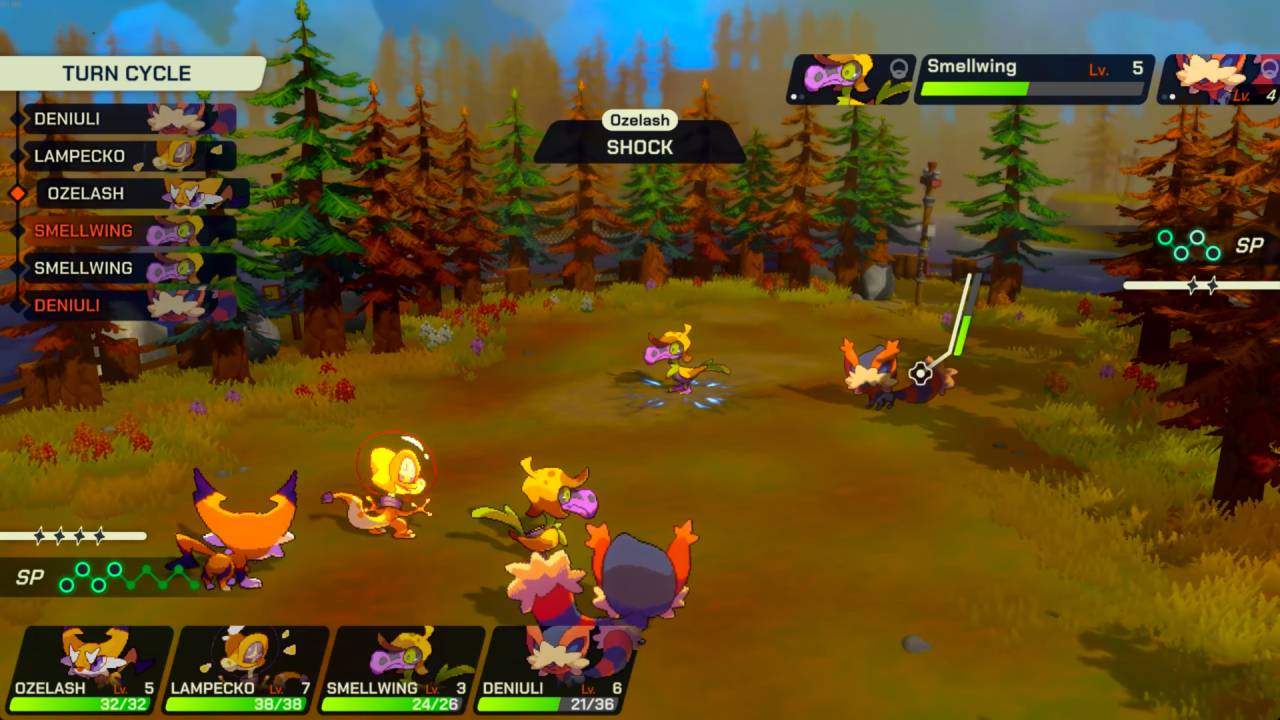
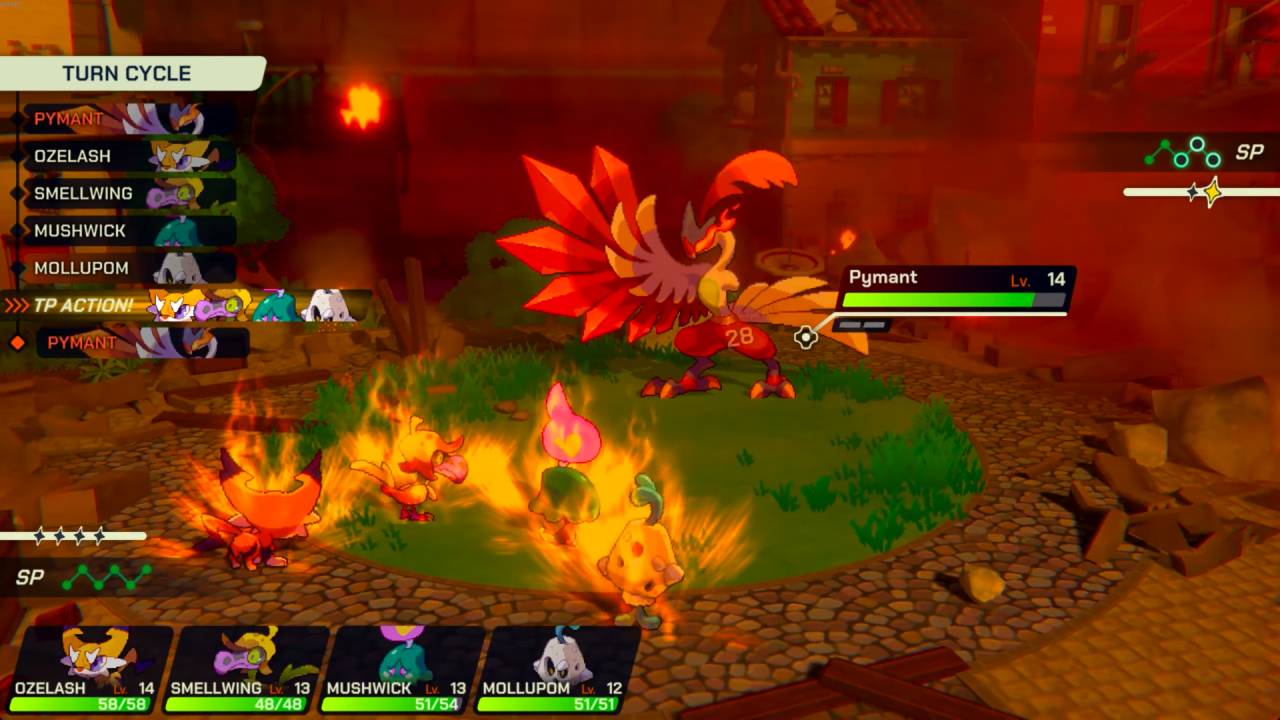
When it comes to combat, LumenTale makes the strongest case for being up there with the best new games in its genre. Basically, the idea stays the same. Elements give creatures their own strengths and flaws, abilities use up resources, and the way a smart team is put together is important. LumenTale is different because it adds more features on top of those basic ones.
In the end, battles turn into four-versus-four matches, which are much more open for strategy than normal one-on-one fights. When you have more than one active creature, you have to plan ahead a few turns instead of just picking the best move.
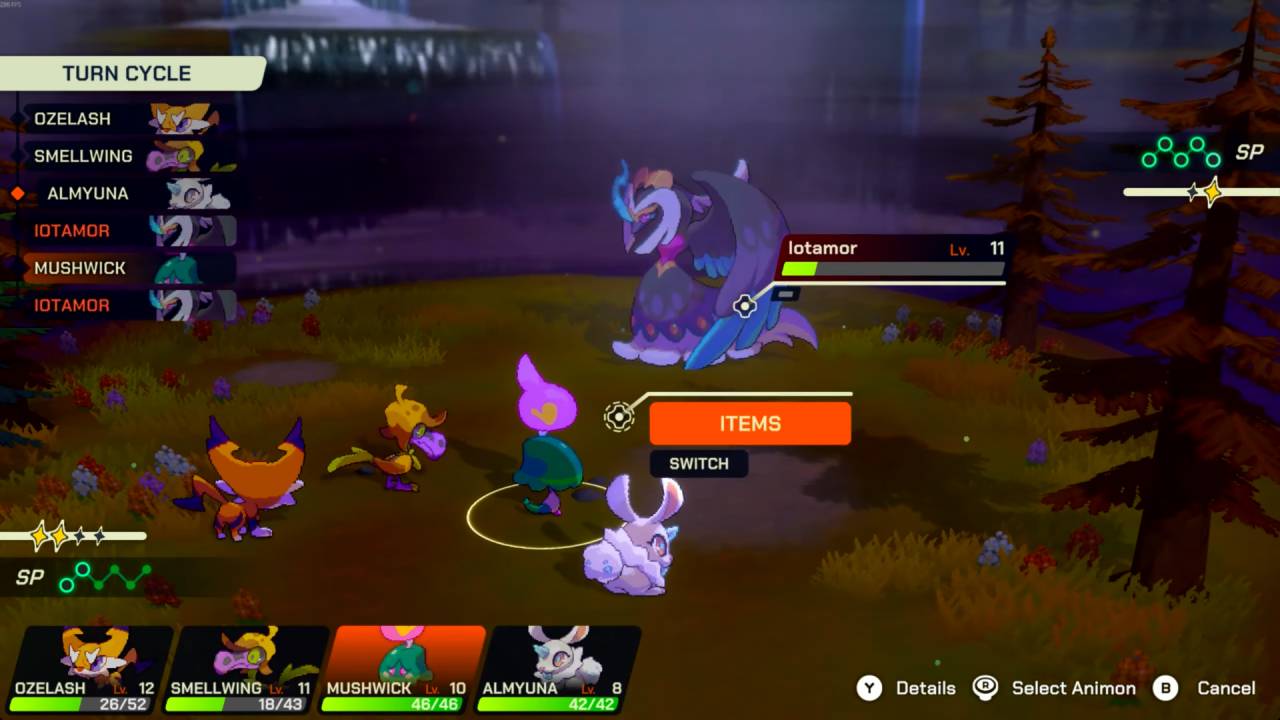
Having shared SP is one of the best things about the game. Your whole team pulls from a single pool, so each creature doesn't have to manage its own resources. Powerful abilities use up more SP, so you have to decide every turn how actively to spend your resources.
This makes a natural conflict that keeps you interested even after dozens of hours of playing. There is a cost to every action, and if you don't think things through, you could leave your team open to harm.
The TP method adds a further level of strategy. You gain TP points by landing critical hits and exploiting elemental weaknesses. When you gain enough points, you can trigger a free bonus move which does not consume SP. This encourages players to actively seek advantageous matchups rather than simply dealing raw damage, and rewards those who plan well.
As more mechanics are unlocked, battles become more challenging. Traits, synergies, training stats, team makeup, and the changing order of turns influence the depth of battle. There’s a lot of room for experimentation.
Some of the mechanics are hard to understand at first, though. The interaction between the various types isn't always obvious and the game has difficulty explaining some of its more complex features. Newcomers could spend hours trying to learn how to use the tools that could have been explained much more easily.
Building puzzles is usually fun, especially when it comes to learning how to explore.
Many environmental tasks require players to think outside the box when using their Holoken powers, and reward them for doing so. There are, however, some problems that come up during longer practices. For some movement skills to work, you need certain types of creatures in your party.
If you can't find the needed type, you'll have to pause, open the menus, change creatures, and then play again. It doesn't change the game, but it happens often enough to notice. LumenTale has a number of features that are meant to cut down on repeated leveling. Weak monsters are usually easy to kill at once, saving time when returning to old spots.
Experience items and advancement systems help new team members catch up without fighting endless battles. This means trying out new Animon is rarely a punishment. You can add new discoveries to your team without spending hours and hours preparing.
Two other ways to improve are crafting and cooking. You can find ingredients all over the world that can be used to make useful things and meals that boost your stats. These features add depth to the game, but they aren't always explained very well. It's important to try new things, especially in the beginning of the game.
Presentation is one area where LumenTale always does a great job. The world is full of unique people. Every town feels lived in, every environment is full of little details and every area has its own unique look. The buildings and atmosphere are especially influenced by Italy, making the setting feel unique within its genre. Another great thing is the creatures' designs.
It's possible for the Animon cast to be different without making things feel random.
A lot of styles jump right out, and still look like they belong in the world. Good outdoor art direction encourages exploration. Each of the forests, caves, towns and sites has its own atmosphere that makes traveling fun even when there is not much going on. However, there are some technical issues with picture quality.
Launch bugs, rare performance problems and a few glitches can make it difficult to get into the game. These problems don't make the experience what it is, but they are hard to ignore when they show up.
Throughout the adventure, the music does a lot of work without drawing attention to itself. The music isn't constantly trying to get your attention; it suits the mood of each zone and adds to the atmosphere of the game. Peaceful towns feel friendly, spooky places feel just the right amount creepy, and fight themes give the game enough energy without getting boring.
The sound effects are also very good, especially when you're fighting and your skills have enough of an effect to make the battles feel satisfying. There's nothing completely new about the sound design in this RPG, but it always goes well with the rest of the experience.
The best thing about LumenTale: Memories of Trey is that it's not trying to be a Pokémon copy. It takes ideas from other works but gives them enough of its own personality to feel new.
The world looks and feels like it was carefully made, the fighting has real tactical depth, and the main mystery keeps you going even when things get slow. If you’re a fan of and/or grew up with monster collecting RPGs, you’ll probably like LumenTale more for its willingness to hit older themes. Trey is one of the most memorable main characters in the genre in recent years.
It can't reach its full potential because it opens slowly, isn't always clear, has technical problems, and has some annoying features. Even so, despite these flaws, it's still surprisingly easy to get into the experience. LumenTale: Memories of Trey is a great creature-collecting RPG with deeper stories, better worldbuilding, and fighting that rewards strategy over habit.
Contributor, NoobFeed
Verdict
LumenTale: Memories of Trey is a smart and ambitious RPG about collecting monsters with a great story, fun exploration, and really deep fighting. Even though it has some rough spots, the adventure inside is easy to recommend.
70
Related News
No Data.