
Tales of ARISE - Beyond the Dawn Edition Review
Nintendo Switch 2
A visually radiant return that struggles to escape the shadow of its own legacy.
Reviewed by Zahra Morshed on May 22, 2026
When Bandai Namco Entertainment launched Tales of Arise in 2021, it was a major departure for the long-running series. This is the kind of change most role-playing games have sought for decades. The game updated the fighting system, made the narrative more movie-like, and boosted the production qualities of the brand to blockbuster proportions, but it didn’t lose the emotional depth that had made the series famous for years.
Tales of ARISE - Beyond the Dawn Edition carries the burden of that success, attempting to expand a story that many of you already believed was finished. The expansion happens after the main plot. It’s supposed to be an epilogue about healing and reconciliation and how difficult it is to put back together communities that have been torn by war and injustice.

It is not another story of a catastrophe threatening the planet, but a story of the emotional after-effects of emancipation.
It's a major shift in subject that strangely feels very grown-up for the genre at first. The first thing you notice about Tales of ARISE - Beyond the Dawn Edition is that it assumes those of you who are returning players care about the game. The game doesn’t waste time on new people and relationships, assuming you already know Alphen, Shionne, and the rest of the ensemble.
Familiarity for players who spent dozens of hours with these people in the original adventure makes them feel right at home. But going back to view popular characters brings up one of the major difficulties with the expansion. Much of Tales of Arise - Beyond the Dawn Edition feels strangely static, but epilogues and sequels are best when they alter worlds and relationships in significant ways.
Characters don’t learn new things about themselves, but they constantly return to the same emotional themes. The resulting product is cognitively safe but not very inventive. Despite these shortcomings, the package is still enticing because the base was so strong to begin with.
The core battle system is still a blast, the graphics are still gorgeous, and the emotional tone still has the genuineness that makes the Tales series stand out from more cynical role-playing games. Tales of ARISE - Beyond the Dawn Edition doesn't change the series in any new way, but it still knows how to make moving moments.
The expansion comes out roughly a year after Tales of Arise ends and explores how Dahnans and Renans are striving to live together now that systemic control has broken down. Alphen and Shionne encounter a mysterious girl called Nazamil. She is the daughter of Renan and of Dahnan blood. She is a symbol for the social tensions that are still there, even if the world has become more united.
On an emotional level, the main character in the story is Nazamil. She is shunned by both groups and has a lot of pain from her family's past. She becomes the thing that forces the main characters to confront their own unresolved prejudice and fear. The idea is a really good one because it easily builds on the themes of identity and discrimination explored in the main game. Unfortunately, the execution does not always reach the emotional depth of the premise.
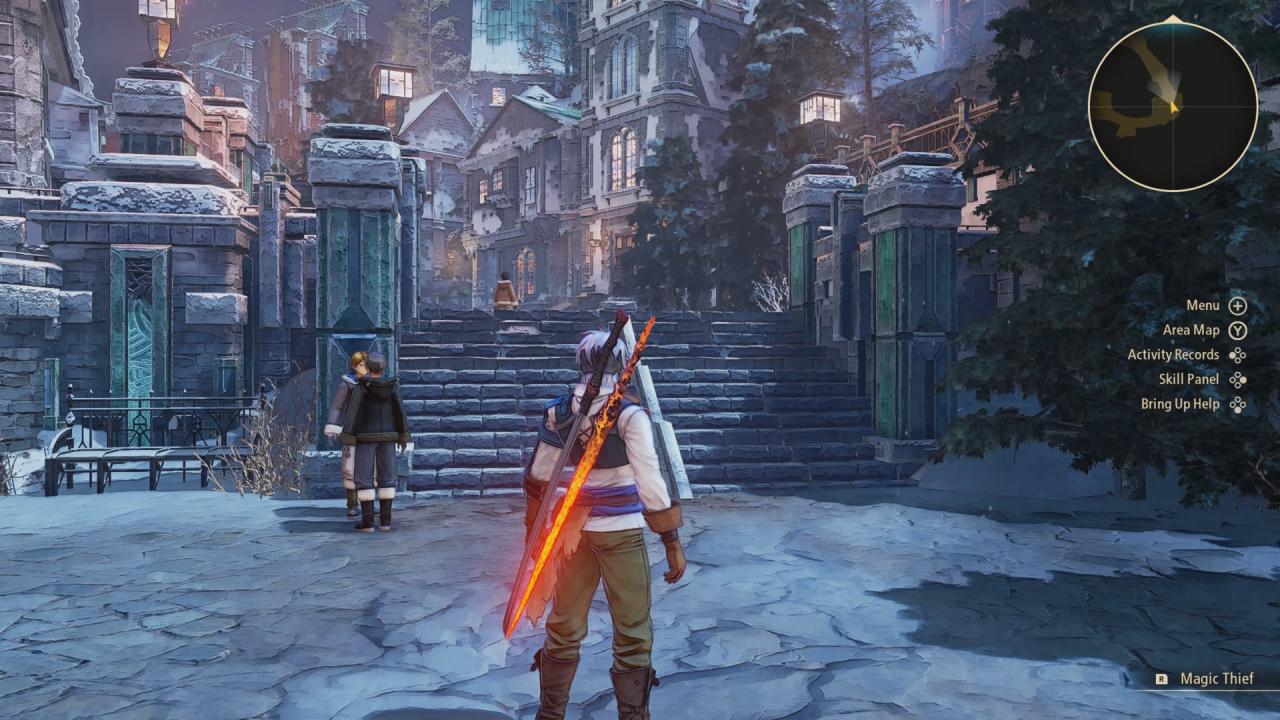
Many of the plot elements are delivered through side missions and smaller stories that focus on communities rather than major cinematic moments. In addition to helping towns rebuild infrastructure and resolve disputes between Dahnans and Renans, you help people adjust to their new lives. In principle, this grounded approach is more intimate than the standard escalation in role-playing games.
But in practice, many quests reduce complex political issues to dull fetch quests and predictable confrontations.
The story is drawn out because it keeps raising important social concerns, but never really goes into them. Characters discuss racism, mistrust, and systemic trauma that still remains, yet answers are frequently too simple and come from task completion. Tales of ARISE - Beyond the Dawn Edition hints at a more meaningful critique, but the game doesn't quite go deep enough to make those ideas fully land.
That lack of regularity is even more apparent in Nazamil’s character arc. The game has the cast bond with her emotionally very quickly, even though they haven’t shared many events. Some situations don’t go deep enough in terms of emotion, which makes scenes that should have a lot of dramatic weight feel weak.
Nevertheless, the work can be remarkably sincere at times. The original cast’s warmth is preserved in quiet campfire conversations, thought-provoking sketches and minor character interactions. Alphen and Shionne’s relationship still feels real, and supporting characters get enough screen time to remind fans why they became fans in the first place.
Also, the expansion is good because it doesn't change the finish of the original story completely. Instead of artificial conflict to keep the plot interesting, we get to see the emotional aftermath and rebuilding of civilization. That self-control is remarkable; however, the product seems overly cautious. Clearly, Tales of ARISE - Beyond the Dawn Edition is less about dramatic transformation and more about emotional consistency.
Tales of ARISE - Beyond the Dawn Edition is practically the same as the main game in the way it plays, and that’s both a good and terrible thing. The core fighting system remains one of the greatest in modern action RPGs. It mixes strong visuals, fast-paced action, and a variety of tactical elements. Fast-paced battles are thrilling when you strategize and work together with pals.
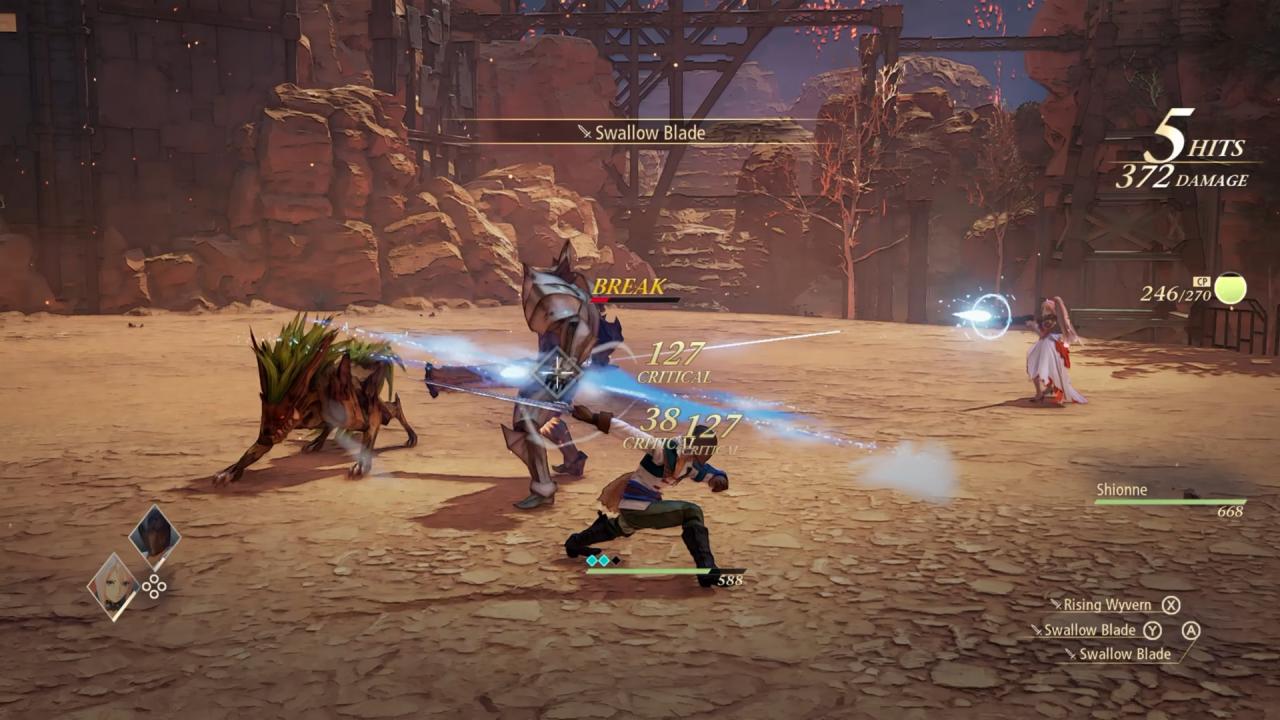
In battle, you control one of their party members and give instructions to the others. Plus, each character has their own unique fighting style, so it’s always fun and worthwhile to experiment. Alphen was skilled with the sword, Rinwell with elemental magic and Law with rapid martial arts techniques. The variety keeps battles both visually interesting and mechanically rewarding.
The best features of the combat system are still the boost strikes and team cohesion mechanics. Coordinated strikes by the player break up enemy patterns in dramatic ways, providing cinematic bursts of action that always reward good timing.
Tales of ARISE - Beyond the Dawn Edition knows that combat works best in action RPGs when it feels expressive, not repetitive.
Exploration follows the linear framework established by the original game. Environments are more like well-thought-out corridors connecting cities, dungeons, and battle arenas, rather than enormous open worlds. The focused pace helps the tale move along quite a bit, but some of you may find it restricting. The game isn’t too keen on wasting time with empty routes.
But there's a significant problem we can't ignore. Character progress from the original game does not carry over to the update. Equipment, levels and endgame planning are all thrown out the window, leaving returning players who put a lot of effort into the first release feeling immediately disconnected.
That design choice hurts emotional consistency because the expansion requires you to care about the story, but not to care about game progress at all. It could be irritating for a returning player to start over in a mechanically limited state after learning good endgame setups. It’s a weird omission that renders long-term player happiness substantially lower.
Repetition is also hard to deal with in dungeon planning. The settings are not new, but employ graphic materials and architectural ideas from the original game. Tales of ARISE - Beyond the Dawn Edition only features a few new dungeons. Many of them reuse the common themes for the environments and enemies of previous games.

Still, the fighting cycle is enjoyable enough to sustain things even when the narrative is less fascinating. There is still enough speed, enough quality of animation, enough tactical intricacy in each encounter to make progress exciting. Tales is one of the best action role-playing games out there when it comes to understanding how dynamic flow works.
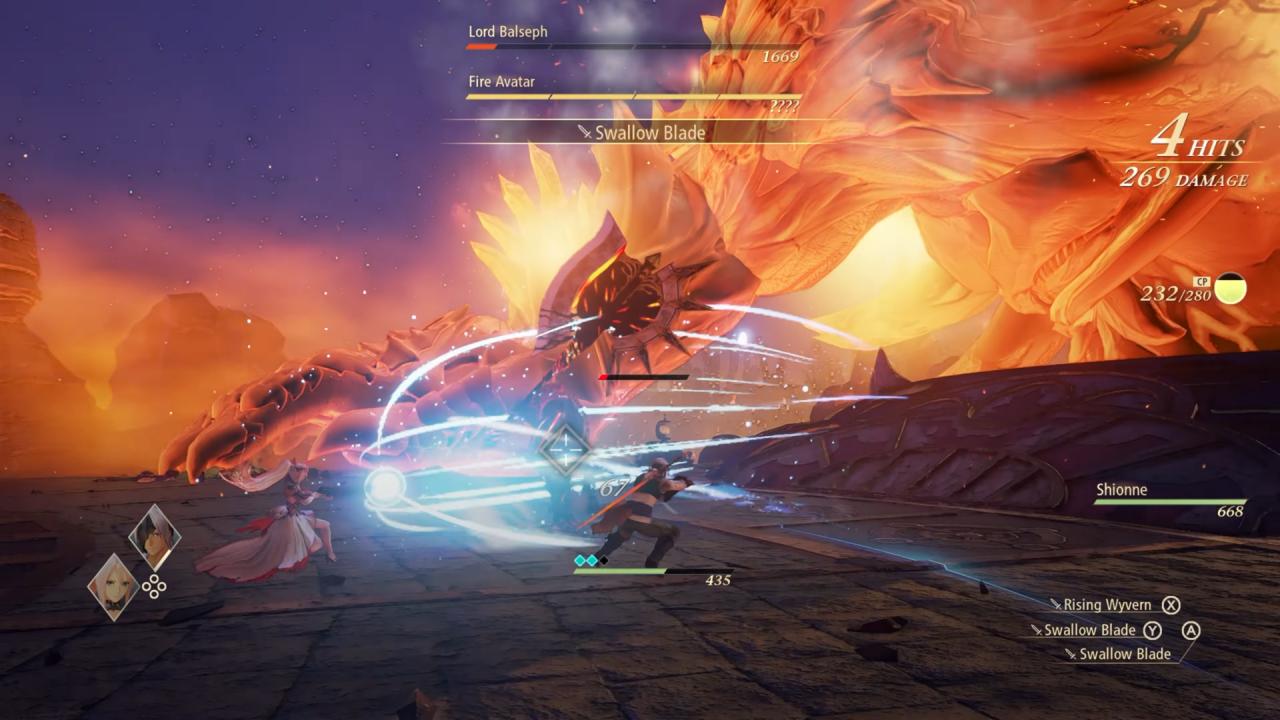
Still, the best thing about Tales of ARISE - Beyond the Dawn Edition is undoubtedly the battle. Encounters combine stylish action with subtle tactical decision-making. They invite you to artfully combine talents while taking advantage of weaknesses in the opposition. Every hit has an effect on the visuals, turning even simple fights into complex spectacles of color, movement, and particle effects.
Enemy design is still big on pattern recognition and group party synergy. Big enemies need your attacks to be timed carefully, and small enemies let you try out more daring combos. The reward for timing your boost hits perfectly in the movie is satisfying. This is especially true in protracted boss encounters when excellent synchronization can quickly shift the course of the game.
Boss fights are a good way to test how well the fighting system works.
Multiphase battles require you to constantly change locations and party compositions. This creates dynamic combat that is packed with mechanics but not overwhelming. Tales of ARISE - Beyond the Dawn Edition is still good at making battles feel like plays, without sacrificing their quickness.
However, the battle system is still a bit problematic from the original game. Late game opponents frequently have massive health pools, making fights longer than they need to without introducing any new strategic complexity. Sometimes they go into many ability spins when their opponents suffer too much damage before they drop.
The expansion also misses a significant opportunity by not adding any new playable characters. Nazamil seems to be of importance to the tale; you never have direct authority over her skills. The fighting system is so adaptable that the lack of meaningful mechanical advancements is all the more depressing.
Puzzles don’t have many moving pieces, if not fighting. Rarely does an environmental encounter get more complex than switching switches, walking straight lines, or doing simple dungeon tricks. The series has always focused on combat and story over puzzle complexity, and this game doesn’t really change that.
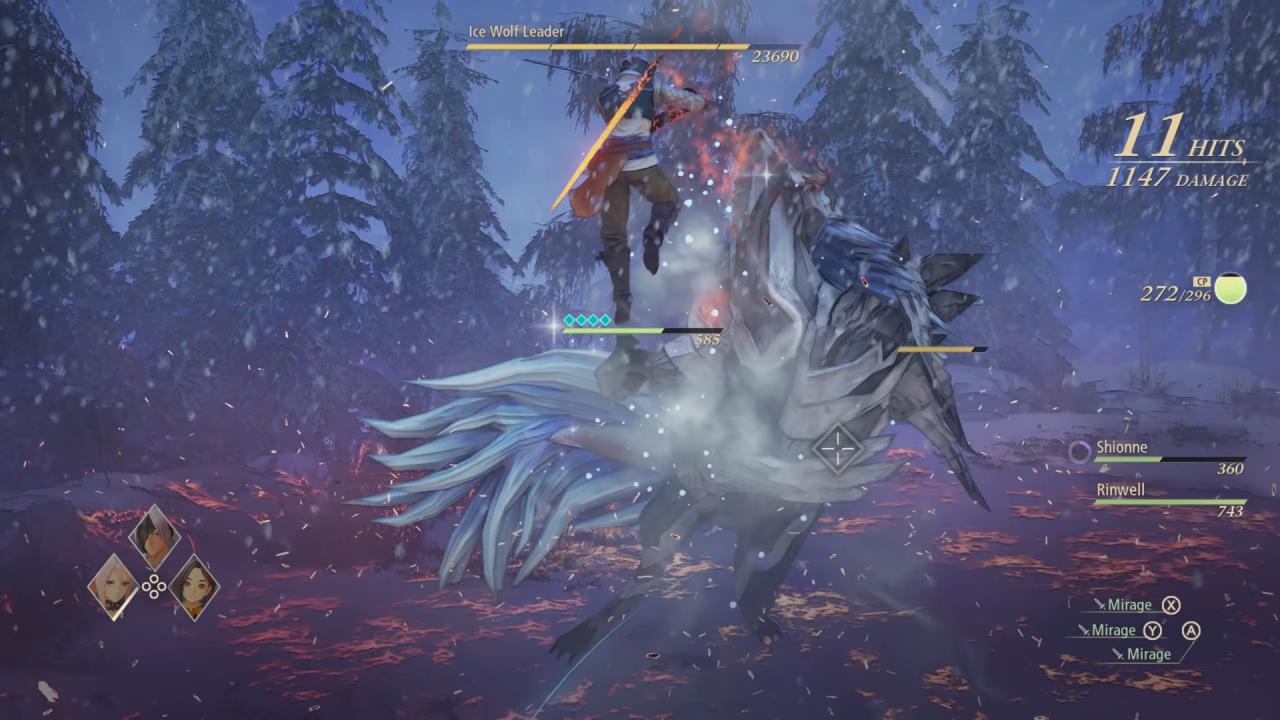
The overall expansion isn't really novel, but the main battle mechanism is robust enough that otherwise boring stuff is made more engaging. Tales of ARISE - Beyond the Dawn Edition allows you to become immersed in the exhilarating flow of battle, and it works incredibly well.
The finest part about Tales of ARISE - Beyond the Dawn Edition is how its fighting hits that balance of being easy to pick up and having quite a bit of depth. New players can rely on visual effects and basic combinations to progress, while more experienced players can experiment with intricate flying chains, elemental strategies, and party optimization systems. This freedom to layer makes battles interesting for dozens of hours.
The quality of the animation has also been lauded. Heavy sword swings, magic with a bang, and character-specific skills show who they are through movement. Each exchange feels deliberately choreographed with movie-like precision, maintaining the blockbuster feel.
Because of party synergy, involvement is considerably stronger. Switching between characters mid-fight gives variety to the approach while keeping the pace fluid. Tales of ARISE - Beyond the Dawn Edition rarely has boring confrontations, since each party member brings a highly different set of fighting rhythms and tactical possibilities to the table.
But repeated hostile experiences make the long-term exhilaration less potent.
A lot of the confrontations feel a little too similar, as the sorts of adversaries don’t really change much throughout the expansion. The discovery that made Tales of Arise feel so fresh at the outset is steadily eroded as opponents are recolored, and battles are performed over and over again.
It is becoming more and more difficult to ignore the fact that there are no major mechanical additions. Usually, expansions work by adding new features to existing systems. Such as new characters, abilities, or ways that enemies act. However, Tales of ARISE - Beyond the Dawn Edition relies almost solely on familiarity, so it feels more like supplementary content you can download instead of a fresh story that alters everything.
But the battle architecture is unique enough to allow for less well-thought-out design decisions. Combat in action RPGs is not usually as fluid, expressive, and emotionally fulfilling. There are not many changes, but the system still feels modern, responsive, and very rewarding.

Tales of ARISE - Beyond the Dawn Edition follows the usual role-playing game mechanics of gaining experience points, unlocking skills, upgrading weapons, and making the greatest use of resources. You gain experience via battling foes, while side quests and optional encounters provide even more opportunities to advance. Under normal development, the pace usually keeps things from grinding too much.
The title system introduced in the original game is still used for developing skills. Gaining Artes, passive bonuses and statistical upgrades are received by characters as they fulfill battle goals and progress through the story. It’s a simple structure to grasp and utilize, and it encourages experimentation with different combat methods.
The problem is that advancement feels so far removed from the original game. When they come back, they lose all the levels and gear they’ve won so far, so they feel like they’re going backward right away. Tales of ARISE - Beyond the Dawn Edition doesn’t always feel like a natural extension. It can feel like an entirely different campaign awkwardly sewn onto the ongoing plot line at times.
You don’t really need to grind very often, save for optional material and a few late-game confrontations. Standard difficulty is still very easy, so you may simply progress through plot material without worrying too much about your stats. This ease of entry really speeds things up and keeps the focus on the story and flow of battle rather than boring farming.
Side quests provide you with important prizes, but their story quality varies a lot.
Some develop character relationships well, others descend into dull chores like killing the same enemies repeatedly. Unfortunately, the sheer volume of secondary content might bog down the emotional tempo instead of adding to the world-building in a meaningful way.
These flaws are frustrating, so progress is still rewarding, as battle is still so enjoyable. New Artes and party combinations always shake things up and keep things interesting even when the tale slows down. Tales of ARISE - Beyond the Dawn Edition acknowledges the importance of automatic reward loops in lengthy role-playing games.
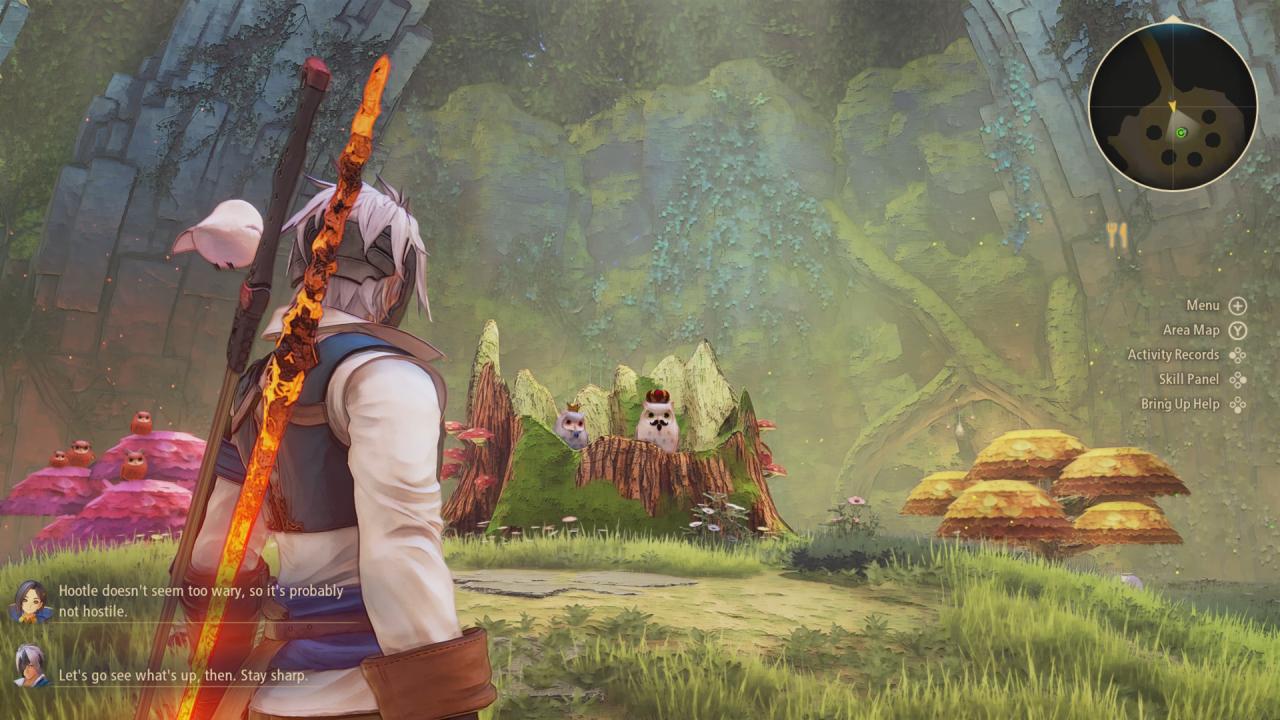
Tales of ARISE - Beyond the Dawn Edition still looks gorgeous. The first game was already one of the prettiest in the series’ visual treatment, and the expansion does a terrific job of retaining that painterly look. The character models are anime-styled, but the landscapes are quite realistic, which makes the world feel both magical and genuine at the same time.
Lighting gets a bonus point here as it’s never a bad thing, whether you’re exploring or battling. Cinematic warmth drapes devastated cities in sunlight, magical weaponry bursts with vivid intensity on battlefields and at night, the scenery glistens with dramatic depth. The way the story is shown visually always adds to its emotional impact.
The combat results are still especially amazing. Every fight is a show you can see, with bright colors and smooth animation and elemental attacks flashing across the screen. The Tales of ARISE - Beyond the Dawn Edition is still one of the best fighting visuals in the modern role-playing game.
By contrast, technical flaws are more evident on devices with less power. The Switch 2 version contains lower-quality textures, less realistic surroundings, and shorter draw distances than the more powerful devices. It still looks remarkably crisp in handheld mode, although playing docked can often exhibit less-than-stellar picture quality and uneven representation of the surroundings.
The load times are too long for today’s systems as well. Some modifications take too long, especially compared to newer role-playing games that make greater use of solid-state storage. These gaps don’t destroy the experience totally, but they do make it tougher to focus on one item for long periods of time.
Still, the artistic approach is so powerful that it hides most of the technological problems.
Tales of ARISE - Beyond the Dawn Edition is always rich with locations and character designs full of emotional depth. This gives the planet an appearance of life, even as gameplay mechanisms repeat themselves. But one of the best things about the series is the sound design.
The orchestra delivers a soundtrack that is consistently immersive, featuring sad piano pieces, upbeat fight themes and moody environmental pieces. The musical movement is fluid, from contemplative thought to exhilarating action, with an emotional momentum that takes you on the journey.
The voice acting is also still extremely good. Both casts (in English and Japanese) provide performances that are highly credible and stay true to the franchise's earnestness. The determination of Alphen, the guarded vulnerability of Shionne, and the emotional isolation of Nazamil work because the performances are always grounded and never over-the-top.
Meetings are significantly more heated with combat audio. When swords hit, they hit. Magic powers explode with big power. Character callouts make it natural to work together throughout the fight sequences. The developers of Tales of ARISE - Beyond the Dawn Edition understand that audio feedback can make combat go from being a mechanical pleasure to an emotional rush.
The ambiance of the environment gives a little depth.
A mixture of crowd sounds and distant conversations gives a sense of life in busy places, while subtle ambient effects give you a feeling of solitude in the more silent wilderness locations. These minor details add to the feeling of immersion in the exploration scenes.
One thing that could be stated against it is that some musical themes will play over and over again during vast swaths of side missions. Repetition can sometimes lessen the emotional impact, especially when longer game sessions make routine goals the main focus. Nevertheless, the music is always well-produced and emotionally effective.
Tales of ARISE - Beyond the Dawn Edition is made in a challenging art environment. It’s not big enough to be a life-changing thing, yet it’s not small enough to be easily dismissed as just another piece of downloadable stuff. If you are a player who has emotional investments in the original cast and world, the expansion works best as an emotional ending.
The combat system is still a work of art, delivering fast-paced engagements with a lot of tactical intricacy and great visuals. The connections between the characters still feel genuine and captivating, and the emotional sincerity that distinguished Tales of Arise from other books in the genre remains in the more subdued moments of the story.

However, the extension also suffers from many difficulties with repetition, reusing content, and not expanding on the subjects enough. Nazamil’s story potential feels only half-realized, progression resets break up the flow, and a lack of meaningful gameplay innovation keeps the experience from reaching its full potential.
But there’s no denying the ease of returning to this reality. Tales of ARISE - Beyond the Dawn Edition players clearly cared a lot about these characters, so it always opts for emotional familiarity over dramatic change. This can limit your aims, but it does a great job of keeping the spirit of the original voyage alive.
Ultimately, the extension functions better as a reunion than as a discovery. While the story and gameplay improvements don’t always match the game’s big goals, it gives fans another chance to spend time with their favorite characters in one of the most beautiful worlds in the genre. For the true fan, that emotional connection may be more than enough.
Contributor, NoobFeed
Verdict
A visually stunning and emotionally sincere epilogue elevated by exceptional combat and strong character chemistry. Tales of ARISE - Beyond the Dawn Edition struggles with recycled content and limited innovation, but still offers meaningful closure.
80
Related News
No Data.