
Titanium Court Review
PC
A surreal match-three roguelite that turns courtly war, faerie logic, and puzzle design into a strange act of strategic theatre. A work of odd beauty, but players must enjoy uncertainty as much as victory.
Reviewed by Zahra Morshed on Apr 22, 2026
It's funny, smart, wild, and sometimes frustrating, which is how bold experimental games often are. It's cute because it doesn't act like a normal puzzle game, even when the match-3 base starts to feel shaky. Titanium Court is the kind of independent game that doesn't look like it was made in a lab and more like it was found in a dream with bad signs.
It was made by AP Thomson and released by Fellow Traveller. It has the mark of a writer who is used to working with strange methods and making strange jokes. The linked information describes it as a mix of match-3 puzzles, roguelite structure, tower defense pressure, deckbuilding choices, and the feel of a low-fidelity visual novel.
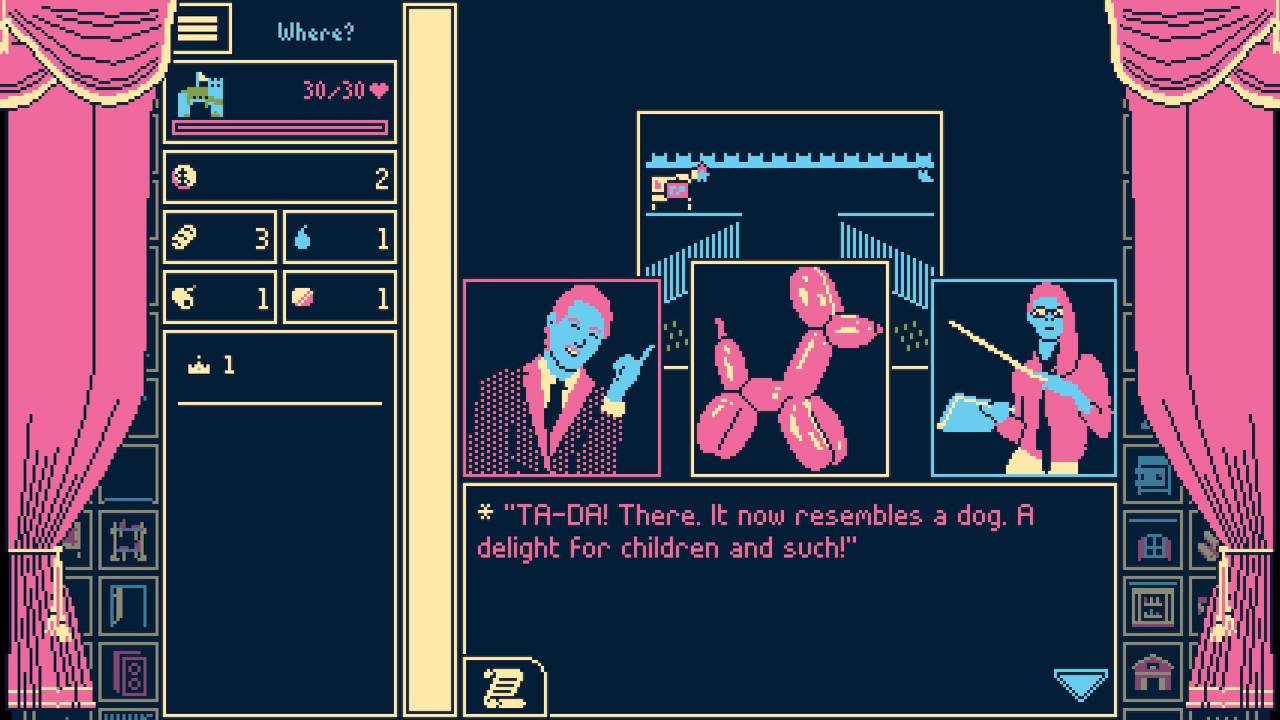
That sounds like a lot of information, but the most impressive thing about the game is how easily those parts start arguing, dancing, and falling into each other. AP Thomson has already shown that he likes to turn everyday mechanics into social, economic, and strange forms. It turns into a strange, polite machine here, where pattern recognition isn't just pattern recognition and a battlefield can feel like a joke with real effects.
The game is different from other roguelites because it doesn't use the genre's rules as a guide.
Instead, it uses them as an outfit, a stage prop, and a philosophical joke. Not only does it ask you to win, but it also wants you to think about why winning has become such an important habit. At the start of Titanium Court, the main character, who doesn't have a name, is mysteriously ripped from normal reality and put into a warring fairy realm.
This stranger almost accidentally becomes queen of a royal court where people talk in riddles, jokes, broken English, and skewed symbolic logic. The red court must be fought over and over, even though the fight doesn't seem like a noble mission and more like an old habit with no moral center. The story has a lot of depth because the game turns endless roguelite repeating into a question about meaning, duty, and play.
There isn't a clear hero's journey in the story. It acts more like a theater broken up by red tape, corporate satire, fairy-tale language, and the nervous laughter of a world that has lost its rules. The folklore is purposely unstable, but it's never careless. It has Puck, advisors, landmarks, curses, keys, roads, signs, and strange courtly jobs. The writing sees nonsense as structure, not decoration. This makes the story feel naughty instead of random.
Tone is the best thing about the story. A road sign turns into a rune, a polite argument into semiotics, and an absurd thing on the grid can all of a sudden be more important than a battle plan. Misunderstandings are always funny in this game, especially when faeries come across human systems that don't have the cultural background that makes them normal. The most unique thing about the writing is the funny gap between the different types of humor. It's like a mix of a stage comedy, a puzzle box, and a political cartoon.
Still, there are times when the story moves too quickly for its own good. Since new clues, findings, and events happen all the time, the sense of mystery can feel guided instead of truly resistant. The game does a good job of pushing the player forward, but its strange world could use a little more silence around its secrets at times. Still, this court's voice is so clear that most players won't mistake it for anything else.
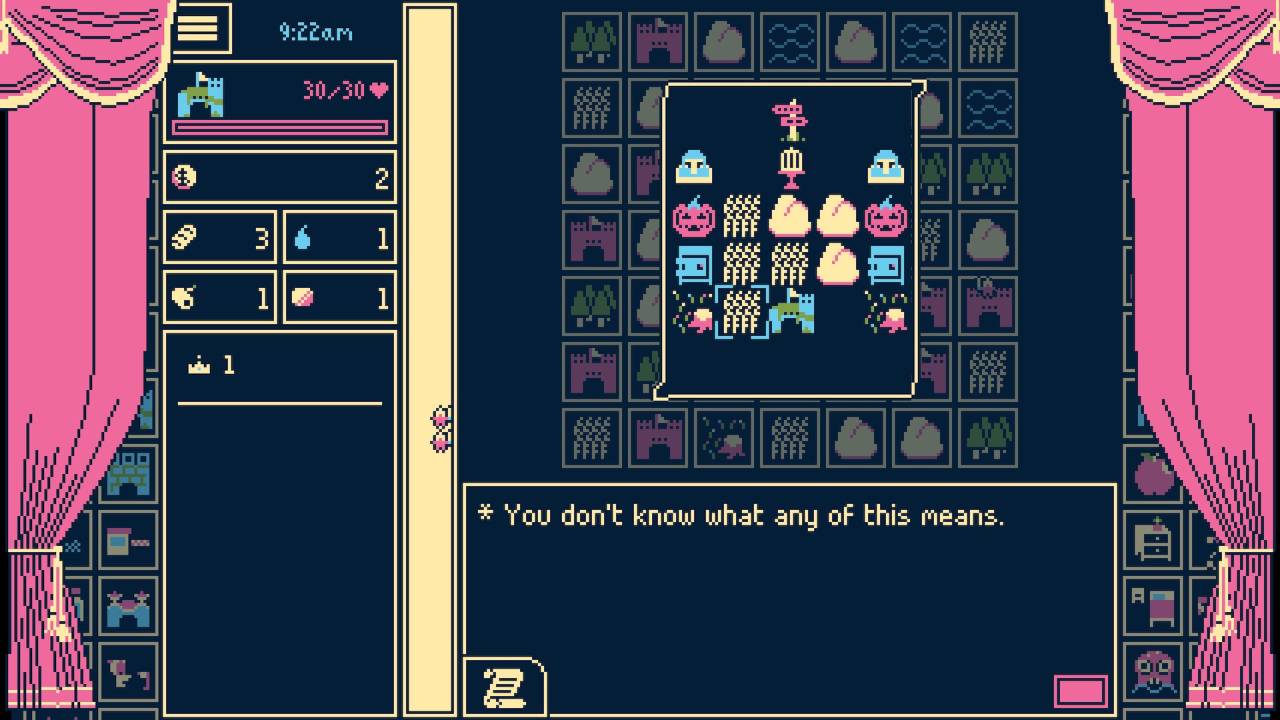
Titanium Court is based on two stages each day: High Tide and Low Tide.
Each stage requires a different type of knowledge. During High Tide, you slide tiles to match terrain and items. You do this while gathering resources such as food, water, rocks, and wood. In the same small grid, there are enemy blocks, useful buildings, shops, hospitals, dangers, rivers, mountains, and strange events all trying to get your attention. Every move takes time, and every game can either make the court stronger, make the enemy weaker, or ruin a good defensive plan by mistake.
When Low Tide hits, it locks the board and turns planning into survival. After resources are spent on units, spells, structures, gatherers, or defensive tools, the battle instantly starts and goes on like a small tower defense game. Attacks must be able to stop or destroy enemy courts, but direct action stops once the fighting starts, so getting ready is the most important thing. The way the game is set up creates good tension: the player's smarts come before the chaos, and the outcome shows whether they were enough.
The court moves toward bosses through an overworld grid between fights. They can choose from routes that are shaped by tile types, enemy threats, resources, and events. Every run has a different battlefield, and based on the court job or cards that are available, each battlefield may favor a different strategy. It's rewarding to destroy things aggressively, to defend yourself, to change the economy, and to do jobs that seem meant to make old assumptions fall apart.
This shifting of who you are gives the game a strong roguelite beat that doesn't just depend on stat inflation. The exploration of the ground around the ball adds a second type of play. As you click through low-fidelity environments, you'll meet strange people, try to avoid curses, figure out what jokes mean, and find systems that change the main game rules. As a side activity, matching tiles can be changed into shower thoughts, ladder building, or other experimental takes on the same tile reasoning.
These parts are important because they keep the game from just being a run-based optimization machine. The fight starts long before the enemies move. In the puzzle part, you have to get the land ready by matching tiles, getting rid of threats, gathering resources, and putting the court behind natural walls. Normal attackers may not be able to get through water or mountains, and enemies who have been killed may never make it to the fight at all.
But a useful defense pattern can disappear in a chain reaction, turning a good match into a beautiful disaster.
The fight layer is short, sharp, and mostly done automatically. Once the board is stable, enemy units will come out of any hostile buildings that are still there, while the player's bought forces try to defend the court or attack back. Your success depends on how well the units, terrain, spells, and buildings you choose defend against the threats that made it through the matching step. When planning goes well, the end can feel very fair, but when the board doesn't give the tools needed, it can feel very indifferent.
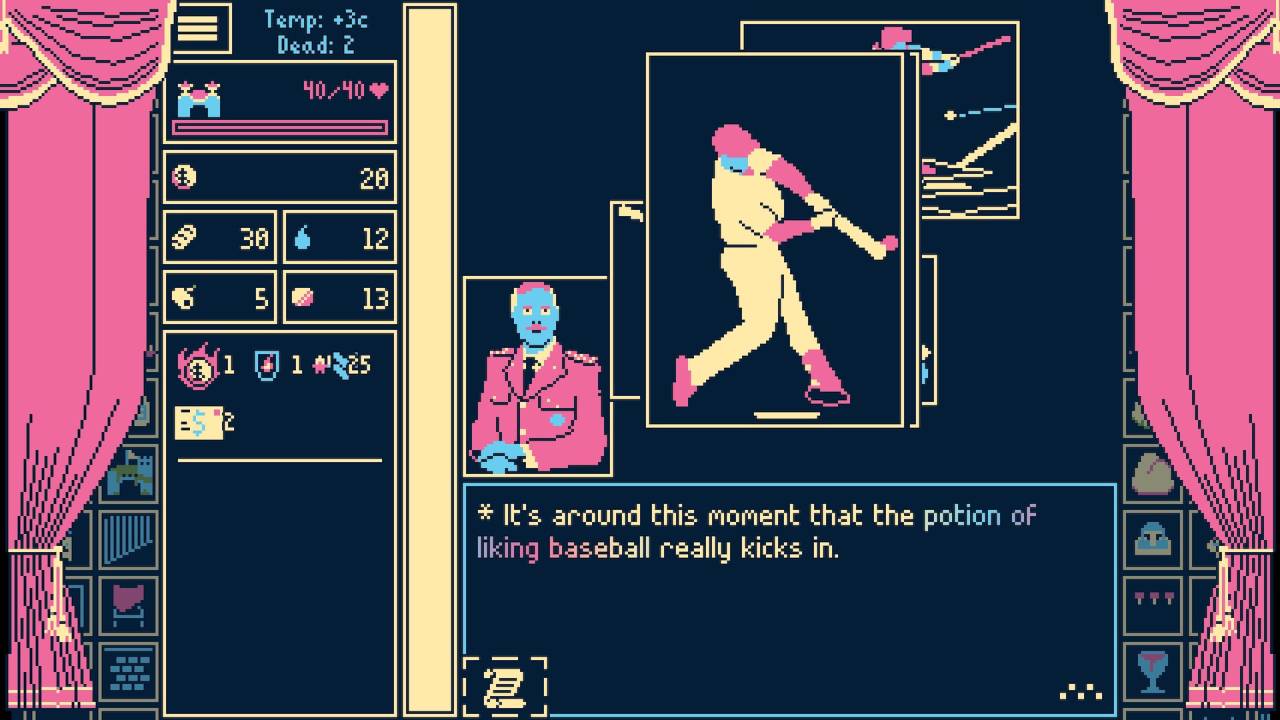
Boss fights make the system's character stronger. Every big enemy can ask for a different response, and wins can be offensive, defensive, economic, or even more unusual than those labels suggest. The game makes people think about not only their enemies but also the ways they can be dodged, slowed down, used against them, or changed. Because of the different levels, the puzzle-combat loop is more strategic than a normal tile-matching game.
What people find interesting about the method is also what makes it controversial. Match-three games offer a small amount of certainty, but the roguelite world around them thrives on doubt, hidden interactions, and results that depend on other factors. The player may know what the right strategy goal is, but they may not be able to create the board state that will help them reach it.
This friction is an important part of the experience, but not every strategist will find it rewarding in the same way. The best thing about puzzle-combat is that each tile can have more than one meaning. A forest is a resource, a possible match, a piece of geography, an empty spot in the future, and it could also be what keeps the court from disaster. If you want to keep a shop, you have to turn down a match that could have paid for a better defense.
That density turns easy movement into real, tactically rich decision-making. The method is also great at making short dramas. One match can clear a way, eliminate a threat, start a chain reaction, fund a unit, or destroy the only thing standing between remaining alive and going to hell. Being able to end a battle quickly means failure doesn't last long, and victory feels like a plan that sticks together.
The loop is both clear and addictive, like a good puzzle, but also unpredictable, like a roguelite freestyle.
Control is where the problem lies. Randomly making a battlefield can make decisions feel less like hard ones and more like bad contracts from which there is no way out. When there aren't enough resources or health, and all the ways lead to tough enemies or terrain that can't be used, strategy can feel trapped under the weight of chance. There are ways to undo actions during game stages and meta-progression between deaths, but these features don't always make the harsh randomness of the game less painful.
At the heart of the design is also a philosophical clash. Match-three games usually give you pattern pleasure, visual satisfaction, and instant feedback. This game, on the other hand, often asks you to do the same things to help your long-term strategy. That fusion is a big goal, but it can make matches feel like work instead of fun during tough runs. This level of detail might be addicting for players who love sliding tiles, but players who aren't crazy about the concept might start to feel resistance.
Titanium Court doesn't rely on traditional grinding for experience; you can move forward by losing over and over, finding new things, unlocking them, and getting comfortable. The run stops when the court falls, but failure fills up a Comfort glass that gives new advantages for future tries. This sets up a soft meta-progression system where loss is more like a strange lesson for the court than a complete restart. The method fits with the theme because doing something over and over again turns into a routine, and rituals become a way to move forward.
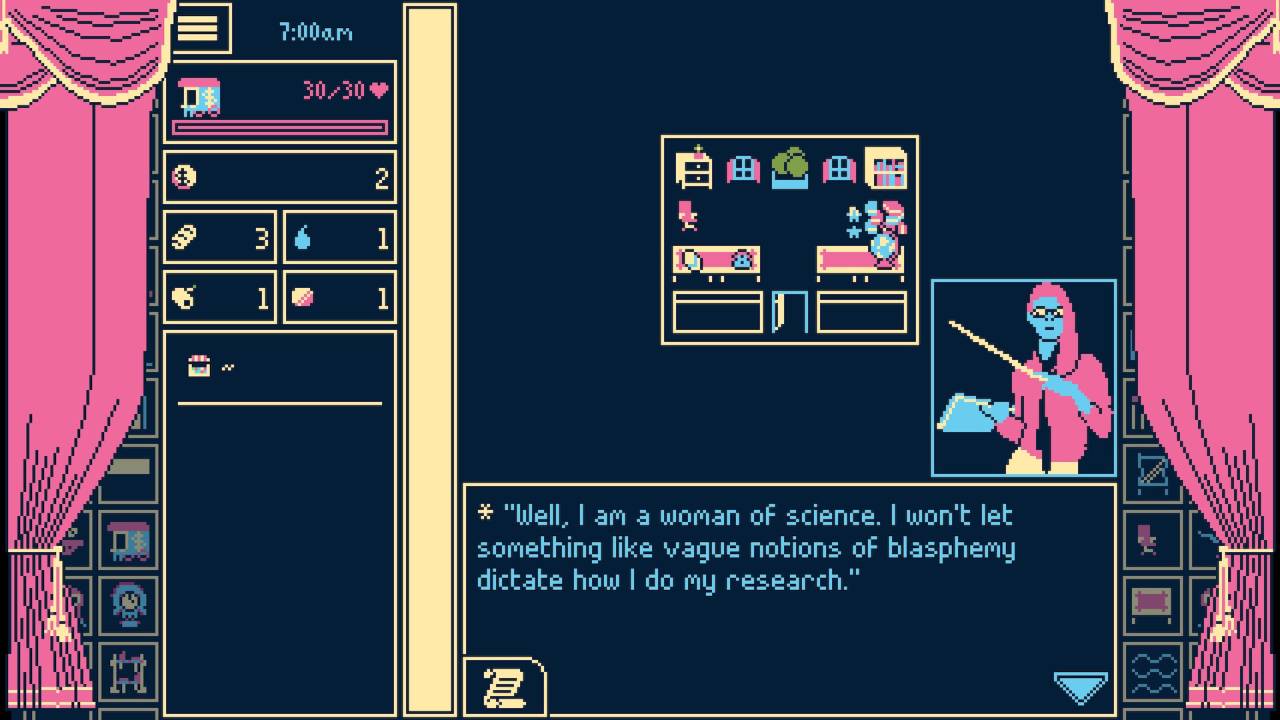
Over time, new jobs that can be unlocked, modifiers, side systems, and court additions expand the strategy language. Not only do new tools increase the number of people, but they also change what the player wants from the fight and which risks they are willing to take. A job that makes money from damage, obstacles, enemies, or strange landscapes can turn common tiles into new chances. That's a more interesting way to show development than just "power creep" because it changes both how things are understood and what they can do.
The way the game progresses also makes you want to try new things. Players are encouraged to try out strange tactics, keep strange items, follow strange routes, and find out what the court's systems are hiding. Experimenting can still feel like a waste of time when a good run ends because the right shop, hospital, resource spread, or board design never shows up. The reward system keeps people interested, but it can't take away the anger of a run that was ruined by bad alignment.
As a result, grinding here is more mental than physical.
People are hooked on the game because they know that each new try will reveal a new rule, joke, crown, or way through the crazy machine. It doesn't ask for endless battles to fill a bar, but it does ask for endless giving up on what you know is true. For the right people, that surrender might feel kind; for others, it might feel like being teased by a wise but unreliable prophet.
Titanium Court's brand identity is purposely simple, but it's also clear that it was carefully put together. Its low-resolution pixel art, dramatic framing, pastel energy, images of office life, clip art breaks, and stage-like compositions make a world that looks like it was put together from memories and mischief. Characters can look like tiny outlines or symbolic movements, and pop-up images can make wins and events seem a little too fake. This is not visual richness measured by accuracy; this is style measured by trust.
The visual language works because it fits with the main joke about what things mean in the game. Courts, markets, castles, fields, rivers, mountains, road signs, and silly inserts all look like signs that are just ready to be misread or reinterpreted. It's possible to read the battlefield, but it's also weird enough to tell players that everything here is part of a show. It's hard to find that balance between being clear and making things up for show, but the game often does a great job of it.
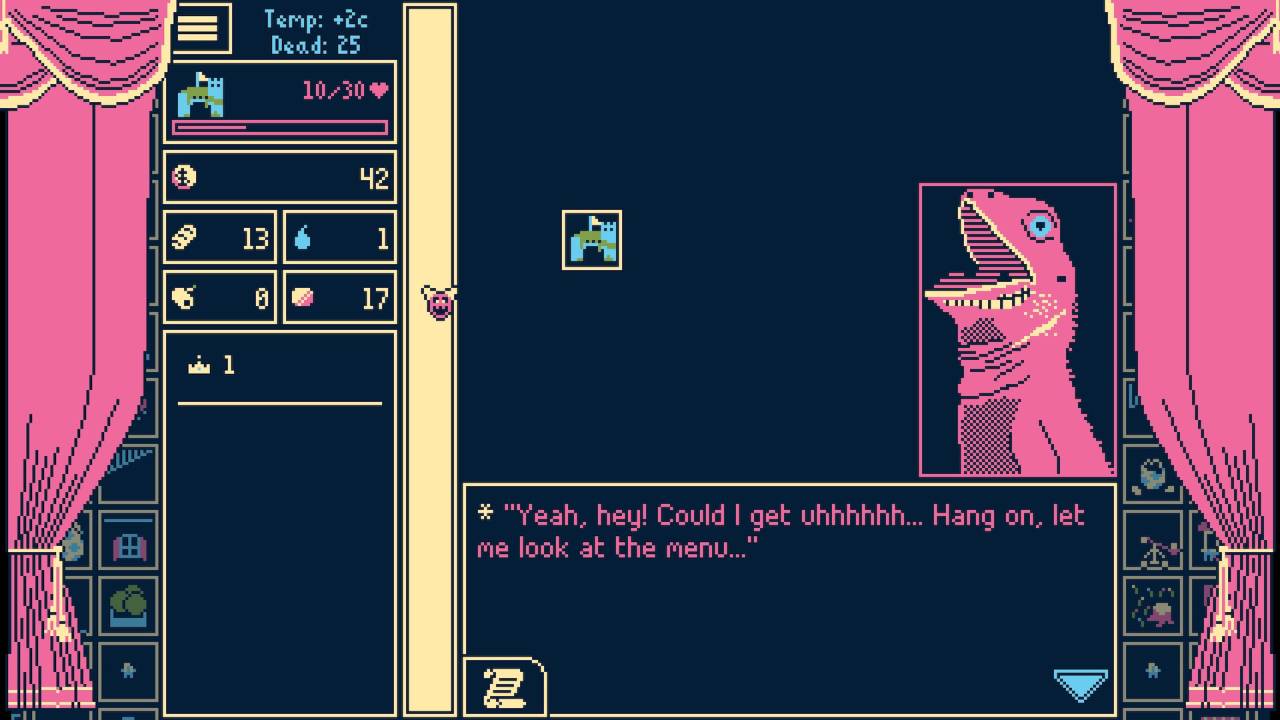
There are some good things about mobility worth noting. There are many fonts to choose from, screen-shake controls, text-motion options, and other settings. This shows that style should not be an issue. Text that is easy to read is important, especially in a game that relies so much on language, jokes, hints, and details. The result is friendlier than its strange look might suggest.
Some things could still be clearer. The grid might be easier to understand for players with different sight needs if it had tile names, more contrast between icons, or a cursor that was easier to see. When the board already makes things unclear on purpose, a game this complicated needs all the help it can get to avoid accidental confusion.
It has a great visual style, but it would be more welcoming if it were easier to read. This would not hurt the art.
Titanium Court approaches sound with the same strange intelligence that shapes its writing and art. In order to keep its strange charm from wearing out the ear, music comes in short bursts rather than all at once. In the source material, the music is called strange, catchy, jazzy, lo-fi, and sometimes purposely off-key. In a world where courtly war can feel like a show put on inside a broken computer, that uneven theatricality works well.
The best audio clips treat fighting like a ritual rather than a show. Instead of resorting to military jargon, the game often sounds fun, creepy, and surprisingly calm, given that it's about war over and over again. The difference between the two makes the battlefield seem strange, as if violence has been translated into fairy logic and corporate lounge music. This is a brave choice for a tone, and it helps the game stay away from the usual sounds of dark fantasy roguelites.
Most sound effects are simple but serve a purpose. Instead of giving the player too much feedback all the time, the restraint keeps their attention on the board, the writing, and the flow of their choices. Some sound or music accents can feel like the commas that finish a joke that the game has been building up to for a while. That careful spacing helps keep the food fresh over many runs.
Still, the sound might not please all listeners. Some pieces and effects can be annoying or seem too strange, especially during long sessions or when they keep failing. It's clear that the sound design is creative, but its charm depends on how much you like the game's overall dramatic weirdness. People who are already tuned into that range may hear personality, while others may sometimes hear noise.
Titanium Court is one of those rare games whose flaws are an important part of what makes it great. It's weird, overstuffed, sharp, self-aware, and sometimes excessive, but its weirdness feels purposeful, not careless. The writing is the best anchor; it has the energy of a fool who laughs at the world because it keeps being silly. That voice makes even a frustrating run feel like it's full of smarts, fun, and welcome.
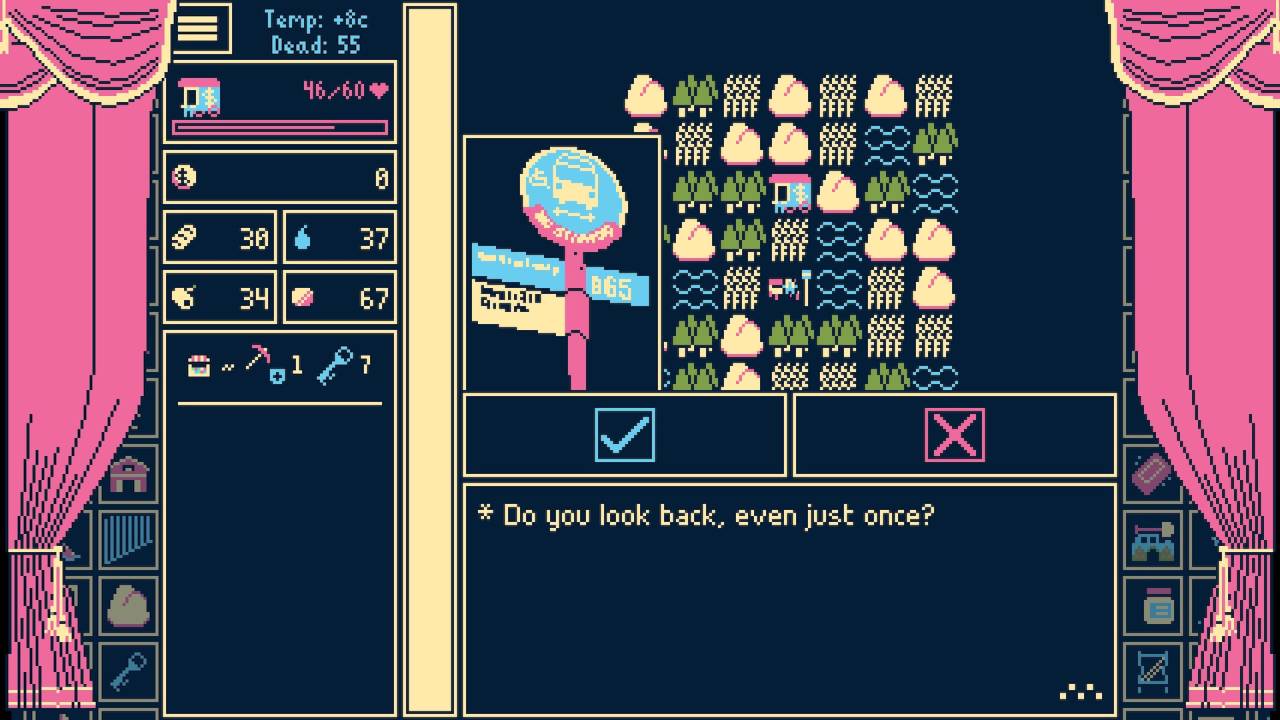
It's more serious than its fun look makes it seem as a strategy game. The match-3 grid, resource economy, terrain management, court jobs, autobattles, boss routes, and meta-progression all work together to make a very complex tactical web. When the game is at its best, each move feels like both a puzzle and a political choice in a crazy kingdom. At its worst, it lets chance fight planning go too hard, leaving clever play too little room to grow.
The suggestion depends heavily on how well the player understands how match-3 games work. If you like tile sliding, roguelite resets, weird writing, and experimental design, this could become your new passion. People who really don't like match-3 games might admire the art while having a hard time enjoying the game that takes up so much time. The game is very good, but that doesn't change the requirements of the base it was built on.
In the end, this is a unique piece of work that should be noticed because it changes the way a puzzle roguelite can sound, read, and think. The very fact that it's not safe is what makes it feel important in a market full of polished familiarity. The court is weird, the war is silly, the systems are hard to understand, and the jokes come with knives hidden in their bells. This is a royal offer that players who are ready to meet it on its own terms should accept.
Contributor, NoobFeed
Verdict
Titanium Court is a brilliant, strange puzzle roguelite with sharp writing and bold systems, though match-three friction and RNG may divide players.
74
Related News
No Data.