
Tomodachi Life: Living the Dream Review
Nintendo Switch 2
A chaotic social simulator that thrives on creativity. Digital personalities collide, and everyday life becomes beautifully absurd.
Reviewed by Asura Kagawa on Apr 17, 2026
Nintendo has always been good at turning basic things into fun games. The firm has brought back one of its oddest games, Tomodachi Life: Living the Dream, and changed it to match the needs of today's gamers who want to be able to customize their games and explore new things.
This game takes the cult hit from the first 3DS game and adds more social upheaval to the playground while preserving the series' trademark appeal. It's not a new concept; it's an upgrade that focuses on stories told by you. The Tomodachi series will only be successful if it can make the line between reality and silliness less clear.
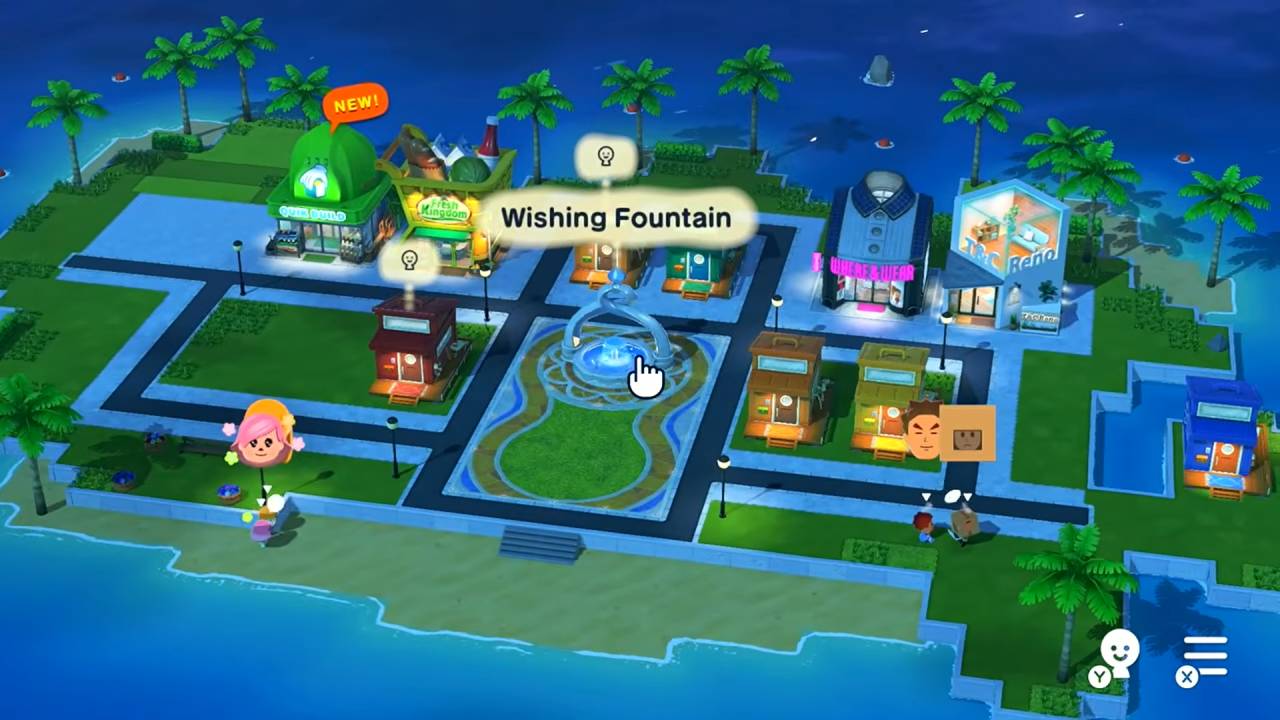
Tomodachi Life: Living the Dream is different from other life simulations because it does not have set goals.
Instead, it uses emergent behavior to replace them, which lets characters make up their own stories. This way of thinking is still present here, but customization and individual expression are given more importance than ever. Tomodachi Life: Living the Dream also shows that Nintendo is always trying to listen to what you have to say.
More creation tools, more interactive dynamics and more relationship options show that developers are ready to improve something that appeared experimental at first. That being said, this goal comes with costs, especially in places where depth gives way to novelty. Things that do not make sense are what make Tomodachi Life: Living the Dream what it is. At the same time, it is very interesting and pretty quiet. It is open and closed at the same time.
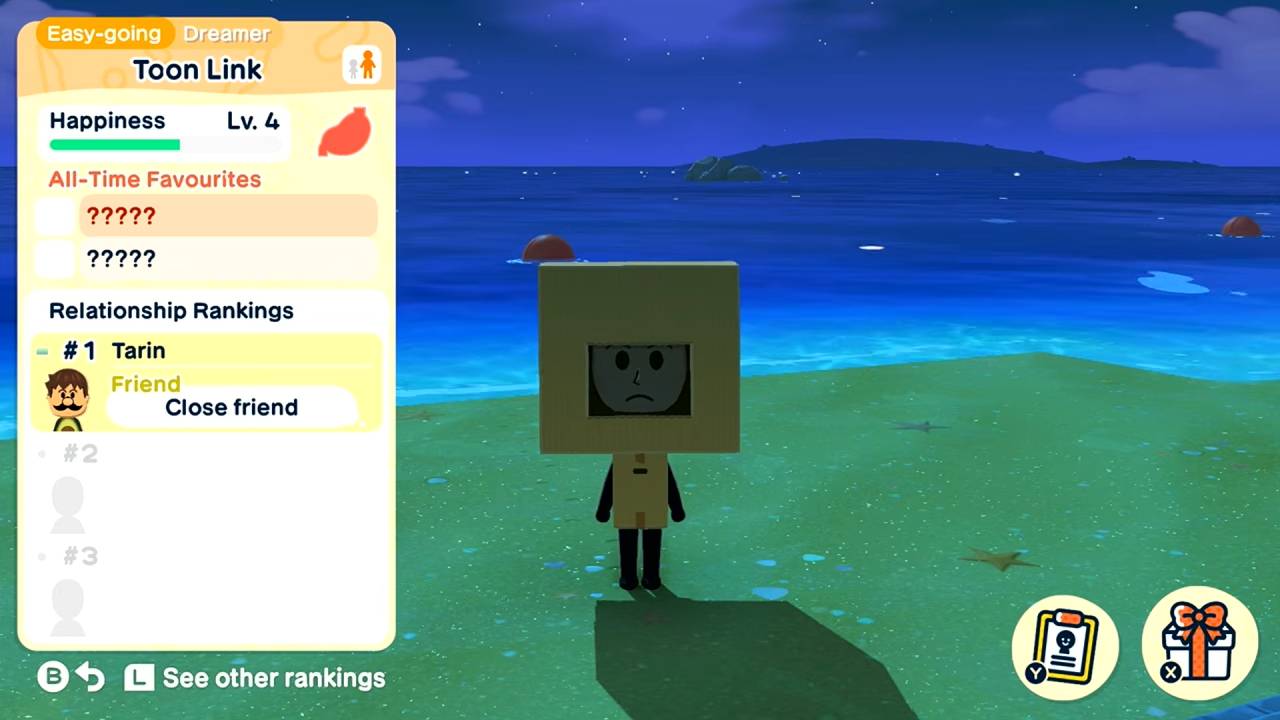
Being tense is what makes it what it is: a game that lives on what it lets you think rather than what it tells you to do. The plot of Tomodachi Life: Living the Dream is not like most stories. In fact, Miis automatically do it when they talk to each other. There is a personality, likes and quirks for every Mii. Player characters are more like observers than major characters; they help tell the story but do not have full control over it.
The island turns into a stage where relationships change in ways that are hard to predict. As relationships between people grow, rivalries start to form, and love entanglements get more complicated. One moment might include a sincere statement, and the next may turn into a hilariously silly situation caused by personalities that do not go together.
Tomodachi Life: Living the Dream does a great job of making these real-life moments. The story is formed by what you do, from making people to choosing what they talk about. This makes the experience very unique, so no two times you play feel the same.
But not having a clear story can also make things feel less wide open.
It might be hard for some of you to keep going if there is no clear road or main goal. If people aren't interested in the story, the experience might not feel like it has a point. In the end, Tomodachi Life: Living the Dream is better as a story sandbox than as a picture book. People can use it to make up stories that are fun and random, like a mastermind who plans chaos.
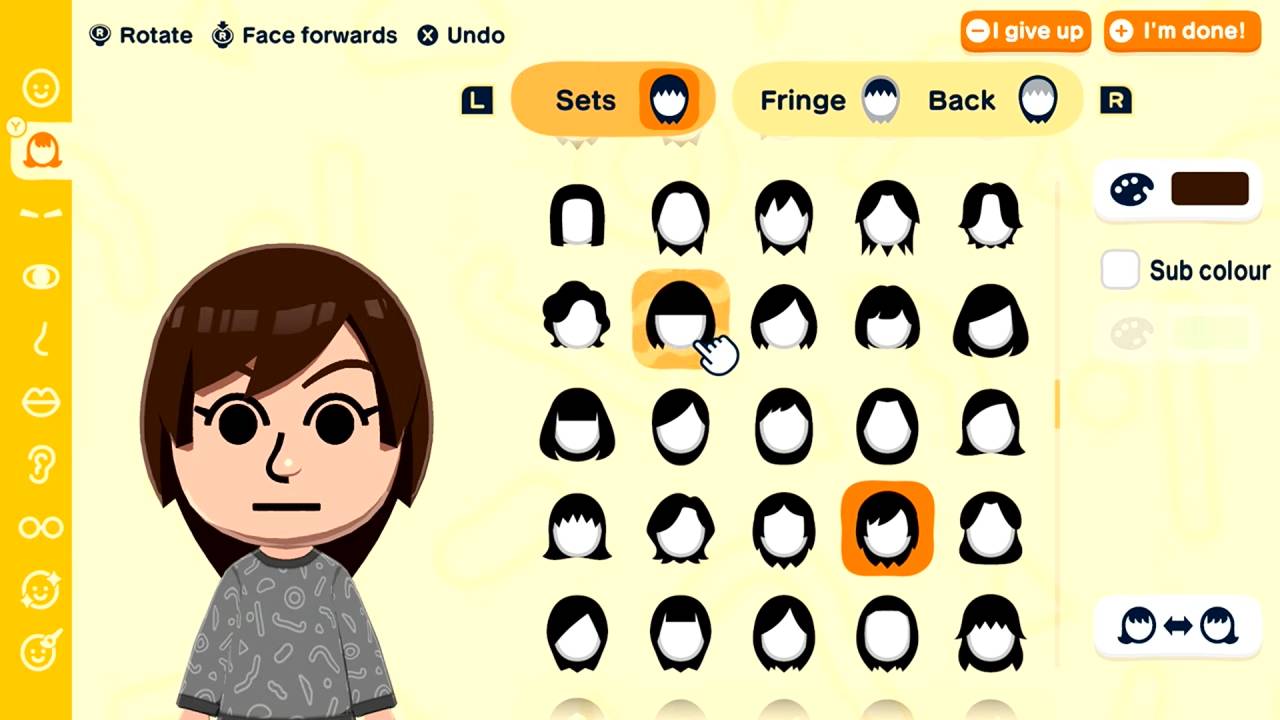
Tomodachi Life: Living the Dream's gameplay loop is based on watching, interacting and having a small impact. You put Miis on an island and watch them go about their daily lives, only coming in to settle arguments or do what you are asked.
Some activities are feeding characters, giving them gifts, changing how they look and leading talks. On the surface, these occasions may not seem important, but they are what make the experience what it is. Each move changes the relationships and personalities of the living things on the island.
The Miis can move around more easily and interact with their surroundings in Tomodachi Life: Living the Dream. Things no longer stay in one place in the world because of this change. They move around more freely. Even with these changes, the gameplay is still very inactive.
Because you cannot directly control your figures, those who want a more hands-on simulation may find it frustrating. It is more akin to a carefully chosen observation than an active game. This choice about how to create it defines Tomodachi Life: Living the Dream. It is less about meeting goals and more about seeing behavior appear out of nowhere.
Those of you who agree with this theory will find a unique and interesting loop that rewards creativity and inquiry.
Tomodachi Life: Living the Dream does not have a lot of traditional puzzle and battle features. As an alternative, the game includes minigames and social tasks that are fun and interactive. These short breaks keep things interesting without getting in the way of the general flow.
Mini games range from easy ones that are based on reactions to more random ones that are based on how characters interact with each other. They often show up at important times, like when a friendship reaches a major milestone or when Miis ask for something. Even though they are fun, they are meant to be simple.
These game mechanics are used to reinforce Tomodachi Life: Living the Dream's main idea of not knowing what will happen next. The focus is on fun over challenge, so whether you succeed or fail at these tasks does not have a big effect. But after a while, routine starts to bother people.
When there aren't many minigames to choose from, the fun starts to wear off. This is especially true on bigger islands where people connect with each other more often. Some of you might be turned off by the lack of traditional combat or difficult puzzles, but this is in line with the game's overall design theory.
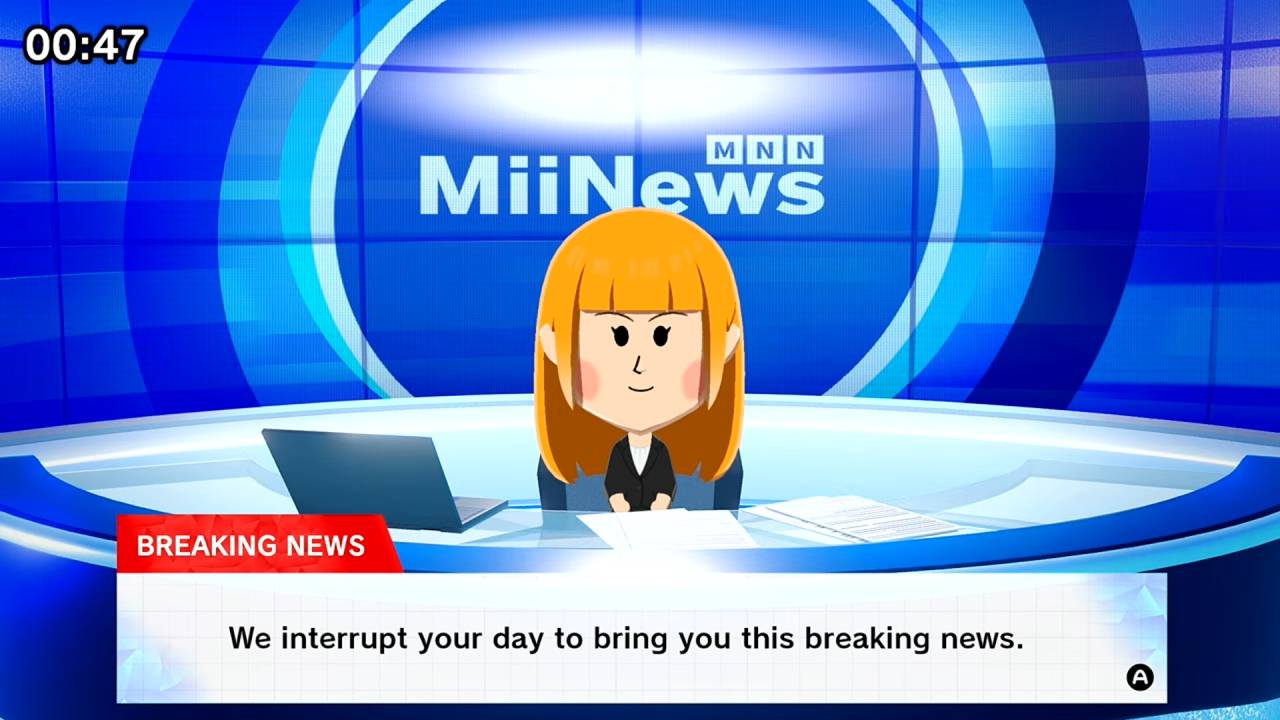
Tomodachi Life: Living the Dream puts humor and spontaneity ahead of technical depth, which makes the experience easy to get into but sometimes shallow. You never know what will happen next in Tomodachi Life: Living the Dream, which is one of its best features. Every conversation has the chance to be funny, shocking, or moving.
Even though the game's rules do not change, this ongoing change keeps things interesting.
Customization is a key part of making this strength stronger. Your imagination comes through in the game because you can change characters, settings and interactions. This amount of customization gives you power and is necessary for the experience.
However, the fact that it depends on your imagination also shows a major flaw. The game is hard to keep people interested in without direct input. If you like to set goals, the experience might not give you enough direction. Restrictions on the level of connection can also make it less appealing over time.
There aren't many ways to change roles, so the game might feel like it's being played over and over again. As more people deal with this problem and the island gets bigger, it gets worse. What if these things don't work out? Tomodachi Life: Living the Dream is still fun because of its unique style. It combines simulation and made-up stories in a new and not-so-good way, which makes it a fun way to pass the time that not many games do.
In Tomodachi Life: Living the Dream, moving forward is linked to both individual happiness and the growth of the island. People are happier when they get things done and meet requests, which lets them use new features and make changes.
The wishing fountain system adds a level of growth that keeps people interested. You get prizes that you can use to add to the island, which keeps it growing and gives you new things to find. When Miis level up, they develop new quirks and habits that set them apart from the rest. These changes make the connection between you and the character stronger, which makes interactions a lot more meaningful.
The progression system, on the other hand, is not as deep as those in more typical simulations.
Most of the time, rewards are more about changing the game than adding to it, which can be annoying after a while. The development loop, on the other hand, fits with the game's main idea. It puts creativity and expression ahead of progress in terms of numbers, which makes success feel more personal than mechanical.
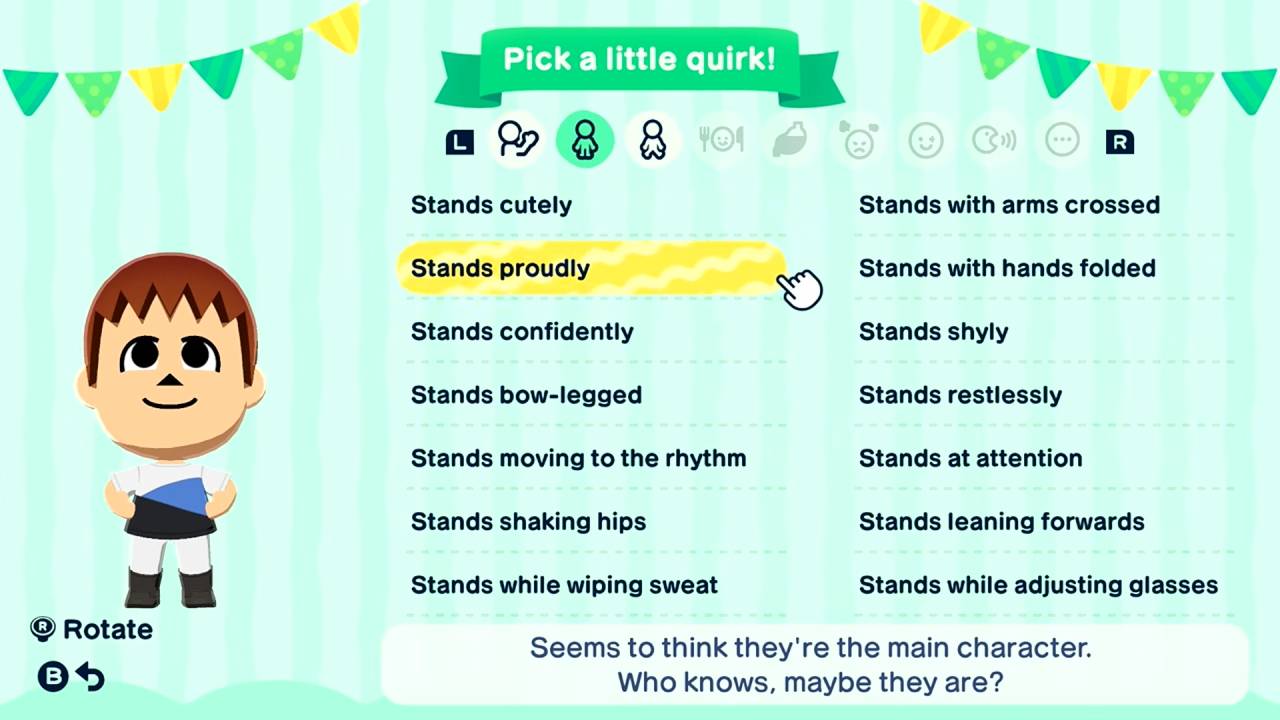
The art style of Tomodachi Life: Living the Dream is simple and bright, which fits the game's silly mood. When you switch to high definition, the backgrounds and character models get sharper and more detailed. This makes the presentation better without losing any of its charm.
The Mii Creator is a great tool that lets you be very creative. You can change a lot of things about it. You can make characters that are really different by changing their faces a little or making them very complicated.
Environmental design is helpful, but it's not as creative as other types of design. Compared to other life simulators, island customization doesn't seem very flexible. There aren't as many options for landscaping and interactive parts.
The visual brand still works well, even with these issues. The simple art style works well with the fast-paced gameplay because it keeps the focus on how the characters interact with each other rather than on the complexity of the setting.
Overall, the graphics in Tomodachi Life: Living the Dream are pretty good, which adds to the game's fun and strange mood.
The sound design for Tomodachi Life: Living the Dream is very funny. The Miis' fake voices and silly speech patterns make for a one-of-a-kind audio experience that is both funny and memorable. Background music that changes quickly to match the mood of each conversation goes well with the fun tone.
The music makes everything more emotional, whether it's a sweet moment or a tense talk. Sound effects are a subtle but helpful way to back up what you see in the game. Everything about the experience, from the sounds of people talking to the silly hints in mini games, makes it more immersive.
On the contrary, the sound's novelty may fade after a lot of practice. People who play the game a lot may find that voice lines and audio themes that are used a lot lose their power. Even with this problem, the sound design is still a big part of Tomodachi Life: Living the Dream. It makes the experience more fun and random, which is what makes it what it is.
Tomodachi Life: Living the Dream is a unique game that is different from other games you might play. But it's not based on goals or competition. It ks just fun to make things and look at them. This unique approach makes it stand out in a market where structured gameplay is the rule.
The game's best features are its charm, fun and huge amount of room for new stories to develop on the fly. Each session has its own shocks that are completely up to you. These times give you a notion of ownership that you cannot get from many other games.
Still, you cannot avoid its flaws. Sometimes it cannot reach its full potential because of interactions that happen over and over, areas that aren't very flexible and a lack of deeper processes. These issues show how tough it is to strike a match between freedom and happiness.
Tomodachi Life: Living the Dream works best as a creative space rather than a standard game. It encourages you to try new things, laugh and enjoy the ridiculous. People who are ready to go with its strange rhythm can have an experience that proves both memorable and out of the ordinary.
Staff Writer, NoobFeed
Verdict
A charming yet uneven social simulator that thrives on creativity and unpredictability. Tomodachi Life: Living the Dream delivers endless humor and personalization, though limited depth and repetition may temper its long-term appeal.
75
Related News
No Data.